I still remember the day I decided to supercharge my own power station with solar energy – it was like a switch had been flipped, and I was suddenly obsessed with the idea of harnessing the sun’s power. As I delved deeper into the world of solar panels, I realized that figuring out how to choose a solar panel for your power station wasn’t as straightforward as I thought it would be. In fact, I was surprised to discover that many people believe you need to be an expert in renewable energy to make an informed decision, which simply isn’t true.
As someone who’s passionate about making technology accessible to everyone, I’m excited to share my knowledge with you and help you navigate the process of selecting the perfect solar panel for your power station. In this article, I’ll cut through the noise and provide you with practical, no-nonsense advice on how to choose a solar panel that meets your unique needs. You’ll learn how to assess your power requirements, evaluate different types of solar panels, and make a decision that will future-proof your energy needs. By the end of this guide, you’ll be empowered to make an informed decision and start harnessing the power of the sun to fuel your power station.
Table of Contents
- Guide Overview: What You'll Need
- Step-by-Step Instructions
- Empowering Tomorrows Power
- 5 Essential Tips to Supercharge Your Power Station with the Right Solar Panel
- Key Takeaways for a Brighter Tomorrow
- Illuminating the Path to Sustainable Energy
- Embracing a Brighter Tomorrow
- Frequently Asked Questions
Guide Overview: What You'll Need
Total Time: 1 hour 30 minutes
Estimated Cost: $100 – $500
Difficulty Level: Intermediate
Tools Required
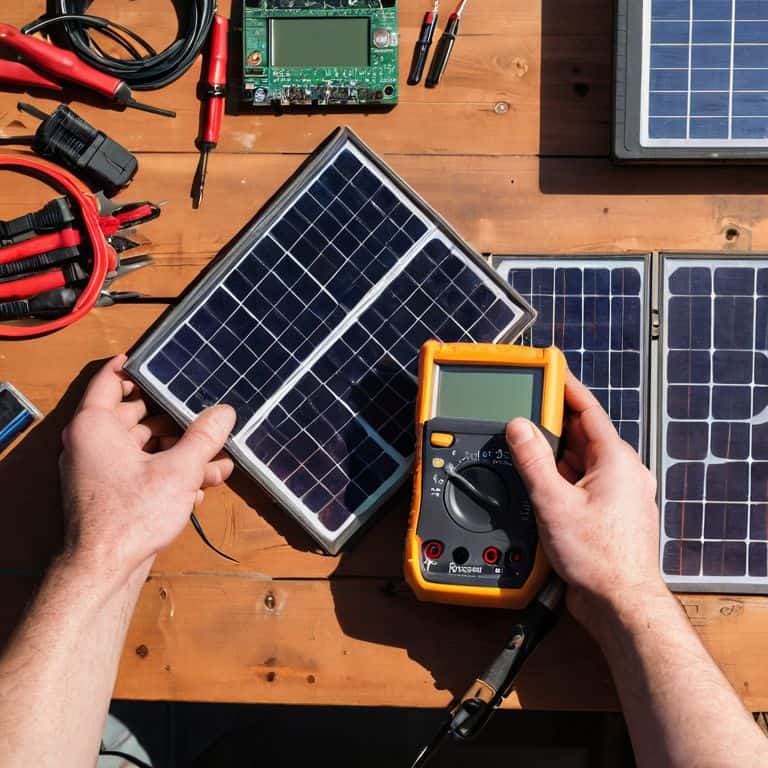
- Multimeter (for measuring voltage and current)
- Tape Measure (for measuring space and panel size)
- Level (for ensuring proper installation)
- Pencil and Paper (for calculating and recording details)
Supplies & Materials
- Solar Panel (with varying wattage options)
- Mounting Hardware (e.g., clamps, brackets, and screws)
- Power Station Battery (for storing generated energy)
- Charge Controller (for regulating energy flow)
Step-by-Step Instructions
- 1. First, let’s determine your power requirements by calculating the total energy consumption of your power station. This involves considering the wattage of all the devices you plan to power, as well as the duration for which you’ll be using them. Accurate calculations are crucial to ensure you choose a solar panel that can efficiently meet your energy needs.
- 2. Next, you need to assess your space constraints to decide on the size and number of solar panels you can accommodate. Consider the physical dimensions of your power station and the area available for solar panel installation. This will help you narrow down your options and optimize your solar panel layout for maximum energy harvesting.
- 3. Now, it’s time to evaluate the solar panel’s efficiency by looking at its power output, measured in watts (W). A higher wattage indicates a more efficient panel, but it’s essential to balance this with your budget and space limitations. High-efficiency solar panels can be more expensive, so it’s crucial to weigh the costs against the benefits.
- 4. The type of solar panel you choose is also vital, as it affects the panel’s performance, durability, and cost. You can opt for monocrystalline, polycrystalline, or thin-film solar panels, each with its unique characteristics. Monocrystalline solar panels, for instance, are known for their high efficiency and long lifespan, making them a popular choice for power stations.
- 5. When selecting a solar panel, it’s essential to check the temperature coefficient, which indicates how well the panel performs in high temperatures. A lower temperature coefficient means the panel will maintain its efficiency even in extreme heat, ensuring consistent energy output throughout the day.
- 6. Another critical factor to consider is the * durability and warranty* of the solar panel. Look for panels with a robust build quality, waterproofing, and a comprehensive warranty that covers you for at least 25 years. Reliable manufacturers often provide extended warranties, giving you peace of mind and protecting your investment.
- 7. Finally, compare prices and reviews from different manufacturers to find the best value for your money. Be wary of extremely cheap options, as they may compromise on quality and performance. Reading reviews from other customers can provide valuable insights into the panel’s real-world performance and help you make an informed decision.
Empowering Tomorrows Power
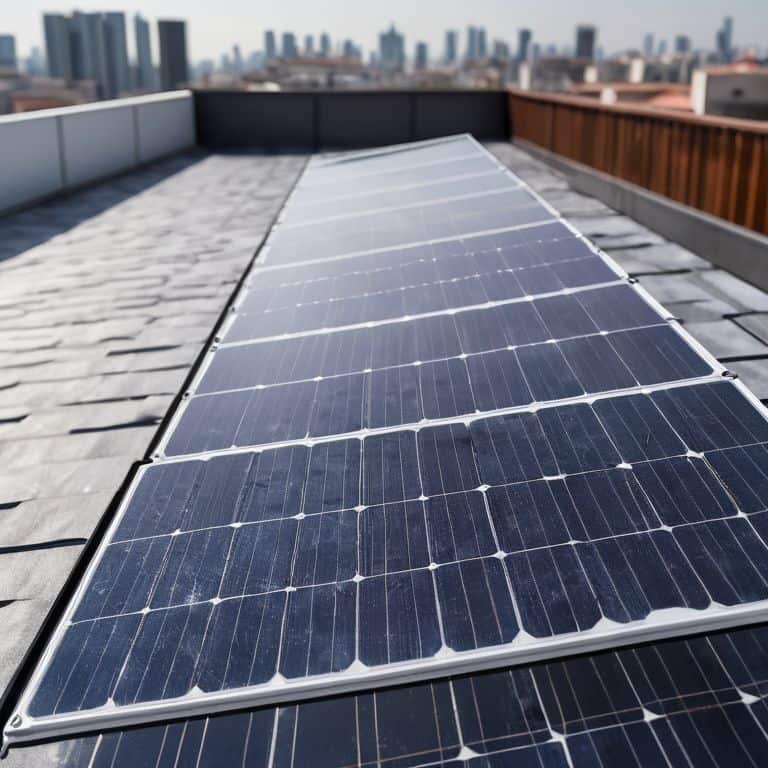
As we look to empower tomorrow’s power needs, it’s essential to consider the type of solar panels that will best suit our requirements. When deciding between monocrystalline vs polycrystalline solar panels, we should think about the space available and the desired efficiency. Monocrystalline panels, for instance, offer higher efficiency ratings, making them ideal for smaller spaces or applications where maximum power output is crucial.
In addition to selecting the right panel type, solar panel efficiency ratings play a significant role in determining the overall performance of our power station. By choosing panels with high efficiency ratings, we can ensure that our power station generates the maximum amount of electricity possible from the sun’s rays. This is particularly important for applications such as portable solar panel kits for camping, where space and weight are limited.
To get the most out of our solar panels, it’s also vital to follow proper solar panel maintenance tips. Regular cleaning and inspection can help prevent damage and ensure that our panels continue to operate at optimal levels. By adopting these habits and selecting the right panels for our needs, we can create a reliable and sustainable source of power that will last for years to come, making it an attractive option for best solar panels for small homes.
Decoding Monocrystalline vs Polycrystalline
As I delve into the world of solar panels, I’m reminded of my love for exploring virtual reality worlds – the same thrill of discovery applies to uncovering the best solar panel for your power station. When it comes to crystalline silicon panels, the main distinction lies between monocrystalline and polycrystalline types. Monocrystalline panels boast higher efficiency rates, thanks to their uniform crystal structure, while polycrystalline panels, with their multi-crystal design, offer a more cost-effective solution.
I’ve found that understanding these differences is key to making an informed decision, much like how my mismatched socks inspire me to think outside the box. By considering factors like efficiency, budget, and environmental impact, you can choose the perfect panel to supercharge your power station and empower a sustainable future.
Unlocking Solar Panel Efficiency Ratings
As I delve into the world of solar panels, I’m reminded of my love for exploring virtual reality worlds – it’s all about uncovering new possibilities. When it comes to efficiency ratings, it’s essential to understand that even small differences can significantly impact your power station’s overall performance. I like to think of it as finding the perfect blend of tech and innovation, much like my mismatched socks remind me to think outside the box. A higher efficiency rating means more energy generated from the same amount of sunlight, which is crucial for maximizing your power output.
To unlock the full potential of your solar panel, look for efficiency ratings that balance performance with your specific needs. By doing so, you’ll be well on your way to harnessing the sun’s energy and creating a sustainable future – a vision that truly excites me as a tech futurist.
5 Essential Tips to Supercharge Your Power Station with the Right Solar Panel
- Assess Your Power Needs: Calculate your power station’s energy requirements to determine the ideal solar panel size and capacity
- Efficiency Matters: Look for solar panels with high efficiency ratings to maximize energy output, especially if you have limited space
- Material Madness: Weigh the pros and cons of monocrystalline vs polycrystalline solar panels, considering factors like cost, durability, and performance
- Durability Check: Ensure the solar panel you choose is built to last, with a sturdy frame, weather-resistant coating, and a reliable warranty
- Future-Proof Your Investment: Consider emerging trends and technologies, such as bifacial solar panels or smart solar modules, to future-proof your power station’s energy production
Key Takeaways for a Brighter Tomorrow
Choose a solar panel that aligns with your power station’s unique energy requirements, considering factors like efficiency, durability, and cost to maximize your renewable energy potential
Understand the differences between monocrystalline and polycrystalline solar panels to make an informed decision that suits your specific needs and environmental conditions
Look beyond the price tag and focus on the long-term benefits of high-efficiency solar panels, including increased energy output, reduced carbon footprint, and a faster return on investment for a sustainable future
Illuminating the Path to Sustainable Energy
As we embark on the journey to empower our power stations with solar energy, remember that choosing the right solar panel is not just about harnessing the sun’s power, but about unlocking a future where technology and nature thrive in harmony.
Kristin Kell
Embracing a Brighter Tomorrow
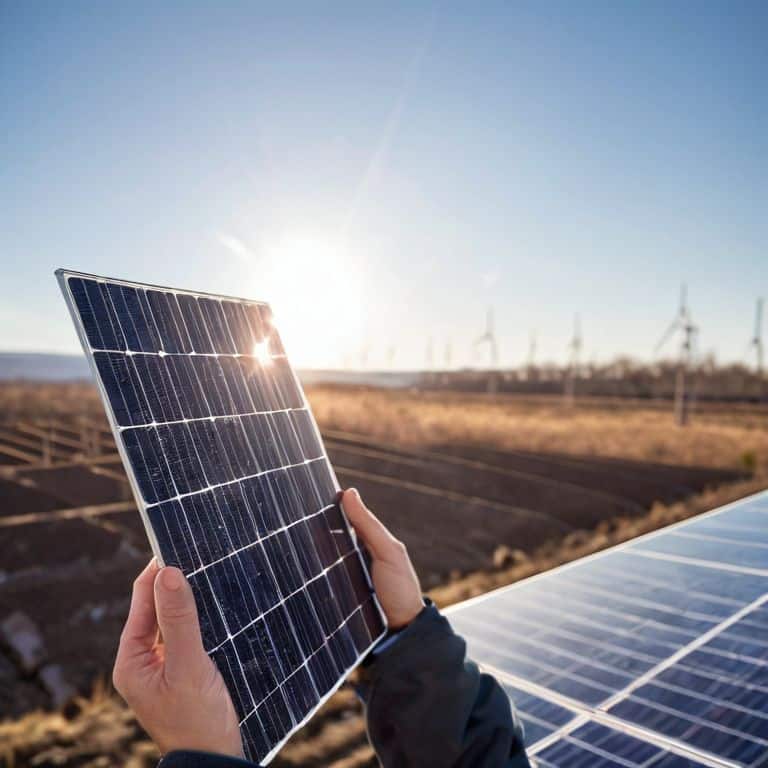
As we conclude our journey through the world of solar panels for power stations, it’s essential to recall the key considerations that will guide your decision. From understanding the difference between monocrystalline and polycrystalline panels to deciphering efficiency ratings, each step is crucial in selecting the perfect solar panel for your unique needs. By following these steps and staying informed, you’ll be well on your way to harnessing the power of the sun and contributing to a more sustainable future.
As you stand at the threshold of this new chapter in renewable energy, remember that the choice you make today is not just about empowering your power station, but about being part of a global movement towards a cleaner, greener tomorrow. So, go ahead, take the first step, and watch as the boundless potential of solar energy transforms not just your power station, but the world around you.
Frequently Asked Questions
What are the key factors to consider when determining the ideal wattage for a solar panel to efficiently power my station?
To determine the ideal wattage, consider your power station’s energy requirements, the amount of sunlight it’ll receive, and the panel’s efficiency rating. I like to think of it as solving a puzzle – you need to balance these factors to maximize your solar panel’s potential and ensure a seamless energy supply.
How do I assess the durability and weather resistance of a solar panel to ensure it can withstand various environmental conditions?
To gauge a solar panel’s durability, I look for certifications like IP67 or IEC 61215, which ensure it can withstand harsh weather conditions. I also examine the frame’s material, such as anodized aluminum, and check the manufacturer’s warranty, typically 25 years or more, to get a sense of its long-term reliability.
Are there any specific certifications or standards I should look for when selecting a solar panel to ensure it meets my power station's safety and performance requirements?
When selecting a solar panel, I always recommend looking for certifications like UL and IEC, which ensure safety and performance standards are met. These certifications can give you peace of mind, knowing your power station is equipped with a reliable and efficient solar panel that meets your unique needs.