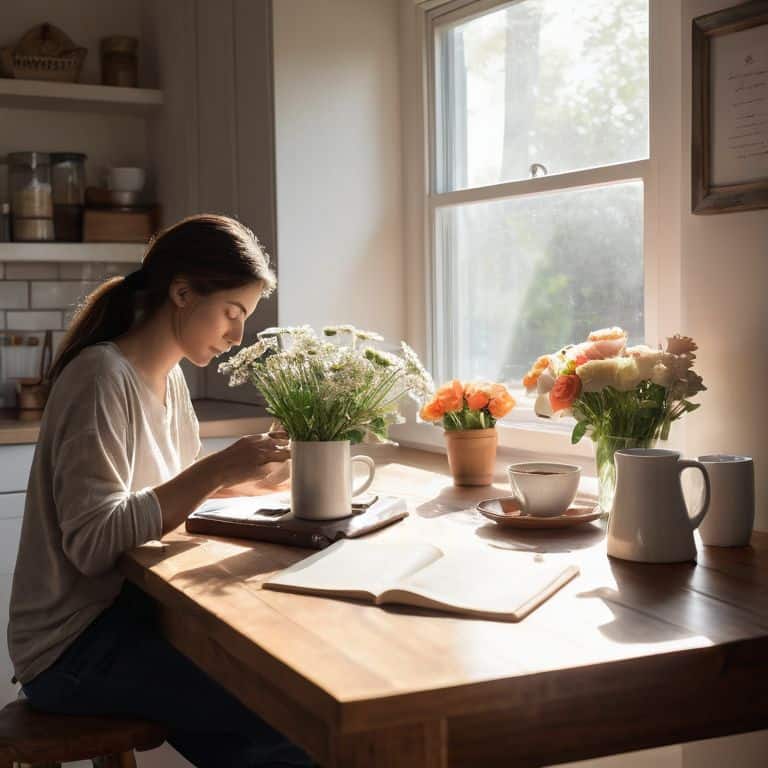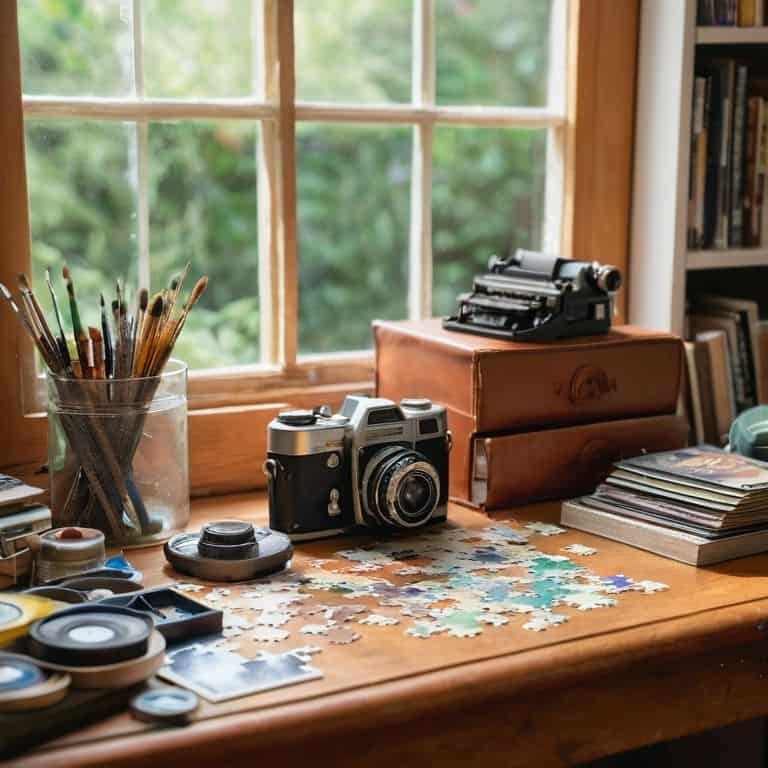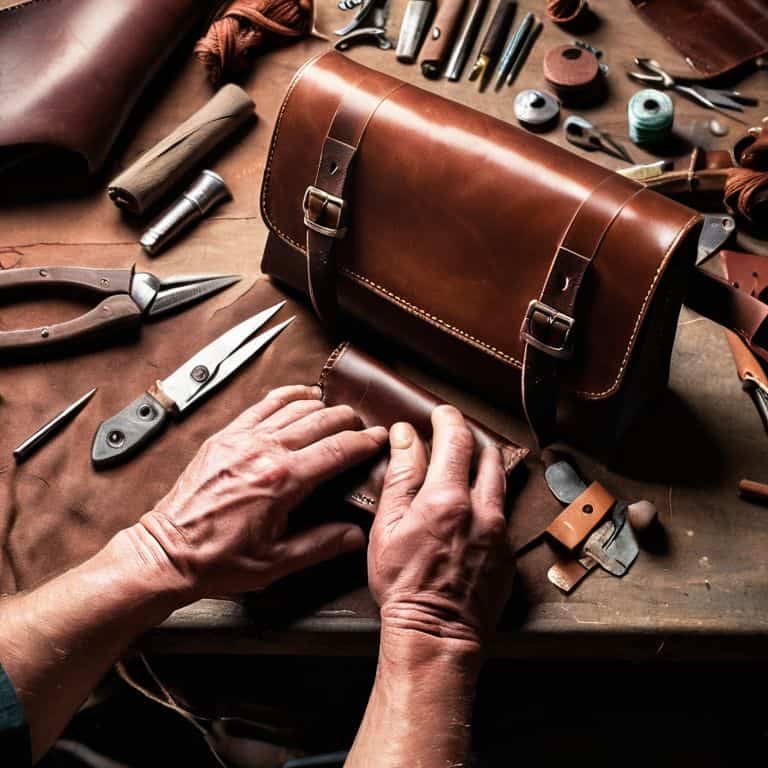
As I sit amidst the gentle chaos of my urban apartment, surrounded by half-finished botanical art projects and the soft glow of vintage illustrations, I’m reminded of the common misconception that embracing a minimalist’s guide to tools means stripping our lives of all beauty and functionality. The truth, however, is that minimalism is not about deprivation, but about intentional living. It’s about curating the tools that bring us joy and serve a purpose, much like the delicate petals of a wildflower bring elegance to a simple bouquet.
In this article, I promise to share my personal journey of discovering the perfect balance of form and function in a minimalist’s guide to tools. You’ll learn how to identify the essential tools that will simplify your life, and how to thoughtfully incorporate them into your daily routine. From the humble pencil to the versatile multi-tool, I’ll guide you through the process of selecting and using the right instruments to cultivate a sense of harmony and mindful minimalism in your own life. By the end of this guide, you’ll be equipped with the knowledge to create a toolbox that reflects your values and inspires a deeper connection to the world around you.
Table of Contents
- Guide Overview: What You'll Need
- Step-by-Step Instructions
- A Minimalists Guide to Tools
- Nurturing Simplicity: 5 Whimsical Tips for a Minimalist's Toolbox
- Embracing the Essentials: 3 Key Takeaways for a Minimalist's Toolbox
- Embracing Simplicity
- Embracing the Beauty of Minimalism
- Frequently Asked Questions
Guide Overview: What You'll Need
Total Time: 1 hour 15 minutes
Estimated Cost: $50 – $100
Difficulty Level: Easy
Tools Required
- Hammer 16 ounces
- Tape Measure 25 feet long
- Level Bubble level or laser level
- Pliers Needle-nose pliers
- Screwdriver Set Flathead and Phillips head
Supplies & Materials
- Assorted Nails 1 inch, 1.5 inches, and 2 inches long
- Wood Glue For bonding wood
- Duct Tape 2 inches wide
- Sandpaper Medium-grit
Step-by-Step Instructions
- 1. First, I invite you to take a moment to reflect on your relationship with tools. Consider the items you use daily, and how they contribute to your overall sense of clutter or calm. As a minimalist, it’s essential to be mindful of the tools you bring into your life, and to ensure they align with your values of simplicity and intention.
- 2. Next, gather all the tools you currently own, and sort them into categories. This could include kitchen utensils, gardening tools, or art supplies. Be thorough, and don’t forget to include the often-overlooked items like screwdrivers or pliers. As you sort, pay attention to any duplicates, or items that no longer serve a purpose.
- 3. Now, take the time to clean and maintain each tool. This not only helps to prevent rust or damage but also allows you to develop a sense of appreciation for the items you’ve chosen to keep. As you wipe down a well-loved wooden spoon, or sharpen a garden pruner, consider the stories each tool could tell, and the memories they’ve helped to create.
- 4. With your tools sorted and cleaned, it’s time to assess your needs. Consider the activities you enjoy, and the tasks you need to accomplish on a daily basis. Do you cook often, or tend to a garden? Make a list of the tools that bring you joy, or make your life easier, and prioritize those items.
- 5. As you begin to curate your collection, remember that quality is key. Rather than opting for cheap, disposable tools, invest in items that are well-made, and built to last. This not only reduces waste but also ensures that your tools will continue to serve you well for years to come.
- 6. Next, consider the storage solutions that will help keep your tools organized, and within reach. This could include a pegboard for your workshop, or a ceramic pot for your kitchen utensils. Choose storage options that are both functional, and visually appealing, to create a sense of harmony in your space.
- 7. Finally, make a commitment to regularly review your tool collection, and ensure that each item still aligns with your values, and needs. As you let go of items that no longer serve you, remember that it’s not about deprivation, but about creating space for the things that truly bring you joy, and support your simple, yet abundant lifestyle.
A Minimalists Guide to Tools
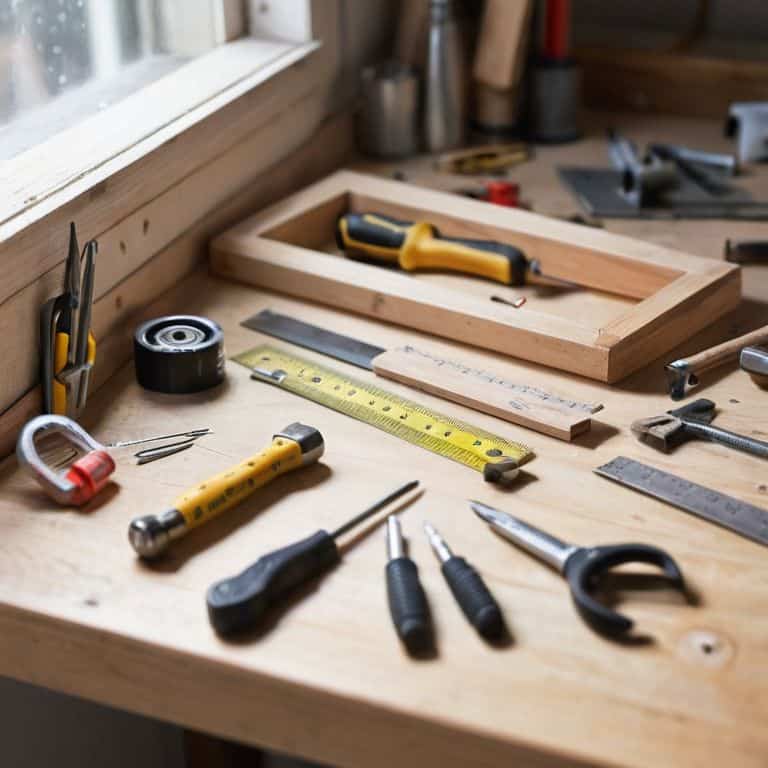
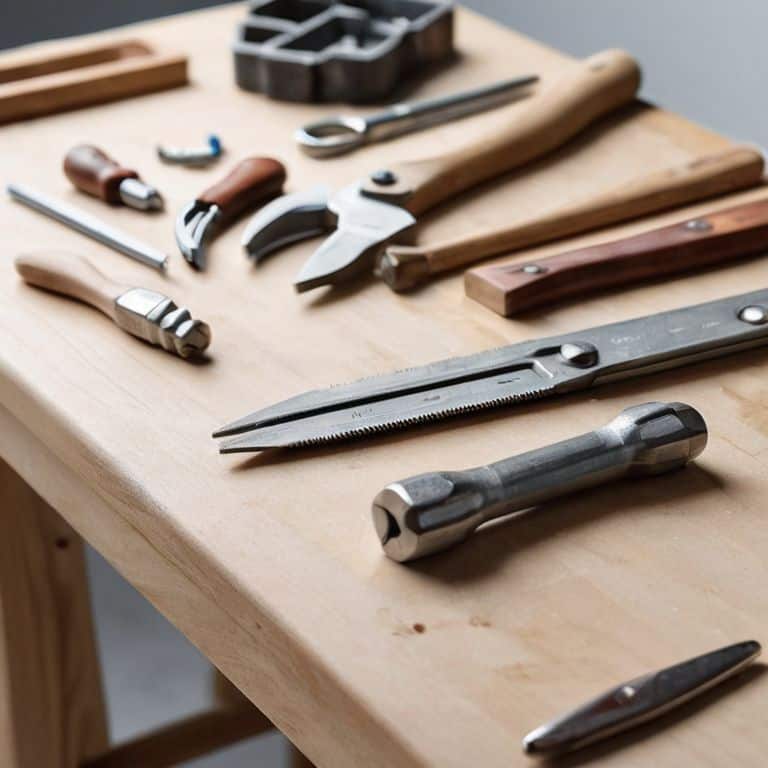
As I delve into the world of minimalism, I’ve come to realize that having the right tools can make all the difference. For beginners, it’s essential to start with a must have tools for beginners kit that includes a few multi-purpose tools. This not only saves space but also reduces decision fatigue. I’ve found that investing in a good quality hammer, a set of essential toolkit for small spaces screwdrivers, and a reliable tape measure can go a long way in simplifying my workflow.
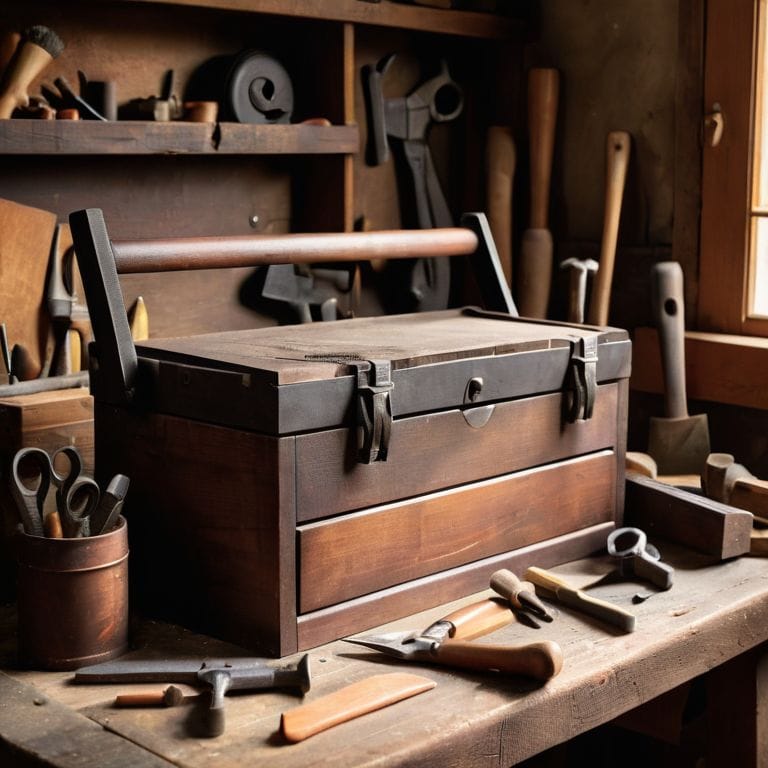
When it comes to tool organization, I’m a big fan of tool organization ideas for minimalists that prioritize simplicity and accessibility. I use a small wooden toolbox with separate compartments to store my tools, keeping them tidy and within reach. This approach has not only saved me time but also reduced stress. I’ve also discovered that opting for multi purpose tools for minimalists can be a game-changer, allowing me to tackle various tasks with ease.
In my quest for sustainable living, I’ve been exploring sustainable tool options that align with my values. I’ve recently discovered a brand that offers high-quality, eco-friendly tools made from recycled materials. While they may be a bit more expensive than traditional tools, I believe they’re worth the investment. By choosing best brands for quality tools that prioritize sustainability, I’m not only reducing my environmental footprint but also supporting companies that share my vision for a more sustainable future.
Essential Multi Purpose Tools
As I delve into the world of minimalist tools, I’m reminded of the beauty of simplicity in my own botanical art. A good pair of pruning shears, for instance, can be used not only for tending to my indoor plants but also for harvesting fresh herbs from my window box. Similarly, a versatile pocket knife can come in handy for everything from cutting twine to opening packages. These multi-purpose tools embody the spirit of minimalism, where one item serves many functions, reducing clutter and increasing efficiency.
In my experience, having a few essential multi-purpose tools can make all the difference in maintaining a minimalist lifestyle. A compact screwdriver set, for example, can be used for assembling furniture, tightening loose screws, and even as a plant marker. By investing in these versatile tools, we can simplify our lives, reduce waste, and cultivate a sense of resourcefulness that resonates deeply with the natural world.
Must Have Tools for Beginners
As I begin to curate my own toolbox for minimalist living, I find myself drawn to a few essential items that bring a sense of clarity and purpose to my space. For those just starting out, I recommend beginning with a simple, high-quality pocket knife, a versatile and dependable companion for various tasks. A small, handheld gardening tool, like a trowel or pruner, is also a must-have, allowing you to nurture your plants and connect with the natural world. These humble tools have a way of reminding us that minimalism is not just about stripping away, but about cultivating intention and care in our daily lives.
Nurturing Simplicity: 5 Whimsical Tips for a Minimalist's Toolbox
- Embrace the beauty of repetition: invest in a few, high-quality tools that can be used in multiple contexts, much like a favorite pen that becomes an extension of your hand
- Let nature be your guide: observe how a single twig can be used as a plant marker, a photo prop, or a whimsical addition to a botanical art piece, and apply that mindset to your tools
- Prioritize the stories behind your tools: whether it’s a vintage fork passed down from your grandmother or a handmade wooden spoon crafted by a local artisan, let the history and love behind each tool inspire your minimalist journey
- Create a ‘tool sanctuary’: designate a peaceful spot in your home where your tools can rest, free from clutter and chaos, and surrounded by elements of nature that bring you joy
- Cultivate a mindset of curiosity: approach each tool as an opportunity to learn, experiment, and push the boundaries of what’s possible, just as a child discovers the magic of a simple stick in the forest
Embracing the Essentials: 3 Key Takeaways for a Minimalist's Toolbox
As I reflect on my journey to minimalist living, I’ve come to realize that the right tools can be the difference between chaos and harmony, and that investing in a few, high-quality essentials can bring a sense of clarity to our daily lives
By focusing on multi-purpose tools that serve more than one function, we can simplify our spaces and reduce waste, creating an environment that nurtures our creativity and connection to nature
Ultimately, the art of minimalist tool curation is about intention and mindfulness, encouraging us to slow down, appreciate the beauty in simplicity, and cultivate a deeper sense of gratitude for the world around us
Embracing Simplicity
As we tend to our tools, we tend to our intentions, and in the simplicity of our pursuits, we find the beauty of a life intentionally lived.
Harper Willow
Embracing the Beauty of Minimalism
As I reflect on our journey through the world of minimalist tools, I’m reminded of the importance of intention in our pursuit of simplicity. We’ve explored the must-have tools for beginners, and delved into the realm of essential multi-purpose tools that can help streamline our lives. By embracing these tools and adopting a mindset of mindful consumption, we can begin to peel away the layers of complexity that often weigh us down. Whether you’re a seasoned minimalist or just starting out, the key is to find a rhythm that works for you, and to always keep in mind the beauty of simplicity.
As we close this chapter on minimalist tools, I want to leave you with a final thought: that the true power of minimalism lies not in the tools themselves, but in the freedom they afford us. By letting go of the unnecessary, we open ourselves up to a world of possibility and creativity. So, I encourage you to continue on this journey, to explore and discover the tools and practices that bring you joy and serenity in simplicity. Remember, the journey to minimalism is not a destination, but a path of discovery, one that winds and turns through the beautiful landscapes of our lives.
Frequently Asked Questions
How can I determine which tools are truly essential for my minimalist lifestyle and avoid unnecessary clutter?
For me, it’s about paring down to the tools that spark joy and serve multiple purposes. I ask myself, “Does this tool simplify my life or add to the chaos?” By being mindful of each item’s function and beauty, I’ve curated a collection that brings harmony to my space and inspires intentional living.
What are some creative ways to repurpose or upcycle old tools to reduce waste and live more sustainably?
I adore giving old tools a new life. For instance, I’ve transformed vintage gardening forks into quirky plant markers and repurposed rusty trowels as unique candle holders, blending functionality with whimsy in my little urban oasis.
Are there any specific tools or brands that are particularly well-suited for small or urban living spaces with limited storage capacity?
For small spaces, I adore compact tools like the Leatherman multi-tool or a pocket-sized pruning set. Brands like Fiskars and Joseph Joseph offer clever, space-saving designs that are perfect for urban gardens or tiny balconies, allowing me to tend to my plants with ease and elegance.