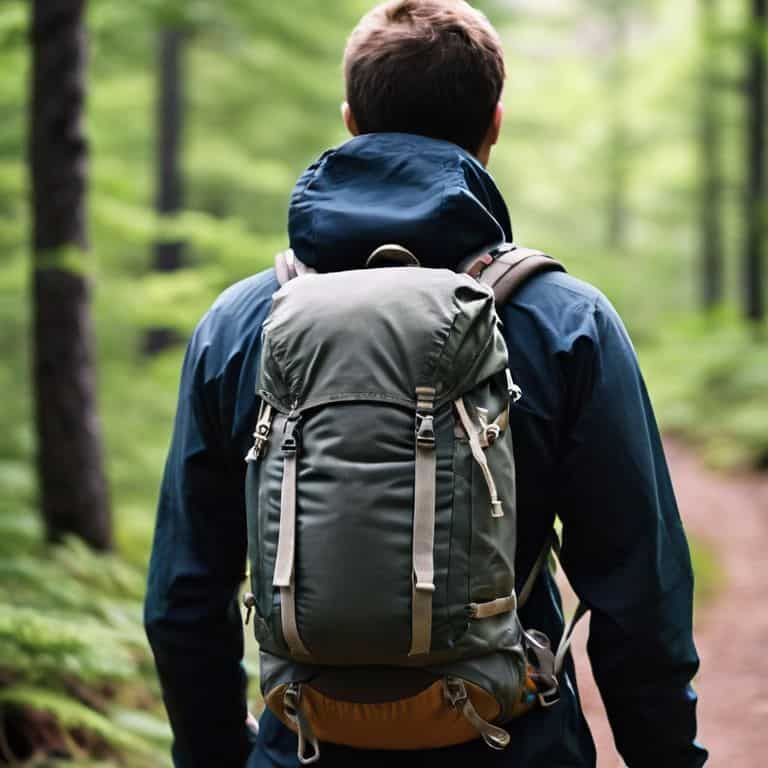
As I laced up my hiking boots in the mountains of Tibet, I couldn’t help but think of the countless times I’ve seen fellow travelers struggling with their backpacks. The common myth that how to properly fit a hiking backpack is a straightforward, one-size-fits-all process is not only misleading, but it can also lead to discomfort, injury, and a less enjoyable hiking experience. I’ve learned that it’s all about finding that perfect snug, where your backpack feels like an extension of your body, not a burdensome weight.
In this article, I’ll share my honest, no-hype advice on how to properly fit a hiking backpack, gleaned from years of trekking through diverse landscapes and listening to fellow travelers’ stories. You can expect to learn the essential adjustments to make, from shoulder strap tweaks to hip belt fittings, to ensure a comfortable and safe hiking experience. Whether you’re a seasoned adventurer or just starting out, this guide will walk you through the simple, yet crucial steps to get your backpack fitting just right, so you can focus on the breathtaking views and unforgettable experiences that await you on the trails.
Table of Contents
Guide Overview: What You'll Need
Total Time: 30 minutes to 1 hour
Estimated Cost: $0 – $20
Difficulty Level: Easy
Tools Required
- Measuring Tape (for measuring torso length)
- Level (optional, for ensuring proper fit)
- Mirror (for self-adjustment and visualization)
Supplies & Materials
- Hiking Backpack (with adjustable straps and hip belt)
- Weights or Heavy Objects (for testing the pack’s weight distribution)
- Comfortable Clothing (for proper fit and movement)
Step-by-Step Instructions
- 1. First, let’s get started with the basics – adjusting the backpack’s torso length. This is crucial because a backpack that’s too long or too short can lead to discomfort and even injury. To adjust the torso length, locate the Velcro or clip that allows you to modify the distance between the shoulder straps and the hip belt. I like to think of it as finding the sweet spot where the backpack feels like an extension of my body.
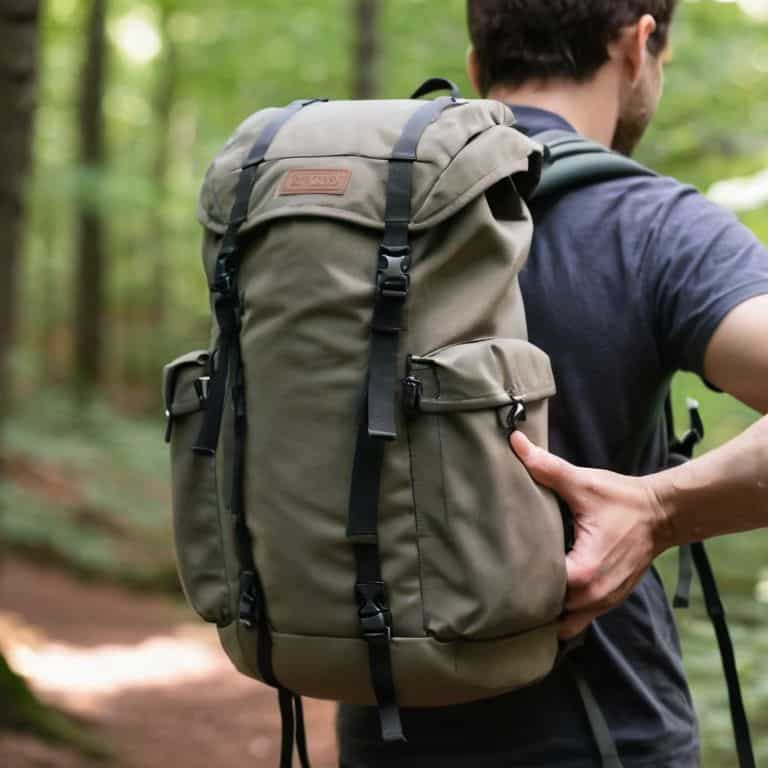
- 2. Next, put on the backpack and tighten the hip belt. This is where most of the weight should be distributed, so make sure it’s snug but not too tight. You should be able to fit a couple of fingers between the belt and your hips. I recall a hike in the mountains of Japan where I forgot to tighten my hip belt, and let’s just say it was a steep learning curve.
- 3. Now, it’s time to adjust the shoulder straps. These should be snug but not constricting, with the straps forming a gentle curve over your shoulders. Make sure the straps aren’t too loose, as this can cause the backpack to shift around while you’re hiking. I’ve found that taking my time to get the shoulder straps just right makes all the difference in my hiking comfort.
- 4. The load lifters are another often-overlooked feature of hiking backpacks. These are the straps that connect the top of the shoulder straps to the pack itself. By adjusting these straps, you can fine-tune the position of the backpack and prevent it from sagging or pulling you backwards. It’s all about finding that perfect balance.
- 5. Once you’ve adjusted the torso length, hip belt, shoulder straps, and load lifters, it’s time to add some weight to the backpack and check the fit. This will give you a sense of how the backpack will perform when it’s fully loaded. I like to add a few heavy items like water bottles or canned goods to get a realistic sense of the weight distribution.
- 6. Now that you’ve got the backpack fitted, it’s essential to check for hotspots. These are areas where the backpack may be rubbing or chafing against your skin. Make any necessary adjustments to the straps or padding to prevent discomfort and blister formation during your hike.
- 7. Finally, take a few minutes to practice putting on and taking off your backpack. This may seem like a small thing, but trust me, it’s essential to be able to do this quickly and easily, especially when you’re on the trail and need to access your gear. I’ve found that repetition is key when it comes to getting comfortable with my backpack’s quirks and features.
Shouldering the World
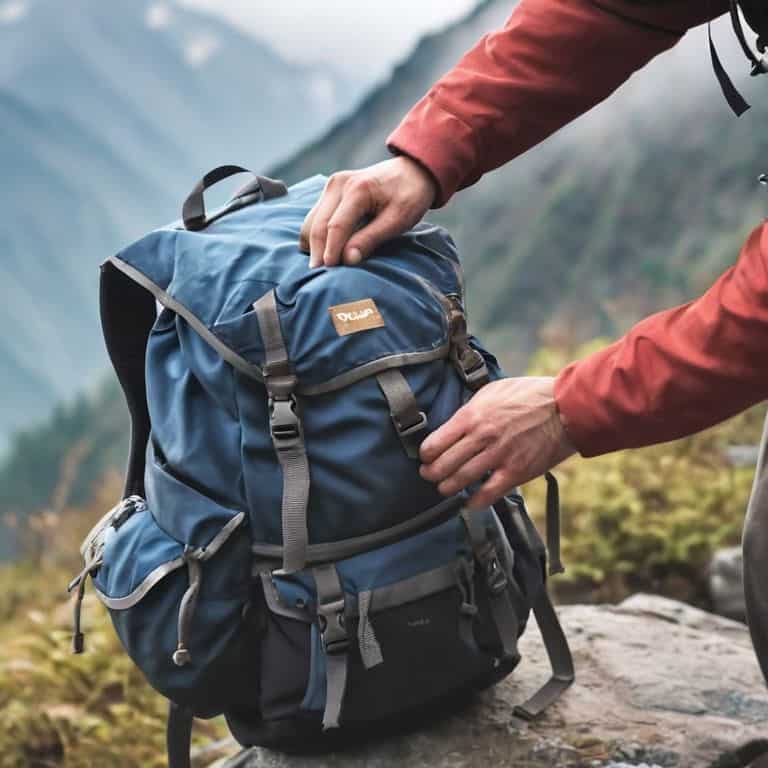
As I reflect on my own adventures, I realize that backpack fitting for beginners is just the starting point. It’s the little nuances, like adjusting backpack straps for comfort, that can make all the difference on a long hike. I recall a particularly grueling trek in the Himalayas, where a slight tweak to my backpack’s hip belt sizing guide made all the difference in my overall comfort.
When it comes to packing, I’m a firm believer in hiking backpack frame types that allow for efficient use of space. A well-organized backpack can be a game-changer, especially on extended trips. By following a hiking backpack size chart, you can ensure that your pack is proportionate to your body, making it easier to navigate challenging terrain.
As I sit here, sipping tea from my favorite Moroccan teapot, I’m reminded that the key to a successful hike lies in the details. How to pack a hiking backpack efficiently is an art that requires patience and practice. By mastering this skill, you’ll be free to focus on the breathtaking views and unforgettable experiences that await you on the trail.
Effortless Strides Adjusting Straps for Comfort
As I lace up my hiking boots, I’m reminded that a well-fitted backpack is just the beginning. Adjusting the straps is where the magic happens, and I’ve learned to make it an art form. I recall a trek through the Himalayas, where a slight tweak of the shoulder straps made all the difference between a comfortable climb and a strained neck. It’s all about finding that sweet spot, where the weight distributes evenly and you can focus on the breathtaking views. With each strap adjustment, I feel my pack becoming an extension of myself, allowing me to move with effortless strides.
Unpacking Backpack Fitting for Beginners
As I reflect on my journeys, from the Himalayas to the Andes, I’ve come to realize that backpack fitting is an art that requires patience and practice. It’s not just about tossing your gear in and heading out, but about creating a harmonious balance between you and your pack. I recall a particularly memorable trek in Mongolia, where a local guide taught me the importance of distributing weight evenly, allowing me to move freely and effortlessly across the vast steppes. It was a valuable lesson that has stayed with me to this day.
For beginners, it’s essential to understand that backpack fitting is a personal and iterative process. It’s about finding that sweet spot where your pack feels like an extension of your body, rather than a cumbersome burden. By taking the time to adjust and readjust, you’ll not only ensure a comfortable journey but also develop a deeper connection with the world around you.
Trailblazer's Tips: 5 Secrets to a Perfectly Fitted Hiking Backpack
- Pack it up: Before you start adjusting, make sure your backpack is loaded with the gear you plan to carry on your hike, just like I do when I’m preparing for a trek through the Himalayas
- Get a grip: Choose a backpack with padded, ergonomic shoulder straps that fit comfortably, allowing you to move freely and easily, much like the winding streets of Tokyo that I love to explore with my urban sketchbook
- Torso tales: Measure your torso length to ensure you’re wearing the right size backpack, and don’t be afraid to ask for help, just as I do when I’m trying to find the perfect tea blend in a quaint Moroccan souk
- Hip happenings: Adjust the hip belt to fit snugly around your waist, providing stability and support for those long, winding trails, like the ones I’ve hiked in the rolling hills of Tuscany
- Shoulder savvy: Relax your shoulders and adjust the straps to find your perfect fit, just as I do when I’m settling in with a good book and a steaming cup of tea from my favorite Japanese teapot, adorned with cherry blossoms and memories of a tranquil afternoon in Kyoto
Embracing the Journey: 3 Key Takeaways for a Perfect Fit
Remember, a good hiking backpack fit is not just about comfort, it’s about embracing the freedom to roam – so take your time to adjust those straps and find your perfect snug
A well-fitted backpack is an extension of yourself, allowing you to focus on the journey, not the weight on your shoulders – experiment with different adjustments to find what works best for you
As you shoulder your pack and hit the trails, recall that the art of backpack fitting is a personal one, woven from threads of experience, intuition, and a willingness to listen to your body – trust your instincts and happy trails await
Finding Your Perfect Fit
A well-fitted backpack is not just about comfort, it’s about freedom – the freedom to roam, to explore, and to soak in the beauty of the world around you, unencumbered by the weight of your own possessions.
Julie Wright
Embracing the Journey: A Perfect Fit
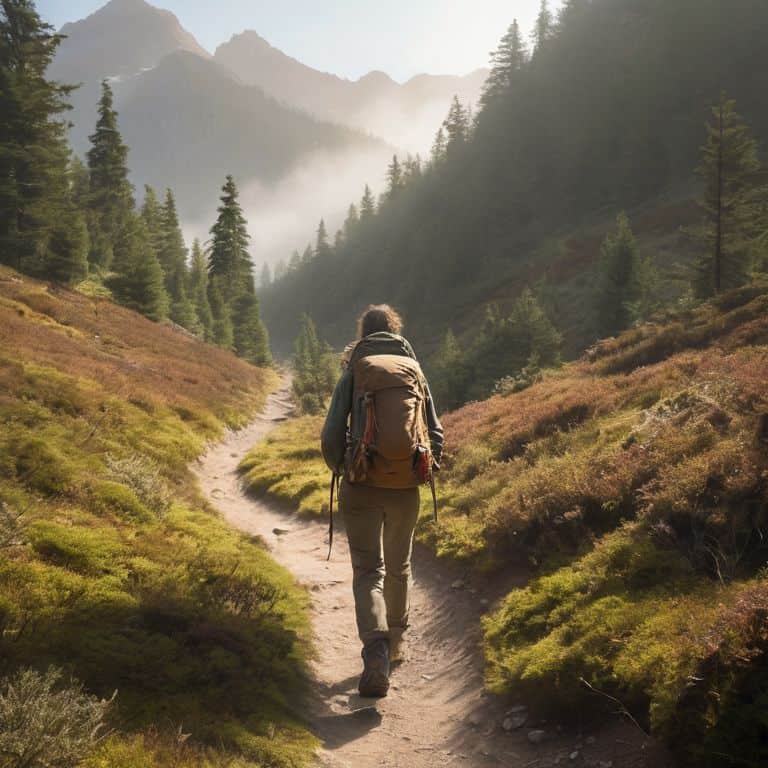
As I reflect on the art of fitting a hiking backpack, I’m reminded that it’s not just about technical adjustments, but about creating a harmonious relationship between you, your pack, and the trails you’ll wander. We’ve explored the importance of a proper fit, from shouldering the world to unpacking the basics for beginners, and fine-tuning those straps for effortless strides. Whether you’re a seasoned trekker or just starting out, the key to a happy hike lies in finding that perfect snug – the sweet spot where your backpack becomes an extension of you, allowing you to move freely and focus on the breathtaking vistas ahead.
So, as you embark on your next adventure, remember that the journey is just as significant as the destination. Embrace the unknown, take a deep breath, and let the rhythm of your footsteps guide you. With your trusty backpack by your side, fitted to perfection, you’ll be ready to take on whatever path unfolds before you, collecting stories, inspiration, and perhaps even a unique teapot or two along the way, just as I do on my own travels, weaving tales that celebrate the beauty of our diverse world, one hike at a time.
Frequently Asked Questions
What if I have a unique body type, will standard backpack fitting instructions still apply to me?
As someone who’s hiked through the Himalayas with a petite frame, I’ve learned that standard instructions can be a great starting point, but it’s essential to make adjustments based on your unique body type – don’t be afraid to experiment and find the perfect fit that works for you.
How often should I readjust my backpack straps during a long hike to ensure a proper fit?
As I hike through the rolling hills of rural Japan, I make it a point to readjust my backpack straps every few hours, or whenever I take a significant break. This ensures the weight remains evenly distributed, and I can maintain a comfortable stride, much like the gentle pouring of tea from my favorite Kyoto-inspired teapot.
Are there any specific backpack features I should look for to ensure a comfortable and secure fit for my body?
When scouting for the perfect backpack, I look for features like padded hip belts, torso adjustability, and cleverly designed shoulder straps – these gems make all the difference in ensuring a snug, comfortable fit that’s tailored to my body, just like my favorite teapot from Tokyo, which always seems to find its perfect spot in my pack.