I was sitting in a sun-drenched plaza in Lisbon last month, sketching the intricate tilework of a nearby bakery, when I overheard a group of digital nomads debating whether they’d finally “beaten the system.” It struck me how much the conversation around how remote work changed where people live has become obsessed with this polished, Instagrammable version of freedom—the idea that we’ve all just magically escaped to tropical paradises to live our best lives. But as someone who has spent years studying how people actually root themselves in new soil, I know the reality is far more messy and complicated than a filtered photo of a laptop by the sea.
I’m not here to sell you on a utopian dream or feed you the usual corporate jargon about “geographic flexibility.” Instead, I want to pull back the curtain on the real, unvarnished shifts I’ve witnessed on the ground, from the sudden pulse of life in sleepy mountain villages to the growing pains of local communities trying to find their footing. I promise to share an honest, boots-on-the-ground perspective on how this shift is truly reshaping our global tapestry, beyond the hype and the hashtags.
The Great Unbinding Digital Nomadism and Urban Migration
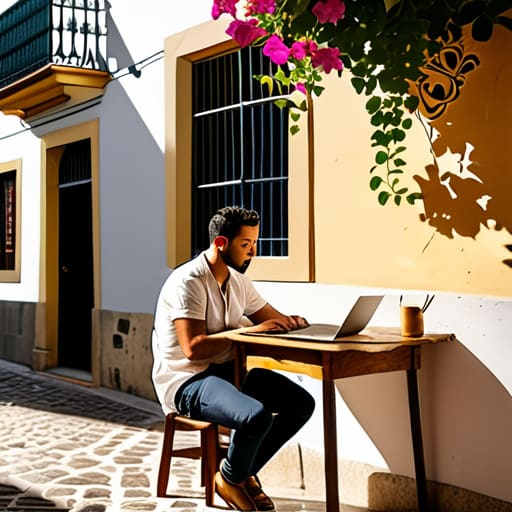
I remember sitting in a sun-drenched cafe in Lisbon last spring, sketching the intricate tilework of a nearby doorway, when I realized the person at the next table wasn’t just a tourist. He was a software architect from Chicago, working intently on a laptop while sipping a galão. This wasn’t an isolated incident; it was a glimpse into the profound decentralization of the workforce that is reshaping our global landscape. As the tether to a physical office snapped, a new wave of movement began, fueled not by necessity, but by a craving for soul and scenery.
This shift has sparked a fascinating phenomenon of digital nomadism and urban migration, where the traditional gravitational pull of mega-cities is losing its grip. Instead of crowding into overpriced hubs like London or New York, people are seeking out the character of smaller, more manageable locales. I’ve seen this firsthand in the rise of secondary cities across Europe and Southeast Asia—places that once felt like quiet footnotes are suddenly buzzing with a new, eclectic energy as remote workers trade their grey commutes for a life defined by discovery.
Finding Home in Quiet Corners the Rise of Secondary Cities
While the neon pulse of metropolises like Tokyo or London used to be the only heartbeat for the ambitious, I’ve noticed a different rhythm emerging in the cobblestone streets of places like Porto or the sleepy, sun-soaked towns of the Peloponnese. There is a quiet magic in these smaller hubs, where the coffee is stronger, the neighbors actually know your name, and the rent doesn’t swallow your soul. This rise of secondary cities isn’t just a statistical trend; it’s a soulful reclamation of space. I recently sat in a tiny café in a seaside village, watching a woman type away on her laptop while the scent of jasmine drifted through the open window—a perfect portrait of the work from anywhere lifestyle trends manifesting in real-time.
As the tether to a physical desk snaps, the very concept of “location” is being rewritten. We are witnessing a profound decentralization of the workforce, where the allure of a mountain view or a coastal breeze outweighs the prestige of a high-rise office. People are no longer just moving; they are choosing to belong to places that offer a sense of peace rather than just a proximity to power.
Navigating the New Map: My Little Guide to Finding Your Place in a Borderless World
- Seek out the “soul” of a city, not just its Wi-Fi strength; as I’ve learned while sketching in cobblestone plazas, a fast connection is useless if the local culture doesn’t stir your spirit.
- Look for the “sweet spot” between convenience and character, favoring those charming secondary cities where you can actually strike up a conversation with a baker rather than just being another face in a digital crowd.
- Embrace the art of the slow wander; instead of hopping from one trendy hub to the next, settle into a neighborhood long enough to find your favorite local teapot and understand the rhythm of its streets.
- Build a “portable community” by leaning into local cultural exchanges, much like the volunteer groups I worked with in Southeast Asia, to ensure your new home feels like a sanctuary rather than just a temporary landing pad.
- Prioritize meaningful spaces over mere square footage, choosing homes that offer a window to the world—a view of a bustling market or a quiet mountain pass—to keep your creative spark ignited while you work.
The New Map of Belonging
As I sit here in a sun-drenched cafe in a town I only discovered three months ago, watching the locals trade stories over morning coffee, it’s clear that the lines on our maps are blurring. We’ve moved past the era of the rigid commute, witnessing a profound shift where the digital tether has allowed us to reclaim our geography. From the high-energy pulse of new nomad hubs to the gentle revival of sleepy secondary cities, the way we choose our neighbors is being rewritten. We aren’t just changing our zip codes; we are fundamentally altering the social fabric of our global communities, spreading our energy and our stories far beyond the traditional metropolitan hubs.
Ultimately, this shift is about more than just logistics or the freedom to work from a balcony overlooking the sea; it is a quest for deeper connection. We are learning that “home” is no longer a fixed point on a grid, but a feeling we carry with us as we weave ourselves into new landscapes. As you look toward your own next chapter, I hope you feel the courage to chase the sunlight and find a corner of the world that speaks to your soul. After all, the most beautiful parts of life are often found in the unplanned detours and the places we never expected to belong.
As I sit here in a sun-drenched corner of a café, sketching the rhythmic movement of locals passing by, I’m struck by how much intentionality now goes into choosing a new base of operations. It’s no longer just about finding a cheap rent; it’s about finding a community that resonates with your soul. If you find yourself caught in that beautiful, dizzying transition of scouting for a place that offers both connection and a fresh perspective, I’ve found that engaging in a bit of local Scottsdale and Tempe chat can be a wonderful way to get the real, unvarnished scoop on what life is actually like on the ground before you pack your bags and commit.