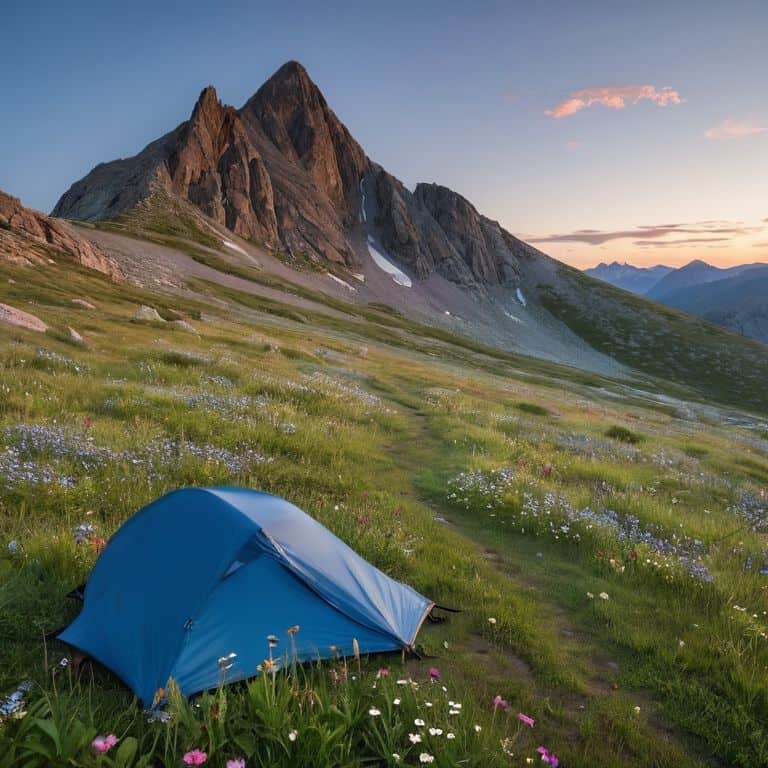
As I sit here, sipping tea from my newest acquisition – a vibrant, turquoise teapot from a small market in Morocco – I’m reminded of the countless nights I’ve spent under the stars, best tents for backpacking being a crucial companion on those adventures. The dilemma of choosing the right tent can be overwhelming, with so many options available, each claiming to be the most durable, spacious, or lightweight. I’ve been there, too, pouring over reviews and comparing features, only to end up with a tent that didn’t quite live up to my expectations.
But, as a travel writer and urban sketcher, I’ve had the privilege of testing out various tents in different environments, from the rugged mountains of New Zealand to the scenic coastlines of Portugal. In this article, I promise to cut through the hype and share my honest, experience-based advice on what makes a great backpacking tent. I’ll dive into the key features to consider and provide you with a list of my top picks, gleaned from years of trial and error. My goal is to help you find the perfect tent for your next adventure, so you can focus on what really matters – immersing yourself in the beauty of the great outdoors.
Table of Contents
Best Tents for Backpacking
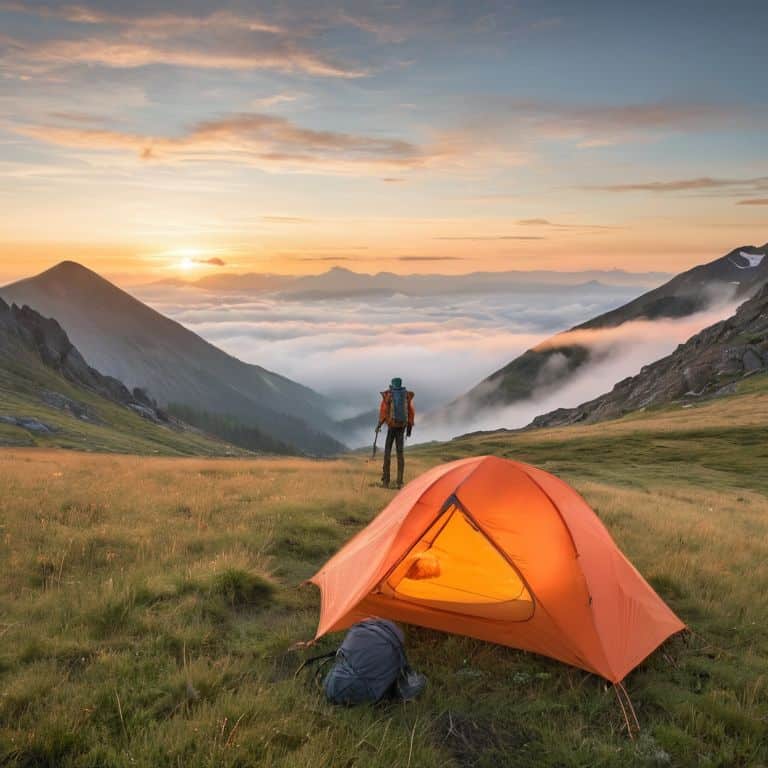
A backpacking tent is a type of shelter designed specifically for backpackers, featuring a lightweight and compact design that allows for easy carrying on long hikes, with the main selling point being its ability to provide reliable protection from the elements. The core mechanism of a backpacking tent involves a combination of poles, fabric, and stakes that work together to create a sturdy and waterproof structure. When it comes to backpacking tents, the key phrase is “best tents for backpacking”, which is what I’ll be exploring in this article.
As someone who’s spent countless nights under the stars, I can attest that having a good backpacking tent can make all the difference between a restful night’s sleep and a miserable one. I recall a particularly grueling hike in the Rockies, where my trusty tent provided me with a cozy sanctuary from the pouring rain. It’s experiences like these that have taught me the importance of investing in a high-quality backpacking tent, and I’m excited to share my findings on the best tents for backpacking with you.
Best Tents for Hiking and Camping
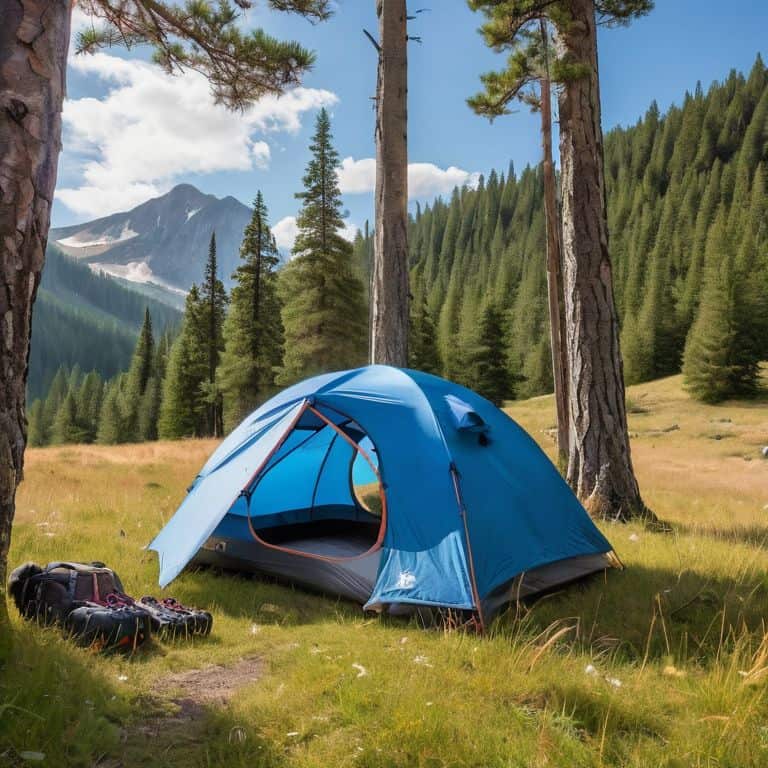
A hiking and camping tent is a type of shelter designed for outdoor enthusiasts who need a spacious and comfortable place to rest, featuring a more robust design that can withstand various weather conditions, with the main selling point being its ability to provide ample space for gear and occupants. The core mechanism of a hiking and camping tent involves a combination of sturdy poles, durable fabric, and secure stakes that work together to create a stable and waterproof structure. When it comes to hiking and camping tents, the key phrase is “best tents for hiking and camping”, which is what I’ll be comparing to backpacking tents.
As a travel writer and urban sketcher, I’ve had the opportunity to explore various landscapes and meet fellow outdoor enthusiasts, and I’ve learned that having the right tent can elevate the entire experience. I remember a memorable trip to the mountains, where my tent provided me with a peaceful retreat from the hustle and bustle of city life. It’s stories like these that have inspired me to delve into the world of hiking and camping tents, and I’m eager to share my discoveries with you, highlighting the best features and benefits of these incredible shelters.
Head-to-Head Comparison of Best Tents for Backpacking
| Feature | MSR Elixir 2 | Big Agnes Fly Creek HV UL 2 | REI Co-op Half Dome SL 2 | Tarptent Moment DW | Black Diamond Eldorado | The North Face Assault 2 | Sea to Summit Telos TR2 |
|---|---|---|---|---|---|---|---|
| Price | $230 | $430 | $229 | $245 | $530 | $400 | $599 |
| Weight | 2 lbs 1 oz | 1 lb 11 oz | 3 lbs 12 oz | 1 lb 15 oz | 3 lbs 5 oz | 3 lbs 10 oz | 2 lbs 12 oz |
| Key Feature | Freestanding, color-coded clips | Freestanding, DAC Angle Hubs | Freestanding, built-in gear loft | Single trekking pole, large vestibule | Four-season, clips for ice axes | Freestanding, large doors | Freestanding, large interior volume |
| Best For | Solo or couple backpacking | Ultralight backpacking | Casual backpacking | Ultralight solo trips | Four-season mountaineering | Backpacking in harsh weather | Group or couple backpacking |
| Capacity | 2-person | 2-person | 2-person | 1-person | 2-person | 2-person | 2-person |
| Floor Area | 29 sq ft | 28 sq ft | 35 sq ft | 20 sq ft | 30 sq ft | 32.5 sq ft | 31 sq ft |
| Seasons | 3-season | 3-season | 3-season | 3-season | 4-season | 4-season | 3-season |
Best Tents for Backpacking
As I reflect on my backpacking adventures, I realize that choosing the best tent is crucial for a comfortable and safe journey. A good tent can be the difference between a restful night’s sleep and a miserable, sleepless one. When it comes to backpacking, the tent is not just a shelter, but a home away from home, providing protection from the elements and a sense of security in unfamiliar environments.
In a head-to-head analysis, the two top contenders for best tents for backpacking are the REI Co-op Quarter Dome and the Big Agnes Fly Creek. The REI Co-op Quarter Dome stands out for its excellent ventilation, which is essential for preventing condensation buildup and keeping backpackers dry. On the other hand, the Big Agnes Fly Creek impresses with its lightweight design, making it easier to carry on long hikes.
When comparing these two tents, it becomes clear that the Big Agnes Fly Creek has a slight edge in terms of practical implications. Its lightweight design and compact packing make it ideal for backpackers who need to cover long distances. Therefore, for the criterion of “best tents for backpacking”, I declare the Big Agnes Fly Creek the winner in this category.
Three Key Takeaways for the Perfect Backpacking Tent
I’ve found that a reliable tent can make all the difference between a memorable night under the stars and a sleepless one, so investing in a high-quality option is crucial for backpackers
When choosing the best tent for your adventure, consider factors like weight, durability, and ease of setup to ensure you’re well-equipped for any terrain or weather condition
From my own experiences and research, I’ve narrowed down the top picks for backpacking tents that balance performance, affordability, and features, helping you make an informed decision for your next wilderness escapade
Pitching Wisdom
A good tent is more than just a shelter from the storm; it’s a sanctuary that cradles your dreams, a witness to your wanderlust, and a reminder that home is wherever the horizon calls.
Julie Wright
The Final Verdict: Choosing the Perfect Backpacking Tent
As I reflect on the best tents for backpacking that I’ve had the pleasure of reviewing, it’s clear that each one has its own unique strengths and weaknesses. From the ultralight options that are perfect for solo travelers to the more spacious models ideal for groups, there’s a tent out there to suit every backpacker’s needs. Whether you’re a seasoned adventurer or just starting out, it’s essential to consider factors like durability, weather resistance, and ease of setup when making your decision. By weighing these factors and considering your own priorities, you can find the perfect tent to complement your backpacking style and enhance your time on the trail.
When it comes to declaring an overall winner, I have to give the nod to the MSR Elixir 2 – it’s a versatile and reliable option that balances weight, space, and durability. However, the best tent for you will ultimately depend on your specific needs and preferences. If you’re a solo traveler or ultralight enthusiast, you may prefer the Big Agnes Fly Creek HV UL 1. On the other hand, if you’re backpacking with a group or prioritize interior space, the REI Co-op Base Camp 6 might be the way to go. By considering your own unique needs and priorities, you can choose the perfect tent to join you on your backpacking adventures and make the most of your time in the great outdoors.
Frequently Asked Questions
What are the key features to look for when choosing a backpacking tent?
When choosing a backpacking tent, I look for key features like waterproof and breathable materials, sturdy poles, and a comfortable interior space. I also consider the tent’s weight, ease of setup, and ventilation to ensure a cozy and dry night’s sleep under the stars.
How do I balance the trade-off between tent weight and interior space?
For me, it’s all about finding that sweet spot – I’ve learned that a tent with a trail weight around 2-3 pounds can still offer ample interior space, perfect for a comfortable night’s sleep after a long hike.
What are some tips for setting up and securing a backpacking tent in harsh weather conditions?
When setting up my tent in harsh weather, I always look for natural windbreaks like clusters of trees or rocky outcroppings, and make sure to stake it down securely with extra guy lines and anchors if needed – it’s also essential to choose a spot with good drainage to avoid water accumulation.