I still remember the time I found myself in the middle of a virtual reality world, fumbling with my flashlight as the batteries died on me. It was then that I realized the importance of having the right battery type for my trusty flashlight. As a tech futurist, I’ve always been fascinated by the potential of technology to transform our lives, and a good flashlight is no exception. That’s why I’ve decided to create a guide to different battery types for flashlights, to help others navigate the often-confusing world of batteries and find the perfect one for their needs.
In this article, I promise to cut through the hype and provide you with practical advice on choosing the best battery type for your flashlight. Whether you’re an outdoor enthusiast or just someone who likes to be prepared, you’ll learn about the different types of batteries available, their pros and cons, and how to make an informed decision. I’ll share my own experiences and insights, gained from years of exploring the latest tech innovations, to help you make the most of your flashlight and stay safe in the dark. So, let’s dive in and explore the world of batteries together, and find the perfect one for your trusty flashlight.
Table of Contents
Guide Overview: What You'll Need
Total Time: 1 hour 15 minutes
Estimated Cost: $10 – $30
Difficulty Level: Easy
Tools Required
- Multimeter (for measuring voltage and current)
- Battery Tester (optional)
Supplies & Materials
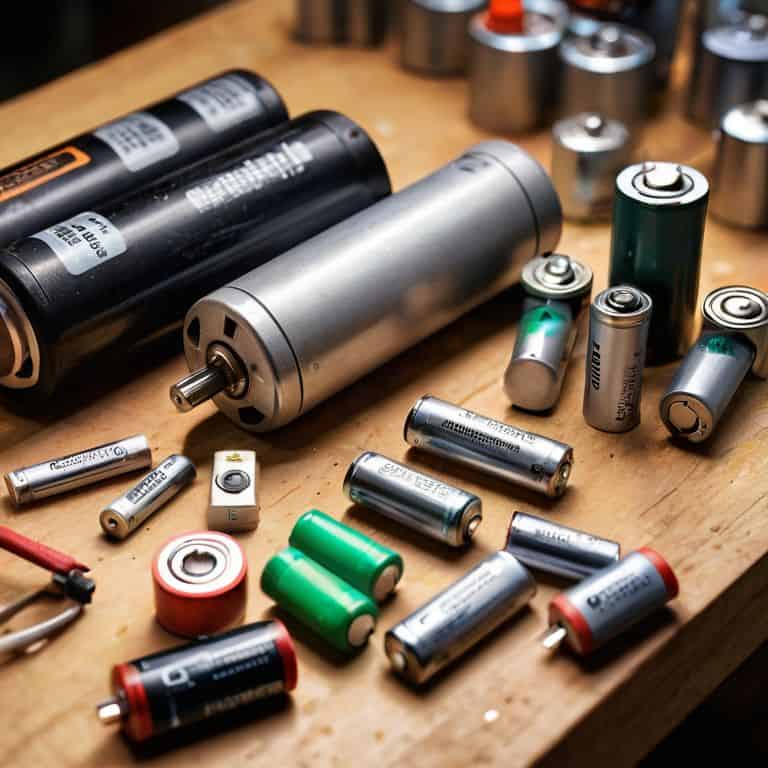
- Alkaline Batteries (e.g., AA, AAA, D, 9V)
- Nickel-Cadmium (Ni-Cd) Batteries (for specific applications)
- Nickel-Metal Hydride (NiMH) Batteries (rechargeable)
- Lithium-Ion (Li-ion) Batteries (high-capacity, rechargeable)
- Lead-Acid Batteries (for heavy-duty applications, e.g., 6 volts)
Step-by-Step Instructions
- 1. First, let’s start by understanding the basics of battery types, which is essential for choosing the right one for your flashlight. When it comes to flashlights, you’ll typically find batteries that are categorized into two main types: disposable and rechargeable. I always get excited about exploring the possibilities of each type and how they can impact our daily lives.
- 2. Next, consider the environmental impact of your battery choice. If you’re looking for an eco-friendly option, rechargeable batteries are the way to go. Not only do they reduce waste, but they also save you money in the long run. I’ve found that investing in a good rechargeable battery can make a significant difference in reducing your carbon footprint.
- 3. Now, let’s dive into the world of disposable batteries. These are often made of alkaline or zinc-carbon, and they’re great for flashlights that don’t get used frequently. When choosing disposable batteries, make sure to check the shelf life to ensure they’ll last as long as you need them to.
- 4. If you’ve decided to go with rechargeable batteries, you’ll need to consider the charging method. Some batteries can be charged via a USB port, while others require a separate charging dock. I’ve found that convenience is key when it comes to charging, so choose a method that fits your lifestyle.
- 5. Once you’ve selected your battery type, it’s time to think about the capacity and voltage. These factors will affect the brightness and runtime of your flashlight. If you need a flashlight for outdoor activities, look for batteries with a higher capacity to ensure you have enough power to last throughout the night.
- 6. Another crucial step is to check the compatibility of your battery with your flashlight. Make sure to read the manufacturer’s instructions to ensure you’re using the correct type and size of battery. I’ve learned that double-checking compatibility can save you from a lot of frustration and potential damage to your flashlight.
- 7. Finally, consider the cost and maintenance of your battery choice. While rechargeable batteries may seem more expensive upfront, they can save you money in the long run. Additionally, some batteries require proper maintenance, such as cleaning the terminals or storing them in a cool, dry place, to ensure they last as long as possible.
Illuminating Innovation
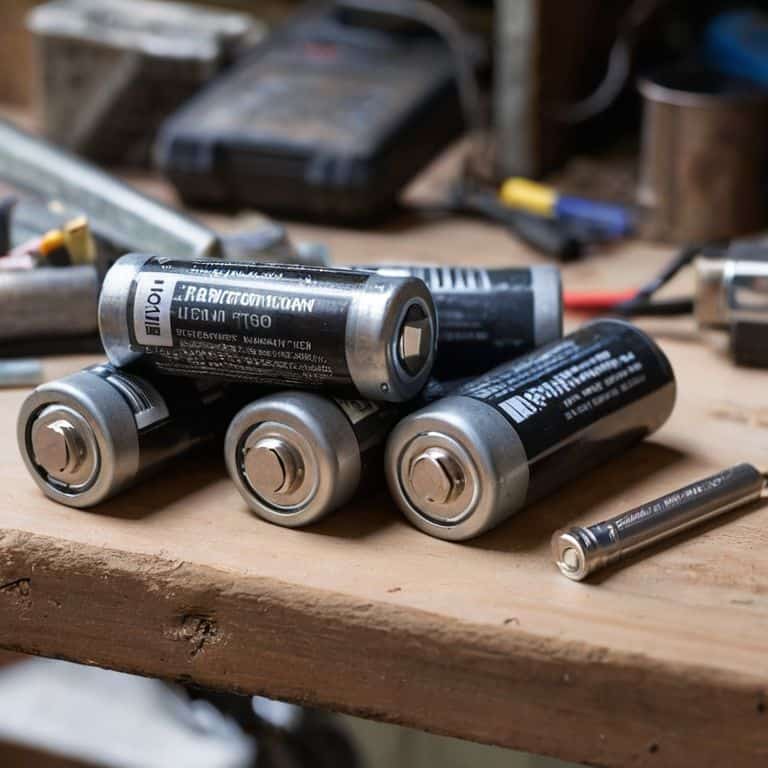
As I delve into the world of flashlight batteries, I’m excited to share some lithium ion battery advantages that have revolutionized the way we think about portable power. One of the key benefits is their high energy density, which allows for smaller, lighter batteries that pack a punch. When it comes to rechargeable battery maintenance tips, I always recommend keeping them away from extreme temperatures and avoiding deep discharges to prolong their lifespan.
In my exploration of virtual reality worlds, I’ve come across some fascinating applications of nickel metal hydride battery lifespan optimization. By understanding how these batteries work, we can better design our flashlights to maximize their potential. For instance, using a battery capacity measurement tool can help us determine the best battery for our specific needs. This attention to detail can make all the difference in creating a reliable and efficient flashlight.
As a tech futurist, I’m always on the lookout for innovative solutions that can enhance our daily lives. When it comes to alkaline battery vs lithium, I believe that the latter offers a more sustainable and efficient option. By choosing the right battery type and following some simple flashlight battery safety precautions, we can ensure a brighter, safer future for our flashlights and the environment.
Lithium Ion Battery Advantages Uncovered
As I delve into the world of lithium-ion batteries, I’m thrilled to uncover their numerous advantages. With their high energy density and long lifespan, it’s no wonder they’re becoming the go-to choice for many flashlight enthusiasts. I’ve had the chance to explore virtual reality simulations that demonstrate the inner workings of these batteries, and I’m impressed by their efficiency. Plus, their relatively low self-discharge rate means they can be stored for longer periods without losing their charge.
One of the most significant benefits of lithium-ion batteries is their lightweight design, making them perfect for flashlights that need to be compact and portable. As someone who’s always on-the-go, I appreciate the convenience they offer. Whether I’m exploring a new virtual reality world or simply need a reliable light source, lithium-ion batteries have become my top choice. Their advantages are a shining example of how innovation can transform our daily lives.
Nickel Metal Hydride Lifespan Secrets Revealed
As I delve into the world of Nickel Metal Hydride (NiMH) batteries, I’m fascinated by their unique characteristics. One of the key secrets to their longevity lies in their charging habits – it’s essential to avoid overcharging, as this can significantly reduce their lifespan. By implementing smart charging techniques, such as trickle charging, we can help extend the life of these batteries. I’ve also discovered that storing NiMH batteries in a cool, dry place can help preserve their capacity, allowing them to maintain their performance over time.
By embracing these simple yet effective strategies, we can unlock the full potential of NiMH batteries and enjoy a more sustainable lighting experience. Whether I’m exploring virtual reality worlds or simply navigating through a dark room, I appreciate the reliability and eco-friendliness that NiMH batteries bring to my trusty flashlight.
Shining Bright: 5 Essential Tips for Choosing the Perfect Flashlight Battery
- Consider the Environment: Think about where and how you’ll be using your flashlight – extreme temperatures or humid environments may require special battery considerations
- Match the Battery to the Task: Different battery types excel in different scenarios, so choose the one that best fits your needs, whether it’s for daily use or emergencies
- Understand Battery Lifespan: Know the average lifespan of your chosen battery type and plan accordingly to avoid unexpected power outs
- Explore Eco-Friendly Options: With the rise of sustainable technologies, consider the environmental impact of your battery choice and opt for recyclable or rechargeable options when possible
- Test and Compare: Don’t be afraid to try out different battery types and compare their performance in your flashlight to find the one that shines the brightest for you
Key Takeaways to Illuminate Your Path
I’ve discovered that lithium-ion batteries offer unparalleled energy density and a longer lifespan, making them a top choice for flashlights that need to perform in demanding conditions
Uncovering the secrets of nickel metal hydride batteries has shown me that, despite their limitations, they remain a viable option for those seeking an eco-friendlier alternative with a lower self-discharge rate
By embracing the diversity of battery types and understanding their unique advantages, we can unlock a brighter future for flashlight technology – one that’s powered by innovation, sustainability, and a passion for exploration
Shining a Light on the Future
As we venture into the uncharted territories of innovation, the humble flashlight battery becomes a beacon of possibility, illuminating the path to a brighter, more sustainable tomorrow.
Kristin Kell
Shining a Light on the Future
As we conclude our journey through the diverse world of flashlight batteries, it’s essential to recall the key differences between the various types, from Lithium Ion to Nickel Metal Hydride. Each has its unique advantages and disadvantages, making some more suitable for specific tasks than others. For instance, Lithium Ion batteries offer high energy density and a long lifespan, while Nickel Metal Hydride batteries provide a more environmentally friendly option with a lower self-discharge rate. Understanding these distinctions is crucial for making informed decisions when choosing the right battery for your needs.
As we look to the future, it’s exciting to think about how advancements in battery technology will continue to illuminate our path. With innovations like rechargeable batteries and solar-powered charging, we’re not only making our flashlights more efficient but also contributing to a more sustainable tomorrow. So, the next time you reach for your flashlight, remember the powerful technology behind it and the potential it holds for shaping a brighter, more innovative future for all of us.
Frequently Asked Questions
What are the key differences between alkaline and lithium-ion batteries in terms of performance and longevity in flashlights?
When it comes to flashlights, I’ve found that alkaline batteries offer reliable, everyday performance, while lithium-ion batteries shine with their high energy density and longer lifespan – a game-changer for heavy users, and a key difference that can impact your flashlight’s overall efficiency and durability.
How do environmental factors such as temperature and humidity affect the lifespan and efficiency of different battery types in flashlights?
As a tech futurist, I’m fascinated by how environmental factors impact battery performance. Temperature and humidity can significantly affect lifespan and efficiency – for instance, extreme temperatures can degrade lithium-ion batteries, while high humidity can reduce nickel-metal hydride’s lifespan, so it’s crucial to choose the right battery for your environment.
Are there any emerging battery technologies that could potentially replace traditional battery types in flashlights, offering improved sustainability and performance?
I’m excited to share that yes, emerging technologies like graphene and solid-state batteries are on the horizon, promising enhanced sustainability and performance for flashlights, and I’m eager to dive into their potential to revolutionize the industry.