As I sit here, wearing my signature mismatched socks, I’m reminded of the paradox of choice we face in the world of technology. When it comes to securing our homes and businesses, one of the most crucial decisions we make is choosing between wired vs wireless security cameras. I’ve seen friends and family members struggle with this dilemma, and I’ve been there myself – weighing the pros and cons of each option, trying to decide which one is the best fit for our unique needs.
In this article, I promise to cut through the hype and misinformation surrounding wired vs wireless security cameras. As a tech futurist, I’ve had the opportunity to explore the latest advancements in security technology, and I’m excited to share my no-nonsense advice with you. I’ll draw from my own experiences and insights to provide a clear, data-driven guide to help you make an informed decision. Whether you’re a tech enthusiast or just looking for a reliable security solution, I’m committed to giving you the honest, experience-based guidance you need to navigate the complex world of security cameras and make the best choice for your needs.
Table of Contents
Wired Security Cameras
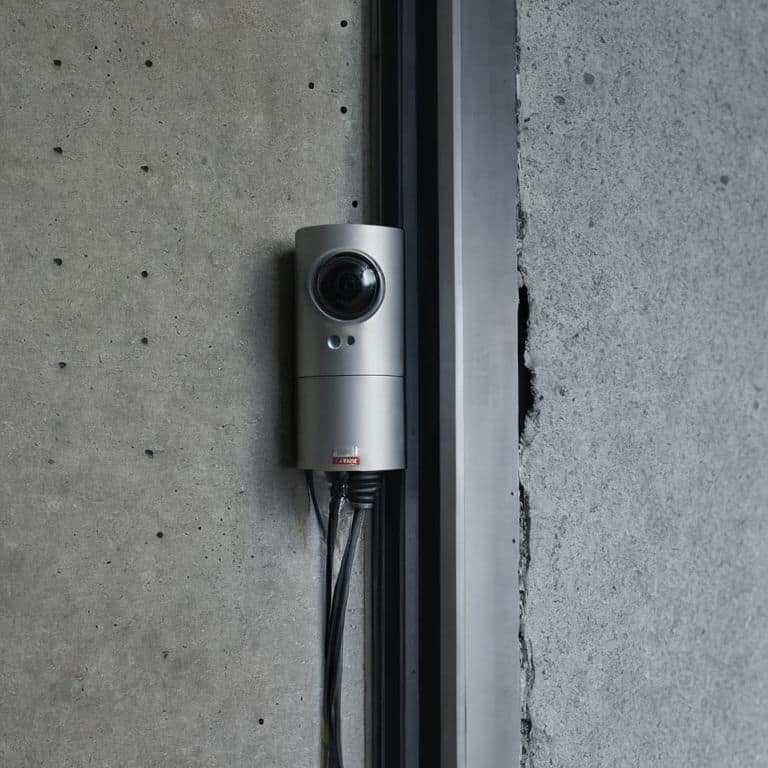
Wired security cameras are defined as _closed-circuit television_ (CCTV) systems that use physical cables to transmit video and audio signals to a monitoring or recording device, with their core mechanism relying on a stable, hardwired connection to ensure reliable data transfer. The main selling point of wired security cameras is their ability to provide a stable and secure connection, reducing the risk of signal interference or hacking. This makes them a popular choice for applications where security is paramount, such as in government institutions or financial organizations.
As someone who’s always fascinated by the potential of technology to transform our lives, I believe that wired security cameras offer a unique combination of _performance and security_. In my experience, the peace of mind that comes with knowing your security system is stable and reliable is invaluable. Whether you’re a business owner looking to protect your assets or a homeowner wanting to keep your family safe, wired security cameras provide a tangible sense of security that’s hard to put a price on. By leveraging the latest advancements in CCTV technology, we can create safer, more secure environments that allow us to thrive.
Wireless Security Cameras
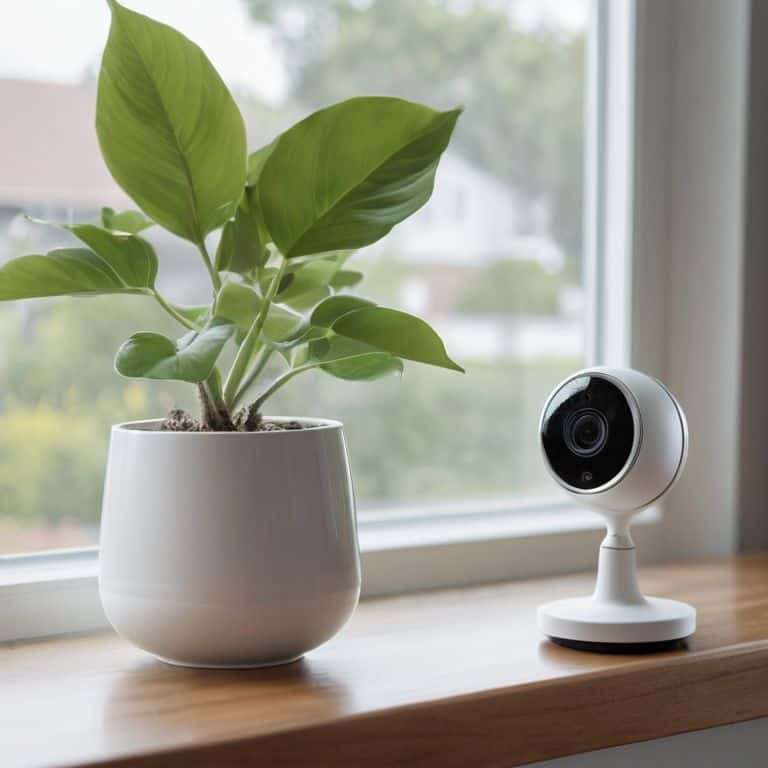
Wireless security cameras, on the other hand, are defined as devices that use wireless communication protocols such as Wi-Fi or Bluetooth to transmit video and audio signals to a monitoring or recording device, with their core mechanism relying on radio waves to facilitate wireless connectivity. The main selling point of wireless security cameras is their ease of installation and flexibility, as they can be easily moved or reconfigured as needed. This makes them a popular choice for applications where convenience and portability are key, such as in residential settings or temporary events.
As a tech futurist, I’m excited about the potential of wireless security cameras to _disrupt traditional security paradigms_ and offer more flexible, cost-effective solutions. In my exploration of virtual reality worlds, I’ve seen firsthand how wireless technology can enable new forms of interaction and immersion. Similarly, wireless security cameras can enable new forms of security and surveillance that are more adaptive and responsive to changing environments. By embracing the latest advancements in wireless technology, we can create more agile and effective security systems that better meet our evolving needs.
Wired vs Wireless Security Cameras: Head-to-Head Comparison
| Feature | Wired Security Cameras | Wireless Security Cameras |
|---|---|---|
| Price | Generally Lower | Generally Higher |
| Installation | More Complex | Less Complex |
| Key Feature | Reliable Connection | Ease of Placement |
| Best For | Large, Fixed Areas | Small, Flexible Spaces |
| Power Supply | Direct Wiring | Battery or USB |
| Data Transmission | Wired Ethernet | Wi-Fi or Bluetooth |
| Security Risk | Less Vulnerable to Hacking | More Vulnerable to Hacking |
Wired vs Wireless Security Cameras
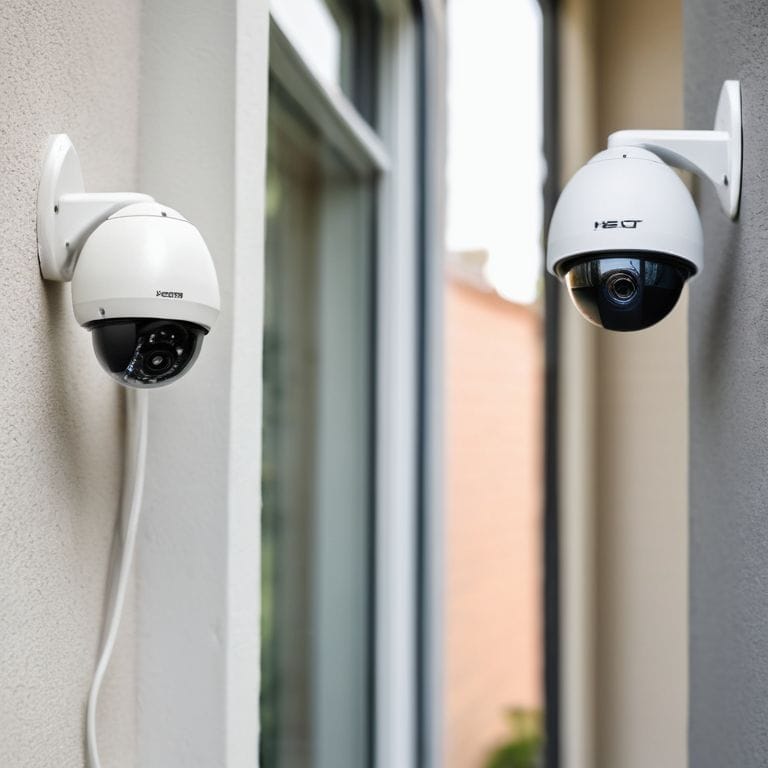
As I delve into the world of security cameras, I’m reminded that the wired vs wireless debate is not just about technical specifications, but about the safety and security of our homes and businesses. The choice between wired and wireless security cameras has significant implications for our daily lives, and it’s essential to consider the pros and cons of each option.
In a head-to-head analysis, wired security cameras offer a reliable connection, reducing the risk of signal interference or hacking. However, they can be more difficult to install, especially in areas with limited accessibility. On the other hand, wireless security cameras provide greater flexibility in terms of placement and installation, but may be more vulnerable to signal disruptions.
When it comes to the practical implications of wired vs wireless security cameras, I would argue that wired cameras have a slight edge in terms of security and reliability. While wireless cameras offer more convenience, the potential risks associated with signal interference and hacking make wired cameras a more attractive option for those prioritizing safe and secure surveillance.
Key Takeaways: Navigating the Wired vs Wireless Security Camera Landscape
As we weigh the pros and cons of wired and wireless security cameras, it’s clear that the choice between them depends heavily on your specific needs, including the layout of your space and your budget.
The future of security cameras is undoubtedly leaning towards wireless, with advancements in battery life and signal strength, but wired cameras still hold their own, especially in terms of reliability and video quality.
Ultimately, whether you opt for wired, wireless, or a combination of both, the most important thing is that your security camera system integrates seamlessly into your smart home setup, providing you with peace of mind and a robust layer of protection.
Embracing the Future of Security
As we navigate the wired vs wireless security camera debate, let’s remember that the true power lies not in the wires or the waves, but in our ability to harness technology for a safer, smarter tomorrow.
Kristin Kell
The Final Verdict: Which Should You Choose?
As I reflect on the comparison between wired and wireless security cameras, it’s clear that both options have their unique strengths and weaknesses. Wired cameras offer reliability and stability, with a consistent power supply and less interference, making them ideal for high-security areas or large-scale installations. On the other hand, wireless cameras provide ease of installation and flexibility, allowing for easier placement and relocation, which is perfect for smaller spaces or temporary setups. The decision ultimately depends on your specific needs and priorities.
After weighing the pros and cons, I’d declare wired security cameras the overall winner for commercial or high-security applications, where reliability and stability are paramount. However, wireless security cameras are better suited for residential or small-scale users, who value ease of use and flexibility. For those who want a balance between both worlds, hybrid models that offer the best of both wired and wireless technologies are also worth considering, as they provide versatility and adaptability in an ever-evolving security landscape.
Frequently Asked Questions
What are the key differences in installation and maintenance between wired and wireless security cameras?
When it comes to installation and maintenance, I’ve found that wired security cameras often require more upfront effort, with drilling and cable management, whereas wireless cameras are generally quicker to set up, but may need more frequent battery replacements and software updates.
How do wired and wireless security cameras compare in terms of video quality and reliability?
When it comes to video quality and reliability, I’ve found that wired security cameras generally offer more stable and higher-resolution footage, while wireless cameras can be more prone to interference and signal loss, affecting overall video clarity.
What are the security risks associated with wireless security cameras, and how can they be mitigated?
As a tech futurist, I’ve delved into the security risks of wireless security cameras, and let’s just say, it’s a wild west out there. Hackers can exploit unsecured networks, compromising your footage and privacy. To mitigate this, ensure your camera’s firmware is updated, use strong passwords, and consider encrypting your footage – it’s a small step towards a safer, more secure tomorrow.