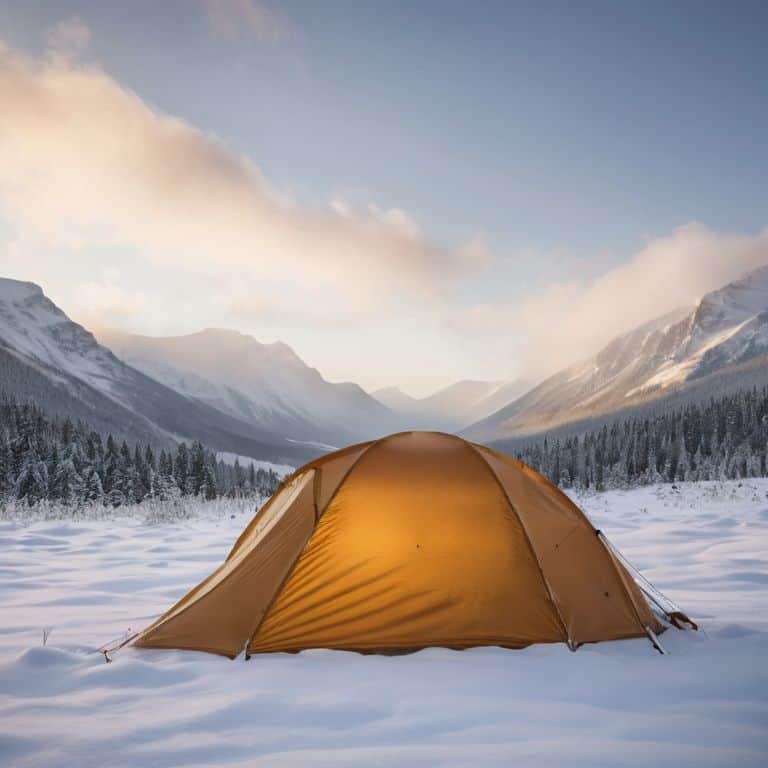
As I sat in my cozy little café, surrounded by the vibrant sketches of my travels and the eclectic collection of teapots that each tell a story of their own, I couldn’t help but think about the countless nights I’ve spent under the stars, snuggled up in a four-season tent. It’s a feeling that never gets old, and one that I believe everyone should experience at least once. But, I’ve learned that choosing the right tent can be a daunting task, especially with all the options available. That’s why I’ve decided to share my expertise and write a guide to choosing a four-season tent that will help you make an informed decision and find the perfect sanctuary for your next adventure.
In this article, I promise to cut through the noise and provide you with honest and practical advice on how to choose a four-season tent that meets your specific needs. I’ll share my personal experiences, from the mistakes I’ve made to the triumphs I’ve had, and provide you with a clear understanding of what to look for when selecting a tent. Whether you’re a seasoned camper or just starting out, my goal is to empower you with the knowledge to make the right choice and enjoy the great outdoors with confidence. So, let’s dive in and explore the world of four-season tents together, shall we?
Table of Contents
- Guide Overview: What You'll Need
- Step-by-Step Instructions
- A Guide to Choosing a Four Season Tent
- Shelter from the Storm: 5 Key Tips for Choosing Your Perfect Four-Season Tent
- Key Takeaways for the Perfect Four-Season Sanctuary
- Embracing the Wilderness
- Embracing the Wilderness with Confidence
- Frequently Asked Questions
Guide Overview: What You'll Need
Total Time: 1 hour 30 minutes
Estimated Cost: $100 – $500
Difficulty Level: Intermediate
Tools Required
- Tape Measure (for measuring tent space)
- Notebook (for comparing features)
- Internet Connection (for researching models)
Supplies & Materials
- Four-Season Tent Models List (for comparing features)
- Tent Fabric Samples (for evaluating durability)
- Rainfly and Stake Samples (for assessing waterproofing and stability)
Step-by-Step Instructions
- 1. First, let’s start with the basics: consider the number of people who will be using the tent, as this will help determine the ideal size and capacity. I’ve learned from my own experiences that a tent that’s too small can be cramped and uncomfortable, while one that’s too large can be heavy and cumbersome to carry. When I’m planning a trip, I like to think about the essentials I need to bring along, and a good tent is always at the top of my list.
- 2. Next, think about the type of terrain you’ll be camping on, as this will affect the type of tent you need. For example, if you’ll be camping on rocky or uneven ground, you’ll want a tent with a freestanding design that can be easily set up and secured. On the other hand, if you’ll be camping on soft or sandy ground, a tent with stake-out points may be more suitable. I’ve had my fair share of struggles with setting up tents in tricky terrain, but with the right design, it can make all the difference.
- 3. Now, let’s talk about weather resistance, which is a crucial factor to consider when choosing a four-season tent. Look for a tent with a waterproof and breathable fabric, such as nylon or polyester, and a fully sealed seam construction to prevent water from seeping in. I’ve been caught in some pretty intense storms while camping, and a good tent has always been my safe haven.
- 4. Another important factor to consider is ventilation, as a well-ventilated tent can help prevent condensation and keep you comfortable during the night. Look for a tent with large windows and doors, as well as mesh panels that allow for airflow and bug protection. I’ve found that a tent with good ventilation can make a big difference in the overall camping experience, and it’s definitely something to consider when choosing a four-season tent.
- 5. In addition to these factors, you’ll also want to consider the weight and packability of the tent, especially if you’ll be carrying it for long distances. Look for a tent with a lightweight and compact design, and consider the stuff sack or carrying bag that comes with it. I’ve learned to appreciate the importance of a lightweight tent, especially when I’m backpacking through the mountains.
- 6. When it comes to setup and ease of use, consider a tent with a simple and intuitive design that can be easily set up by one person. Look for a tent with color-coded clips and poles, as well as clear instructions that make the setup process a breeze. I’ve had my fair share of struggles with complicated tent setups, but a well-designed tent can make all the difference.
- 7. Finally, don’t forget to consider the durability and warranty of the tent, as a good four-season tent can be a significant investment. Look for a tent with a high-quality construction and a reliable warranty that covers defects and repairs. I’ve found that a good tent can last for many years with proper care, and it’s definitely worth considering the long-term value when making your decision.
A Guide to Choosing a Four Season Tent
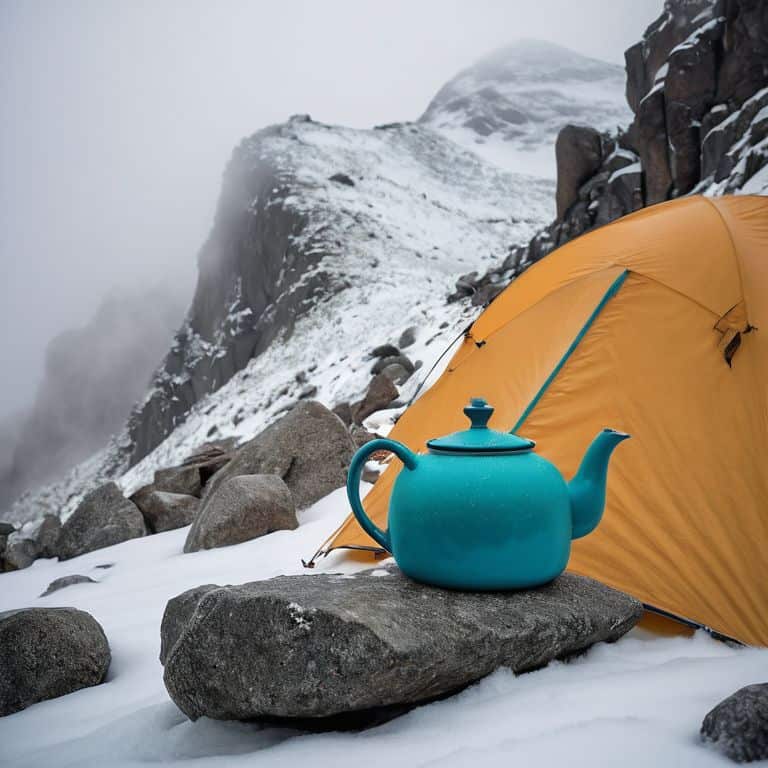
As I sit here, sipping tea from my latest acquisition – a vibrant, turquoise teapot from a small village in Morocco – I’m reminded of the importance of cold weather camping gear when it comes to four-season tents. The right gear can make all the difference between a cozy night’s sleep and a chilly, sleepless one. I recall a particularly brutal snowstorm I weathered in the mountains, where my tent’s snow load capacity was put to the test. It’s experiences like these that have taught me to prioritize durability and waterproofing when selecting a tent.
When it comes to tent fabric waterproofing, I’ve found that a good balance between breathability and water resistance is key. Look for tents with waterproof and breathable membranes, such as Gore-Tex or similar technology. This will help prevent condensation from building up inside the tent, keeping you dry and comfortable. I’ve also learned to appreciate the value of a well-designed mountain tent anchoring system, which can provide peace of mind in windy or icy conditions.
For the more adventurous among us, high_altitude camping tips are essential for a safe and enjoyable experience. Be sure to research the specific challenges and hazards associated with high-altitude camping, such as altitude sickness and extreme weather conditions. And, of course, don’t forget to pack your backpacking tent durability tests – or rather, choose a tent that’s been put through its paces and has come out on top. With the right gear and knowledge, you’ll be well on your way to a successful and exhilarating four-season camping adventure.
Cold Weather Camping Gear Essentials
As I delve into the world of cold weather camping, I’m reminded of my winter escapade in the Japanese Alps, where a warm cup of sake-infused tea from my vibrant, crimson teapot was the perfect antidote to the chilly nights. When it comes to braving the elements, having the right gear is crucial. A four-season tent is just the beginning – it’s essential to pair it with a sleeping bag rated for sub-zero temperatures, a insulated sleeping pad, and a portable stove to melt snow for water.
My urban sketchbook from that trip still brings a smile, filled with doodles of snowflakes and steaming teapots. To stay warm and dry, consider investing in a set of thermal base layers, a down-filled jacket, and waterproof pants. Don’t forget a warm beanie, gloves, and scarf to prevent heat loss – and, of course, a trusty thermos to keep your tea warm under the starry night sky.
Tent Fabric Waterproofing and Snow Load Capacity
As I delve into the world of four-season tents, I’m reminded of my urban sketching adventures in the snowy alleys of Tokyo. The way the fabric of the tents withstands the elements is akin to the vibrant teapots I collect, each with its own unique story. When it comes to tent fabric waterproofing, look for materials with a high waterproof rating, such as nylon or polyester with a waterproof coating. A good four-season tent should also have a snow load capacity that can handle the weight of snowfall, typically measured in pounds per square foot.
I’ve seen some amazing designs in my travels, like the colorful tents in the Himalayas, which inspired a short story about a tea vendor who braved the harshest of winters. A tent with a snow load capacity of at least 20-30 pounds per square foot is recommended for heavy snowfall areas.
Shelter from the Storm: 5 Key Tips for Choosing Your Perfect Four-Season Tent
- Consider the Denier: Understanding Tent Fabric Waterproofing and Durability for Extreme Weather Conditions
- Snow Load Capacity: Why It Matters and How to Choose a Tent That Can Withstand the Weight
- Ventilation is Key: Balancing Warmth and Breathability in Your Four-Season Sanctuary
- Pitch Perfect: Selecting a Tent with a Reliable and Easy-to-Use Pole System for Quick Setup
- Room to Breathe: Factoring in Livable Space and Comfort for You and Your Fellow Adventurers
Key Takeaways for the Perfect Four-Season Sanctuary
As I reflect on my own adventures, I’ve learned that choosing a four-season tent is all about understanding your unique needs and the environment you’ll be in – it’s not just about the tent, but about the experience you want to have
When selecting a tent, don’t underestimate the importance of waterproofing and snow load capacity – a good tent can be the difference between a cozy night’s sleep and a harrowing experience
Ultimately, the right four-season tent is one that balances durability, comfort, and practicality, allowing you to focus on what truly matters: immersing yourself in the beauty of the great outdoors and collecting unforgettable stories along the way
Embracing the Wilderness
A four-season tent is more than just a shelter from the elements – it’s a gateway to the untamed beauty of the world, a promise of adventure, and a reminder that even in the most unpredictable of weather, there’s always a home to come back to.
Julie Wright
Embracing the Wilderness with Confidence
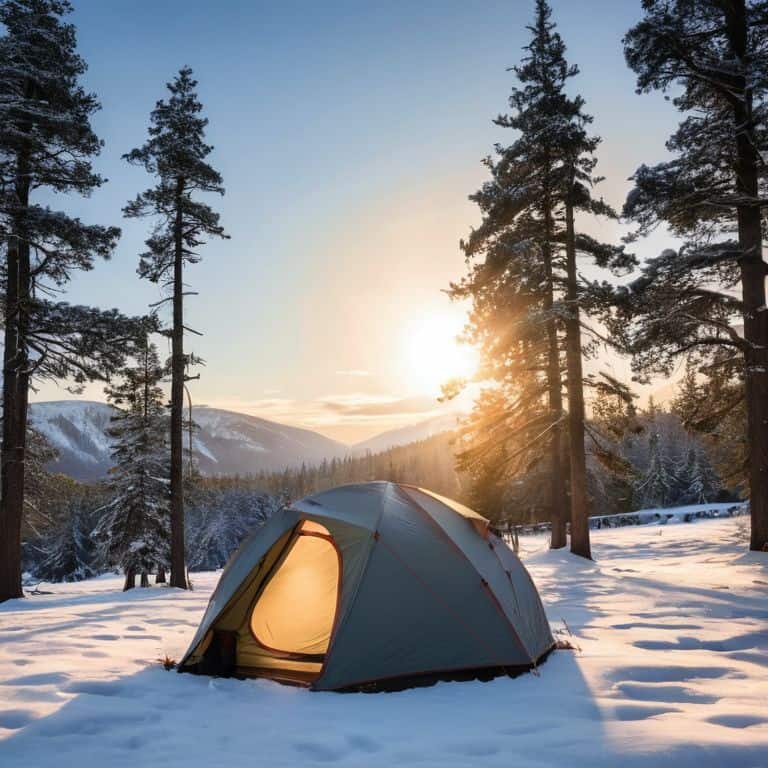
As I reflect on our journey through the world of four-season tents, it’s clear that choosing the right one is a balancing act between durability, waterproofing, and personal preference. We’ve explored the essentials of cold weather camping gear, delved into the importance of tent fabric waterproofing and snow load capacity, and provided a step-by-step guide to making an informed decision. Whether you’re a seasoned adventurer or just starting to explore the great outdoors, remembering these key considerations will help you find a tent that meets your needs and exceeds your expectations.
As you stand at the threshold of your next adventure, remember that the right four-season tent is more than just a piece of equipment – it’s a gateway to unforgettable experiences and a sanctuary from the elements. So, take a deep breath, let the thrill of the unknown guide you, and step into the wilderness with confidence, knowing that your home away from home is ready to withstand whatever nature throws your way.
Frequently Asked Questions
What are the key factors to consider when choosing a four-season tent for high-altitude camping?
When choosing a four-season tent for high-altitude camping, I consider factors like sturdy pole design, waterproof and breathable fabric, and snow load capacity – all crucial for withstanding harsh mountain conditions.
How do I ensure that my four-season tent is properly anchored and secured in windy or icy conditions?
When anchoring my four-season tent in windy or icy conditions, I swear by sturdy stakes and a reliable tie-down system. I also make sure to choose a spot with some natural protection, like a cluster of trees or a snowbank, to buffer the wind. And, of course, a good dollop of experience and instinct doesn’t hurt – I’ve learned to trust my gut when it comes to securing my tent in tough weather.
Are there any specific features or certifications that I should look for in a four-season tent to guarantee its durability and water resistance?
When it comes to durability and water resistance, I always look for tents with a waterproof and breathable membrane, like Gore-Tex or similar technology, and a snow load capacity that can handle the worst of winter storms. Certifications like REI’s or ISO’s standards for waterproofness and durability are also a great indicator of a tent’s quality.