As I sit in my Emily Dickinson room, surrounded by vintage teapots and the warm glow of afternoon sunlight, I am reminded of the countless hours I’ve spent pondering the perfect outdoor sanctuary. My journey to create a serene and inviting space led me to explore the world of decking, and I soon found myself entangled in the debate between wood and composite materials. A guide to choosing between wood and composite decking can be overwhelming, with each side presenting its own set of advantages and disadvantages. However, I’ve come to realize that the decision ultimately boils down to understanding the unique character of your home and the story you want to tell.
In this article, I promise to share my honest and practical advice on how to navigate the world of decking, helping you to make an informed decision that suits your lifestyle and aesthetic. You’ll learn how to weigh the pros and cons of wood’s warm embrace against composite’s timeless charm, and discover the key factors to consider when choosing the perfect material for your outdoor haven. By the end of this guide to choosing between wood and composite decking, you’ll be equipped with the knowledge and inspiration to create a beautiful and functional space that reflects your personal story and becomes a seamless extension of your home.
Table of Contents
- Guide Overview: What You'll Need
- Step-by-Step Instructions
- A Guide to Choosing Between Wood and Composite Decking
- Uncovering the Secrets Decking Material Comparison Chart and Low Maintenanc
- Weaving a Tale of Two Decks Wood vs Composite
- 5 Enchanted Tips to Guide You Through the Realm of Wood and Composite Decking
- Embracing the Essence of Your Outdoor Oasis: 3 Key Takeaways
- Echoes of Wisdom
- Embracing the Perfect Blend
- Frequently Asked Questions
Guide Overview: What You'll Need

Total Time: several hours to several days
Estimated Cost: $3 to $15 per linear foot
Difficulty Level: Intermediate
Tools Required
- Tape measure (for accurate measurements)
- Square (for ensuring deck frame is square)
- Drill (with screwdriver and drill bits)
- Impact driver (for driving screws)
- Circular saw (for cutting lumber)
- Safety glasses (for protecting eyes from debris)
Supplies & Materials
- 2-in x 6-in lumber (for deck frame)
- Wood decking boards (for traditional wood deck)
- Composite decking boards (for composite deck)
- Deck screws (for securing decking boards)
- Post anchor kits (for securing deck posts)
- Concrete footings (for supporting deck posts)
Step-by-Step Instructions
- 1. First, let’s start by evaluating our lifestyle and how we plan to use our deck, as this will play a significant role in deciding between wood and composite decking. Consider the amount of time you’ll spend on the deck, the number of people it will need to accommodate, and the types of activities you’ll be doing, such as dining, lounging, or entertaining. This will help you determine the durability requirements of your deck.
- 2. Next, we need to assess our budget and determine how much we’re willing to spend on the initial investment, as well as ongoing maintenance costs. Wood decking can be more affordable upfront, but it may require more maintenance over time, while composite decking is often more expensive initially, but it’s known for its low-maintenance benefits. Consider not only the cost of the materials but also the cost of installation, repairs, and maintenance.
- 3. Now, let’s explore the aesthetic options available for both wood and composite decking. Wood decking comes in a variety of natural colors and textures, and it can be stained or sealed to enhance its appearance. Composite decking, on the other hand, is often designed to mimic the look of wood, but it can also come in a range of other colors and styles. Consider the color palette of your home’s exterior and the style of your outdoor space when making your decision.
- 4. It’s also important to consider the environmental impact of our decking choice. Wood decking is a natural, renewable resource, but it may be treated with chemicals or harvested from unsustainable sources. Composite decking, on the other hand, is often made from recycled materials, but it can be more difficult to recycle at the end of its life cycle. Look for eco-friendly options that align with your values and priorities.
- 5. Once we’ve narrowed down our options, it’s time to investigate the specific products available on the market. Research different types of wood decking, such as pressure-treated pine or cedar, and compare them to various composite decking brands. Read reviews, ask for referrals, and weigh the pros and cons of each option to determine which one best meets your needs and budget.
- 6. Before making a final decision, let’s evaluate the installation process for both wood and composite decking. Wood decking can be more labor-intensive to install, especially if you’re building a complex deck design. Composite decking, on the other hand, is often designed with easy installation in mind, but it may still require specialized tools and expertise. Consider hiring a professional contractor if you’re not comfortable with the installation process yourself.
- 7. Finally, let’s think about the long-term benefits of our decking choice. Wood decking can last for decades with proper maintenance, but it may require periodic staining or sealing to protect it from the elements. Composite decking, on the other hand, is often backed by a long-term warranty and can withstand harsh weather conditions with minimal upkeep. Consider the resale value of your home and how your decking choice may impact its appeal to potential buyers.
A Guide to Choosing Between Wood and Composite Decking
As I sit in my cozy little nook, named after the beloved Elizabeth Bennet from Jane Austen’s Pride and Prejudice, I find myself pondering the intricacies of outdoor living. When it comes to decking, the age-old debate between wood and composite materials continues to spark interesting discussions. To make an informed decision, it’s essential to consider factors like low maintenance decking options and the overall aesthetic you wish to achieve.
In my experience, a well-designed deck can elevate the entire ambiance of a home, much like a beautifully crafted vintage teapot can add a touch of warmth to a room. For those who value durability, a decking material comparison chart can be a valuable resource, helping to weigh the pros and cons of each option.
As a home stylist, I always encourage my clients to think about the eco friendly decking alternatives available, as they can significantly impact the environmental footprint of their outdoor space. By considering these factors and exploring various composite decking brands, homeowners can create an enchanting outdoor oasis that reflects their personal style and values.
Uncovering the Secrets Decking Material Comparison Chart and Low Maintenanc
As I sit in my “Elizabeth Bennet” morning room, surrounded by vintage teapots and the warm glow of natural light, I ponder the intricacies of decking materials. To simplify the decision-making process, I’ve curated a comparison chart that highlights the unique characteristics of wood and composite decking. This handy guide allows you to weigh the pros and cons of each option, from durability and cost to maintenance and aesthetic appeal.
For those seeking a low-maintenance oasis, composite decking emerges as a compelling choice. With its resistance to rot, mold, and insect damage, this material ensures a carefree outdoor living experience. Meanwhile, wood decking, with its natural beauty and charm, can be made more low-maintenance with regular sealing and protection. By considering these factors, you’ll be well on your way to creating an enchanting outdoor space that whispers stories of its own.
Weaving a Tale of Two Decks Wood vs Composite
As I sit in my “Heathcliff” study, surrounded by vintage teapots and the warmth of rich wood tones, I ponder the essence of a deck that feels like an extension of one’s home. Wood decking, with its natural beauty and timeless charm, whispers stories of lazy summer afternoons and cozy gatherings. Its warm, earthy scent and gentle creaks underfoot evoke a sense of nostalgia, transporting me to memories of my grandmother’s old Victorian house, where love and laughter filled every room.
In contrast, composite decking stands as a testament to modern innovation, offering a durable and low-maintenance alternative. Its sleek, sophisticated lines and versatile color palette make it an attractive choice for those seeking a hassle-free outdoor oasis. As I weigh the merits of each, I’m reminded that the choice between wood and composite ultimately depends on the unique tale you wish to tell with your deck – one of rustic warmth or polished elegance.
5 Enchanted Tips to Guide You Through the Realm of Wood and Composite Decking
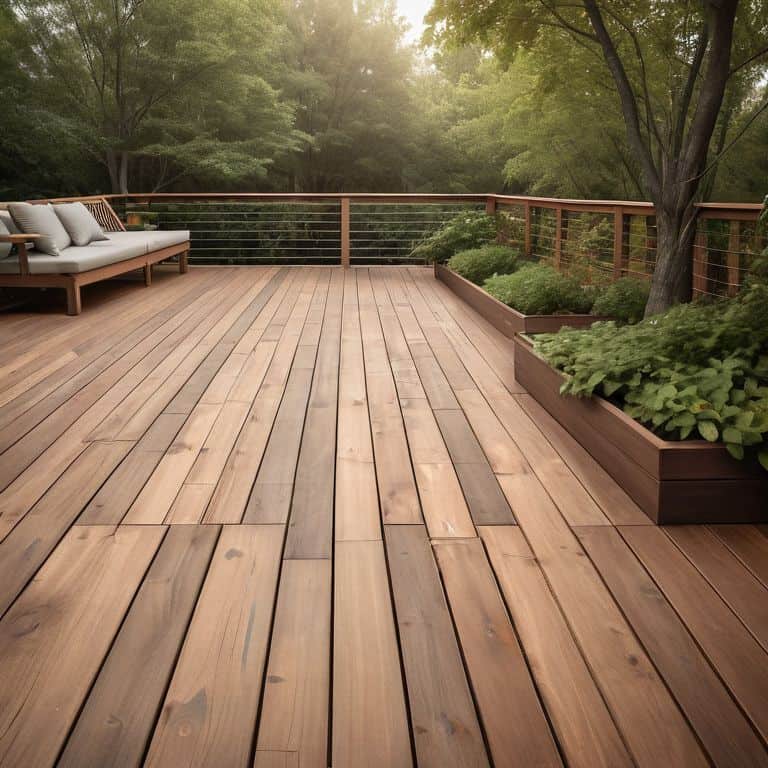
- Listen to the Whispers of Your Lifestyle: Consider how you plan to use your deck, and let that dictate your choice between wood’s warm, organic feel and composite’s durable, low-maintenance charm
- Unravel the Mystique of Budget and Durability: Weigh the initial costs against the long-term benefits, and ponder whether wood’s timeless beauty or composite’s resistance to fading and scratches aligns with your priorities
- Embark on a Sensory Journey: Touch, see, and smell the difference between wood and composite decking to decide which one resonates with your senses and the story you want your outdoor space to tell
- Conjure the Magic of Color and Texture: Explore the vast palette of options available for both wood and composite decking, and imagine how the hues and patterns will dance in harmony with your home’s exterior and the surrounding landscape
- Invoke the Spirit of Sustainability: Consider the eco-friendly aspects of your decking choice, and whether the natural, renewable resources of wood or the recyclable materials used in composite decking better reflect your values and connection to the environment
Embracing the Essence of Your Outdoor Oasis: 3 Key Takeaways
As you embark on the whimsical journey of choosing between wood and composite decking, remember that the warmth and character of wood can add a touch of nostalgia to your outdoor space, while the durability and low maintenance of composite can ensure your deck remains a serene retreat for years to come.
Uncover the secrets of decking materials by comparing their unique qualities, from the natural beauty of wood to the innovative designs of composite, and discover how a thoughtful selection can transform your deck into a seamless extension of your home’s personality.
By weaving together the tales of these two deck darlings, you’ll find that the true magic lies not in the material itself, but in the way it makes you feel – so let your heart guide your decision, and your deck will become a living, breathing reflection of your love for the outdoors, a place where wonder and tranquility entwine like the tender shoots of a vintage rose.
Echoes of Wisdom
As we navigate the enchanting world of decking, remember that the choice between wood and composite is not just about durability, but about the story you want your outdoor sanctuary to tell – one of warm, organic elegance or of sleek, modern sophistication.
Margaret Silva
Embracing the Perfect Blend
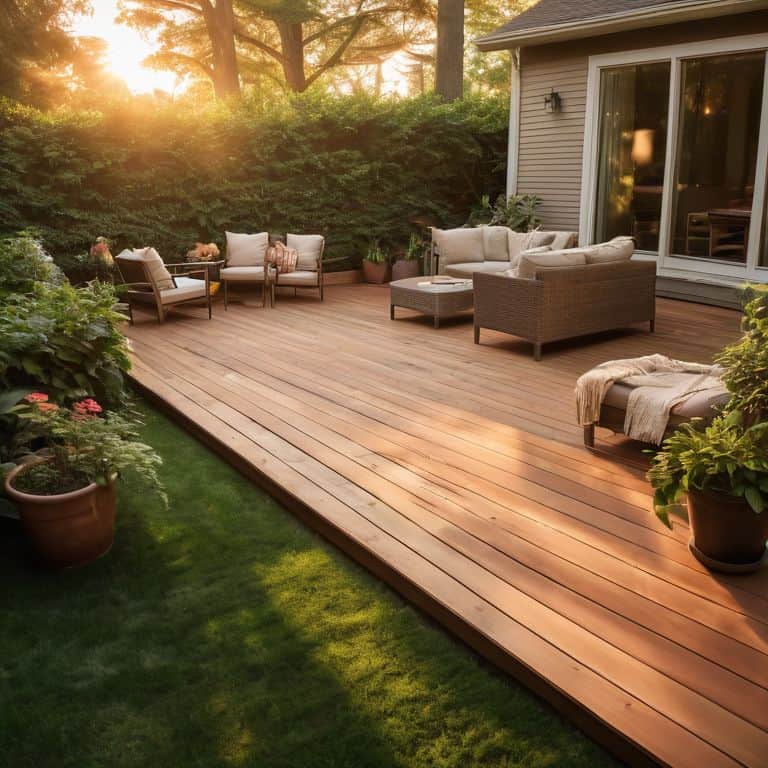
As we conclude our whimsical journey through the realm of wood and composite decking, let’s reflect on the key takeaways that will guide your decision. We’ve unraveled the tale of two deck darlings, weighing the pros and cons of each, from the warm, natural charm of wood to the durable, low-maintenance allure of composite. By considering factors such as budget, lifestyle, and personal preference, you’ll be well on your way to creating an outdoor oasis that whispers sweet nothings to your soul.
Now, as you stand at the threshold of this new chapter in your home’s story, remember that the true magic lies not in the decking material itself, but in the memories you’ll weave into every plank and beam. So go ahead, take a deep breath, and let the transformation begin. As you step into your newly crafted outdoor haven, may it become a sanctuary that inspires laughter, sparks imagination, and wraps you in the warmth of countless moments to treasure.
Frequently Asked Questions
What are the most significant environmental impacts to consider when deciding between wood and composite decking?
As I sit in my “Heathcliff” study, surrounded by vintage teapots, I ponder the eco-footprint of our decking choices. When weighing wood and composite, consider the sourcing of wood, potential deforestation, and the composite’s recycled materials and end-of-life recyclability, to ensure your outdoor oasis doesn’t harm the environment.
How do I determine the best decking material for my specific climate and weather conditions?
To find the perfect decking material for your climate, consider the local weather conditions. If you live in an area with high rainfall, composite decking might be the best choice, as it’s more resistant to rot and moisture. For sunny spots, wood decking can add a warm, inviting touch, but be sure to choose a durable wood species like teak or cedar.
Can composite decking be refinished or resurfaced if it becomes damaged or outdated over time?
While composite decking is incredibly durable, it can be a bit more challenging to refinish or resurface than its wooden counterpart. However, many manufacturers now offer refresh or resurface options, allowing you to breathe new life into your deck without a full replacement, which is just as delightful as discovering a new vintage teapot to add to my collection.