As I sit amidst my collection of vintage botanical illustrations, surrounded by threads of every color and fabric scraps that tell stories of their own, I’m reminded of the myth that repairing our own clothes is a tedious, time-consuming chore. But what if I told you that learning how to repair your own clothes can be a therapeutic escape, a way to reconnect with the natural world and the stories of the people who made our garments? For me, it all started with a worn-out denim jacket, passed down from my mother, which I meticulously mended with love and care, turning it into a unique piece of art that holds memories of its own.
In this article, I promise to share with you the practical wisdom of transforming your relationship with your wardrobe, one stitch at a time. You’ll learn how to breathe new life into your favorite pieces, reducing waste and creating a more sustainable approach to fashion. From the basics of mending tears to the art of repurposing old fabrics, I’ll guide you through the process of how to repair your own clothes, making it accessible, enjoyable, and rewarding. So, let’s embark on this journey together, and discover the joy of giving our clothes a second chance at a beautiful life.
Table of Contents
- Guide Overview: What You'll Need
- Step-by-Step Instructions
- Mending With Love How to Repair Your Own Clothes
- Essential Hand Stitching for a Sustainable Wardrobe
- Unlocking Visible Mending Techniques for Beginners
- Weaving Wisdom: 5 Timeless Tips to Revitalize Your Wardrobe
- Weaving a Sustainable Wardrobe: 3 Key Takeaways
- Stitching Together Sustainability
- Weaving a Sustainable Future, One Stitch at a Time
- Frequently Asked Questions
Guide Overview: What You'll Need
Total Time: 1 hour 15 minutes
Estimated Cost: $10 – $30
Difficulty Level: Easy
Tools Required
- Sewing Machine (optional)
- Needle (sharp)
- Scissors (sharp)
- Thimble (recommended)
- Measuring Tape (for measuring 6 inches or more)
Supplies & Materials
- Thread (matching the fabric color)
- Fabric Glue (for minor repairs)
- Patches (for large tears, available in various sizes, e.g., 2 inches x 2 inches)
- Interfacing (for stabilizing fabric, available in various sizes, e.g., 6 inches x 6 inches)
Step-by-Step Instructions
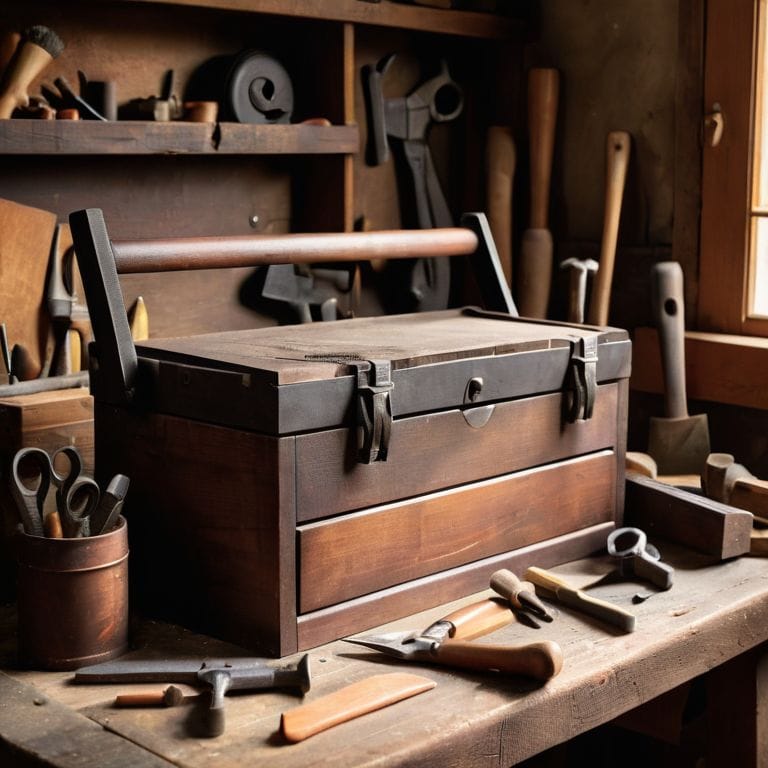
- 1. First, let’s start by gathering our tools and materials, shall we? We’ll need a few basic supplies like a needle, thread, scissors, and a sewing kit to get us started on our journey to breathing new life into our favorite clothes. I like to keep all my sewing essentials in a beautiful, vintage wooden box that I found at a thrift store, which adds a touch of whimsy to my mending process.
- 2. Next, we need to sort out the clothes that are in need of repair. Take out those worn-out jeans, the sweater with the loose button, or the dress with the torn seam. Let’s make a pile of all the items that need a little TLC, and then prioritize them based on how much we love wearing them and how often we reach for them in our wardrobe. This step is all about reconnecting with our clothes and remembering the memories we’ve made while wearing them.
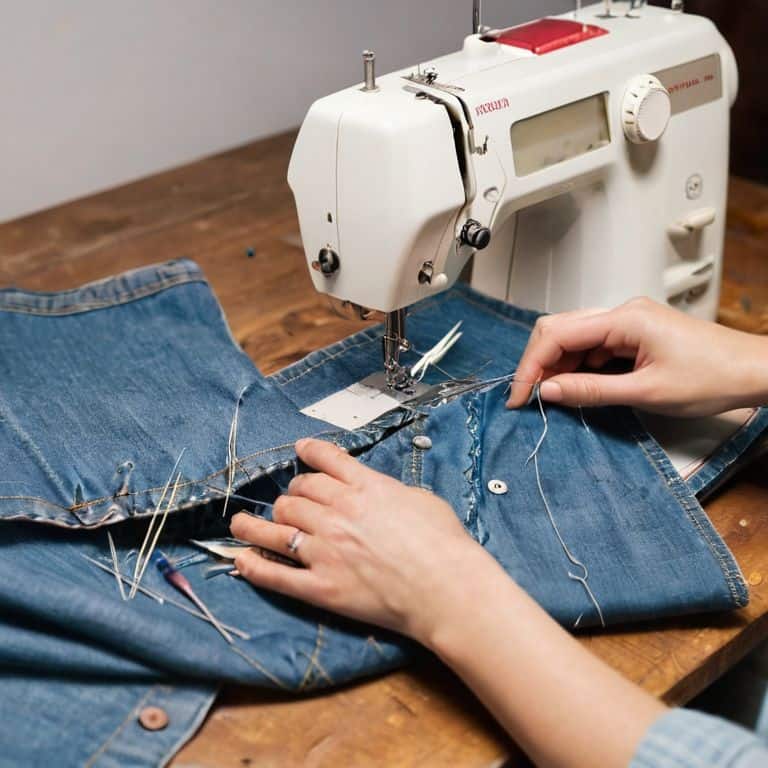
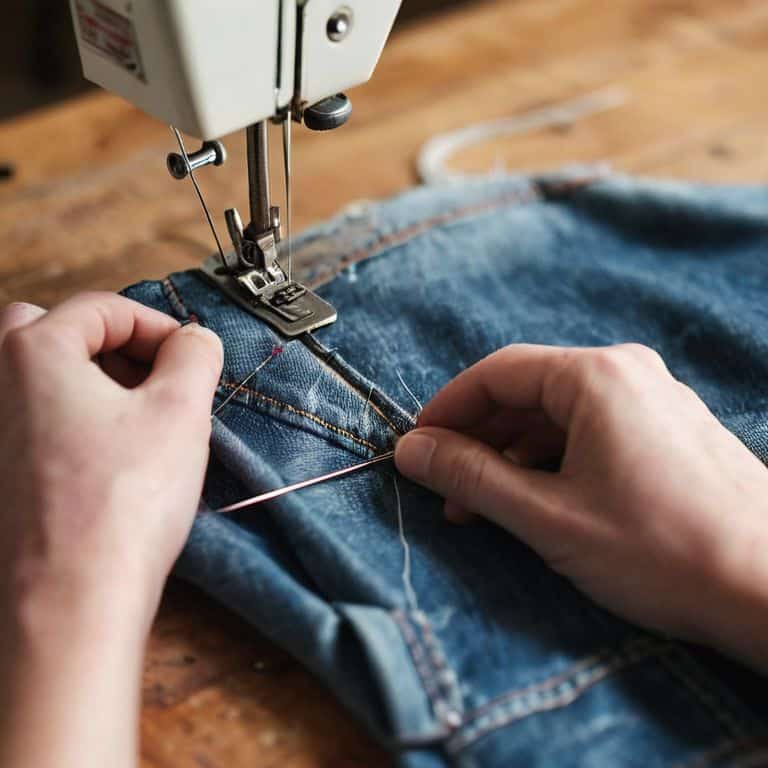
- 3. Now, let’s dive into the world of visible mending, a technique that not only fixes our clothes but also tells a story of its own. For a torn seam, we’ll start by turning the garment inside out and pinning the seam together to ensure it’s aligned properly. Then, using a simple running stitch, we’ll weave the thread in and out of the fabric, creating a beautiful, noticeable repair that becomes a part of the garment’s history.
- 4. Moving on to buttons and fasteners, we’ll learn how to securely attach a new button or replace a broken zipper. For a button, we’ll thread our needle and tie a knot at the end of the thread to prevent it from pulling through the fabric. Then, we’ll sew the button on, making sure it’s securely fastened with a few tight stitches. This is a great opportunity to get creative with vintage buttons or unique fasteners that add a touch of personality to our clothes.
- 5. Sometimes, our clothes may need a bit more than just a repair; they might need a refresh. This is where the magic of upcycling comes in. Let’s take an old t-shirt, for example, and turn it into a reusable bag or a quilt patch. We’ll start by cutting the t-shirt into usable pieces, then sew them together with other fabric scraps to create something entirely new and sustainable.
- 6. As we work on repairing and upcycling our clothes, let’s not forget about the art of patience. Mending is a process that requires time and dedication, but it’s also incredibly rewarding. Each stitch we make is a testament to our commitment to reducing waste and living more sustainably. So, let’s take our time, enjoy the journey, and remember that every garment we save is a small victory for the planet.
- 7. Finally, once we’ve completed our repairs and upcycles, it’s time to care for our newly revamped wardrobe. This means washing our clothes in cold water, hanging them to dry, and avoiding the use of harsh chemicals that can damage the fabric. By adopting these simple care practices, we can extend the life of our clothes even further and continue to reduce our environmental footprint, one outfit at a time.
Mending With Love How to Repair Your Own Clothes
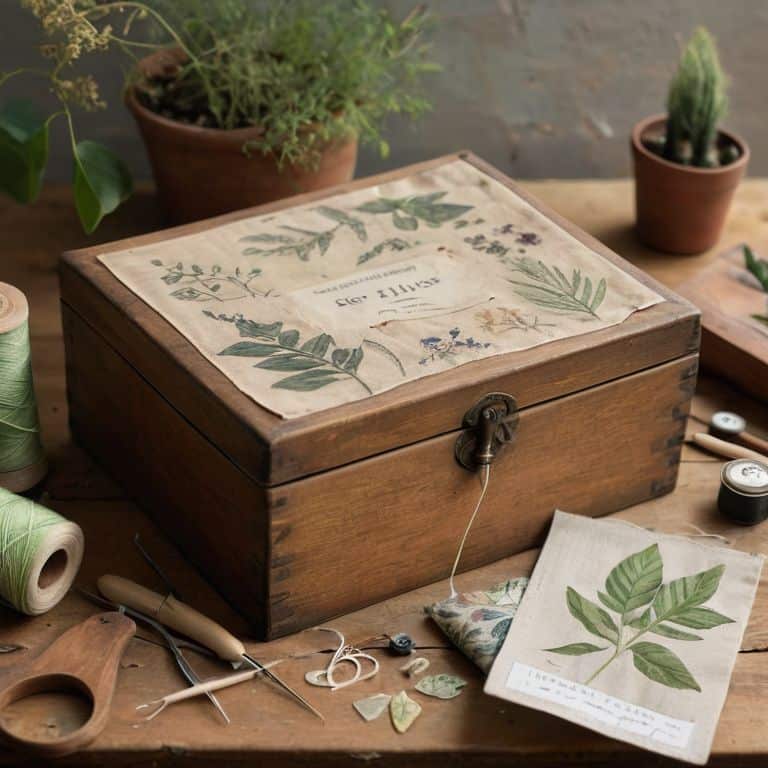
As I sit amidst my vintage botanical illustrations, surrounded by the soothing hues of nature, I find myself pondering the beauty of visible mending techniques. There’s something therapeutic about weaving a narrative of sustainability into every stitch, don’t you think? By embracing sustainable fashion practices, we not only reduce waste but also breathe new life into our cherished garments. My basic sewing kit essentials, neatly organized in a wooden box adorned with a handmade botanical label, are always within reach, ready to inspire my next creative fix.
When it comes to avoiding common clothing repair mistakes, I’ve learned that patience and attention to detail are key. It’s essential to take your time, especially when attempting hand stitching for beginners. I recall my first attempts at mending, where uneven stitches and loose threads were a testament to my inexperience. However, with practice, I’ve developed a keen eye for the intricacies of stitching, and my repairs have become nearly seamless.
As I delve into the world of upcycling old clothes ideas, I’m constantly amazed by the potential hidden within every worn-out garment. By transforming discarded fabrics into unique, eco-friendly pieces, we not only reduce waste but also reimagine the possibilities of sustainable fashion. With every stitch, I feel a sense of connection to the natural world, and my passion for promoting a greener lifestyle only grows stronger.
Essential Hand Stitching for a Sustainable Wardrobe
As I sit amidst my collection of vintage botanical illustrations, I find inspiration in the delicate lines and curves of the natural world. This same elegance can be woven into our clothing through essential hand stitching techniques. By mastering a few simple stitches, we can extend the life of our garments and reduce waste. The running stitch, for instance, is a great starting point – it’s as straightforward as drawing a line through the fabric with your thread.
With each stitch, I feel a sense of connection to the earthy elegance that surrounds me. The gentle rhythm of needle and thread is meditative, allowing me to slow down and appreciate the beauty in sustainable living. As I work, I envision the stories of my marine biologist parents, who taught me to cherish the intricate details of nature. These hand stitching techniques not only mend our clothes but also foster a deeper appreciation for the world around us.
Unlocking Visible Mending Techniques for Beginners
As I sit amidst my collection of vintage botanical illustrations, I find inspiration in the intricate details and delicate patterns. Similarly, visible mending techniques can add a touch of elegance to our repaired clothes. For beginners, it’s essential to start with simple stitches like the running stitch or the whipstitch. These stitches can be used to repair small tears or reinforce seams, and with a little practice, can become a beautiful, visible part of the garment’s story. I like to think of it as weaving a narrative of sustainability into every thread.
Weaving Wisdom: 5 Timeless Tips to Revitalize Your Wardrobe
- Start with the basics: invest in a few essential tools like a sewing kit, scissors, and a needle threader to make your mending journey a breeze
- Get creative with fabric scraps: transform old clothes into unique patches, quilts, or even stuffed animals to reduce waste and add a personal touch
- Master the art of invisible mending: use matching threads and subtle stitches to seamlessly repair tears and extend the life of your favorite garments
- Don’t be afraid to experiment with natural dyes: give new life to faded clothes by using plant-based dyes like turmeric, indigo, or pomegranate to create unique, earthy hues
- Make it a ritual: set aside a cozy evening each week to mend, repair, and reconnect with your clothes, surrounded by soothing music, herbal tea, and the gentle hum of your sewing machine
Weaving a Sustainable Wardrobe: 3 Key Takeaways
By embracing visible mending techniques, we can breathe new life into our favorite garments, reducing waste and cultivating a deeper connection to the clothes we wear
Mastering essential hand stitching skills can empower us to repair and revitalize our wardrobe, making sustainable fashion accessible and beautiful
Through the simple act of mending, we can unlock a more mindful approach to consumption, one that honors the stories and memories woven into every thread and stitch of our clothing
Stitching Together Sustainability
As we weave threads of repair into the fabric of our lives, we not only extend the life of our clothes, but also nurture a deeper connection to the stories they tell and the earth that sustains us.
Harper Willow
Weaving a Sustainable Future, One Stitch at a Time
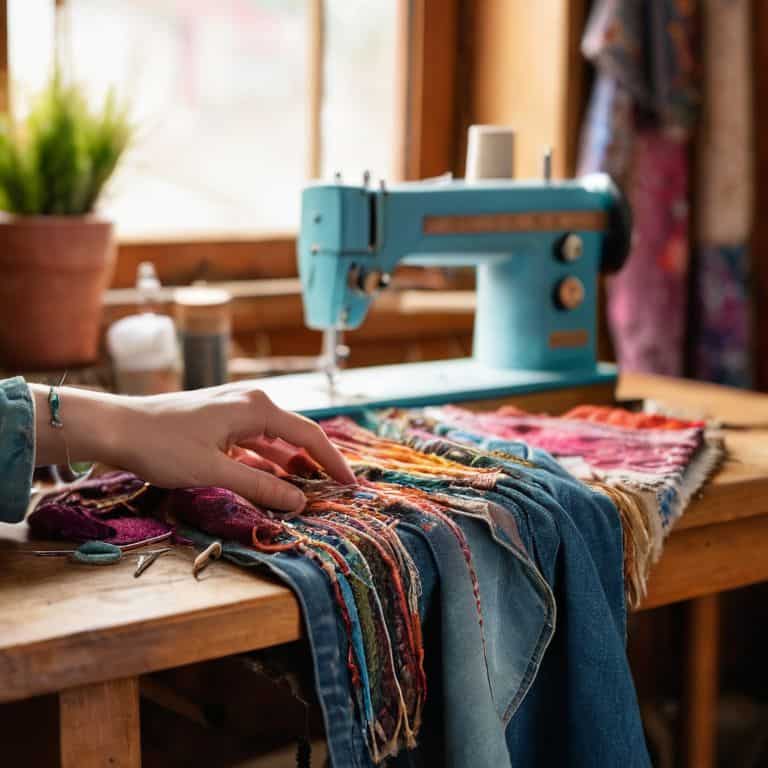
As we conclude our journey through the world of clothing repair, let’s take a moment to reflect on the essential skills we’ve acquired along the way. From visible mending techniques to the art of hand stitching, we’ve discovered that repairing our own clothes is not only a practical way to reduce waste, but also a therapeutic outlet for creativity and self-expression. By embracing this mindful approach to fashion, we can breathe new life into our favorite garments and develop a deeper appreciation for the stories they tell.
As we move forward, remember that every stitch is a testament to our commitment to sustainable living. Let us continue to weave a narrative of eco-consciousness, one that celebrates the beauty of imperfection and the joy of creation. By doing so, we’ll not only be mending our clothes, but also repairing our relationship with the planet, one thread at a time.
Frequently Asked Questions
What are some creative ways to repurpose or upcycle old clothes that are beyond repair?
I adore giving old clothes a new lease on life. Try transforming worn-out tees into reusable bags, turning faded jeans into quirky quilts, or upcycling old sweaters into cozy stuffed animals. You can also repurpose fabric scraps into unique accessories, like hair ties or brooches, adding a touch of whimsy to your everyday look.
How can I prevent common garment damages, such as missing buttons or torn seams, to reduce the need for frequent repairs?
To prevent common garment damages, I swear by a few simple habits: regularly checking for loose threads, storing clothes in a way that prevents creasing, and being mindful of button strain. A little TLC can go a long way in extending the life of our favorite pieces, don’t you think?
Are there any eco-friendly fabric dyes or treatments that I can use to refresh or restore the color of my faded clothes?
I’m a huge fan of natural dyes like indigo, turmeric, and pomegranate. You can also try plant-based dye alternatives or eco-friendly dye kits. For a quick refresh, consider a vinegar and water soak or a spot treatment with a natural dye concentrate. These gentle methods will breathe new life into your faded favorites while keeping your wardrobe sustainable and stylish.