As I sit amidst my urban jungle, surrounded by vintage botanical illustrations and the gentle hum of my indoor herb garden, I’m reminded of the common misconception that composting is a tedious, messy affair – a notion that’s far from the truth. In reality, embracing a guide to composting for beginners is an empowering step towards reducing waste and cultivating a deeper connection with nature. I’ve found that the process of turning kitchen scraps into nutrient-rich soil is not only therapeutic, but also a powerful way to reclaim our role as stewards of the earth.
In this article, I invite you to join me on a journey to demystify the world of composting, as we explore the practical tips and honest advice that will get you started on your path to sustainable living. You can expect to learn how to create a thriving compost system, even in the smallest of spaces, and discover the simple joys of watching your waste transform into a valuable resource. Whether you’re a seasoned gardener or a curious beginner, this guide to composting for beginners will provide you with the inspiration and know-how to turn your kitchen scraps into a vibrant, eco-friendly haven.
Table of Contents
- Guide Overview: What You'll Need
- Step-by-Step Instructions
- A Guide to Composting for Beginners
- Natures Nursery Best Compost Bin Materials for Beginners
- Whispers From the Earth Composting at Home Tips
- Earthly Essentials: 5 Whimsical Tips for Beginner Composters
- Earthly Essentials: 3 Key Takeaways for Beginner Composters
- Sowing the Seeds of Sustainability
- Embracing the Cycle of Life: A Conclusion to Composting for Beginners
- Frequently Asked Questions
Guide Overview: What You'll Need
Total Time: 1 hour 30 minutes to 2 hours 30 minutes
Estimated Cost: $20 – $100
Difficulty Level: Easy
Tools Required
- Shovel (for turning and aerating compost)
- Gardening gloves (for handling materials)
- Watering can or hose (for maintaining moisture)
- Pitchfork (for mixing and aerating compost)
- Measuring tape (for measuring bin size)
- Saw (for cutting 2-in x 6-in lumber for bin construction)
Supplies & Materials
- Compost bin (can be purchased or made from 2-in x 6-in lumber)
- Brown materials (dried leaves, straw, shredded newspaper) (for carbon-rich ingredients)
- Green materials (food scraps, grass clippings, manure) (for nitrogen-rich ingredients)
- Soil or finished compost (for adding microorganisms)
- Water (for maintaining moisture levels)
Step-by-Step Instructions
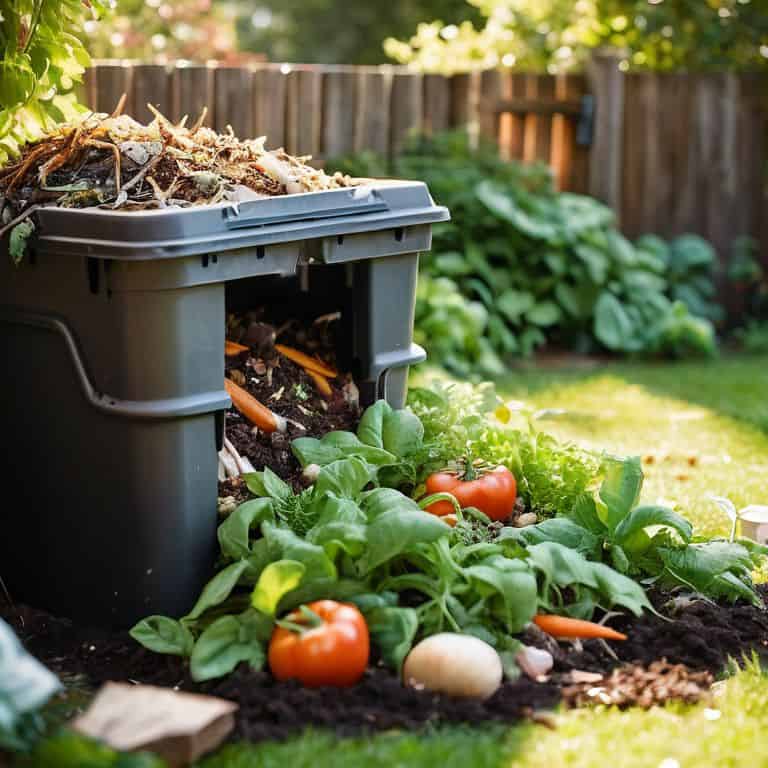
- 1. First, let’s start by setting up our composting space – this can be as simple as designating a corner of your backyard or even a spot on your balcony for a compact composting bin. I like to think of it as creating a little nourishment nest for our earthy endeavors. Make sure it’s easily accessible and out of direct sunlight to maintain a consistent temperature.
- 2. Next, we need to gather our materials – and by materials, I mean all the wonderful, organic scraps we’d normally toss in the trash. This includes fruit and vegetable peels, tea bags, coffee grounds, and even eggshells. The key is to aim for a mix of green materials (like food scraps and grass clippings) and brown materials (such as dried leaves and shredded newspaper) to create a balanced compost pile.
- 3. Now, let’s talk about the layering process – this is where the magic happens, and our compost starts to take shape. Begin with a 4-6 inch layer of brown materials at the bottom of your compost bin, followed by a layer of green materials. Repeat this process, ending with a layer of brown materials on top to help retain heat and suppress any odors.
- 4. As we continue to add to our compost pile, it’s essential to maintain moisture levels – we’re aiming for a consistency similar to a damp sponge. Too much water can lead to anaerobic conditions, causing unpleasant odors and slowing down the decomposition process. On the other hand, too little water can result in a slow breakdown of materials.
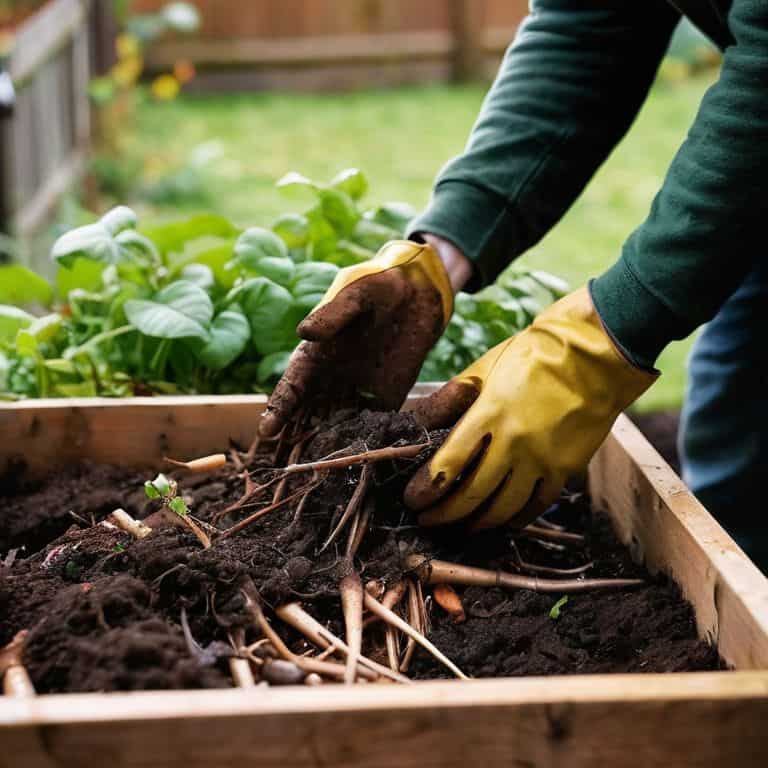
- 5. Every week or two, take some time to turn your compost pile – this helps aerate the materials, speeds up the decomposition process, and prevents matting. I like to think of it as giving my compost a little workout, ensuring everything gets mixed and matched for optimal results. Use a pitchfork or shovel to gently turn the materials, taking care not to compact them too much.
- 6. As our compost progresses, we’ll start to notice it becoming more earth-like in texture and aroma – a beautiful, rich soil that’s teeming with life. This is when we know our hard work is paying off, and we’re creating a nutrient-dense natural fertilizer for our gardens. To check if our compost is ready, we can perform the squeeze test: if it holds its shape when squeezed but crumbles easily when touched, it’s ready to use.
- 7. Finally, let’s not forget the importance of patience – composting is a process that takes time, and it’s essential to be gentle with ourselves and our compost piles. Avoid overloading your bin, and don’t worry if things don’t happen overnight. With a little love and care, our compost will be ready to nourish our plants and bring new life to our gardens in no time.
A Guide to Composting for Beginners
As I delve into the world of composting, I’ve discovered that composting at home tips can make all the difference in creating a thriving compost pile. One of my favorite tips is to layer it up, starting with a base of brown materials like dried leaves or twigs, followed by a layer of green materials like food scraps or grass clippings. This simple technique helps maintain a balanced ecosystem, ensuring that your compost pile stays healthy and productive.
When it comes to choosing the right compost bin, I’ve found that best compost bin materials can vary depending on your personal preferences and needs. From wooden pallets to plastic bins, the options are endless. However, I’ve had great success with vermicomposting, which involves using worms to break down food scraps. Vermicomposting for beginners can seem intimidating, but with the right guidance, it can be a fun and rewarding experience.
To keep your compost pile thriving, regular compost pile maintenance is essential. This includes turning the pile regularly, adding new materials, and monitoring the moisture levels. By following these simple steps, you’ll be well on your way to creating a nutrient-rich compost that’s perfect for using compost in organic gardening. And, as an added bonus, you can even use your compost to make compost tea, a liquid gold that’s packed with beneficial microbes and nutrients.
Natures Nursery Best Compost Bin Materials for Beginners
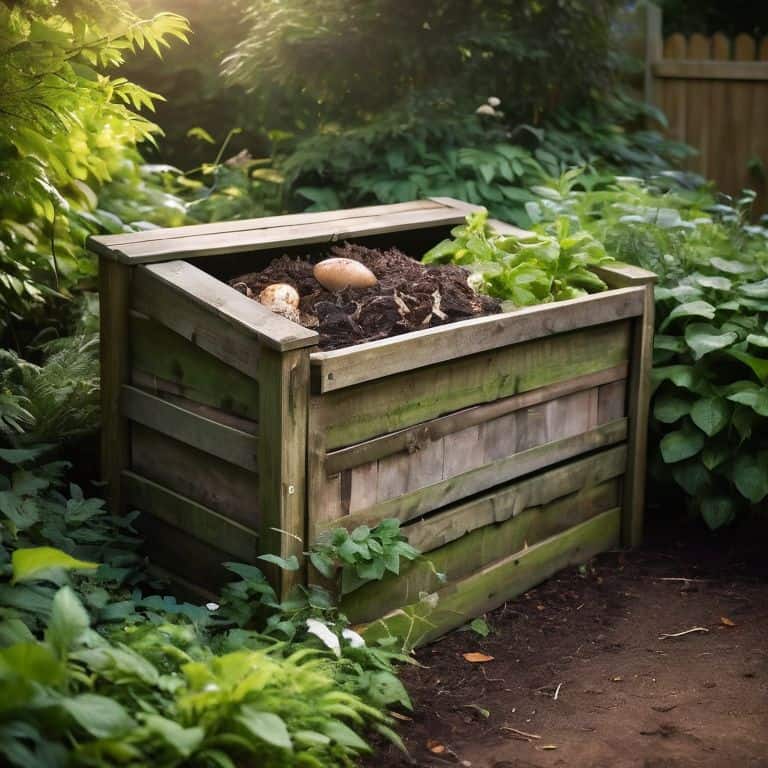
As I wander through my urban oasis, I’m reminded that the right compost bin can be a haven for tiny creatures and microorganisms to thrive. For beginners, I recommend starting with a bin made from natural, breathable materials like wood or bamboo. These earthy abodes allow for airflow and drainage, creating a cozy environment for decomposition to occur. You can also repurpose old pallets or wooden crates to create a unique and rustic composting station that adds a touch of whimsy to your outdoor space.
When choosing a compost bin, consider the size and style that fits your lifestyle and garden needs. Look for bins with removable lids or easy-access doors to make turning and monitoring your compost a breeze. Some popular options include wooden slat bins, bamboo enclosures, or even repurposed wire mesh containers. Whatever material you choose, remember that it’s not just about containing your compost – it’s about creating a nurturing space for nature to work its magic.
Whispers From the Earth Composting at Home Tips
As I tend to my own compost pile, I’ve learned a few secrets to share with you. One of my favorites is the importance of layering – think of it as creating a recipe for your earthy stew. I like to start with a base of dried leaves or twigs, followed by a mix of kitchen scraps and finished with a sprinkle of soil. This harmonious balance of textures and scents will have your compost singing in no time.
In my urban apartment, I’ve even repurposed an old wooden crate to serve as my composting station, adding a touch of whimsy to my sustainable endeavors.
Earthly Essentials: 5 Whimsical Tips for Beginner Composters
- Start small and get cozy with your compost, remembering that every tiny step towards sustainability is a celebration of our connection to the earth
- Collect kitchen scraps in a charming vintage container, and let the ritual of adding to your compost become a mindful moment in your daily routine
- Experiment with a diverse array of materials, from fallen leaves to coffee grounds, and watch your compost come alive with the magic of decomposition
- Don’t be afraid to get creative with your compost bin’s design, incorporating natural materials like reclaimed wood or bamboo to bring a touch of whimsy to your outdoor space
- Observe and learn from the rhythms of nature, recognizing that composting is not just a practical skill, but a poetic journey that weaves together the threads of earth, art, and community
Earthly Essentials: 3 Key Takeaways for Beginner Composters
By embracing composting, you’ll not only reduce your waste output but also create a nutrient-rich soil amendment that’ll make your garden thrive – it’s a win-win for you and the planet!
Remember, composting is a journey, not a destination: don’t be too hard on yourself if things get messy or you encounter setbacks – every pile of compost is a unique, ever-evolving ecosystem
As you start your composting adventure, keep in mind that it’s all about harmony and balance: aim to strike a delicate balance between ‘green’ and ‘brown’ materials, and get ready to witness the magic of transformation in your own backyard sanctuary
Sowing the Seeds of Sustainability
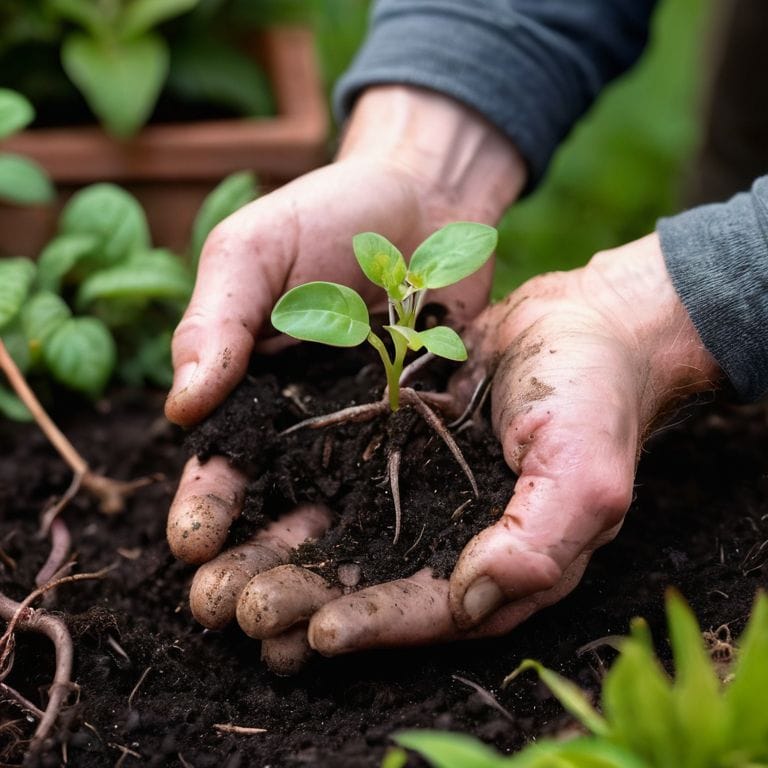
As we tenderly nurture our compost piles, we’re not just breaking down waste, we’re building a bridge between our daily lives and the natural world – every scrap, every peel, and every twig is a testament to our capacity to transform and renew.
Harper Willow
Embracing the Cycle of Life: A Conclusion to Composting for Beginners
As we conclude this journey into the world of composting, let’s reflect on the key takeaways that will guide you towards a more sustainable lifestyle. From understanding the basics of composting to choosing the right materials for your compost bin, we’ve covered it all. Remember, composting at home is not just about reducing waste, but also about creating a nutrient-rich soil that will nurture your plants and contribute to a healthier environment. By following the steps outlined in this guide, you’ll be well on your way to embracing a more eco-friendly approach to gardening and living.
As you embark on this whimsical journey of composting, keep in mind that every small step counts. The act of transforming kitchen scraps into a valuable resource is not just a practical skill, but also a symbolic gesture of our commitment to the well-being of the planet. So, let’s get our hands dirty, celebrate the beauty of nature’s cycles, and inspire others to join us in this path towards sustainability. Together, we can make a difference, one compost pile at a time.
Frequently Asked Questions
What are the most common mistakes to avoid when starting a compost pile at home?
When starting your composting journey, beware of common pitfalls like insufficient aeration, excessive moisture, and lack of diversity in materials – these can lead to unpleasant odors and slow decomposition. Remember, a balanced blend of “green” and “brown” materials is key to creating a thriving compost ecosystem.
How often should I turn my compost pile to ensure it breaks down efficiently?
The rhythm of turning the compost pile! I like to think of it as a gentle dance with nature. Aim to turn your pile every 7-10 days, or when you notice it starting to slow down. This helps keep the microbes happy and the decomposition process thriving. Just be sure to use a gentle touch, so you don’t disturb the delicate balance of your tiny ecosystem.
Can I compost all types of food waste, or are there certain items I should exclude from my compost bin?
Not all food waste is created equal, my friend! While composting is a wonderful way to reduce waste, it’s essential to exclude items like meat, dairy, and oils, as they can attract pests and create unpleasant odors. Stick to fruit and veggie scraps, tea bags, and coffee grounds for a thriving compost bin.