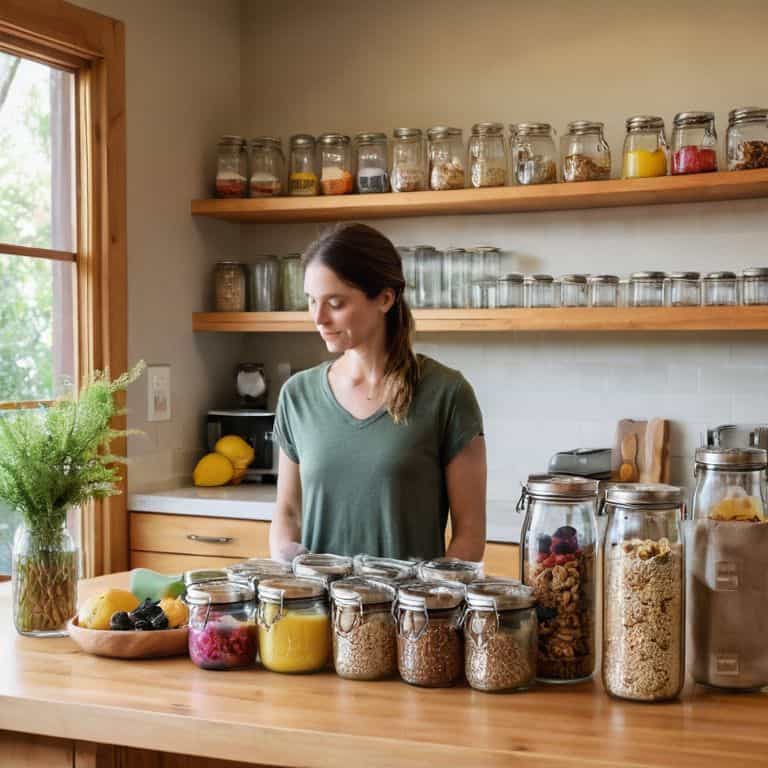
As I sit in my cozy urban apartment, surrounded by vintage botanical illustrations and the gentle scent of dried flowers, I’m reminded of the countless times I’ve been told that reducing plastic consumption is a daunting task. But I’m here to tell you that it’s not about making drastic changes overnight; it’s about embracing small, mindful habits that can be woven into our daily lives. I’ve learned that how to reduce your plastic consumption at home is not just about ditching plastic straws, but about cultivating a deeper connection with the natural world. My journey began in my childhood, exploring the tide pools and learning about local flora from my marine biologist parents, and has since evolved into a passion for sustainable living.
In this article, I’ll share my favorite, no-nonsense tips for simplifying your daily routines and making your home a haven for the earth. From repurposing old jars to creating a zero-waste kitchen, I’ll guide you through the process of reducing plastic consumption in a way that’s both accessible and empowering. You’ll learn how to identify areas where plastic can be easily replaced with eco-friendly alternatives, and how to make these changes stick. My goal is to inspire you to take small, yet significant, steps towards a more sustainable lifestyle, and to show you that living in harmony with nature is not only possible, but also incredibly rewarding.
Table of Contents
Guide Overview: What You'll Need
Total Time: 1 hour 30 minutes
Estimated Cost: $20 – $50
Difficulty Level: Easy
Tools Required
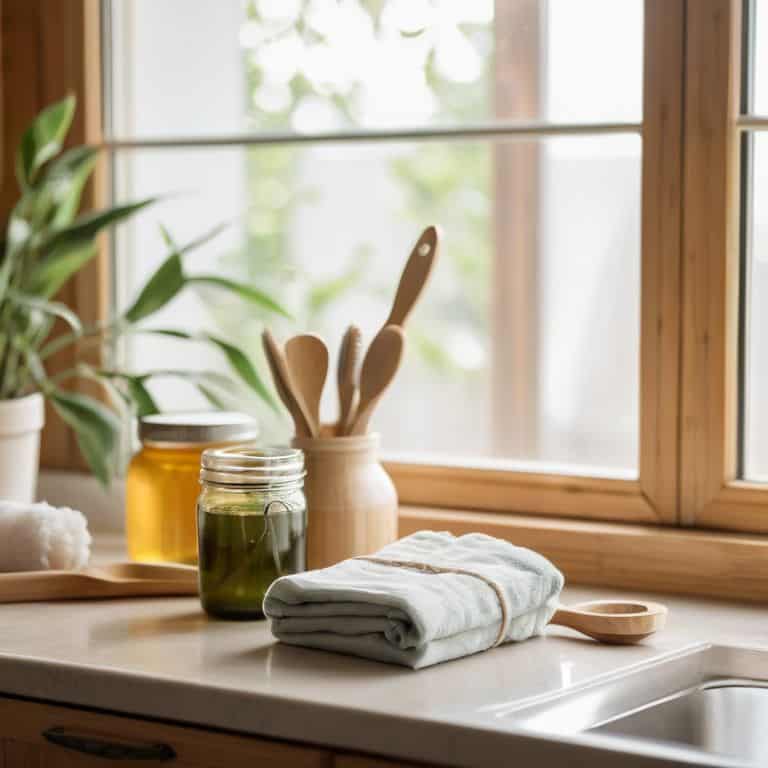
- Reusable water bottle (stainless steel or glass)
- Beeswax wraps (for food storage)
- Shopping bags (made of cloth or canvas)
Supplies & Materials
- Glass containers (for storing food)
- Metal or bamboo straws (for drinking)
- Soap or shampoo bars (to reduce plastic packaging)
Step-by-Step Instructions
- 1. First, let’s start by assessing our plastic usage at home. Take a week to observe and note down all the plastic items you use, from water bottles to packaging materials. This will help you identify areas where you can make a change. I like to use a vintage notebook and a pencil to jot down my observations, it feels more intimate and helps me connect with my surroundings.
- 2. Next, swap your plastic water bottle for a reusable one. I’ve found that having a beautiful, handmade ceramic or glass water bottle can make a big difference in my daily routine. Not only is it better for the environment, but it also adds a touch of elegance to my kitchen. Look for local artisans or shops that sell unique, eco-friendly water bottles.
- 3. Now, let’s talk about reducing plastic packaging. One of my favorite ways to do this is by shopping at local farmers’ markets or joining a community-supported agriculture (CSA) program. This way, you can buy fresh produce without the unnecessary plastic wrapping. I also like to use reusable produce bags made from natural fibers like cotton or hemp.
- 4. Another simple step is to switch to eco-friendly cleaning products. Many traditional cleaning products come in plastic bottles and contain harsh chemicals that can harm the environment. Instead, opt for refillable glass bottles or make your own cleaning solutions using natural ingredients like baking soda and vinegar. I like to add a few drops of essential oils to give my cleaning products a pleasant scent.
- 5. It’s time to get creative with storage. Instead of using plastic containers to store food or other items, try using glass jars, wooden crates, or woven baskets. Not only are these options more sustainable, but they also add a touch of whimsy to your kitchen or pantry. I like to decorate my glass jars with vintage botanical illustrations or handmade labels.
- 6. Let’s not forget about composting. If you have a garden or even just a small balcony, consider starting a compost bin. This will help reduce your waste and create nutrient-rich soil for your plants. I like to use a worm composter, it’s a fun and easy way to get started with composting, even in a small space.
- 7. Finally, make it a habit to refuse single-use plastics whenever possible. This can be as simple as saying no to plastic straws or cutlery when you’re out and about. I like to carry a reusable straw made from bamboo or stainless steel with me, it’s a small change that can make a big difference over time.
Whispers of a Plastic Free Home
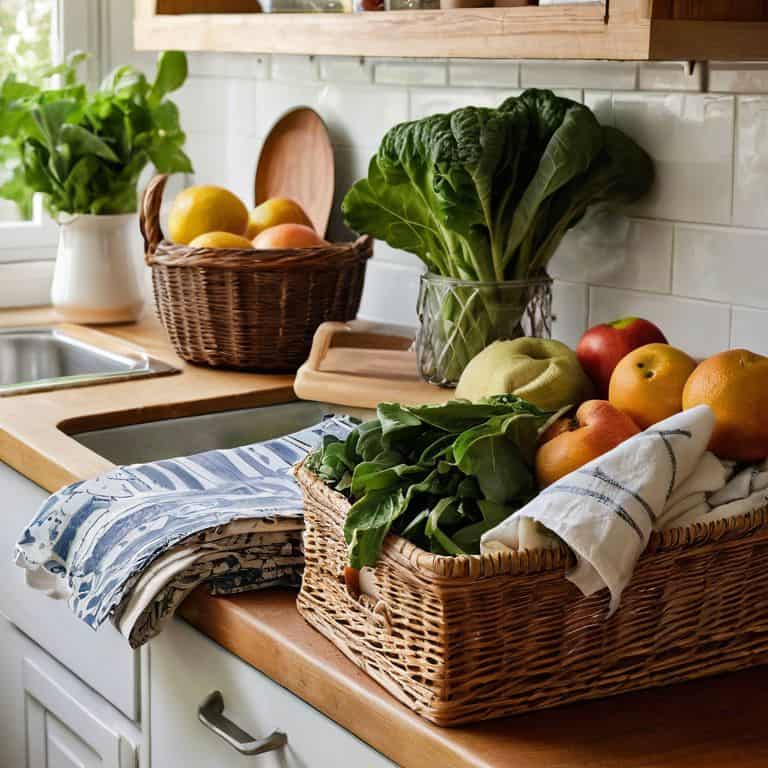
As I wander through my own home, I’m reminded of the simple swaps that have made a significant impact on our plastic usage. One of my favorite eco friendly alternatives to plastic bags is repurposing old cloth napkins or tea towels as reusable bags for grocery shopping or carrying fresh produce. It’s amazing how such a small change can add up over time.
In the kitchen, reducing plastic waste has become a fun creative challenge. I’ve started using glass containers instead of plastic ones for storing leftovers, which not only looks more aesthetically pleasing but also helps to keep our food fresh for longer. The benefits of using glass containers are numerous, from being non-toxic to reducing waste.
For beginners looking to embark on their sustainable living journey, I recommend starting with sustainable living tips for beginners that focus on one area at a time, like the kitchen or bathroom. In the bathroom, switching to plastic free bathroom essentials like bamboo toothbrushes and soap bars can make a significant difference. It’s all about taking it one step at a time and finding creative ways to reuse old plastic containers to give them new life.
Eco Friendly Alternatives to Plastic Bags
As I wander through the city, I’m always on the lookout for creative ways to ditch the plastic bag habit. One of my favorite eco-friendly alternatives is the humble cotton tote. I’ve collected a few vintage ones from thrift stores, and I love how they add a touch of whimsy to my grocery runs. Of course, there are also plenty of amazing brands out there creating sturdy, stylish bags from sustainable materials like hemp and recycled cotton.
I’ve also been experimenting with repurposing old scarves and bandanas as makeshift bags – it’s amazing how a simple piece of fabric can become a versatile tool for reducing waste. Whether you’re heading to the farmer’s market or just need a quick bag for a spontaneous picnic, these DIY alternatives are not only eco-friendly but also add a dash of personality to your daily adventures.
Reducing Kitchen Waste With Sustainable Swaps
As I wander through my kitchen, I’m reminded of the simple joys in sustainable swaps. Replacing paper towels with reusable cloths, made from vintage cotton sheets, has become a delightful ritual. I’ve also fallen in love with beeswax wraps, infused with the sweetness of local honey, to cover my bowls and snacks. These small changes have not only reduced waste but also added a touch of warmth to my cooking routine.
By embracing these eco-friendly alternatives, I’ve discovered a sense of harmony in my kitchen, where the beauty of nature seamlessly blends with the art of cooking.
Sowing Seeds of Change: 5 Whimsical Ways to Reduce Plastic at Home
- Replace plastic water bottles with elegant glass or stainless steel alternatives, and watch your daily hydration routine transform into a sophisticated ritual
- Get creative with beeswax wraps, turning leftover fabric scraps and natural wax into reusable, earthy covers for your snacks and leftovers
- Invite the charm of vintage into your kitchen by collecting and repurposing old glass jars for storing spices, oils, and other treasures
- Let the gentle art of composting become your new mindful meditation, turning food scraps into nutrient-rich soil for your urban garden oasis
- Embark on a treasure hunt for second-hand shopping bags, and breathe new life into outdated fabrics by upcycling them into unique, eco-friendly totes and produce bags
Sowing Seeds of Sustainability: 3 Key Takeaways
I’ve found that embracing a plastic-free lifestyle is all about simplicity and creativity, from repurposing vintage items to crafting my own botanical art pieces from natural materials found in my neighborhood
By making conscious choices like opting for eco-friendly alternatives to plastic bags and reducing kitchen waste with sustainable swaps, we can transform our daily routines into powerful acts of environmental stewardship
As I continue on my own journey of sustainable living, I’m reminded that every small step counts, and that together, we can weave a tapestry of positive change, one repurposed plastic, one DIY project, and one beautifully imperfect botanical illustration at a time
Sowing Seeds of Change
As we tenderly nurture our homes, let us also nurture the earth, for every small gesture – a reused jar, a repurposed bag, a refusal to accept the unnecessary – is a brushstroke on the canvas of a more sustainable tomorrow.
Harper Willow
Embracing a Plastic-Free Haven
As we’ve journeyed through the steps to reduce our plastic consumption at home, from ditching plastic bags to implementing sustainable swaps in the kitchen, it’s clear that every small change adds up to make a significant impact. By incorporating eco-friendly alternatives and adopting a mindset of reduction and reuse, we’re not only contributing to a healthier planet, but also cultivating a more mindful and wholesome lifestyle. The whispers of a plastic-free home are becoming a reality, one conscious choice at a time.
So, let’s hold onto the vision of a world where sustainability and joy are intertwined, where our daily habits are a testament to our love for the earth and its inhabitants. As we continue on this path, may our hearts remain filled with the wonder of nature and our homes be a reflection of our commitment to preserving its beauty for generations to come. In the simplest of ways, we can make a difference, and that’s a truly beautiful thing.
Frequently Asked Questions
What are some creative ways to repurpose old plastic containers at home?
I adore giving old plastic containers a new lease on life. Try transforming them into mini indoor gardens, DIY candle holders, or even quirky pen holders for your desk. You can also use them as paint palettes or storage containers for your art supplies, like my beloved botanical illustrations and natural materials for my eco-friendly projects.
How can I convince my family members to join me in reducing plastic consumption?
I’ve found that sharing my own journey and the why behind my passion for reducing plastic consumption sparks curiosity in my loved ones. Lead by example, and have open conversations about the small changes you’re making – it’s all about inspiring a sense of collective purpose and making it a fun, collaborative effort!
Are there any affordable and effective alternatives to plastic wrap for food storage?
I’m a huge fan of beeswax wraps and reusable containers for food storage. Not only are they eco-friendly, but they’re also super effective at keeping food fresh. Plus, they’re surprisingly affordable and can be found at most health food stores or online. Give them a try and ditch the plastic wrap for good!