As I sat down to prepare for an interview with a master craftsman, I couldn’t help but think of all the times I’ve been disappointed by overly complicated or expensive solutions to simple problems. It’s a phenomenon that’s all too common in the world of crafts and DIY projects, where sustainability and eco-friendliness are often used as buzzwords to justify hefty price tags. But what if I told you that there’s a better way to approach an interview with a master craftsman, one that focuses on timeless techniques and natural materials rather than fancy tools and expensive gadgets?
In this article, I promise to share my honest and experience-based insights from an interview with a master craftsman, highlighting the beauty of traditional craftsmanship and the importance of working with found natural materials. I’ll cut through the hype and get straight to the heart of what makes a true master craftsman tick, from their approach to sustainable design to their favorite botanical inspirations. By the end of this conversation, you’ll have a deeper understanding of the value of handcrafted goods and the joy of creating something truly unique and meaningful with your own two hands.
Table of Contents
In the Workshop of Wonder
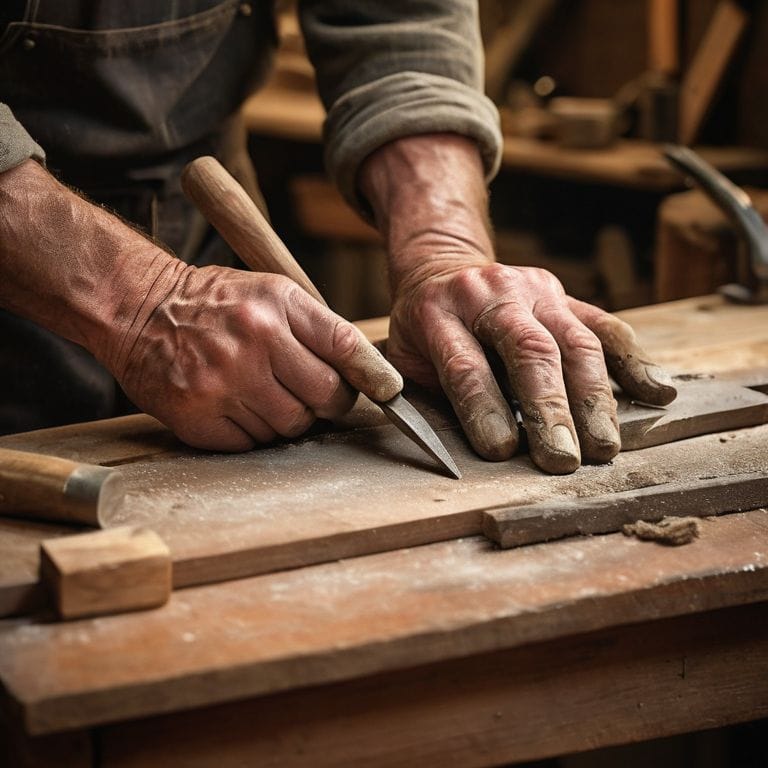
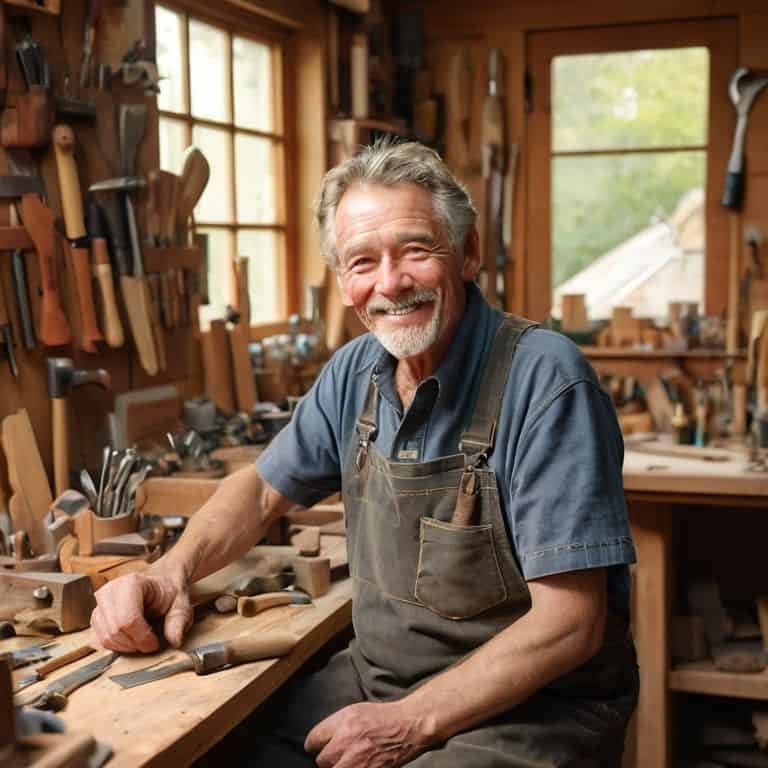
As I stepped into the master craftsman’s workshop, I was enveloped in a world of traditional craftsmanship techniques, where the scent of wood and the sound of chiseling filled the air. The craftsman’s hands, worn from decades of dedication, moved with a precision that was both calming and awe-inspiring. I was eager to hear the apprenticeship stories that had shaped his craft, and the lessons he had learned along the way.
The workshop itself was a testament to the beauty of handmade craft business tips in action, with each tool and material carefully selected and arranged to create an atmosphere of efficiency and creativity. As we sat down to talk, the craftsman shared with me his passion for preserving traditional skills, and the importance of passing them down to the next generation. His eyes sparkled with a sense of purpose, and I couldn’t help but feel inspired by his commitment to his craft.
As we delved deeper into conversation, I was struck by the master craftsman’s ability to balance craftsmanship and innovation, blending time-honored techniques with modern materials and ideas. His approach was a perfect example of how master craftsman workshops can be both a repository of traditional knowledge and a hub of creative experimentation. The result was a truly unique and captivating approach to his craft, one that left me feeling enriched and eager to learn more.
Apprenticeship Stories of Preserving Heritage
As I listened to the master craftsman’s tales, I was struck by the importance of mentorship in preserving traditional techniques. He spoke of his own apprenticeship, where he learned the intricacies of craftsmanship from a seasoned expert. The stories of long hours, trial and error, and perseverance were woven together with a sense of nostalgia and reverence for the craft.
The master craftsman’s eyes sparkled as he recalled his earliest projects, where he had to balance innovation with tradition. He shared stories of how his mentor guided him in striking this delicate balance, allowing him to grow as a craftsman while staying true to the heritage of the craft.
Uncovering Traditional Craftsmanship Techniques
As I delved deeper into the master craftsman’s world, I became fascinated by the intricate details that set his work apart. He spoke of the importance of patience and dedication in perfecting traditional craftsmanship techniques. With each new project, he would pour over vintage manuals and seek guidance from fellow artisans to ensure that every aspect, from the selection of materials to the final touches, was a testament to the craft’s rich heritage.
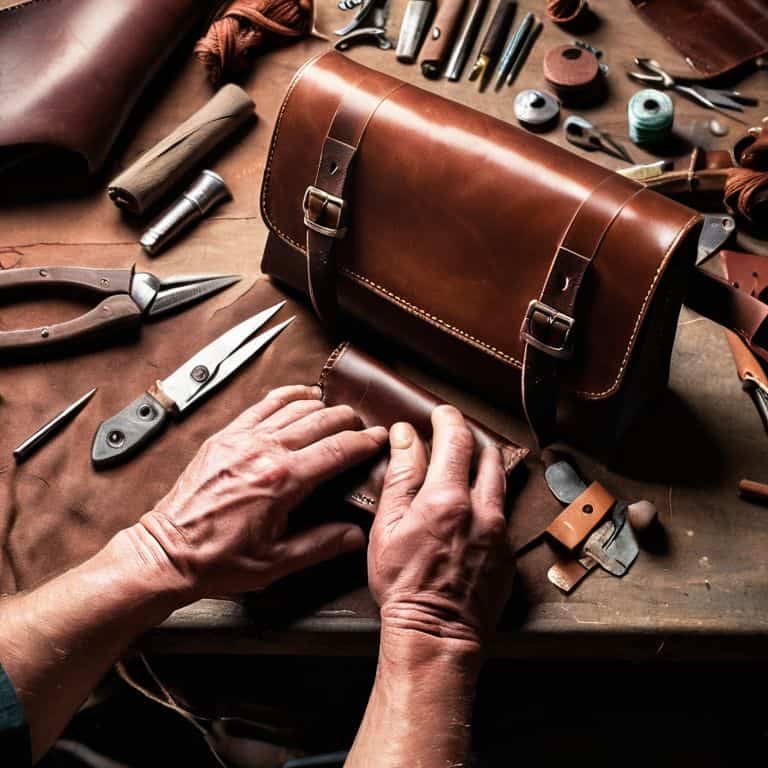
The master craftsman’s hands moved with a gentle precision as he demonstrated the art of woodworking, his tools an extension of his own body. He emphasized the value of slowing down and allowing the natural beauty of the materials to shine through, rather than relying on modern shortcuts or mass-produced components.
An Interview With a Master Craftsman
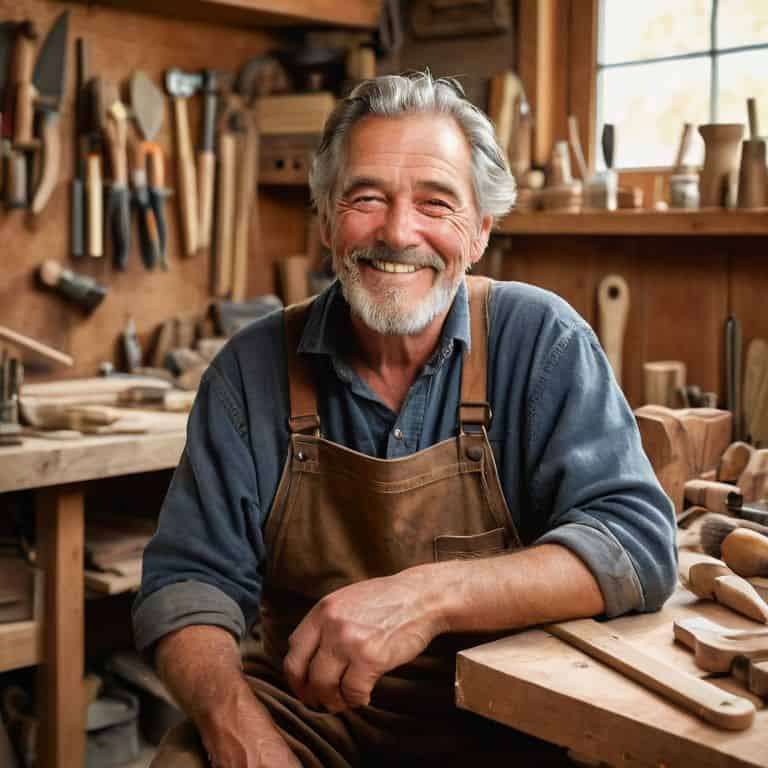
As I sat with the master craftsman, I was struck by the warmth of his smile and the depth of his eyes, which seemed to hold a thousand stories of traditional craftsmanship techniques. He spoke of his journey, of the apprenticeship stories that shaped him, and the handmade craft business tips he’s learned along the way. His words were like a gentle breeze on a summer day, carrying the scent of wood and earth, and I found myself enveloped in the world of master craftsman workshops.
The master craftsman’s hands, worn and weathered from years of working with wood and stone, seemed to weave a tale of their own, as he spoke of preserving traditional skills in a world that often values speed over substance. His passion for craftsmanship and innovation was palpable, and I found myself inspired by his dedication to his craft. As we talked, I realized that his story was not just one of technique and tradition, but of community and connection, of the people and places that have shaped him into the master craftsman he is today.
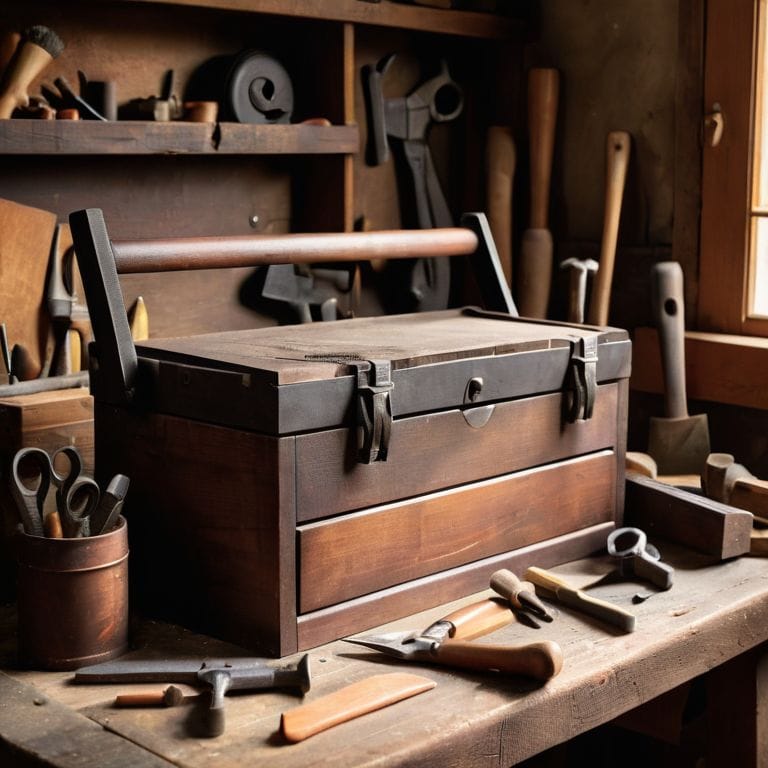
In the midst of our conversation, the master craftsman pulled out a small, exquisite box, crafted from a single piece of wood, and passed it to me, saying, “This is what it means to combine traditional craftsmanship techniques with innovation.” The box was a masterpiece, a testament to the beauty of handmade craft, and I felt grateful to be holding it, to be a part of this story, if only for a moment.
Handmade Craft Business Tips and Innovations
As I delved deeper into the world of handmade crafts, I discovered the importance of sustainable practices in reducing waste and promoting eco-friendly methods. The master craftsman shared his approach to sourcing materials, emphasizing the need to support local suppliers and reduce carbon footprint. This not only contributes to the environment but also adds a unique story to each handmade piece.
The master craftsman’s creative problem-solving skills were evident in his ability to innovate and adapt to changing market trends. He shared his experience of experimenting with new materials and techniques, such as upcycling and repurposing, to create one-of-a-kind pieces that appeal to a wide range of customers. This approach has helped him stay ahead in the competitive handmade craft business.
Master Craftsman Workshops Where Art Meets Legacy
As I stepped into the master craftsman’s workshop, I was struck by the harmony of traditional tools and modern innovations that filled the space. The scent of freshly cut wood and the soft hum of machinery created a sense of warmth and creativity. Everywhere I looked, there were examples of exquisite craftsmanship, from intricately carved furniture to delicate wooden ornaments.
The master craftsman’s passion for preserving cultural heritage was evident in every aspect of his work. He spoke about the importance of passing down traditional techniques to the next generation, and the value of creating pieces that would be treasured for years to come. His dedication to his craft was inspiring, and I felt grateful to have had a glimpse into his world, where art and legacy blended seamlessly together.
Timeless Wisdom from a Master Craftsman: 5 Key Takeaways
- Embrace the Beauty of Imperfection: The master craftsman emphasized the importance of accepting and celebrating the unique imperfections that come with handmade craftsmanship, making each piece truly one-of-a-kind
- Storytelling Through Craft: He shared the value of imbuing every creation with a story, whether it’s the inspiration behind the design or the history of the materials used, to create a deeper connection between the craft and its owner
- Sustainability in Craftsmanship: We discussed the significance of using eco-friendly materials and practices in his workshop, not only to reduce environmental impact but also to ensure the longevity and quality of his pieces
- The Power of Patience and Practice: The master craftsman stressed the need for dedication and perseverance in mastering a craft, highlighting that true expertise comes from years of trial and error, and a willingness to continuously learn and improve
- Passing on the Legacy: He talked about the importance of sharing knowledge and skills with the next generation, whether through apprenticeships or workshops, to preserve traditional craftsmanship techniques and ensure their continuation in the modern world
Embracing the Art of Sustainable Craftsmanship: 3 Key Takeaways
By combining traditional craftsmanship techniques with eco-friendly practices, artisans can create unique, handmade pieces that not only tell a story of heritage but also promote a healthier planet
Supporting local, handmade craft businesses is essential for preserving cultural heritage and reducing the demand for mass-produced, environmentally damaging products
Through workshops, apprenticeships, and community engagement, master craftsmen can pass on their knowledge and inspire a new generation of eco-conscious artisans to weave sustainability into the fabric of their craft
A Reflection on Craftsmanship
As I sat with the master craftsman, I realized that the true beauty of his work lies not just in the precision of his craft, but in the stories his hands tell through every carefully shaped detail, reminding us that tradition and innovation are not mutually exclusive, but intertwined threads in the tapestry of our cultural heritage.
Harper Willow
Reflections on a Timeless Craft
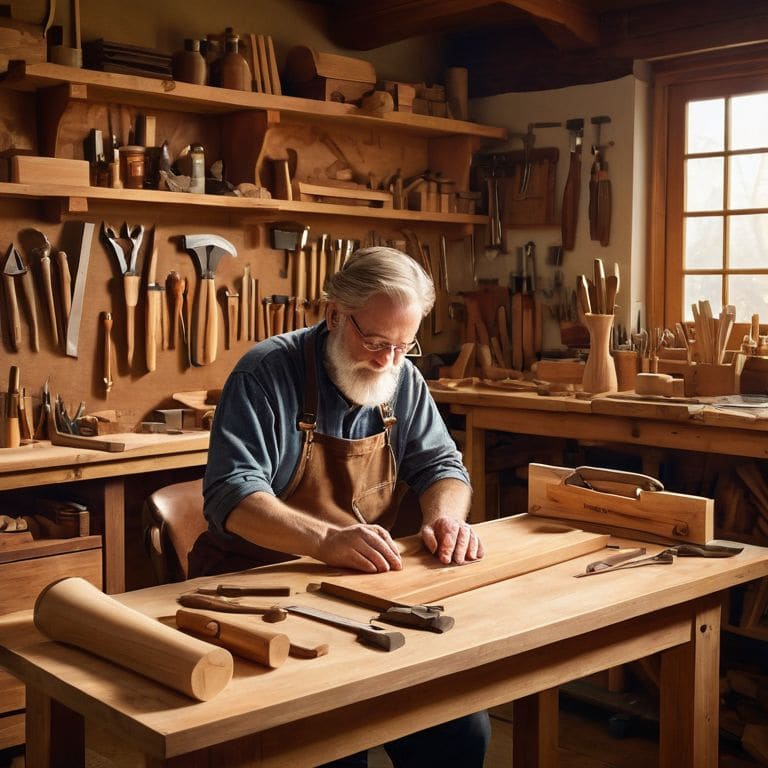
As I reflect on my conversation with the master craftsman, I am reminded of the importance of preserving traditional techniques in a world that often prioritizes speed and efficiency over quality and craftsmanship. Our discussion in the workshop, surrounded by the sweet scent of wood and the soft glow of handmade objects, was a poignant reminder of the value of human touch and the stories that each piece tells. From the apprenticeship stories that highlighted the dedication required to master a craft, to the innovative approaches that are helping to keep traditional craftsmanship relevant in modern times, every aspect of our conversation underscored the richness and depth of this artisan’s work.
As I closed the door to the workshop, now filled with the warmth of newfound appreciation, I couldn’t help but feel a sense of hope and inspiration. In an era where mass production and disposability often reign supreme, the master craftsman’s commitment to his art form serves as a powerful reminder of the beauty of slowing down and the value of creating something with our own hands. May his story inspire us all to seek out the beauty in the handmade, to support those who keep traditional crafts alive, and to never forget the magic that happens when human skill and natural materials come together in perfect harmony.
Frequently Asked Questions
What inspires a master craftsman to continue innovating within traditional craftsmanship?
For me, it’s the master craftsman’s passion for storytelling through their work that sparks innovation, as they weave together tradition and modernity, creating pieces that are both timeless and contemporary, a true reflection of their dedication to the craft.
How does a master craftsman balance the preservation of heritage techniques with the need to adapt to modern tastes and trends?
For me, it’s all about embracing the evolution of tradition – my master craftsman friend says it’s a delicate dance between honoring the past and innovating for the future, where heritage techniques are the foundation, but modern twists add a fresh, whimsical touch, much like the vintage botanical illustrations that inspire my own botanical art.
What role do master craftsmen see themselves playing in passing on their skills and knowledge to the next generation of artisans?
As I sat with the master craftsman, he shared his desire to mentor young artisans, preserving traditional techniques while encouraging innovation, and fostering a sense of community among craftsmen, ensuring the legacy of handmade craftsmanship continues to thrive.