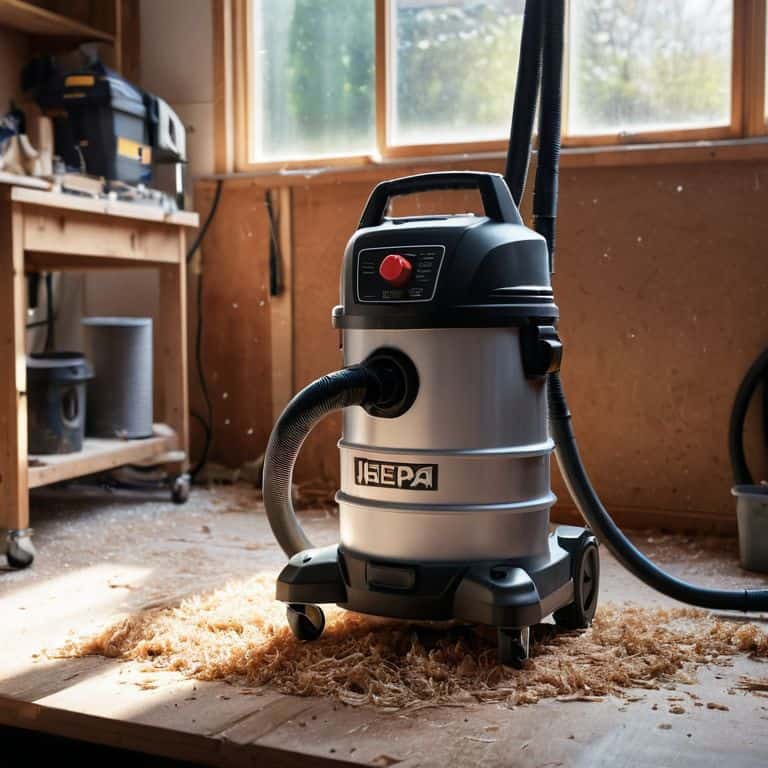
I still remember the day I realized that my workshop vacuum was essentially a dust-spewing monster, completely undermining my attempts at a clean and healthy workspace. It was then that I discovered the game-changing power of a guide to hepa filters for workshop vacuums. The common myth that these filters are only necessary for people with allergies or respiratory issues is not only outdated but also misguided. In reality, HEPA filters are a crucial component for anyone looking to create a safer, more efficient workshop environment.
As someone who’s passionate about exploring the latest tech trends and innovations, I’m excited to share my honest, no-hype advice on how to make the most of a guide to hepa filters for workshop vacuums. In this article, you can expect to learn the ins and outs of selecting and installing the right HEPA filter for your workshop vacuum, as well as tips on how to maintain it for optimal performance. Whether you’re a DIY enthusiast or a professional contractor, this guide is designed to provide you with the practical knowledge you need to revolutionize your workshop experience and take your projects to the next level.
Table of Contents
- Guide Overview: What You'll Need
- Step-by-Step Instructions
- A Guide to Hepa Filters
- Revolutionizing Your Workshop: 5 Key Tips for Mastering HEPA Filters
- Revolutionizing Workshop Vacuums: 3 Key Takeaways
- Breathing Life into Workshops
- Embracing the Future of Clean: A Conclusion
- Frequently Asked Questions
Guide Overview: What You'll Need
Total Time: 1 hour 15 minutes
Estimated Cost: $20 – $50
Difficulty Level: Easy
Tools Required
- Screwdriver (for removing old filter)
- Wrench (for tightening new filter)
- Vacuum cleaner (for testing new filter)
Supplies & Materials
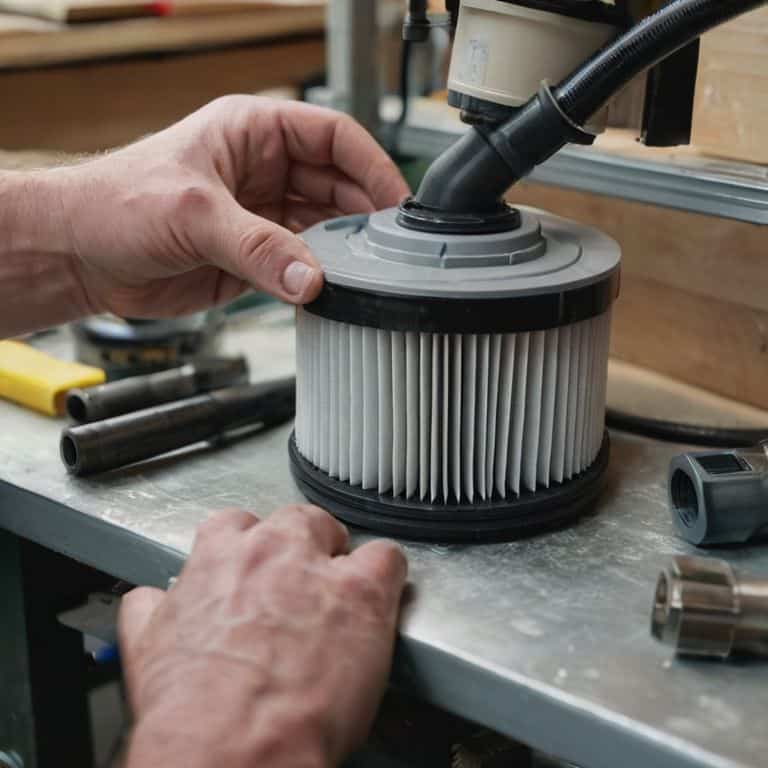
- HEPA filter replacement
- Gasket seal (for ensuring airtight fit)
- Filter housing (if old one is damaged)
Step-by-Step Instructions
- 1. First, let’s get started by understanding what HEPA filters are and why they’re a game-changer for your workshop vacuum. Essentially, a HEPA filter is designed to capture 99.97% of particles as small as 0.3 microns, including dust, pollen, and other airborne contaminants that can make your workshop a hazardous place to work. To install one, you’ll need to purchase a HEPA filter specifically designed for your workshop vacuum model, so make sure to check the manufacturer’s recommendations.
- 2. Next, you’ll need to prepare your workshop vacuum for the new filter. This involves turning off the vacuum and unplugging it from the power source to avoid any accidents. Then, locate the filter housing, which is usually found at the rear or top of the vacuum. You might need to consult your user manual for specific instructions on how to access the filter housing, as it can vary between models. The key is to be gentle when removing the housing to avoid damaging any of the internal components.
- 3. Now, it’s time to remove the old filter. This is usually done by pulling out the old filter or twisting it counterclockwise, depending on the type of filter your vacuum uses. Be careful, as the old filter may be filled with dust and debris. It’s a good idea to wear a mask and work in a well-ventilated area to avoid inhaling any of the particles that the old filter has collected. Once the old filter is out, you can dispose of it responsibly.
- 4. With the old filter removed, take a moment to inspect the filter housing and the surrounding area for any dust or debris that may have accumulated. Use a soft brush or a dry cloth to clean out any blockages that could reduce the effectiveness of your new HEPA filter. This step is crucial for ensuring that your new filter works at its best and that your workshop vacuum performs optimally.
- 5. Next, take your new HEPA filter and insert it into the filter housing. Make sure it’s properly seated and aligned with the housing’s guides. If your filter has an arrow indicating the direction of airflow, ensure it’s pointing the right way. Secure the filter in place according to the manufacturer’s instructions, which might involve twisting it clockwise or clipping it into position. The goal is to create a tight seal to prevent any particles from bypassing the filter.
- 6. After installing the new HEPA filter, replace the filter housing and ensure it’s securely closed. Plug in your workshop vacuum and turn it on to test the new filter. Listen for any unusual noises or check for any signs of air leaks around the filter housing. If everything sounds and looks good, you’re ready to start using your workshop vacuum with its new high-efficiency filtration system.
- 7. Finally, make a note to regularly check and maintain your HEPA filter. Depending on usage, you may need to clean or replace the filter every few months. Refer to your user manual for specific guidelines on the maintenance schedule for your HEPA filter. Keeping your filter in good condition is essential for maintaining the air quality in your workshop and ensuring your vacuum continues to perform at its best. By following these steps and staying on top of filter maintenance, you can enjoy a cleaner, healthier workshop environment.
A Guide to Hepa Filters
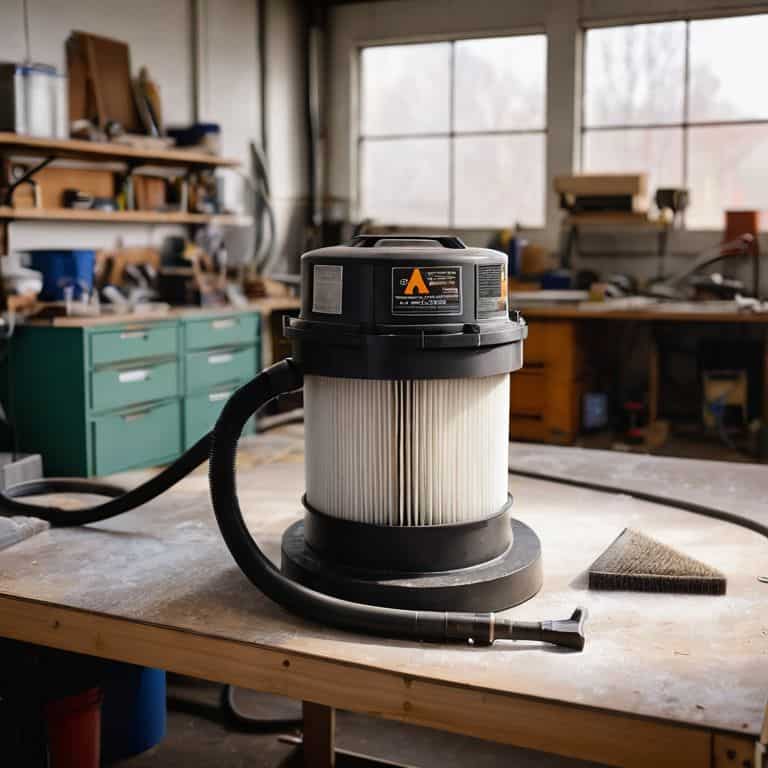
As I delve into the world of workshop vacuum maintenance tips, I’m reminded of the importance of a well-maintained HEPA filter replacement schedule. This simple yet crucial step can significantly impact the overall performance and air quality of your workshop. By replacing your HEPA filter on a regular basis, you can ensure that your vacuum continues to capture 99.97% of particles as small as 0.3 microns, keeping your workspace clean and healthy.
When it comes to choosing the best HEPA filter brands for vacuums, it’s essential to consider factors such as filter efficiency, durability, and compatibility with your existing vacuum model. Understanding HEPA filter efficiency is also crucial, as it can vary significantly between different brands and models. By doing your research and selecting a high-quality HEPA filter, you can rest assured that your workshop vacuum is equipped to handle even the toughest cleaning tasks.
For those looking to take their workshop vacuum to the next level, upgrading to HEPA filtration systems can be a game-changer. This can involve replacing your existing filter with a higher-efficiency model or even investing in a new vacuum that comes equipped with a state-of-the-art HEPA filtration system. By making this upgrade, you can enjoy improved air quality, reduced dust, and a cleaner, healthier workspace.
Understanding Hepa Filter Efficiency
When it comes to HEPA filter efficiency, it’s all about capturing those tiny particles that can wreak havoc on our health and workshop environments. Essentially, a HEPA filter is designed to trap 99.97% of particles as small as 0.3 microns, which is pretty mind-blowing if you ask me. But what does that really mean for our workshop vacuums? In simple terms, it means cleaner air, reduced dust, and a significant decrease in allergens and other airborne contaminants.
I love diving into the data behind HEPA filters, and one thing that stands out is their ability to improve over time. As the filter captures more particles, its efficiency can actually increase, making it an even more effective tool in our workshops. Of course, regular maintenance is still crucial to ensure optimal performance, but it’s exciting to think about the long-term benefits of using HEPA filters in our vacuums.
Upgrading to Hepa Filtration Systems
Upgrading to a HEPA filtration system can be a game-changer for workshop vacuums. By integrating these advanced filters, users can significantly reduce dust and allergen particles, creating a healthier work environment. I’ve seen it firsthand – my own workshop transformed after making the switch. The difference is tangible, with noticeably cleaner air and surfaces. For those looking to take the leap, it’s essential to consider the compatibility of HEPA filters with your existing vacuum model, as well as the potential need for additional hardware or modifications. With the right setup, the benefits of HEPA filtration can be fully realized, elevating your workshop experience to new heights.
Revolutionizing Your Workshop: 5 Key Tips for Mastering HEPA Filters
- Choose the Right Size: Selecting a HEPA filter that fits your workshop vacuum is crucial – a filter that’s too small can lead to reduced airflow, while one that’s too large can be a waste of resources
- Maintain Your Filter: Regularly cleaning and replacing your HEPA filter can significantly extend its lifespan and ensure optimal performance, so make it a part of your workshop routine
- Consider the MERV Rating: The Minimum Efficiency Reporting Value (MERV) rating measures a filter’s ability to capture particles – look for a MERV rating between 17 and 20 for the best results in your workshop
- Don’t Forget About Airflow: A HEPA filter can only perform optimally if the airflow in your workshop vacuum is adequate, so ensure that your vacuum is designed to handle the filter’s requirements
- Think Beyond the Filter: A HEPA filter is just one part of a larger ecosystem – consider upgrading to a vacuum with advanced features like variable suction control and a sealed system to get the most out of your filter
Revolutionizing Workshop Vacuums: 3 Key Takeaways
By incorporating HEPA filters into your workshop vacuum, you can significantly reduce dust and airborne pollutants, creating a healthier and more efficient work environment
Upgrading to a HEPA filtration system can be a straightforward process, with many modern workshop vacuums offering easy-to-install HEPA filter kits or even featuring them as a standard component
As technology continues to evolve, embracing innovations like HEPA filters in workshop vacuums not only improves immediate working conditions but also sets the stage for a future where cleanliness, sustainability, and innovation are seamlessly integrated
Breathing Life into Workshops
As we inhale the future of technology, let’s not forget to exhale the past – upgrading to HEPA filters in our workshop vacuums is not just a tweak, it’s a quantum leap towards a healthier, more innovative tomorrow.
Kristin Kell
Embracing the Future of Clean: A Conclusion
As we conclude this guide to HEPA filters for workshop vacuums, it’s essential to recall the benefits of integrating these advanced filtration systems into your workspace. From significantly reducing dust and allergens to improving overall air quality, the advantages of HEPA filters are undeniable. By understanding the efficiency of HEPA filters and following the steps to upgrade your workshop vacuum, you’re not only enhancing your working environment but also contributing to a healthier, more sustainable future. This journey of embracing innovation, such as HEPA technology, is a step in the right direction towards a cleaner, more efficient workshop.
As you look to the future of your workshop, remember that embracing technologies like HEPA filters is just the beginning. The world of tech is ever-evolving, and staying ahead of the curve can lead to groundbreaking discoveries and innovations. Whether you’re a seasoned pro or just starting out, the key is to remain curious and open to the endless possibilities that advancements like HEPA filters bring. By doing so, you’re not just improving your workshop; you’re contributing to a movement that values sustainability, innovation, and a cleaner, healthier world for all.
Frequently Asked Questions
What are the key benefits of using HEPA filters in workshop vacuums beyond just improved air quality?
For me, the benefits of HEPA filters in workshop vacuums go far beyond just cleaner air – they also reduce dust, minimize health risks, and even improve the longevity of my equipment, making them a total game-changer for any DIY enthusiast or maker.
How often should I replace or clean the HEPA filter in my workshop vacuum to maintain its efficiency?
To keep your workshop vacuum humming, I recommend checking and cleaning your HEPA filter every 1-3 months, depending on usage. For replacement, follow the manufacturer’s guidelines, typically every 6-12 months. Trust me, a well-maintained filter is key to optimal performance and a healthier workshop environment!
Are there any specific factors to consider when choosing a HEPA filter for a workshop vacuum, such as filter size or MERV rating?
When choosing a HEPA filter for your workshop vacuum, consider the filter size, MERV rating, and airflow resistance to ensure optimal performance. A higher MERV rating, typically between 17-20, indicates better filtration, but may also increase resistance, affecting suction power.