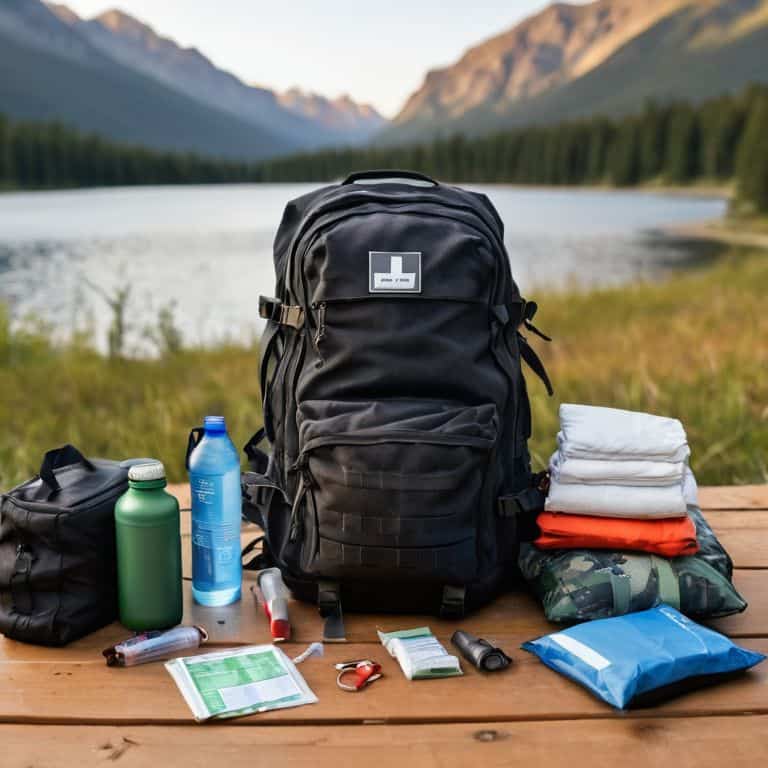
As I sit amidst my collection of vintage botanical illustrations, surrounded by the soothing sounds of nature, I’m reminded that life can be unpredictable – that’s why I’ve learned how to pack a go-bag or bug-out bag. It’s a skill that’s often overlooked, but one that can bring a sense of calm and preparedness to our chaotic lives. I’ve found that having a trusty go-bag packed and ready can be a liberating experience, allowing us to focus on the present moment, rather than worrying about the what-ifs.
In this article, I’ll share my personal approach to packing a go-bag, one that’s rooted in sustainability and practicality. You’ll learn how to curate a selection of essentials that will keep you safe and comfortable, no matter where your journey takes you. From the must-haves like water and first aid kits, to the often-overlooked items that can make all the difference, I’ll guide you through the process of creating a go-bag that’s tailored to your unique needs and lifestyle. By the end of this guide, you’ll be equipped with the knowledge and confidence to pack a go-bag that’s not only functional, but also a reflection of your personal style and values.
Table of Contents
Guide Overview: What You'll Need
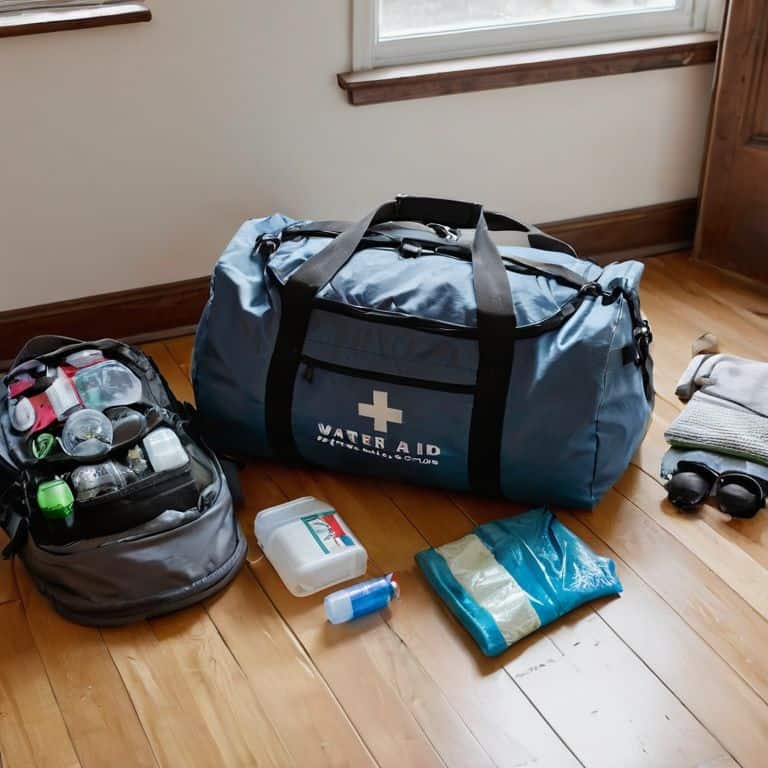
Total Time: 1 hour 30 minutes
Estimated Cost: $50 – $100
Difficulty Level: Easy
Tools Required
- Backpack (comfortable and durable)
- Waterproof Bags (for organizing and protecting gear)
- Packing Cubes (for efficient packing)
Supplies & Materials
- Water Bottles (at least 2, 1-liter capacity)
- Non-Perishable Food (energy bars, canned goods, etc.)
- First Aid Kit (including bandages, antiseptic wipes, pain relievers)
- Flashlights (with extra batteries)
- Multipurpose Tool (e.g., pocket knife, pliers, screwdriver)
- Sanitation Supplies (toothbrush, toothpaste, biodegradable soap, etc.)
- Warm Clothing (hat, gloves, blanket, etc.)
- Important Documents (copies of identification, insurance, etc.)
- Cell Phone Charger (and backup power source, e.g., portable battery pack)
- Maps (physical copies of local area and potential evacuation routes)
Step-by-Step Instructions
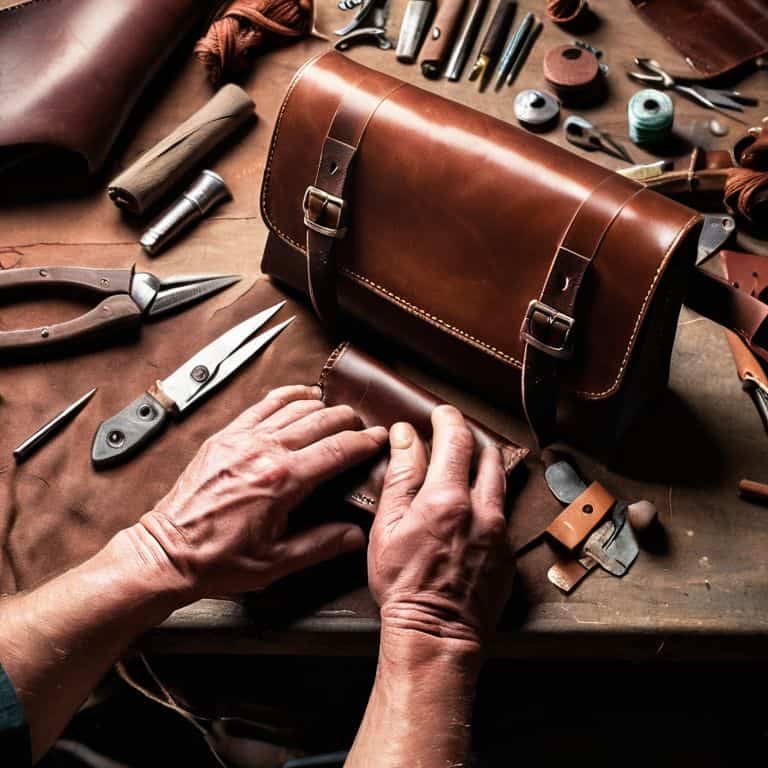
- 1. First, let’s start by gathering a sturdy, yet elegantly designed bag that can hold all our essentials – I personally love using a vintage leather backpack or a canvas tote bag with a touch of whimsy. When choosing your bag, consider the size, durability, and comfort level, as it will be your constant companion in case of an emergency. Look for something with multiple compartments and pockets to keep your items organized and easily accessible.
- 2. Next, we’ll focus on packing the bare essentials, including a first aid kit, a water bottle or hydration pack, and a portable water purification system. I like to think of this step as creating a mini-apothecary – a collection of natural remedies and healing tools that will help us navigate any challenges that come our way. Don’t forget to include any personal medications, bandages, and a small supply of nutritious snacks.
- 3. Now, let’s talk about shelter and warmth – two crucial elements that can make all the difference in an emergency situation. Pack a lightweight tent, a sleeping bag or blanket, and a portable stove or camping cookware. I also like to include a few cozy touches, such as a favorite blanket or a small stuffed animal, to provide comfort and reassurance in uncertain times.
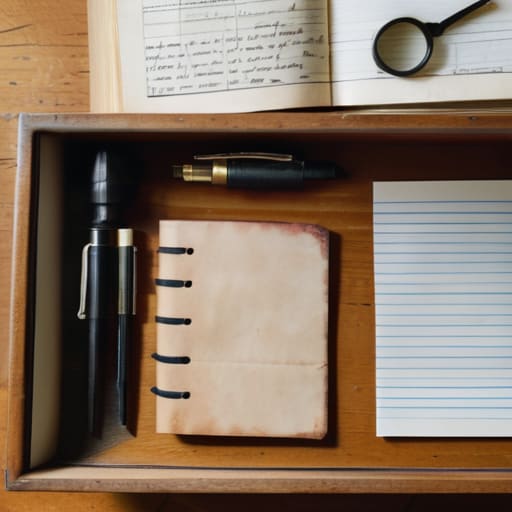
- 4. In addition to the physical essentials, it’s also important to pack a few personal documents and important phone numbers, such as identification, insurance cards, and emergency contact information. Consider scanning these documents and saving them to a cloud storage service, so you can access them from anywhere. I like to use a small, handmade journal to keep track of my important contacts and notes.
- 5. When it comes to food and nutrition, it’s essential to pack non-perishable items that are high in calories and nutrients, such as energy bars, dried fruits and nuts, and canned goods. I’m a big fan of foraging and using wild, edible plants to supplement my diet – consider including a guidebook or app that can help you identify safe and delicious options.
- 6. As we continue to pack our go-bag, let’s not forget about lighting and navigation – two critical components that can help us find our way and stay safe in the dark. Include a flashlight, extra batteries, and a portable GPS device or compass. I also like to pack a small star chart or constellation guide, to help me navigate by the stars and connect with the natural world.
- 7. Finally, let’s talk about personal hygiene and sanitation – an often-overlooked but crucial aspect of emergency preparedness. Pack a small supply of toilet paper, hand sanitizer, and biodegradable soap, as well as a portable toilet or trowel for eco-friendly waste disposal. Remember to always follow leave-no-trace principles, and to respect the natural environment wherever you are.
Packing Whimsy for Wilderness
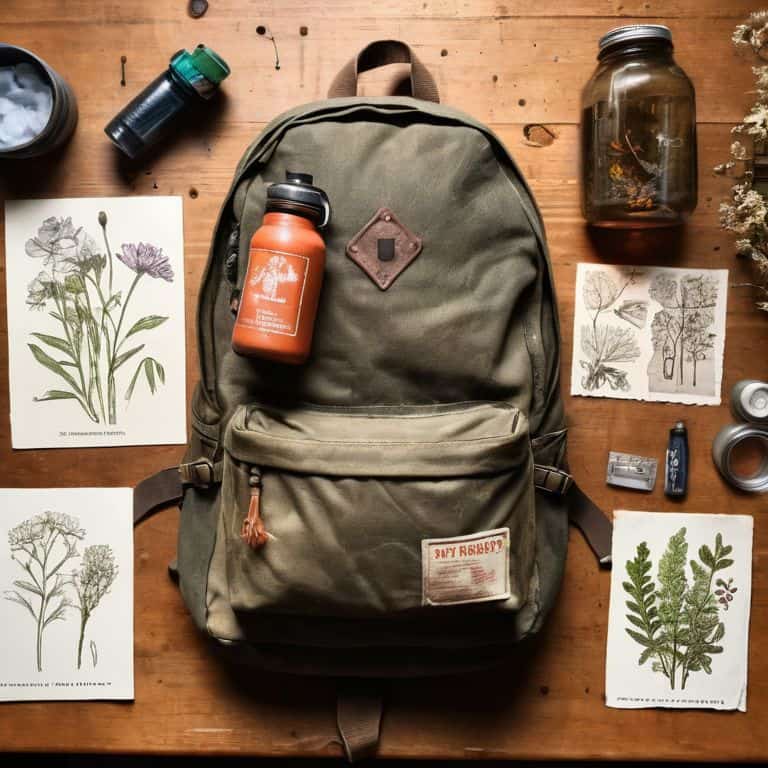
As I delve into the world of 72 hour survival kits, I’m reminded that preparedness is not just about functionality, but also about personality. When building a customized go bag, it’s essential to include items that bring a sense of comfort and joy. For me, this means adding a few vintage botanical illustrations to my bag, which serve as a reminder of the beauty in nature. These small touches can make a significant difference in personal safety in emergency situations, as they provide a sense of calm and normalcy.
When it comes to packing, I like to think of my go bag as a portable sanctuary. I include items like a favorite book, a set of handmade notecards, and a small pouch of herbal tea. These essential items for a bug out bag may not be on everyone’s list, but they bring me a sense of peace and tranquility. As I prepare for any situation, I’m reminded that disaster evacuation planning is not just about physical safety, but also about emotional well-being.
In the end, building a go bag is a personal and creative process. It’s about finding a balance between functionality and whimsy, and making sure that your bag reflects your unique personality and needs. By including a few thoughtful and eco-friendly items, you can turn your go bag into a trusted companion that will help you navigate any situation with confidence and style.
Crafting 72 Hour Survival Kits
As I delve into the world of 72 hour survival kits, I find myself enchanted by the idea of transforming a practical necessity into a treasure trove of whimsy. By incorporating elements like handmade herbal tea blends, artisanal candles, and a few favorite pages from a vintage botanical book, I aim to craft a kit that not only sustains me physically but also nourishes my soul. The soft glow of a candle, the soothing scent of herbal tea, and the gentle turn of a page can be a powerful antidote to the uncertainty of the wilderness.
In my own 72 hour survival kit, you’ll find an assortment of these treasures, carefully curated to bring a touch of elegance to the great outdoors. A small, leather-bound journal, adorned with a hand-painted botanical illustration, invites me to record my thoughts and observations, while a tiny, hand-blown glass vial filled with homemade lavender oil offers a calming balm for the senses. These small luxuries remind me that even in the most rugged of environments, beauty and wonder can still be found.
Weaving Essential Items With Nature
As I gather essentials for my go-bag, I love incorporating elements of nature to make it feel more personal and connected to the world around me. I weave in dried wildflowers, like lavender and chamomile, into the fabric of my bag or use them to create a calming tea blend. This not only adds a touch of whimsy but also serves as a reminder of the beauty that awaits outside. I also include a small pouch filled with handmade herbal remedies, crafted from plants I’ve foraged on my adventures, to help soothe any ailments that may arise on my journey.
Packing with Purpose: 5 Whimsical Tips for Your Go-Bag
- Choose items that serve multiple purposes, like a sarong that can be a blanket, towel, or dress, to minimize clutter and maximize functionality
- Incorporate natural elements, such as a small potted plant or a handful of dried herbs, to bring a touch of the outdoors into your go-bag
- Select a bag that reflects your personal style, whether it’s a vintage backpack or a colorful tote, to make the experience of packing and carrying your go-bag more enjoyable
- Consider the emotional and psychological benefits of packing certain items, like a favorite book or a comforting snack, to help you stay calm and focused in emergency situations
- Don’t forget to leave a little room for spontaneity and surprise, like a small notebook and pencil for recording observations or a deck of cards for entertainment, to keep your spirit of adventure alive
Embracing the Art of Preparedness: 3 Key Takeaways
As I reflect on the journey of packing a go-bag, I realize that it’s not just about checking off a list, but about infusing each item with a sense of purpose and connection to the natural world.
Packing whimsy into our wilderness adventures means considering the intersection of sustainability, creativity, and community, and how these elements can enhance our experience and relationship with the environment.
By weaving essential items with natural elements and crafting 72-hour survival kits that tell a story of resilience and resourcefulness, we can transform the act of preparing for emergencies into a ritual that nourishes both body and soul.
Packing with Purpose
As we curate the essentials for our go-bags, let us remember that the art of preparation is not just about survival, but about nurturing a sense of wonder and connection to the world around us, even in the most uncertain of times.
Harper Willow
Embracing the Art of Preparedness
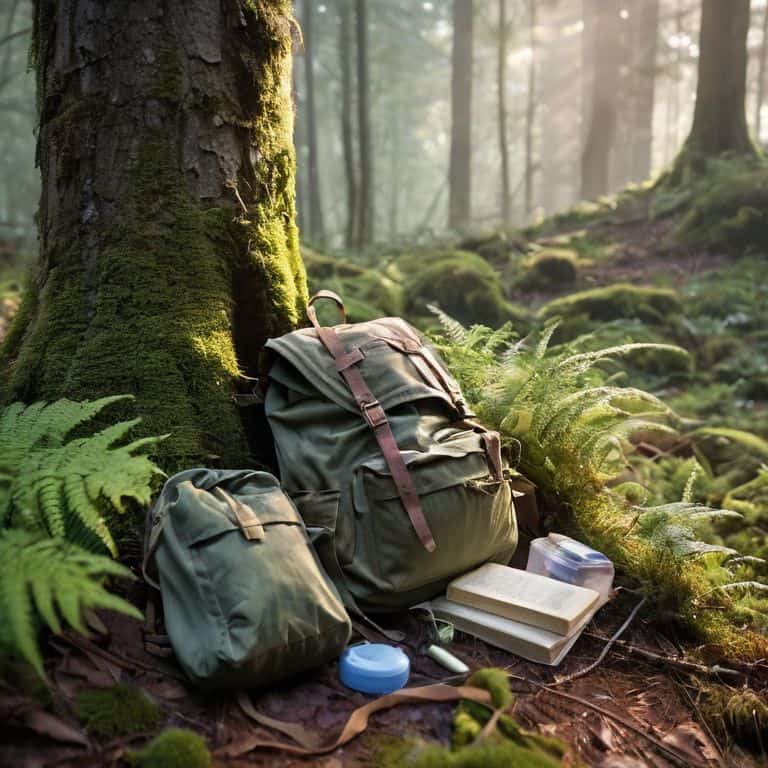
As I reflect on the journey of packing a go-bag, I’m reminded that it’s not just about checklists and essentials, but about embracing a mindset of preparedness that weaves together practicality and whimsy. From the initial steps of gathering necessities to the creative process of incorporating natural elements, every item we add to our bag is a testament to our connection with the world around us. By crafting our own 72 hour survival kits and weaving essential items with nature, we’re not only ensuring our safety but also cultivating a deeper appreciation for the beauty of the unknown.
As we embark on this path of preparedness, let’s not forget that our go-bags are more than just containers of emergency supplies – they’re symbols of our ability to transform uncertainty into opportunity. So, let’s continue to nurture our relationship with nature, to find inspiration in the vintage botanical illustrations that adorn our walls, and to infuse our daily lives with the magic of sustainable living. For in the end, it’s not just about being prepared for the unexpected, but about living a life that is grounded, whimsical, and deeply connected to the world we call home.
Frequently Asked Questions
What are the most essential items to include in a go-bag for a 72-hour wilderness survival scenario?
For a 72-hour wilderness survival scenario, I always pack the essentials: a water filter or purification tablets, a first-aid kit, a warm blanket, and a portable stove. I also include a few whimsical touches, like a handmade herbal tea blend and a tiny notebook for recording observations of the natural world.
How can I customize my bug-out bag to suit my specific needs and the types of emergencies I might face in my area?
As I ponder customization, I think of my own coastal upbringing – for me, it’s about tailoring my go-bag to potential seaside storms or wildfires. Consider your local climate and common emergencies, then tweak your kit with personalized essentials, like a water filter or warm blanket, to ensure your bug-out bag is a trusted companion in times of need.
What are some creative ways to incorporate natural materials and found objects into my go-bag to make it more sustainable and whimsical?
I adore adding a touch of the wild to my go-bag! Consider incorporating natural materials like woven fibers, pinecones, or dried flowers to give it a whimsical feel. You can also repurpose found objects like vintage tin containers or handmade ceramic bottles to store essentials, making your go-bag a unique reflection of your connection to nature.