As I sit here, wearing my signature mismatched socks, I’m reminded of the countless times I’ve seen people get bogged down by overly complicated explanations of what are lumens and how many do you need. It’s astonishing how often this straightforward concept is shrouded in jargon and technicalities, leaving many feeling bewildered. I recall a project where a client was misled into believing they needed an exorbitant amount of lumens for a relatively small space, resulting in an unnecessarily hefty bill. This experience taught me the importance of cutting through the hype and providing practical advice that aligns with real-world needs.
In this article, I promise to deliver a no-nonsense guide to understanding lumens and determining the right amount for your specific situation. I’ll share real-world examples and insights garnered from my own experiences, ensuring that you’re equipped with the knowledge to make informed decisions. My goal is to empower you with a deep understanding of what are lumens and how many do you need, allowing you to navigate the often-confusing world of lighting with confidence. By the end of this journey, you’ll be able to separate fact from fiction and make choices that perfectly illuminate your space, without breaking the bank.
Table of Contents
Illuminating the Future
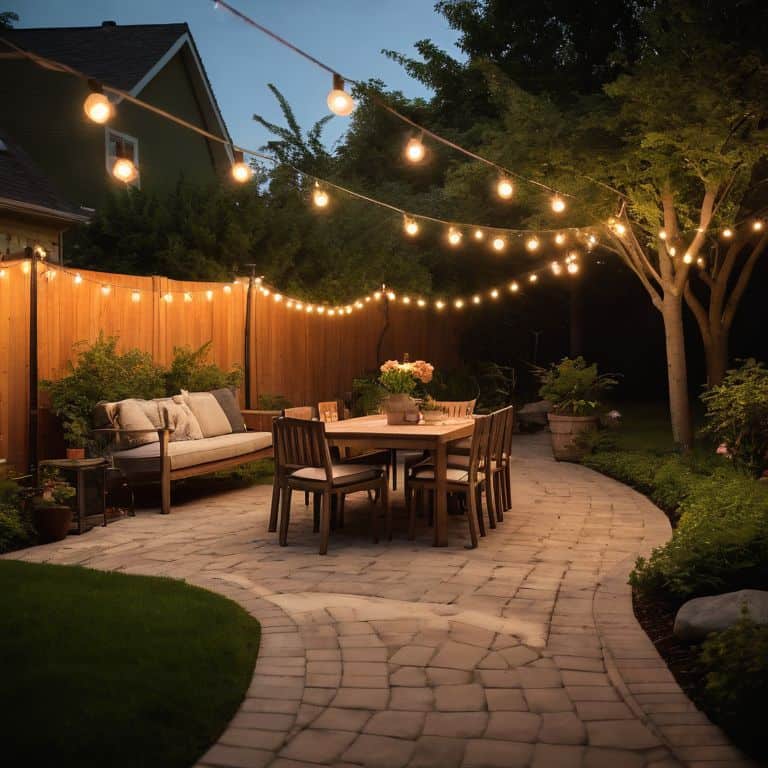
As I delve into the world of illumination, I’m reminded of my fascination with virtual reality worlds, where lighting can completely transform the ambiance. In our physical world, lumens per square foot is a crucial factor in determining the brightness of a space. When it comes to outdoor lighting, the requirements can vary greatly depending on the area and purpose. For instance, a patio might require different lumens compared to a pathway.
In my exploration of future trends, I’ve come across the LED light lumens comparison, which highlights the significant difference in energy efficiency between traditional lighting and LED lights. This got me thinking about the minimum lumens for reading, and how it can impact our daily activities. As a tech futurist, I’m excited about the potential of innovative lighting solutions to enhance our lives.
As I wear my mismatched socks, I’m inspired to think differently about lighting. The concept of task lighting lumens guide is particularly interesting, as it emphasizes the importance of tailoring lighting to specific tasks. By understanding the nuances of lumens and their applications, we can create more efficient and sustainable lighting systems. This, in turn, can have a profound impact on our environment and daily lives, ultimately illuminating the future with endless possibilities.
Led Light Lumens Comparison Guide
As I delve into the world of LED lighting, I find myself fascinated by the vast array of options available. When it comes to comparing different LED lights, a key factor to consider is the lumens per watt ratio, which gives us an idea of how efficiently a light source converts energy into visible light. This ratio is crucial in determining the overall brightness and energy consumption of a lighting system.
To make informed decisions, it’s essential to consult an LED lumens comparison chart, which provides a comprehensive overview of various LED lights and their corresponding lumens output. By analyzing such a chart, we can gain valuable insights into the performance and energy efficiency of different LED lighting options, ultimately helping us choose the best fit for our specific needs.
Unlocking Lumens Per Square Foot
When it comes to determining the right amount of lumens for a space, a crucial factor to consider is the area that needs to be illuminated. This is where the concept of lumens per square foot comes into play, helping us understand how much light is required to adequately brighten up a room.
To apply this concept effectively, we need to calculate the total lumens needed based on the space’s dimensions and intended use. The key to achieving optimal lighting lies in finding the perfect balance, and precise calculation is essential in this process.
What Are Lumens and How Many Do You Need
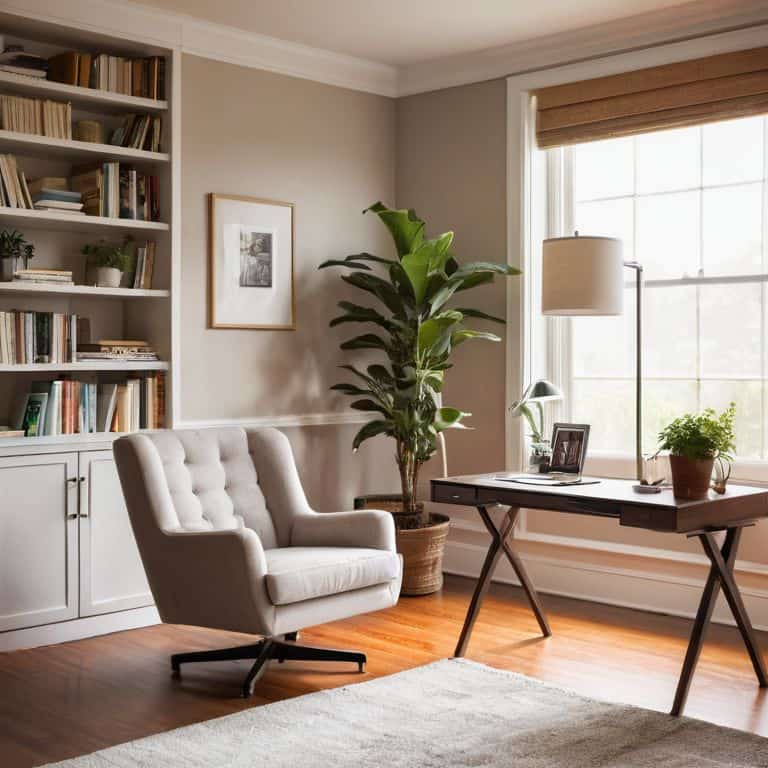
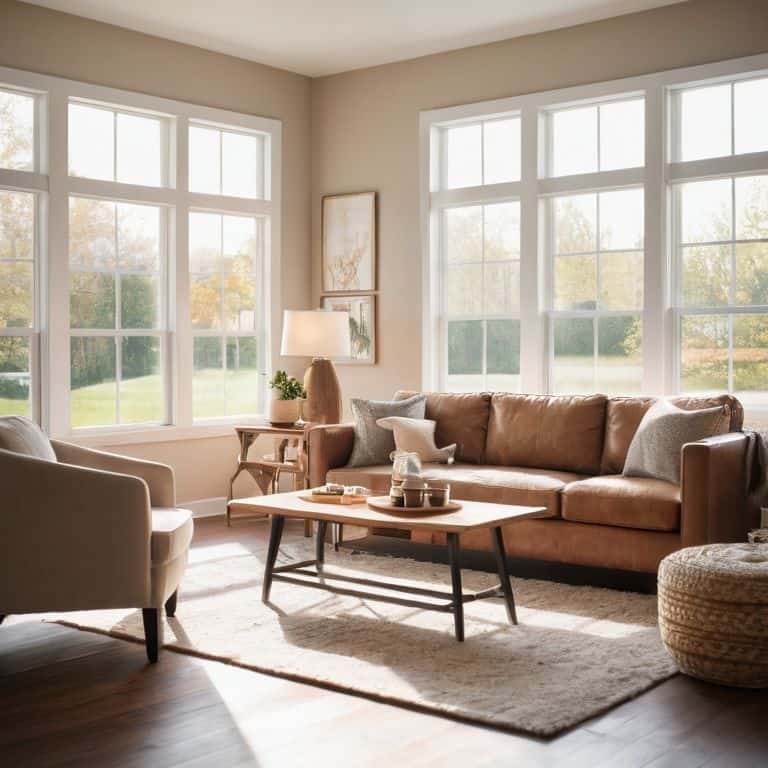
As I delve into the world of lighting, I’m reminded of the importance of lumens per square foot in determining the right amount of illumination for a space. When it comes to calculating the number of lumens needed, it’s essential to consider the size of the area and the type of activities that will be taking place. For instance, a room that requires task lighting will need a higher concentration of lumens than one that only needs ambient lighting.
To put this into perspective, let’s look at the LED light lumens comparison guide, which provides a comprehensive overview of the different lumens requirements for various spaces. This guide helps us understand that the number of lumens needed can vary greatly depending on the specific use case. For example, outdoor lighting lumens requirements are typically higher than those for indoor spaces.
When it comes to determining the minimum number of lumens required for a particular task, such as reading, it’s crucial to consider the minimum lumens for reading. This ensures that the lighting is sufficient to prevent eye strain and promote comfort. By understanding the relationship between lumens vs watts explained, we can make informed decisions about the type and number of light sources needed to achieve the desired level of illumination.
Lumens vs Watts Explained Simply
As I delve into the world of lighting, I’m reminded of the importance of understanding the difference between lumens and watts. It’s a common misconception that watts are a measure of brightness, but in reality, they represent the amount of energy a light bulb consumes. On the other hand, lumens measure the actual light output. This distinction is crucial when selecting the right lighting for a space.
When comparing lumens to watts, it’s essential to consider the efficiency of the light source. Traditional incandescent bulbs, for instance, convert a significant amount of energy into heat rather than light, whereas LED bulbs are much more efficient, producing more lumens per watt. This disparity highlights the need to focus on lumens when evaluating the brightness of a light, rather than relying solely on watts.
Task Lighting Lumens Guide for Reading
When it comes to reading, the right amount of light is crucial to reduce eye strain and improve focus. A good rule of thumb is to have around 400-800 lumens per square foot for task lighting, with adequate illumination being the key to comfortable reading. This can vary depending on the individual’s preferences and the type of material being read.
For a more precise approach, consider using task-oriented lighting that provides a concentrated beam of light exactly where you need it. This can be especially helpful for activities like reading, writing, or working on a computer, as it helps to minimize distractions and create a more productive environment.
Shining a Light on the Essentials: 5 Key Tips for Understanding Lumens
- Start by assessing the purpose of the space: different tasks require different levels of lumens, so consider what you’ll be doing in the area to determine your lighting needs
- Consider the size of the space: lumens per square foot is a crucial factor in deciding how many lights you’ll need and what wattage to choose
- Don’t confuse lumens with watts: while related, these two terms refer to different aspects of lighting, and understanding the distinction is key to making informed choices
- Think about the type of lighting you need: task lighting, ambient lighting, and accent lighting all have different lumen requirements, so it’s essential to know what type of lighting will best serve your purposes
- Explore the world of LED options: with their high lumen-to-watt ratio and energy efficiency, LED lights can be a game-changer for brightening up your space while saving you money in the long run
Key Takeaways for Brighter Spaces
I’ve learned that understanding lumens is crucial for creating inviting and functional environments, whether at home or in the office, and it’s essential to consider the specific tasks and spaces when determining the right amount of lighting
By grasping the difference between lumens and watts, and exploring options like LED lighting, we can make informed decisions about our lighting needs and reduce energy consumption, which is a step towards a more sustainable future
Ultimately, the key to unlocking the perfect lighting is to balance ambiance, functionality, and efficiency, and by following guides like the task lighting lumens guide, we can create spaces that not only look amazing but also support our well-being and productivity
Illuminating Insight
Lumens are not just a measure of light, but a bridge to a brighter future – where technology and sustainability converge to illuminate our path, and the right amount is not just a number, but a catalyst for innovation and progress.
Kristin Kell
Shining a Light on the Future
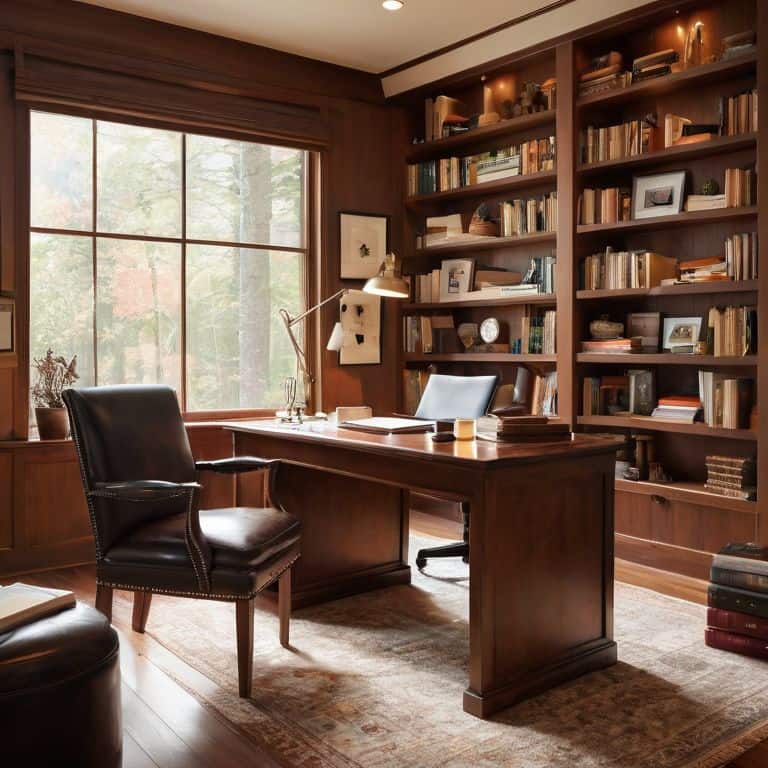
As we conclude our journey through the world of lumens, it’s essential to remember the basics: understanding the difference between lumens and watts, and how many lumens you need per square foot. We’ve explored the LED light lumens comparison guide, task lighting for reading, and even delved into the concept of lumens vs watts. By grasping these fundamental concepts, you’ll be well on your way to creating a brighter, more efficient space that meets your unique needs. Whether you’re looking to illuminate a home office or a entire house, the key is to find the perfect balance of light and energy efficiency.
As you move forward, armed with this newfound knowledge, I encourage you to think differently about the role of lighting in your life. Imagine a future where smart lighting systems seamlessly integrate with your daily routine, adapting to your needs and preferences. By embracing the power of lumens and innovative lighting technologies, we can create a brighter, more sustainable future – one that’s full of possibilities and promise. So, go ahead and shine a light on your world, and watch as it transforms into a vibrant, radiant space that inspires and delights.
Frequently Asked Questions
How do I calculate the optimal number of lumens required for my specific room or workspace?
To calculate the optimal lumens, I consider the room’s size, task requirements, and desired ambiance. A simple formula is to multiply the square footage by the desired lumens per square foot, typically ranging from 10-50 lumens for general lighting to 50-100 lumens for task-oriented areas.
What is the difference between lumens and watts, and how does it impact my lighting choices?
For me, understanding the difference between lumens and watts was a game-changer. Simply put, watts measure energy consumption, while lumens measure actual light output. Think of it like your computer’s processing power versus its battery life – they’re related, but distinct. This distinction is crucial when choosing lighting, as it helps you balance brightness with energy efficiency.
Are there any standard lumens recommendations for different tasks, such as cooking, reading, or watching TV?
When it comes to cooking, reading, or watching TV, there are indeed standard lumens recommendations. For example, the Illuminating Engineering Society suggests 400-800 lumens for cooking, 300-500 lumens for reading, and 200-400 lumens for watching TV. These guidelines help ensure you have the right amount of light for each task, making your daily activities more comfortable and enjoyable.