As I sit in my cozy little nook, surrounded by vintage teapots and the warm glow of lamplight, I often think about the common myths surrounding how to improve energy efficiency. One that always makes me smile is the idea that it requires a complete overhaul of our homes, ripping out old charm to make way for sleek, modern solutions. But the truth is, small changes can add up, and it’s often the simplest tweaks that make the biggest difference in reducing our energy footprint.
In this article, I promise to share practical advice on how to improve energy efficiency, gleaned from my own experiences transforming my Victorian home into a warm and welcoming space. From the hearth of my kitchen, named after the inimitable Mrs. Bennet from Pride and Prejudice, to the whimsical wonder of my attic bedroom, inspired by the tales of Alice in Wonderland, I’ll guide you through the process of uncovering the hidden potential in your own home to become more energy-efficient. Together, let’s embark on a journey to create spaces that are not only kinder to the planet but also infused with the magic of storytelling and the comfort of a well-loved home.
Table of Contents
Guide Overview: What You'll Need
Total Time: 1 hour 45 minutes
Estimated Cost: $50 – $100
Difficulty Level: Intermediate
Tools Required
- Caulk Gun (for sealing air leaks)
- Tape Measure (for measuring windows and doors)
- Drill (with screwdriver and drill bits)
- LED Light Bulbs (for replacing incandescent bulbs)
Supplies & Materials
- Weatherstripping (for sealing gaps around doors)
- Insulation (for attic or wall insulation)
- Low-Flow Showerhead (for reducing water usage)
- Power Strip (for plugging in electronics to turn off with one switch)
Step-by-Step Instructions
- 1. First, let’s start by assessing our home’s energy efficiency, shall we, by conducting a thorough energy audit? This involves checking for any air leaks, inspecting our insulation, and examining our windows and doors for any gaps or cracks that might be letting the warmth escape. I like to think of it as giving my home a gentle once-over, much like my grandmother used to do when she was searching for the perfect fabric for her latest sewing project.
- 2. Next, we need to seal those gaps and make our home more airtight. This can be as simple as adding some weatherstripping around our doors and windows or using caulk to fill in any cracks in the walls. I find that this step is quite therapeutic, rather like stitching together a beautiful quilt – each seam bringing the pieces closer together to create something warm and cozy.
- 3. Now, let’s talk about insulation, the unsung hero of energy efficiency. Proper insulation can make a huge difference in keeping our homes warm in the winter and cool in the summer. I recommend checking our attic, walls, and floors to see if they need any additional insulation. It’s a bit like adding a plush throw blanket to our favorite reading nook – it just makes everything feel cozier.
- 4. Moving on to our lighting, we can make a significant impact by switching to energy-efficient bulbs. Not only do they use less energy, but they also last longer, which means we’ll be replacing them less often. I’ve found that the soft glow of these bulbs adds a warm ambiance to my home, much like the gentle light of a vintage lamp.
- 5. Another crucial step is to optimize our thermostat. By adjusting the temperature just a few degrees, we can save a significant amount of energy. I like to think of it as finding the perfect brew for my tea – it’s all about finding that delicate balance. During the winter, we can turn the thermostat down a notch or two when we’re sleeping or not at home, and in the summer, we can do the opposite.
- 6. Let’s not forget about our appliances, my friends. Using energy-efficient appliances can make a substantial difference in our energy consumption. When it’s time to replace our old appliances, look for ones with the Energy Star label, which indicates that they meet energy efficiency standards. It’s a bit like selecting the perfect vintage teapot – we want one that’s not only beautiful but also functional.
- 7. Finally, let’s bring some natural light into our homes. By opening our curtains and blinds during the day, we can reduce our need for artificial lighting. And, of course, we can also add some plants to our spaces, which not only purify the air but also add a touch of warmth and personality to our rooms. I find that this step is quite like adding the final touches to a beautifully designed room – it’s all about creating a sense of harmony and balance.
Whispers of Efficiency
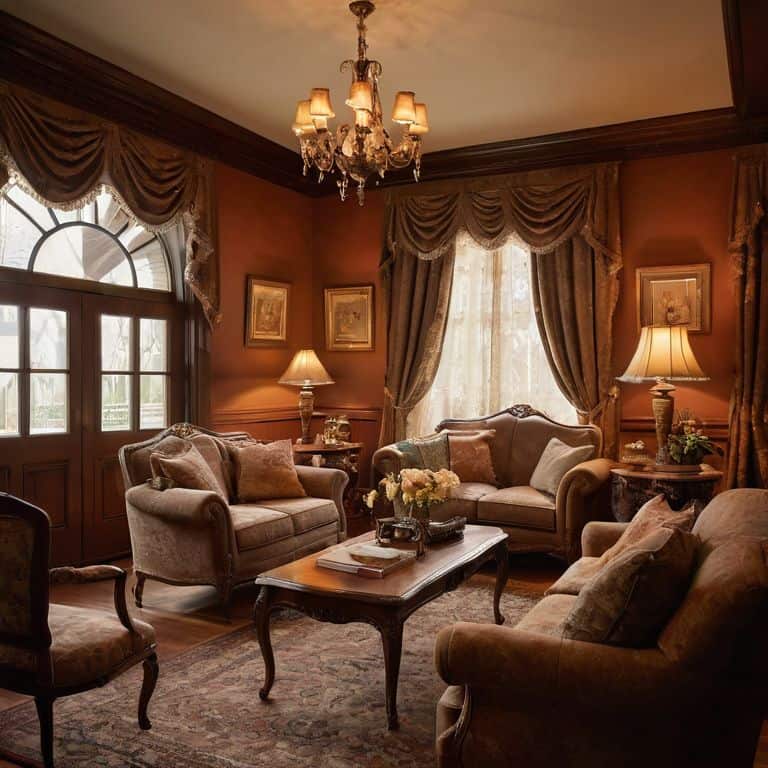
As I sit in my “Elizabeth Bennet” parlor, surrounded by the soft glow of energy efficient lighting solutions, I am reminded that the journey to a more eco-friendly home is a gentle one. It’s about embracing passive house design principles that not only reduce our carbon footprint but also create a sense of warmth and coziness. By incorporating elements like thick insulation, double-glazed windows, and a well-designed ventilation system, we can significantly reduce heat loss and gain, making our homes feel snug and inviting.
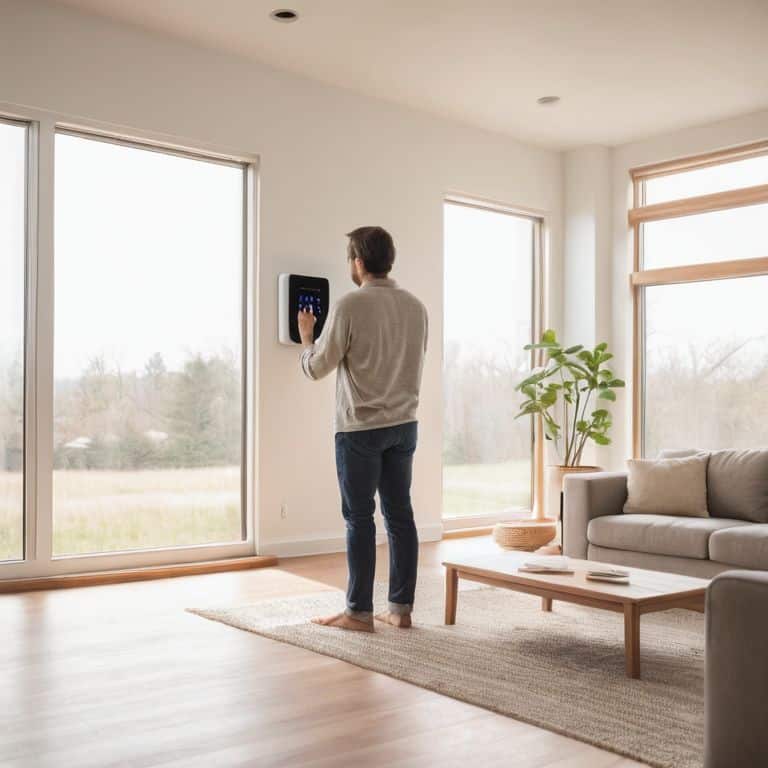
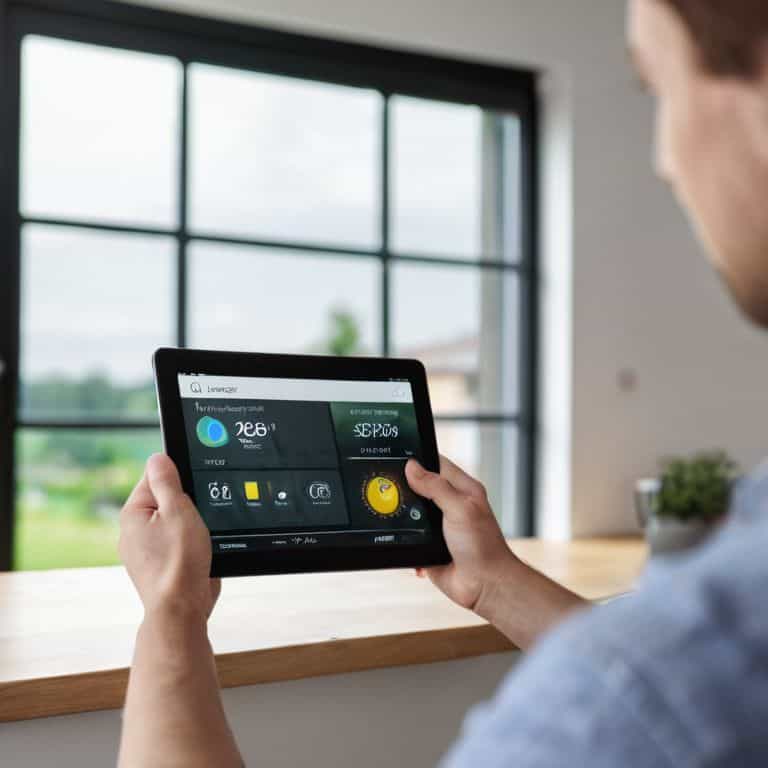
In my own home, I’ve discovered the charm of smart home automation for energy savings. With a simple voice command, I can adjust the lighting, temperature, and even the curtains to optimize energy usage. It’s a small step, but one that makes a significant difference in the long run. As I sip my tea from a vintage teapot, I feel grateful for the little luxuries that make life more enjoyable, all while being mindful of our planet’s well-being.
As we continue on this path, it’s essential to consider the eco friendly building materials we use in our homes. From reclaimed wood to low-VOC paints, every choice counts. By making informed decisions, we can create spaces that not only tell stories but also promote a healthier environment. Whether you’re renovating or building from scratch, remember that every detail, no matter how small, contributes to a larger narrative of sustainability and comfort.
Illuminating Energy Efficient Lighting Solutions
As I wander through my “Elizabeth Bennet” drawing room, I’m reminded of the soft glow that can transform a space. Energy-efficient lighting is not just a practical choice, but a design opportunity. Table lamps with LED bulbs, for instance, can add a warm ambiance while reducing energy consumption. I’ve also fallen in love with string lights made from vintage bulbs, which add a whimsical touch to my “Heathcliff” reading nook.
By layering lighting, we can create a cozy atmosphere that’s both inviting and eco-friendly. Dimmable LED bulbs and smart lighting systems are also great options, allowing us to adjust the mood and energy usage with ease. As I sip tea from my favorite vintage teapot, I feel grateful for these small changes that make a big impact on our planet, one warm and welcoming room at a time.
Unveiling Passive House Design Principles
As I sip tea from my vintage teapot in the “Heathcliff” room, I ponder the beauty of passive house design. It’s a concept that whispers secrets of energy efficiency, where the home becomes a gentle hug, embracing nature’s rhythms. By carefully orienting windows, insulating with love, and sealing air leaks, we can create a cozy cocoon that nurtures both body and soul. The result is a haven that not only reduces our carbon footprint but also wraps us in a sense of tranquility.
In this serene space, I find inspiration for my own home, where the “Elizabeth Bennet” library and “Sherlock Holmes” study await their own energy-efficient makeovers. By weaving passive house principles into our daily lives, we can transform our homes into uplifting sanctuaries, where every corner tells a story of warmth and wonder.
Weaving a Tapestry of Efficiency: 5 Timeless Tips to Enchant Your Home
- Embracing the charm of厚衣 (wearing more clothes) to reduce the need for central heating, just as my grandmother did on chilly mornings in our Victorian home
- Conjuring the soft glow of candlelight, but with a twist: using energy-efficient LED bulbs in vintage fixtures to create a warm ambiance without the energy cost
- Uncovering the secret to draft-free delight: sealing those sneaky gaps and cracks around windows and doors with a dash of DIY magic and a pinch of caulk
- Spinning a tale of thermal curtains: using plush, vintage-inspired drapes to keep warmth in and the chill out, just like the ones my father restored for our family’s old armchairs
- Whispering sweet nothings to your thermostat: programming it to dance with the seasons, adjusting temperatures with the rhythm of nature to create a harmonious balance between comfort and energy efficiency
Weaving Efficiency into Everyday Life: 3 Key Takeaways
Embracing the concept of passive house design can significantly reduce our environmental footprint, one cozy room at a time, by maximizing natural light and insulation
By incorporating energy-efficient lighting solutions, such as LED bulbs and smart lighting systems, we can create ambiance and reduce energy consumption, making our homes kinder to the planet
Transforming our homes into energy-efficient havens is not just about implementing new technologies, but also about adopting mindful habits, like adjusting our thermostat and using eco-friendly materials, to weave a tale of warmth and sustainability
A Whisper of Wisdom
As we weave a tapestry of warmth and welcome in our homes, let us not forget that every thread of energy efficiency is a testament to the tales of tomorrow, where comfort and conservation entwine like the tender shoots of a vintage tea rose.
Margaret Silva
Weaving a Sustainable Future
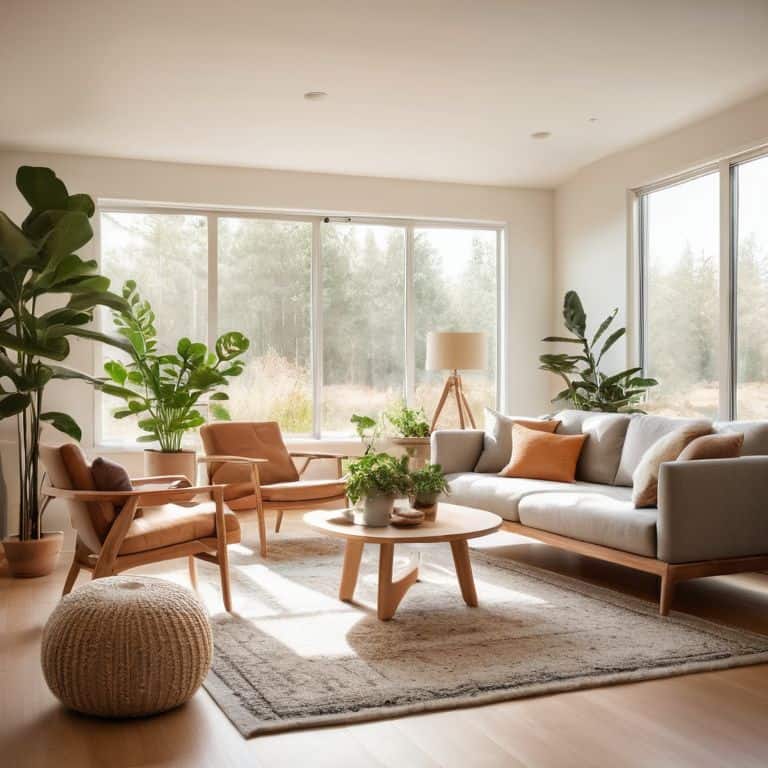
As we conclude our journey to improve energy efficiency, let’s summarize the key takeaways: from embracing passive house design principles to illuminating our spaces with energy-efficient lighting solutions. These steps, though simple, are powerful in their cumulative effect, helping us reduce our carbon footprint and create a cozier, more sustainable home. By incorporating these practices into our daily lives, we not only contribute to a healthier planet but also nurture a sense of warmth and comfort within our own walls.
So, let’s embark on this green transformation with enthusiasm and creativity, turning our homes into living stories of sustainability and wonder. As we sip tea from our vintage teapots in our newly efficient abodes, let’s remember that every small change whispers a larger story of care, not just for our homes, but for the world we call home.
Frequently Asked Questions
What are some simple and cost-effective ways to reduce heat loss in my home?
Let’s warm up to the idea of reducing heat loss, shall we? Simple solutions like sealing drafts, adding area rugs, and using thermal curtains can make a significant difference. Plus, swapping to energy-efficient windows or applying window film can help keep the coziness in and the chill out, all without breaking the bank.
How can I balance energy efficiency with aesthetics in my home decor?
For me, balancing energy efficiency with aesthetics is all about finding harmony between form and function. I adore incorporating vintage pieces, like my beloved teapots, alongside eco-friendly elements, such as soft LED lighting, to create a cozy, whimsical atmosphere that’s both kind to the planet and gentle on the eyes.
Are there any specific energy-efficient practices that are particularly well-suited for vintage or historic homes like my own?
For vintage or historic homes like yours, I adore incorporating traditional techniques with modern twists, such as restoring original windows with energy-efficient glazing or adding insulation while preserving architectural integrity, to create a cozy, eco-friendly haven that honors its heritage.