As I sit in my Emily Brontë room, surrounded by vintage teapots and the soft glow of afternoon light, I find myself pondering the age-old question: what is plumber’s putty vs silicone? It’s a dilemma that has faced many a homeowner, including myself, when tackling those pesky DIY projects or restoring antique fixtures to their former glory. I recall my father, a skilled restorer of antique furniture, grappling with the same conundrum in our charming old Victorian house. His stories of trial and error have stuck with me, and now I’m eager to share my own insights on this often-confusing topic.
In this article, I promise to provide you with honest, no-nonsense advice on the differences between plumber’s putty and silicone. I’ll draw from my own experiences as a home stylist and blogger, as well as my education in interior design, to give you a clear understanding of when to use each material. My goal is to empower you with the knowledge to make informed decisions about your own home restoration projects, and to inspire you to create spaces that tell stories. So, let’s dive in and explore the world of plumber’s putty and silicone, shall we?
Table of Contents
Plumber's Putty
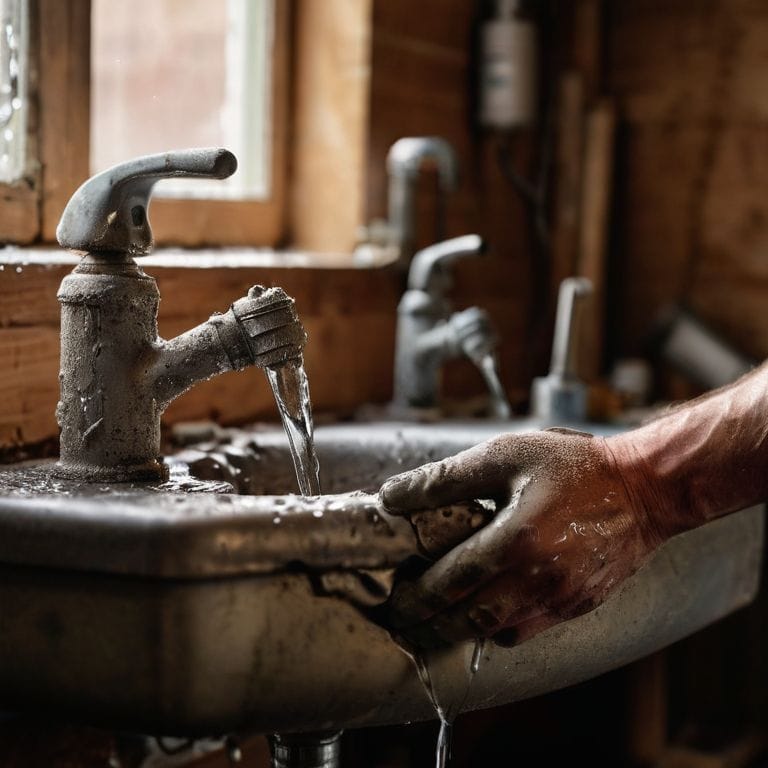
Plumber’s putty is a type of malleable sealing material used for creating watertight seals in plumbing fixtures, with its core mechanism relying on the user molding it to fit specific applications, and its main selling point being its ease of use. This traditional sealing solution has been a staple in many plumbers’ and DIY enthusiasts’ toolkits for decades, thanks to its ability to provide a reliable seal without the need for extensive preparation or specialized tools. The inclusion of the keyword plumber’s putty in this context highlights its relevance to the comparison at hand.
As someone who appreciates the whimsy of vintage homes, I can attest that plumber’s putty has been a trusted ally in maintaining the charm of old fixtures, allowing me to breathe new life into antique pieces that would otherwise be destined for replacement. By understanding the role of plumber’s putty in preserving these historical elements, I’ve developed a deeper appreciation for the art of restoration, where every detail, no matter how small, contributes to the overall narrative of a space. Whether it’s recaulking an old sink or sealing a leaky faucet, plumber’s putty has proven to be an indispensable tool in my quest to create living, breathing spaces that tell stories.
Silicone
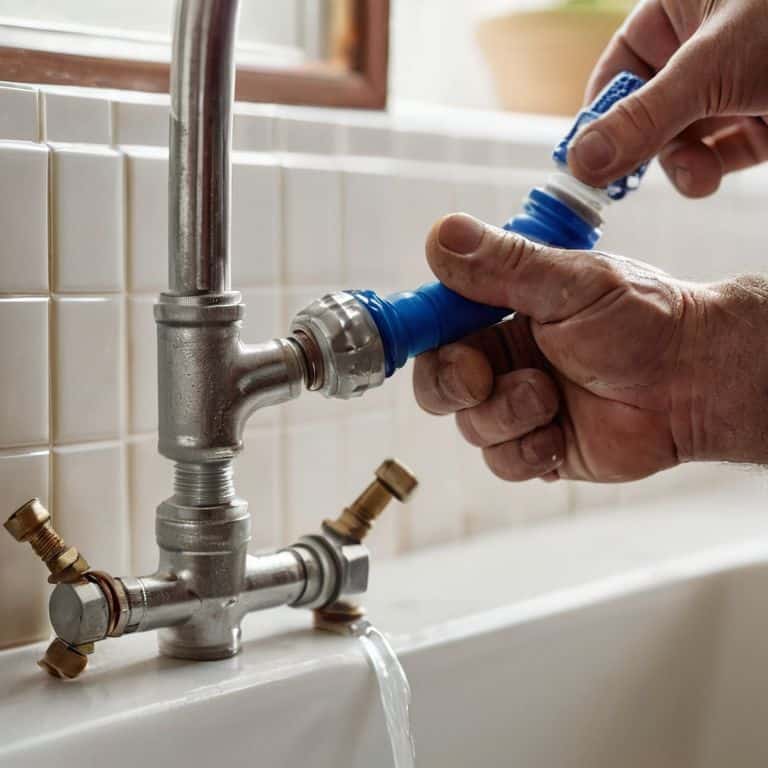
Silicone, on the other hand, is a modern, high-performance sealing material that boasts excellent flexibility, durability, and resistance to extreme temperatures, making it an ideal choice for a wide range of applications, from plumbing to insulation, with its main advantage being its long-lasting seal. Unlike traditional sealing materials, silicone provides a consistent, reliable seal that can withstand the test of time, reducing the need for frequent repairs and replacements. The versatility of silicone in various contexts underscores its value in both modern and vintage settings.
In my experience as a home stylist, I’ve found that silicone offers a unique opportunity to merge functionality with aesthetics, allowing me to create seamless transitions between different design elements. By leveraging the flexibility of silicone, I can ensure that every seal, no matter how small, contributes to the overall cohesion of a space, rather than detracting from it. Whether I’m working with modern materials or restoring vintage fixtures, silicone has become an essential component in my toolkit, enabling me to craft spaces that are not only beautiful but also functional and enduring.
Plumber's Putty vs Silicone: Head-to-Head Comparison
| Feature | Plumber's Putty | Silicone |
|---|---|---|
| Price | Low ($5-$10) | Moderate ($10-$20) |
| Key Feature | Seals and fills gaps | Flexible and waterproof seal |
| Best For | Drain assemblies, faucet installations | General sealing, waterproofing, and insulation |
| Durability | Temporary, may dry out | Long-lasting, resistant to weathering |
| Ease of Use | Easy to apply, moldable | Easy to apply, self-leveling |
| Chemical Resistance | Limited resistance | High resistance to chemicals and oils |
| Curing Time | None, ready to use | Minutes to hours, depending on type |
What Is Plumbers Putty vs Silicone

As I sit in my Emily Dickinson study, surrounded by vintage teapots and the soft glow of afternoon light, I am reminded that the choice between plumber’s putty and silicone is not just about functionality, but about the story we tell with our spaces. The why behind this choice is crucial, as it can make or break the ambiance of a room.
When it comes to plumber’s putty vs silicone, the difference lies in their ease of use. Plumber’s putty is a more traditional choice, often requiring a bit more elbow grease to apply and shape. On the other hand, silicone is generally easier to work with, providing a smooth and seamless application process. In practical terms, this means that silicone can be a better option for those who value convenience and speed.
In contrast, plumber’s putty offers a more traditional and nostalgic feel, which can be appealing to those who value the character of older homes. However, when considering the practical implications, I would declare silicone the winner in this category, as its ease of use makes it a more practical choice for many homeowners.
3 Key Takeaways to Seal Your Space with Wonder
As I sit in my ‘Heathcliff’s Haven’ study, surrounded by vintage teapots and the whispers of Wuthering Heights, I’m reminded that plumber’s putty and silicone are not just practical tools, but also storytelling elements that can elevate our spaces into living narratives.
By understanding the unique characteristics of each – plumber’s putty’s ease of use and silicone’s durability – we can make informed choices that not only ensure a job well done, but also reflect our personal style and the essence of our homes, much like how I’ve curated each room to reflect a literary character that resonates with me.
Whether you’re a seasoned DIY enthusiast or a curious newcomer, embracing the whimsy of plumber’s putty and silicone can inspire a sense of nostalgia and wonder in your home, transforming everyday spaces into extraordinary stories that unfold with each cup of tea savored from my beloved vintage teapots.
Embracing the Art of Distinction
Just as a beautifully crafted teapot can elevate the simplest of moments, understanding the nuances between plumber’s putty and silicone can transform the way we approach the often-overlooked details in our homes, weaving a narrative of care and character into every seal and joint.
Margaret Silva
The Final Verdict: Which Should You Choose?
As I sit in my Emma’s Library, surrounded by vintage teapots and the warmth of good company, I reflect on the journey of comparing plumber’s putty and silicone. It’s clear that both have their unique strengths and weaknesses, making them suited for different tasks and preferences. The key to choosing between them lies in understanding the specific needs of your project, whether it’s the flexibility and ease of use offered by plumber’s putty or the durability and versatility of silicone.
In the end, the overall winner depends on the type of user. For DIY enthusiasts and those working on vintage restoration projects like my father, plumber’s putty might be the better choice due to its traditional appeal and ease of removal. However, for most homeowners and professionals seeking a reliable, long-lasting seal, silicone is the way to go, offering superior durability and resistance to extreme temperatures and conditions. Each has its place, and by understanding these differences, we can create spaces that not only tell stories but also stand the test of time.
Frequently Asked Questions
What are the most common uses for plumber's putty versus silicone in home renovation projects?
In my own home renovations, I’ve found that plumber’s putty is perfect for sealing faucets and drains, while silicone is better suited for caulking windows and doors, adding a touch of whimsy to the everyday tasks of home upkeep.
How do I decide which one to use for a specific task, like sealing a sink or caulking a bathtub?
For me, it’s all about the story the space tells – and the right sealant is the unsung hero. When deciding between plumber’s putty and silicone, I consider the task’s demands: plumber’s putty is perfect for creating a watertight seal on sinks and faucets, while silicone is better suited for caulking bathtubs and areas that need flexibility and durability.
Are there any safety precautions or environmental considerations I should keep in mind when working with plumber's putty or silicone?
When working with plumber’s putty or silicone, I always remind my clients to wear gloves and work in a well-ventilated area to avoid skin irritation and fumes. It’s also essential to follow the manufacturer’s instructions and dispose of any excess materials responsibly to minimize environmental impact.