As I sat around the crackling flames on a chilly desert night, I realized that building a campfire safely is an art that requires some know-how, and it’s often misunderstood. Many of us have been taught to believe that constructing a campfire is a simple matter of piling some twigs together and lighting them up, but this couldn’t be further from the truth. I’ve learned that how to safely build a campfire is a delicate process that demands attention to detail and a deep respect for the natural environment. My journey as a travel writer has taken me to countless campsites around the world, and I’ve seen my fair share of campfire mishaps.
In this article, I promise to share my practical tips and tricks for building a campfire that’s both safe and enjoyable. You’ll learn how to choose the perfect spot, prepare the right materials, and tend to the flames with ease. Whether you’re a seasoned camper or a novice adventurer, you’ll appreciate the honest advice and real-life examples that I’ll be sharing. By the end of this guide, you’ll be well on your way to becoming a campfire master, and you’ll be able to enjoy the warm glow of a crackling fire without worrying about the risks. So, let’s get started and explore the art of how to safely build a campfire!
Table of Contents
Guide Overview: What You'll Need
Total Time: 30 minutes to 1 hour
Estimated Cost: $0 – $10
Difficulty Level: Easy
Tools Required
- Shovel (for digging a fire pit)
- Trowel (for mixing ashes and soil)
- Fire starters (e.g., matches, lighter, firestarters)
- Gloves (heat-resistant)
Supplies & Materials
- Firewood (well-seasoned, 16 inches or smaller in diameter)
- Kindling (e.g., twigs, small sticks, 2 inches or smaller in diameter)
- Tinder (e.g., dry leaves, grass, or small dry sticks)
- Water (for extinguishing the fire)
- Rock or fire ring (for containing the fire, if not using a pre-existing fire pit)
Step-by-Step Instructions
- 1. First, choose a safe location for your campfire, away from flammable materials, overhanging branches, and sensitive ecosystems. I recall a trip to the mountains where we had to navigate through a dense forest to find the perfect spot, and it was well worth the effort. As I always say, a good campfire starts with a good foundation.
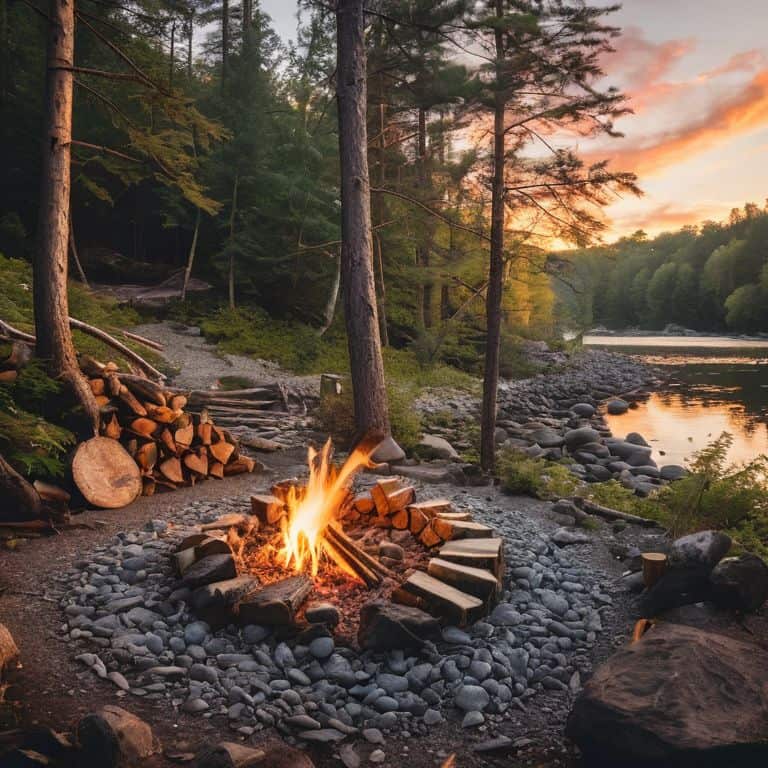
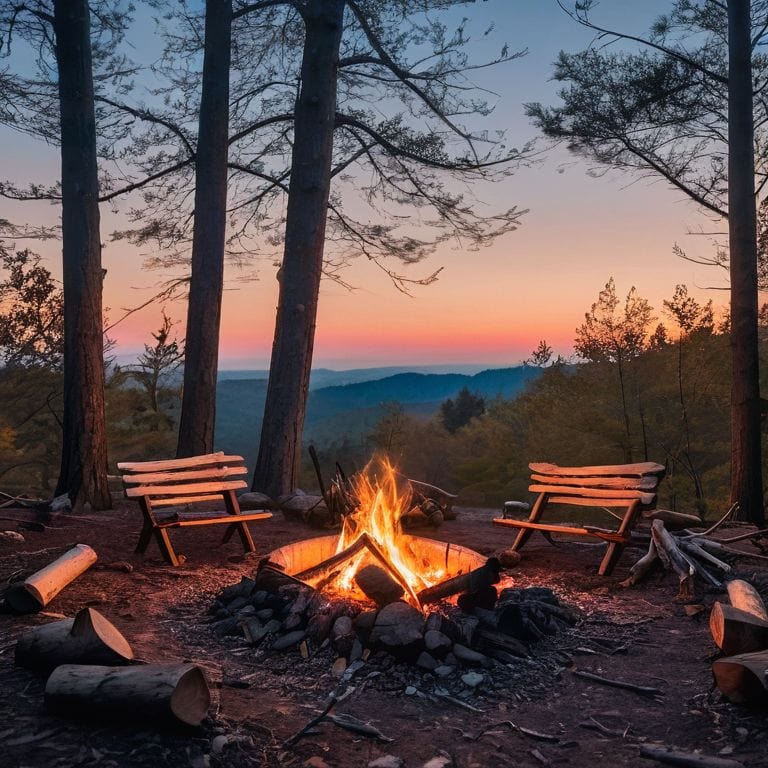
- 2. Next, prepare the area by clearing any leaves, grass, or other combustible materials, and create a fire ring or pit if you’re in a designated campsite. I’ve found that using rocks to contain the fire is not only visually appealing but also helps with safety. Make sure the fire ring is at least 15 feet away from any flammable structures or vegetation.
- 3. Now, gather your tinder, kindling, and larger logs, and organize them by size. I like to think of this step as building a fire hierarchy, where each piece of wood has its own role to play in the fire’s success. You’ll need some dry, fluffy material to start with, followed by small twigs and sticks, and finally, some larger logs to keep the fire burning.
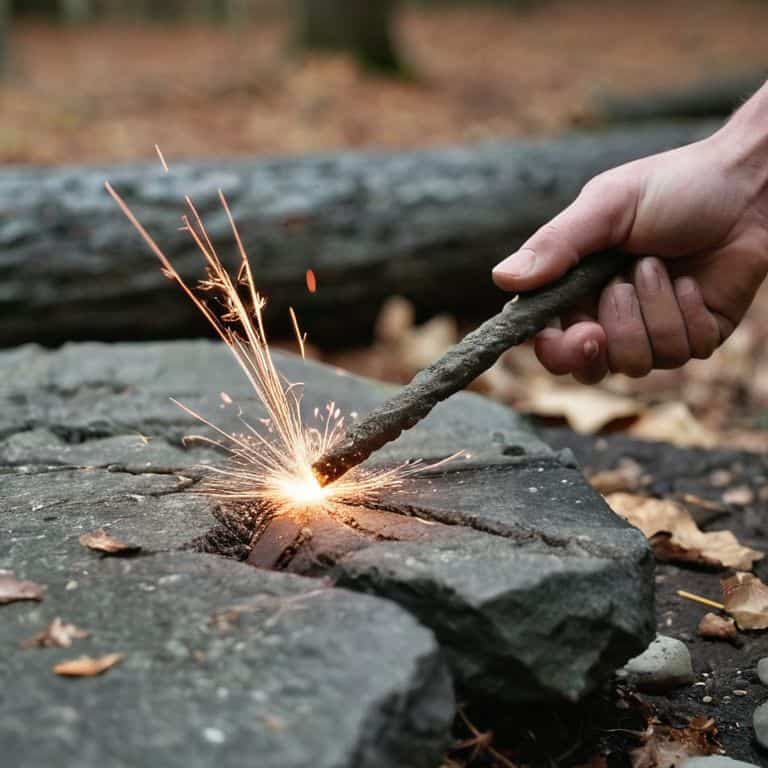
- 4. To start the fire, use a fire starter of your choice, such as matches, a lighter, or a fire starter kit. I’ve had my fair share of struggles with starting fires, but I’ve found that keeping a dry fire starter is essential. Once you’ve got your flame, gently blow on it to help it spread to the rest of the tinder.
- 5. As the fire grows, you can begin to add more kindling and larger logs, arranging them in a teepee shape to allow for good airflow. I’ve found that this shape helps the fire breathe and burn more efficiently. Make sure to leave enough space in the center for air to flow and help the fire get enough oxygen.
- 6. Once your fire is burning steadily, you can add larger logs to keep it going, and use a fire screen or grate to contain sparks and embers. I always make sure to keep a bucket of water or a fire extinguisher nearby, just in case. It’s also a good idea to have a shovel or trowel on hand to help with ash and ember management.
- 7. As you enjoy your campfire, be sure to monitor the wind conditions and keep an eye on the fire’s size and intensity. I’ve had experiences where a sudden gust of wind has spread embers and sparks, so it’s essential to be prepared for any situation. If you need to leave the campsite, make sure to fully extinguish the fire using the drown, stir, and repeat method.
Safely Building Campfires
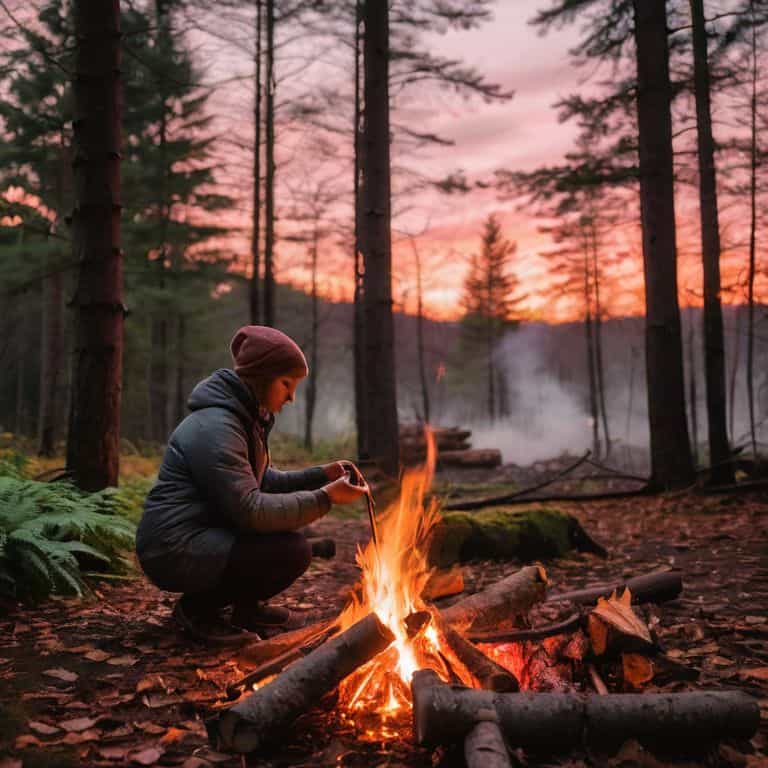
As I reflect on my adventures, I’ve learned that campfire building techniques are just as important as the stories shared around them. When it comes to safely building campfires, it’s essential to consider the surroundings and choose the right materials. I recall a trip to the woods where I had to improvise with damp firewood, making the process much more challenging.
In such situations, having the right safety precautions for camping fires can make all the difference. This includes keeping a bucket of water or a fire extinguisher nearby, as well as being mindful of local fire safety regulations. It’s also crucial to select the appropriate firewood, as some types burn more efficiently and safely than others.
When building a campfire in wet conditions, it’s vital to find a spot with some protection from the elements. I’ve found that building a campfire in a pit or a designated fire ring can help contain the fire and reduce the risk of it spreading. Additionally, using the right campfire cooking methods can enhance the overall experience, from hearty stews to toasted marshmallows, all while enjoying the warmth and ambiance of the fire.
Campfire Cooking Magic
As I sit by the warm glow of our campfire, I’m reminded of the enchanting world of campfire cooking. With a few simple tools and some creativity, the possibilities are endless. I’ve watched as fellow travelers whip up hearty stews, roast marshmallows to perfection, and even bake delicious pizzas in cast-iron skillets. The smell of sizzling vegetables and meats wafts through the air, teasing our taste buds and drawing us in.
With a well-built campfire, the cooking magic begins. I love experimenting with new recipes and ingredients, inspired by the local flavors of each destination. Whether it’s a spicy curry in India or a rich paella in Spain, campfire cooking allows me to connect with the culture and people of each place, one delicious bite at a time.
Choosing Firewood Wisely
As I wandered through the forest, collecting twigs and branches for our campfire, I realized that choosing the right firewood is an art in itself. The type of wood you select can make all the difference in the flavor of your s’mores and the warmth of your flames. I’ve found that seasoned hardwoods like oak and maple burn slowly and steadily, casting a golden glow over our campsite. Softwoods, on the other hand, tend to produce more smoke and sparks, which can be a nuisance.
When selecting firewood, I look for dry, well-seasoned logs with a nice balance of size and shape. A mix of small twigs and larger branches helps the fire get started and sustains it throughout the night. Avoiding green or damp wood is crucial, as it can produce toxic fumes and hinder the fire’s overall performance. By choosing firewood wisely, you’ll be rewarded with a warm, cozy blaze that’s perfect for swapping stories and making memories under the stars.
Ember Essentials: 5 Tips for a Safely Built Campfire
- Select a safe location for your campfire, away from flammable materials and overhanging branches, and always follow local fire restrictions
- Prepare your site by clearing leaves, grass, and other combustible materials, and create a fire ring or pit if possible
- Choose your firewood wisely, opting for dry, well-seasoned wood that will burn efficiently and produce minimal smoke
- Keep a bucket of water or a fire extinguisher nearby, and never leave your campfire unattended, even for a moment
- Fully extinguish your campfire before leaving it, using the ‘drown, stir, and repeat’ method to ensure it’s completely out, and then scatter the cooled ashes
Embers of Wisdom: 3 Key Takeaways for Safely Building a Campfire
Always prepare a fire pit or ring, keeping a bucket of water or a fire extinguisher nearby to ensure a safe and controlled blaze
Selecting the right firewood is crucial – opt for dry, well-seasoned wood to minimize smoke and maximize warmth, and never leave a campfire unattended
Beyond the basics, campfire cooking can be a true delight, from hearty stews to toasted marshmallows, so don’t be afraid to experiment and find your own campfire magic
Embers of Wisdom
A campfire is not just a flame, but a bridge between worlds, a spark that ignites stories, and a warm whisper that reminds us of our place within the wild tapestry of nature – tend it with care, and it will tend to your soul.
Julie Wright
Embers of Adventure: A Lasting Glow
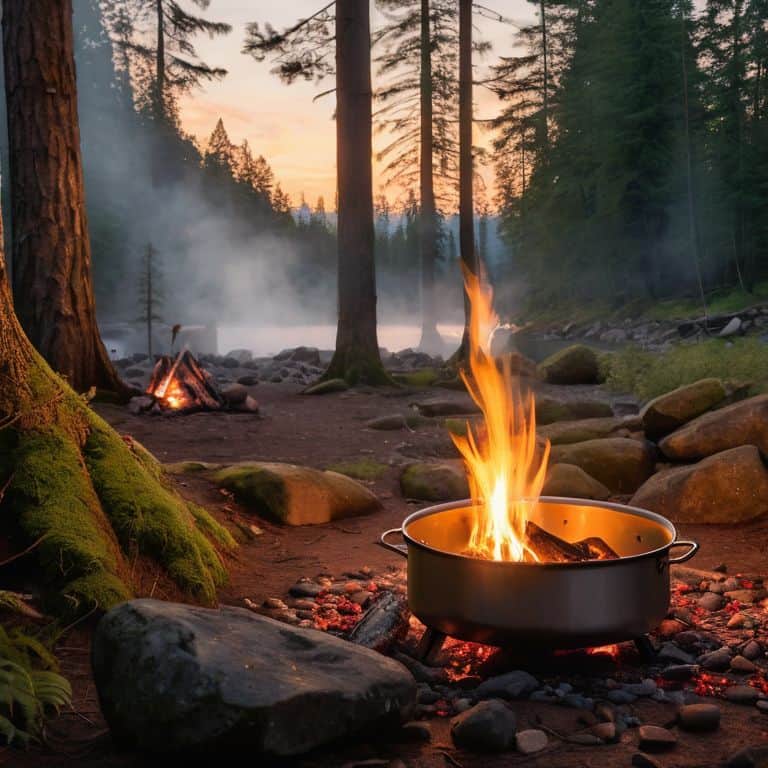
As I reflect on the art of safely building a campfire, I’m reminded of the importance of balance between nature and human presence. We’ve covered the essential steps, from choosing the right firewood to mastering the magic of campfire cooking. It’s crucial to respect the land and follow guidelines to minimize our impact, ensuring that these natural wonders remain untouched for future generations. By being mindful of our actions and taking the necessary precautions, we can create a harmonious relationship between our love for adventure and the preservation of the environment.
As the flames dance and flicker, casting a warm glow over the landscape, I’m filled with a sense of wonder and awe. The experience of building a campfire is more than just a practical skill – it’s a way to connect with the world around us, to slow down and appreciate the beauty that surrounds us. So, the next time you find yourself under the stars, surrounded by the crackling sounds of a campfire, remember to breathe in the moment, and let the embers of adventure ignite a sense of curiosity and joy within you.
Frequently Asked Questions
What are some common mistakes to avoid when building a campfire in a wilderness area?
As I’ve sat by many a campfire, I’ve learned that common mistakes to avoid include building too close to flammable materials, not fully extinguishing the flames, and neglecting to check local fire restrictions – all of which can lead to dangerous wildfires and ruin the serenity of the wilderness.
How can I ensure that my campfire is completely extinguished before leaving it unattended?
As I’ve learned from my travels, fully extinguishing a campfire is an art – I make sure to douse the flames with water, then stir the ashes to ensure everything is out, finishing with a sprinkle of dirt to seal the deal, leaving no room for rogue embers to spark back to life.
Are there any specific types of firewood that are safer to use for campfires than others?
As I’ve learned from my travels, certain types of firewood are indeed safer than others. I always opt for seasoned hardwoods like oak or maple, which burn more efficiently and produce less smoke. Avoid softwoods like pine or fir, as they can release sparks and embers, increasing the risk of uncontrolled blazes.