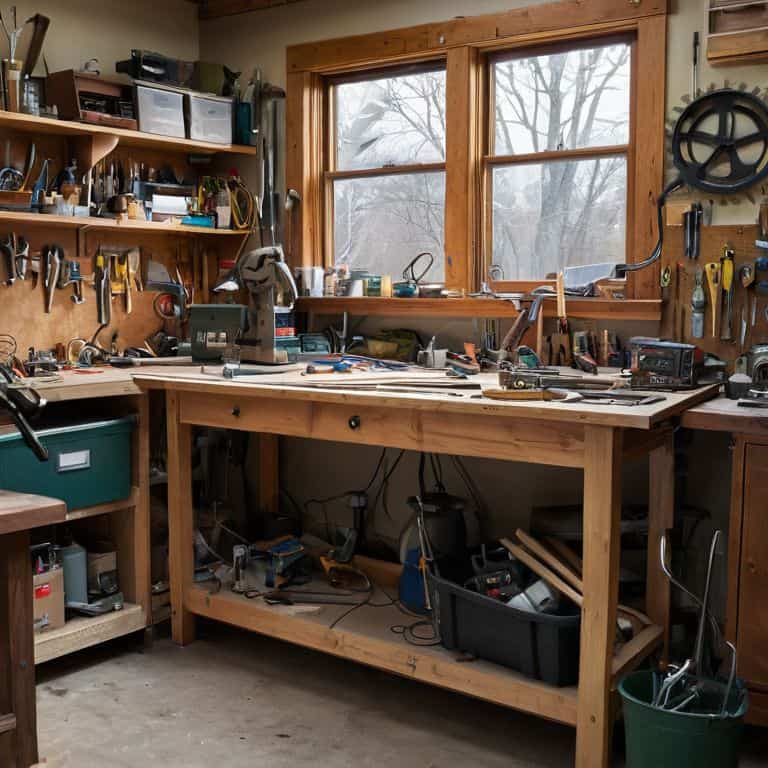
I still remember the frustration of trying to get better radio reception in a workshop where my dad used to tinker with gadgets. The static and weak signals were a constant nuisance, making it hard to enjoy our favorite tunes while we worked. But what really got my attention was when I realized that most people think the solution lies in buying an expensive, new radio – a common myth that I’m excited to debunk. In reality, improving radio reception is often a matter of making a few simple adjustments to your setup.
As someone who’s passionate about exploring the intersection of technology and everyday life, I’m excited to share my no-nonsense advice on how to boost your workshop’s radio signal. In this article, I’ll walk you through the practical steps to tweak your antenna, reduce interference, and upgrade your radio for a crystal-clear listening experience. Whether you’re a DIY enthusiast or a professional mechanic, you’ll learn how to overcome common obstacles and enjoy your favorite radio stations without interruptions. By the end of this guide, you’ll be equipped with the knowledge to get better radio reception in a workshop and make the most of your time spent there.
Table of Contents
Guide Overview: What You'll Need
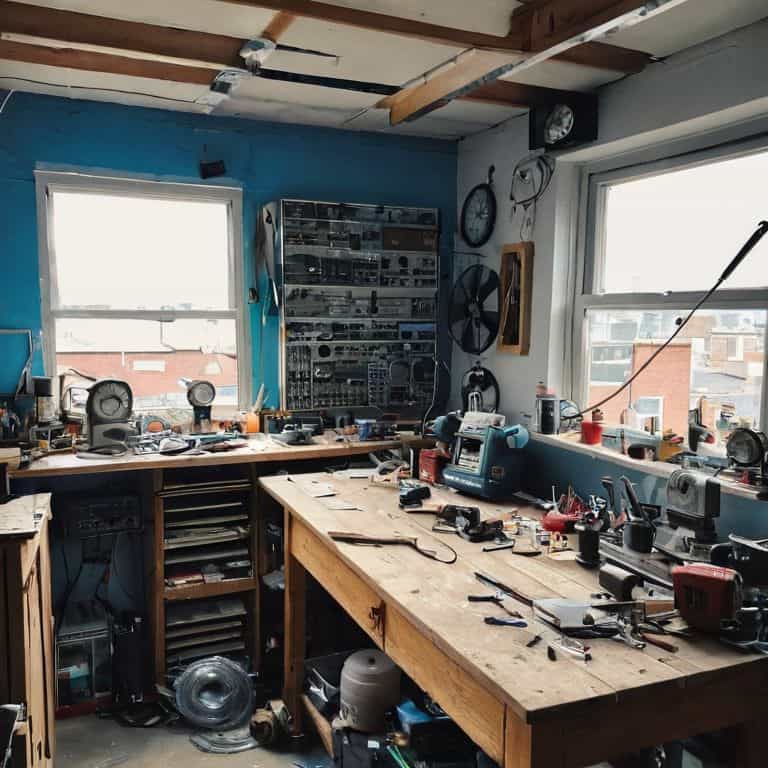
Total Time: 1 hour 30 minutes
Estimated Cost: $20 – $40
Difficulty Level: Easy
Tools Required
- Pliers (for gripping and bending)
- Wire cutters (for cutting coaxial cables)
- Drill (with 1/4 inch drill bits)
- Level (for ensuring proper antenna alignment)
- Tape measure (for measuring distances up to 6 feet)
Supplies & Materials
- Coaxial cable (RG6 or RG11 for better signal quality)
- Antenna mounting kit (including 2 inches x 4 inches lumber for support)
- Signal amplifier (optional, but recommended for weak signals)
- Grounding wire (10 feet long, for connecting to a grounding point)
- Cable ties (for securing cables to walls or surfaces)
Step-by-Step Instructions
- 1. First, assess your workshop’s environment to identify potential sources of interference that could be affecting your radio reception. This includes things like metal beams, electrical equipment, and other devices that emit radio frequencies. Take note of the layout and any potential obstacles that might be hindering your signal.
- 2. Next, try repositioning your radio to a different location in the workshop to see if that improves the reception. Sometimes, simply moving the radio a few feet away from a potential interference source can make a big difference. Experiment with different placements and orientations to find the sweet spot.
- 3. Now, check your antenna to ensure it’s properly aligned and not damaged. If you’re using a directional antenna, try adjusting its direction to point towards the nearest radio tower or broadcasting station. You can usually find this information online or by contacting your local radio stations directly.
- 4. Consider upgrading to a digital radio, which can provide better reception and sound quality compared to traditional analog radios. Digital radios use advanced signal processing techniques to filter out interference and noise, resulting in a crystal-clear listening experience.
- 5. If you’re still experiencing issues, try using a signal booster or amplifier to increase the strength of the incoming signal. These devices can be especially helpful in areas with weak signal coverage or a lot of interference. Just be sure to follow the manufacturer’s instructions for installation and setup.
- 6. Another approach is to install an external antenna, which can provide a stronger signal and better reception compared to the built-in antenna on your radio. There are various types of external antennas available, including omnidirectional and directional models, so be sure to choose one that suits your specific needs and workshop environment.
- 7. Finally, regularly maintain and inspect your radio equipment to ensure it’s functioning properly and not contributing to reception issues. This includes checking for loose connections, corrosion, or damage to the antenna or other components. By staying on top of maintenance, you can help prevent problems and enjoy optimal radio reception in your workshop.
Cracking the Code
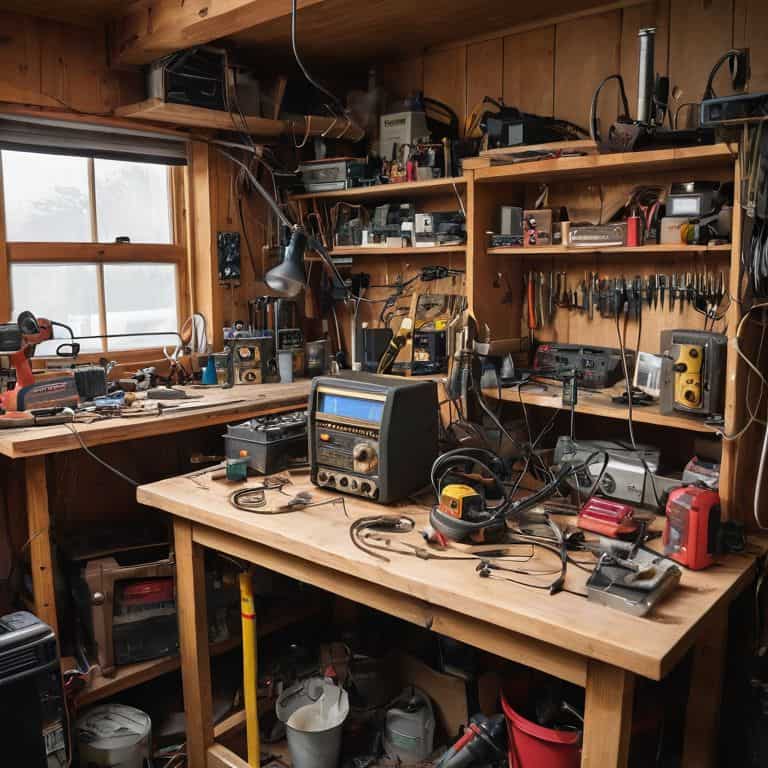
As I delve into the world of radio signal optimization, I’ve found that improving radio signal strength is all about understanding the intricacies of your workshop’s environment. One often overlooked aspect is the impact of electromagnetic interference from power tools and machinery. To mitigate this, consider reducing electromagnetic interference by relocating your radio to a spot with minimal exposure to these devices.
When it comes to workshop radio antenna installation, it’s essential to think outside the box – or in this case, the workshop. Experiment with different antenna placements and orientations to find the sweet spot that yields the strongest signal. I’ve also discovered that using a diy radio signal booster can be a game-changer in particularly noisy environments. By amplifying the signal, you can enjoy crystal-clear reception even in the most challenging conditions.
In my experience, the key to success lies in minimizing radio frequency interference. This can be achieved by selecting the best radio for noisy environments, one that’s specifically designed to filter out background noise and interference. By combining these strategies, you’ll be well on your way to enjoying uninterrupted radio broadcasts in your workshop. Whether you’re a DIY enthusiast or a professional, a reliable radio signal can make all the difference in your workday.
Minimizing Interference for Crystal Clear Sound
To achieve crystal-clear sound, it’s essential to minimize interference from other devices in your workshop. I’ve found that switching off unnecessary equipment or moving them away from your radio can make a significant difference. Additionally, using a high-quality antenna or investing in a signal booster can help filter out unwanted signals. By taking these steps, you can create a cleaner frequency environment, allowing your radio to receive a stronger, more stable signal.
By reducing interference, you’ll be able to enjoy your favorite stations with clarity and precision, making your workshop experience even more enjoyable. I’ve seen this firsthand in my own workshop, where a few simple tweaks transformed my radio listening experience.
Tuning in to Tomorrow Improving Radio Signal
As I delve deeper into the world of radio signals, I’m reminded of my adventures in virtual reality, where seamless connectivity is key. Similarly, in our workshops, a strong radio signal can make all the difference. To improve it, I recommend experimenting with antenna positioning and upgrading to digital radios. By doing so, you’ll not only enhance your listening experience but also future-proof your workshop’s entertainment system. With a little creativity and tinkering, you can tune in to a crystal-clear future, where music and information flow effortlessly, powering your productivity and inspiration.
Tuning in to Perfection: 5 Key Tips for Better Radio Reception
- Ditch the Interference: Move your radio away from power tools and other devices that could be causing electromagnetic interference
- Get Elevated: Try placing your radio on a higher shelf or mounting it on the wall to improve line-of-sight with the nearest broadcasting tower
- Antenna Adjustment: Experiment with adjusting your radio’s antenna to find the sweet spot for optimal signal reception
- Switch to Digital: Consider upgrading to a digital radio, which can provide clearer sound and better resistance to interference
- Conduct a Signal Hunt: Walk around your workshop with a portable radio to identify areas with the strongest signal, and consider relocating your main radio to one of these spots
Key Takeaways for a Future-Proof Radio Signal
Tweaking your antenna or switching to a digital radio can significantly improve your workshop’s radio reception, making it a crucial step in achieving crystal-clear sound
Minimizing interference from other devices and equipment in your workshop is vital for optimal radio signal quality, and can be achieved through strategic placement and shielding
By embracing innovative solutions and staying ahead of the curve in radio technology, you can ensure your workshop stays tuned in to tomorrow, with a reliable and high-quality radio signal that enhances your work experience
Tuning into Clarity
The key to unlocking superior radio reception in your workshop isn’t just about tweaking dials, but about crafting a holistic environment where technology and innovation harmonize – it’s a symphony of signals, space, and savvy problem-solving.
Kristin Kell
Tuning in to a Brighter Tomorrow
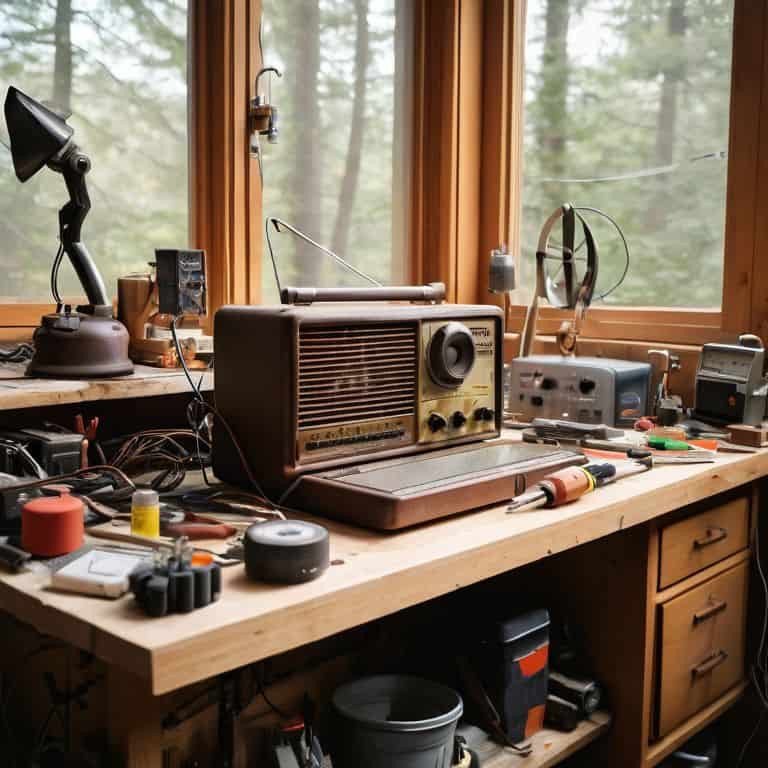
As we’ve explored the world of radio reception in workshops, it’s clear that improving signal quality is within reach for anyone. From tweaking antennas to minimizing interference, the steps outlined here provide a comprehensive roadmap for achieving crystal-clear sound. By applying these insights and staying ahead of the curve with the latest technology trends, workshop owners and enthusiasts can create an environment that’s not only more productive but also more enjoyable. Whether you’re a seasoned pro or just starting out, the key is to remain curious and open to innovation, always seeking ways to refine and improve your space.
As we look to the future, it’s exciting to consider the potential of emerging technologies like virtual and augmented reality to further transform our workshop experiences. By embracing this spirit of innovation, we can unlock new possibilities for creativity, collaboration, and growth. So, go ahead and tune in to the possibilities – with a clear signal and an open mind, the future of your workshop has never looked brighter.
Frequently Asked Questions
What are the most common causes of poor radio reception in a workshop?
Poor radio reception in workshops is often caused by interference from power tools, metal surroundings, and physical barriers blocking the signal.
How can I determine the best location for my radio antenna to get the strongest signal?
To find the best spot for your radio antenna, try moving it to different locations in your workshop and tune in to your favorite station – you’ll quickly discover where the signal is strongest. I like to think of it as a treasure hunt for the perfect frequency!
Are there any specific radio models or features that are better suited for use in a workshop environment with high levels of interference?
When it comes to workshop radios, I swear by models with digital signal processing and noise-cancellation features – they’re total game-changers. Look for radios with high sensitivity and selectivity, like the DeWalt or Bosch models, which can cut through interference like a pro. Trust me, it’s worth investing in a robust radio that can handle the workshop environment!