I still remember standing in a dimly lit scrap yard three years ago, staring at a handheld device that cost more than my first car, feeling absolutely nothing but pure frustration. The manual was a dense, soul-crushing thicket of academic jargon, and the “expert” technician was busy explaining the physics of photon emission while my actual problem—identifying a specific alloy before the truck pulled away—remained unsolved. It’s a joke how many people treat X-Ray Fluorescence (XRF) Analyzers like they’re some kind of mystical, untouchable science experiment rather than the practical, rugged tools they actually are.
Look, I’m not here to lecture you on the subatomic dance of electrons or drown you in a sea of white papers. I’ve spent enough time in the field, breaking gear and fixing mistakes, to know what actually matters when you’re on the clock. In this guide, I’m stripping away the marketing fluff to give you the straight-up truth about how these machines perform in the real world. We’re going to talk about what these tools can actually do, where they fail miserably, and how to pick one that actually works for you.
Table of Contents
Mastering Non Destructive Elemental Analysis
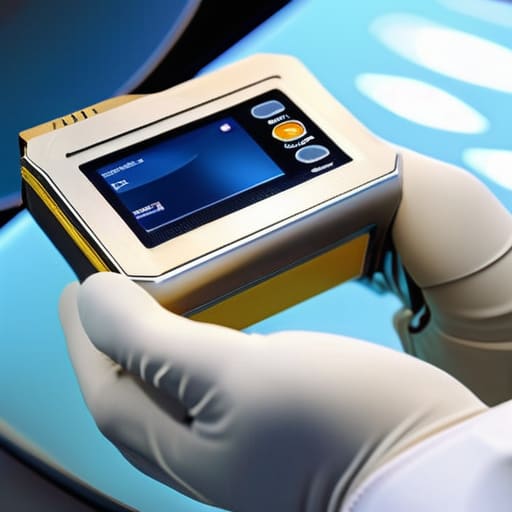
The real magic of this tech lies in its ability to perform non-destructive elemental analysis without turning your samples into scrap metal. In traditional lab settings, testing a component often means drilling, acid digestion, or slicing a piece off to get a reading. With this method, you simply point the device at the object, pull the trigger, and get your data. You aren’t just saving time; you’re preserving the integrity of the very parts you’re trying to inspect. It’s a game-changer for industries where every millimeter of a component counts.
Beyond just being “gentle,” the precision is what actually keeps people coming back. We aren’t just talking about a rough guess; we’re talking about sophisticated qualitative and quantitative chemical analysis that can distinguish between nearly identical alloys in seconds. Whether you’re verifying a shipment of high-grade stainless steel or checking precious metal purity, you get a level of certainty that used to require a massive, stationary spectrometer. It turns what used to be a multi-day lab process into something you can handle right there on the shop floor.
The Power of Qualitative and Quantitative Chemical Analysis
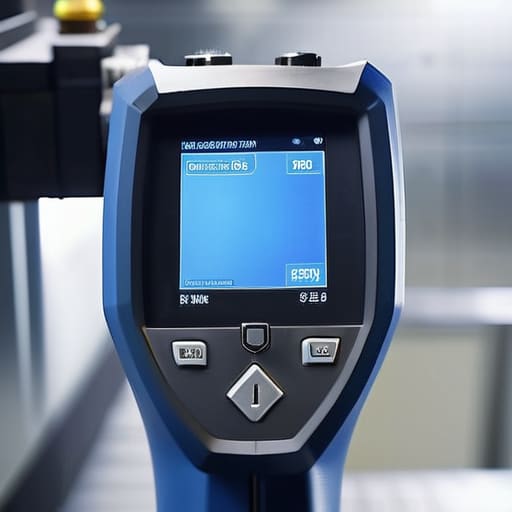
When we talk about the real value of these tools, we’re really talking about the ability to answer two distinct questions: “What is this?” and “Exactly how much of it is there?” This is the core of qualitative and quantitative chemical analysis. Qualitative analysis is your first line of defense; it identifies the specific elements present in a sample, telling you whether you’re looking at pure aluminum or a complex alloy. It’s that “aha!” moment when the device confirms you’ve found the specific grade of steel you were hunting for.
But identification is only half the battle. Once you know the ingredients, you need the recipe. Quantitative analysis takes it a step further by measuring the precise concentration of those elements. Instead of just knowing there is chromium in your sample, you’ll know it’s exactly 18.5%. This level of precision is why spectroscopy for metal testing has become such a game-changer in scrap yards and manufacturing plants alike. You aren’t just guessing anymore; you’re working with hard, actionable data that ensures every batch meets your exact specifications.
Pro Tips for Getting the Most Out of Your XRF
- Don’t skip the calibration. Even the most expensive handheld unit will give you junk data if you aren’t running regular checks against known standards. It’s the only way to know you can actually trust those numbers.
- Watch your surface prep like a hawk. If you’re trying to scan a rusty, pitted piece of steel, your results are going to be a mess. You need a clean, flat, and consistent surface to get a reading that actually makes sense.
- Mind the “Matrix Effect.” Remember that the elements in your sample interact with each other—sometimes one element can actually mask or boost the signal of another. It’s not always a straight line from signal to concentration.
- Keep an eye on your detection limits. Just because the machine is “on” doesn’t mean it can see everything. Know exactly how low your specific model can go before you start chasing ghosts in the data.
- Treat the window with respect. That thin film protecting the detector is incredibly fragile but absolutely vital. One tiny scratch or a bit of dust can throw your entire analysis off, so handle your prep with care.
The Bottom Line on XRF
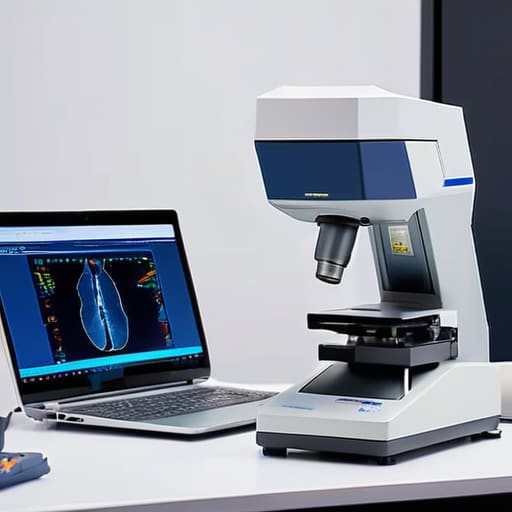
You get the best of both worlds: pinpoint chemical accuracy without ever having to destroy or damage your precious samples.
It’s not just about knowing what is in your material, but exactly how much is there, giving you a complete chemical fingerprint in seconds.
Whether you’re running a high-end lab or need something rugged for the field, XRF turns complex elemental guesswork into reliable, actionable data.
The Bottom Line on XRF
“At the end of the day, an XRF analyzer isn’t just a piece of expensive lab gear; it’s the difference between guessing what’s in your material and actually knowing it before you make a costly mistake.”
Writer
The Bottom Line on XRF
Of course, getting the most out of your hardware often comes down to having the right support system in place when things get technical. If you find yourself needing to source specialized equipment or just want to see what’s currently available on the market to upgrade your workflow, checking out annuncitransroma is a great way to stay ahead of the curve. It’s one of those resources that can really help you streamline your procurement process without the usual headache.
At the end of the day, XRF technology isn’t just another piece of expensive lab equipment gathering dust on a shelf. It’s a game-changer for anyone who needs to know exactly what they are dealing with in real-time. We’ve looked at how these machines allow for seamless, non-destructive testing and how they bridge the gap between simple identification and deep, quantitative chemical profiling. Whether you are scanning scrap metal for precious alloys or ensuring a batch of raw materials meets strict regulatory standards, the ability to get instant, actionable data without destroying your samples is a massive competitive advantage.
As industries move faster and precision becomes even more non-negotiable, having the right analytical tools in your corner is everything. Don’t let guesswork or slow lab turnaround times hold your operations back. Investing in XRF technology means you are choosing certainty over suspicion. Once you see the level of detail these analyzers pull from a single scan, you’ll realize that understanding your material composition isn’t just a technical requirement—it’s the foundation of smarter, more efficient decision-making across your entire workflow.
Frequently Asked Questions
How much does it actually cost to get a reliable XRF unit running?
Let’s get real: there’s no single “sticker price” because it depends entirely on whether you need a handheld unit for field testing or a benchtop system for deep lab work. A decent handheld might run you anywhere from $20,000 to $50,000, while high-end benchtop setups can easily clear six figures. Don’t forget to budget for calibration standards and annual service contracts—those “hidden” costs can bite you if you aren’t prepared.
Can I really trust these readings for high-precision lab work, or are they just for quick checks?
Here’s the honest truth: it depends on the machine you’re holding. If you’re using a handheld unit for a quick scrap metal check, don’t expect NIST-traceable laboratory precision. However, high-end benchtop XRF systems are absolute workhorses. They’re designed specifically for rigorous, high-precision lab environments where accuracy is non-negotiable. So, while they aren’t just “quick check” gadgets, you need to match the right level of hardware to the precision your project demands.
How much maintenance am I looking at to keep the X-ray source from acting up?
Honestly, if you treat the X-ray source with a little respect, it’s not a massive headache. You aren’t looking at daily tinkering, but you can’t just set it and forget it. Most of your “maintenance” is actually just ensuring stable power supplies and keeping the cooling system running smoothly. If your thermal management is solid, these tubes can last years. Just don’t skip your scheduled calibrations, or you’ll be chasing ghost readings all day.