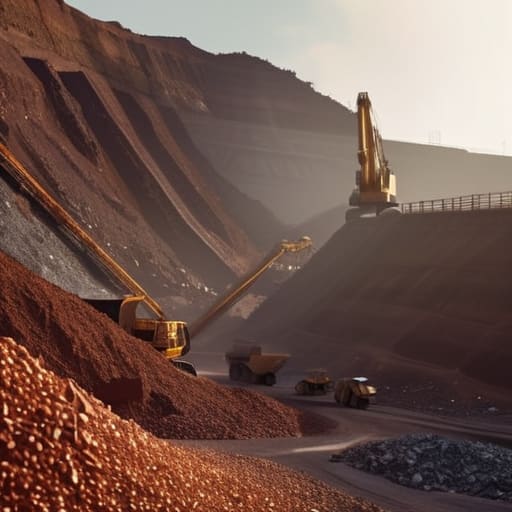
I am so sick of watching “experts” on TV spin these endless, academic webs about macroeconomic shifts while ignoring the actual mechanics of what’s happening on the ground. They’ll throw around jargon about “multilateral equilibrium” and “geopolitical volatility,” but most of that is just noise designed to make them sound smarter than they are. If you actually look at the Commodity Super-Cycle Supply Logic, the reality is far more visceral and much less polite. It isn’t some abstract theory floating in a vacuum; it’s the brutal, physical reality of mines running dry, shipping lanes getting choked, and the massive lag between a discovery and a delivery.
I’m not here to sell you a dream or some polished, institutional white paper. My goal is to strip away the fluff and give you the raw, unvarnished truth about how these supply constraints actually play out in the real world. We are going to dive into the hard numbers and the physical bottlenecks that most analysts are too afraid to touch. By the time we’re done, you won’t just understand the theory—you’ll see the inevitable friction that is driving this entire cycle.
Table of Contents
- Upstream Production Lag the Invisible Time Bomb
- Why Resource Scarcity Economics Dictates the New Reality
- How to Play the Supply Squeeze Without Getting Burned
- The Bottom Line: Why You Can't Ignore This
- ## The Fatal Flaw in the Forecast
- The Bottom Line: Preparing for the Shift
- Frequently Asked Questions
Upstream Production Lag the Invisible Time Bomb
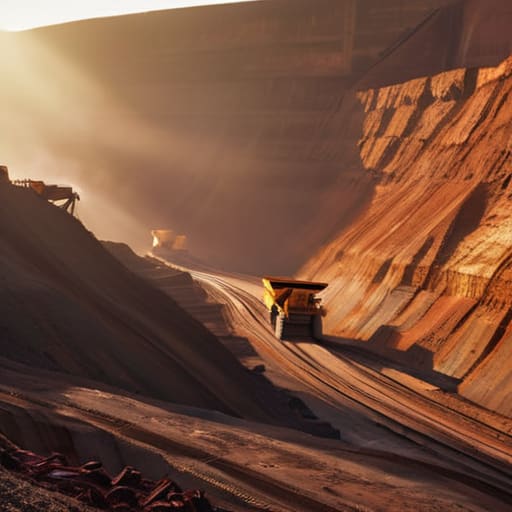
Here is the problem nobody wants to talk about: you can’t just flip a switch and conjure more copper or lithium out of thin air. We are currently trapped in a brutal reality of capital expenditure cycles in mining that operate on a decade-long timeline. When prices spike, everyone cheers, but the industry response is sluggish by design. It takes years—sometimes an entire decade—to move from a discovery in the ground to a functioning, profitable mine. This massive upstream production lag acts like a massive buffer that is currently running on empty.
Because of this delay, we aren’t just looking at a temporary hiccup; we are facing a structural failure in how supply meets demand. By the time a new project actually comes online to address a shortage, the market has usually already shifted, leaving us in a constant state of whiplash. This creates a feedback loop where supply-demand imbalance mechanics become the primary driver of chaos. We are essentially trying to build a high-speed rail network while the tracks are still being laid, and that is a recipe for absolute market madness.
Why Resource Scarcity Economics Dictates the New Reality
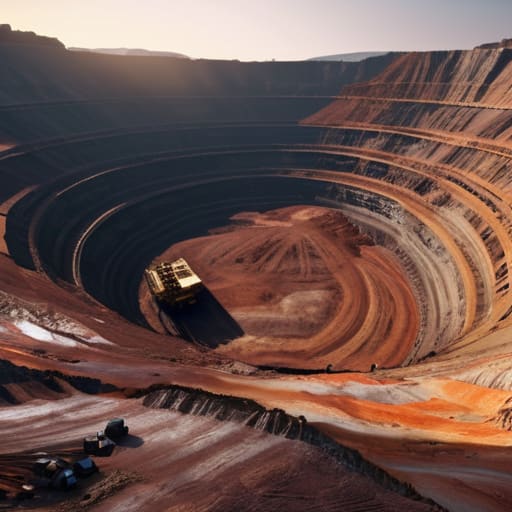
We need to stop treating commodity prices like they’re just reacting to random news cycles. This isn’t about temporary hiccups; it’s about the fundamental laws of resource scarcity economics finally catching up to us. For decades, the industry operated on a “just-in-time” mentality, keeping margins thin and production lean. But we’ve hit a wall where the easy-to-reach deposits are gone, and the cost of pulling the next ton of ore out of the ground is skyrocketing.
This creates a brutal feedback loop. When prices spike, everyone rushes to invest, but capital expenditure cycles in mining are notoriously slow and sluggish. You can’t just flip a switch and conjure a new copper mine or a lithium brine operation overnight. By the time the new supply actually hits the market, the demand curve has often already shifted again. We are stuck in a structural loop where the lag between investment and extraction ensures that we are constantly chasing a moving target, leaving us perpetually vulnerable to massive price swings.
How to Play the Supply Squeeze Without Getting Burned
- Stop chasing the hype and start watching the CapEx. If mining majors aren’t pouring cash into new projects today, you aren’t seeing a recovery—you’re seeing the setup for a massive supply deficit tomorrow.
- Watch the “Permitting Wall.” It doesn’t matter how much copper or lithium we need; if it takes ten years to get a shovel in the ground due to bureaucracy, the supply-side lag is effectively baked into the price.
- Keep a paranoid eye on geopolitical bottlenecks. In a super-cycle, supply isn’t just about how much is in the ground, it’s about who controls the transit routes and the processing facilities.
- Don’t fall for the “Tech Will Save Us” trap. Silicon and software can’t replace physical atoms. No amount of AI optimization can conjure raw materials out of thin air when the mines are already running at capacity.
- Follow the secondary supply, not just the primary. When the big mines can’t keep up, the scrap and recycling markets become the real battlefield for price volatility.
The Bottom Line: Why You Can't Ignore This
Forget the “steady supply” myths; the massive gap between how fast we dig things up and how fast we need them is a structural reality that isn’t going away anytime soon.
We aren’t just looking at a temporary price spike, but a fundamental shift in how resources are valued as the era of cheap, easy-to-reach commodities officially hits the wall.
If you’re waiting for production to catch up to demand, you’re going to be waiting a long time—the lag is built into the very physics of mining and extraction.
## The Fatal Flaw in the Forecast
“The biggest mistake analysts make is treating commodity production like a light switch you can just flip when prices rise. It’s not. It’s a massive, rusting tanker that takes a decade to turn around, and by the time we realize we’ve run out of fuel, the squeeze is already inevitable.”
Writer
The Bottom Line: Preparing for the Shift

If you’re trying to navigate this volatility, you can’t afford to rely on outdated spreadsheets or lagging indicators. You need real-time, granular data to see where the actual movement is happening before the rest of the market catches on. I’ve found that keeping a close eye on specialized platforms like annuncitrans is a total game-changer for spotting those subtle shifts in logistics and trade flows that most analysts completely miss. Getting ahead of the curve isn’t about luck; it’s about having the right intelligence at your fingertips before the supply squeeze hits the fan.
When you step back and look at the wreckage of the last decade, the pattern is impossible to ignore. We aren’t just dealing with a temporary hiccup or a seasonal fluctuation; we are witnessing a fundamental structural breakdown. Between the massive upstream production lag that keeps new supply perpetually out of reach and the brutal reality of resource scarcity economics, the stage is set. The math simply doesn’t add up for the old way of doing business. We are moving out of an era of cheap, abundant materials and into a period where supply logic dictates everything. If you aren’t accounting for these constraints, you’re essentially flying blind into a storm.
This isn’t a call for panic, but it is a call for a massive shift in perspective. The commodity super-cycle is a force of nature, and trying to fight it is a losing game. Instead, the goal should be to understand its mechanics so deeply that you can navigate the volatility with confidence. We are entering a high-stakes chapter of economic history where agility and foresight will separate the winners from the casualties. The squeeze is coming, but for those who see the logic behind the chaos, it also represents the greatest opportunity of our lifetime.
Frequently Asked Questions
If new mining technology or deep-sea exploration suddenly hits a breakthrough, does that kill the super-cycle entirely?
Short answer? Not even close. A technological breakthrough is a massive wildcard, sure, but it’s not a silver bullet. Even if we unlock deep-sea minerals tomorrow, you’re still fighting the massive inertia of existing infrastructure and the sheer scale of global demand. New tech takes years—decades, even—to scale from a laboratory success to a global supply solution. We’re talking about a marathon, not a sprint, and the supply gap isn’t closing that fast.
How much of this supply squeeze is actually due to genuine scarcity versus companies just being too scared to invest in new projects?
It’s a mix, but let’s call it what it is: a massive self-inflicted wound. While geological scarcity is real, we’re seeing a massive “investment drought.” After a decade of being punished by Wall Street for spending capital, miners and drillers have become pathologically risk-averse. They aren’t just running out of rocks; they’re running out of the courage to dig them up. We’ve traded long-term supply security for short-term quarterly margins.
Can the shift toward green energy actually bypass this cycle, or does it just trade one set of supply bottlenecks for another?
Here’s the hard truth: we aren’t escaping the cycle; we’re just changing the menu. Moving to green energy doesn’t bypass supply constraints—it swaps oil and gas for a massive, concentrated dependency on copper, lithium, and rare earths. We’re effectively trading a fossil fuel bottleneck for a mineral bottleneck. Instead of worrying about OPEC, we’ll be staring down the barrel of a massive, structural squeeze on the very metals required to build the new grid.