As I sit amidst my collection of vintage botanical illustrations, surrounded by the earthy scents of my urban garden, I often find myself pondering the concept of what is a workshop culture. It’s a term that’s been tossed around in recent years, often accompanied by lofty promises of “disrupting the status quo” and “revolutionizing collaboration.” But, in my experience, the true essence of a workshop culture lies not in buzzwords or expensive team-building exercises, but in the simple, organic process of gathering like-minded individuals to share ideas and passions.
In this article, I promise to cut through the hype and offer a no-nonsense exploration of what it means to cultivate a genuine workshop culture. Through my own experiences as a freelance writer and consultant, I’ve had the privilege of participating in and facilitating workshops that have truly transformed the way people work together. I’ll share with you my insights on how to create an environment that fosters collaborative creativity, and provide practical advice on how to make the concept of a workshop culture a tangible reality in your own life and work.
Table of Contents
- Discovering Workshop Culture
- What Is a Workshop Culture
- Nurturing Collaboration: 5 Essential Tips for Embracing Workshop Culture
- Nurturing Growth: 3 Key Takeaways on Workshop Culture
- Embracing the Essence of Collaboration
- Cultivating Connection: The Heart of Workshop Culture
- Frequently Asked Questions
Discovering Workshop Culture
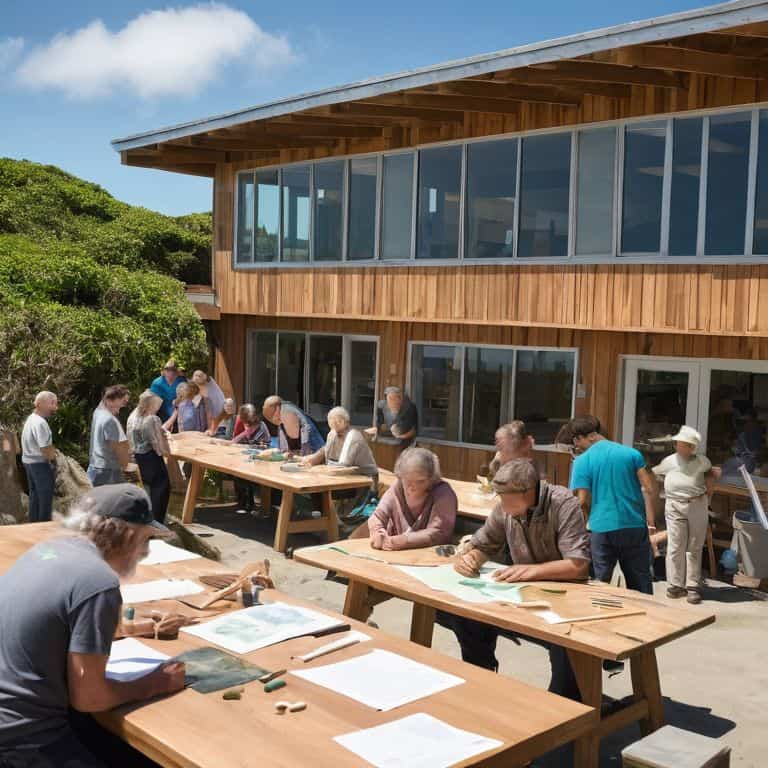
As I delve into the world of workshop culture, I’m reminded of the importance of community that my parents, marine biologists, instilled in me during my childhood. Growing up in a small coastal town, I witnessed firsthand how collaborative efforts could lead to remarkable outcomes, such as the restoration of our local tidal pools. This sense of community-driven progress has stayed with me, and I believe it’s a crucial element in building a successful workshop culture. By fostering an environment where individuals feel comfortable sharing their ideas and skills, we can create a vibrant tapestry of innovation and creativity.
My experiences in volunteering at community gardens and participating in eco-activism campaigns have taught me the value of hands-on learning. There’s something special about getting your hands dirty, whether it’s planting seeds or crafting a DIY project, that sparks a sense of ownership and motivation. In a workshop setting, effective tools for facilitation can make all the difference in encouraging participants to take an active role in the learning process. By providing the right materials and guidance, we can empower individuals to explore their creativity and tap into their full potential.
As I explore the concept of workshop culture further, I’m excited to discover new strategies for fostering a culture of making and innovation. Whether it’s through collaborative art projects or interactive presentations, I believe that the key to a successful workshop lies in its ability to inspire and engage participants. By embracing a mindset of curiosity and creativity, we can unlock new possibilities and create a truly unforgettable experience.
Fostering Community in Workshops
As I reflect on my experiences with workshop culture, I realize that nurturing connections is at the heart of it all. It’s about creating a space where individuals feel comfortable sharing their ideas and passions, and where collective growth is prioritized. In a workshop setting, I’ve seen strangers become close friends, united by their love for creativity and sustainability.
By embracing imperfections, we can foster a sense of community that is authentic and supportive. It’s okay to make mistakes – in fact, it’s often in those moments that we learn the most about ourselves and each other. As we work together, sharing our unique perspectives and skills, we begin to weave a rich tapestry of relationships that extend far beyond the workshop itself.
Sowing Seeds of Collaboration
As I delve into the world of workshop culture, I find myself enchanted by the sense of community that arises when individuals come together to share ideas and passions. It’s a space where strangers become friends, and collaboration knows no bounds. The air is filled with the scent of freshly brewed coffee, and the sound of laughter and creativity.
In this vibrant environment, mutual support is the foundation upon which relationships are built. It’s a place where people from diverse backgrounds and skill sets come together, each bringing their unique perspective to the table. As they work together, they begin to see the world through each other’s eyes, fostering a deeper understanding and appreciation for the beauty of collaboration.
What Is a Workshop Culture
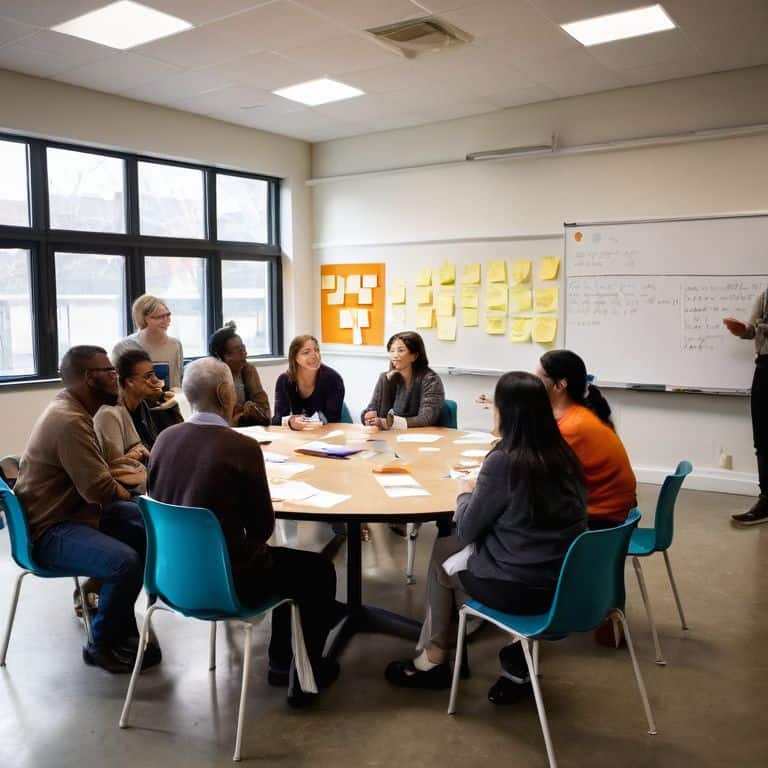
As I delve into the world of workshops, I’m reminded of the importance of community that they foster. It’s about creating a space where individuals from diverse backgrounds come together, share ideas, and learn from one another. This sense of belonging is what makes workshops truly special, and it’s something that I’ve experienced firsthand in my own journey as a writer and consultant. By building a collaborative environment, workshops encourage participants to support and uplift each other, leading to a more productive and innovative experience.
In a workshop setting, effective tools for workshop facilitation are crucial in ensuring that everyone’s voice is heard and valued. This can include exercises, group discussions, and hands-on activities that promote learning through hands-on activities. By doing so, participants can tap into their creative potential and develop new skills, all while having fun. I’ve seen this time and time again in the community gardens I’ve volunteered at, where people from all walks of life come together to create something beautiful and sustainable.
As someone who’s passionate about fostering a culture of making and innovation, I believe that workshops have the power to transform the way we approach problem-solving and creativity. By fostering community in workshops, we can create a ripple effect of positive change that extends far beyond the workshop itself. Whether it’s through art, gardening, or writing, workshops have the ability to bring people together and inspire them to make a difference in their own unique way.
Building Hands on Innovation
As I reflect on my experiences in workshop culture, I’m reminded of the creative spark that ignites when individuals come together to brainstorm and build. It’s a feeling that’s hard to put into words, but it’s akin to watching a garden bloom – each unique perspective and skillset contributing to a vibrant tapestry of innovation.
In these collaborative environments, hands-on learning takes center stage, allowing participants to experiment and refine their ideas through trial and error. It’s a beautiful process to witness, as strangers become colleagues and eventually, friends, united by a shared passion for creative problem-solving and a desire to bring their visions to life.
Effective Tools for Facilitation
As I delve into the world of workshop culture, I’ve come to realize the importance of effective facilitation in bringing people together. It’s about creating an environment where everyone feels heard and valued, and where ideas can flow freely. I’ve seen it time and time again in community gardens, where a skilled facilitator can turn a group of strangers into a cohesive team working towards a common goal.
To achieve this, active listening is a crucial tool. By truly hearing and understanding each other’s perspectives, we can build trust and foster a sense of collaboration. As someone who’s passionate about sustainable living, I’ve learned that it’s not just about the end result, but about the journey we take to get there – and that journey is made richer by the people we meet and the stories we share along the way.
Nurturing Collaboration: 5 Essential Tips for Embracing Workshop Culture
- Cultivate a sense of community by encouraging open dialogue and active listening among participants
- Foster a hands-on approach to learning by incorporating interactive activities and creative exercises
- Emphasize the importance of mutual respect and empathy in the workshop environment to create a safe space for sharing ideas
- Encourage participants to take ownership of their projects and ideas, promoting a sense of autonomy and accountability
- Integrate elements of nature and sustainability into your workshop design, using eco-friendly materials and inspiring a deeper connection to the environment
Nurturing Growth: 3 Key Takeaways on Workshop Culture
As I reflect on the essence of workshop culture, I realize that it’s about cultivating a space where collaboration and creativity flourish, much like a garden where diverse flowers bloom together in harmony.
By embracing the principles of workshop culture, we can foster a sense of community and shared purpose, allowing us to grow both as individuals and as a collective, just as the tender shoots of a plant reach for sunlight and nourishment.
Ultimately, the true magic of workshop culture lies in its ability to transform our relationships with others and the environment, inspiring us to become stewards of the earth and guardians of our collective well-being, one seed of collaboration at a time.
Embracing the Essence of Collaboration
A workshop culture is not just a shared space, but a harmonious intersection of minds, where the rhythms of creativity and community blend to nurture innovation and growth, reminding us that together, we can cultivate a more vibrant and sustainable world.
Harper Willow
Cultivating Connection: The Heart of Workshop Culture
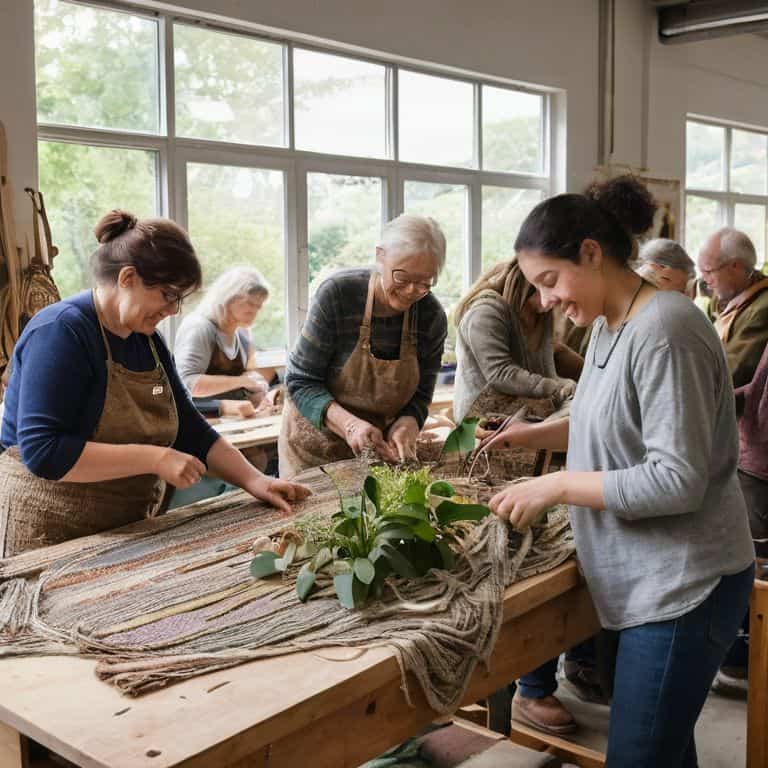
As I reflect on the essence of workshop culture, I’m reminded of the interconnected threads that weave our lives together. From sowing seeds of collaboration to fostering community and building hands-on innovation, the journey is just as important as the destination. By embracing the principles of workshop culture, we can create vibrant tapestries of shared ideas and passions that not only bring us closer to our community but also to the earth. It’s about recognizing the beauty in the process, the imperfections and all, and finding joy in the collective pursuit of growth and learning.
As we embark on our own paths, may we remember that workshop culture is not just a concept, but a lived experience. It’s the laughter, the tears, and the moments of triumph that arise from embracing our shared humanity. So let us tend to the gardens of our minds, nurture the seeds of creativity, and harvest the wisdom that comes from walking together, hand in hand, towards a brighter, more sustainable future. For in the end, it’s not just about what we create, but about the connections we make along the way.
Frequently Asked Questions
How can I apply the principles of workshop culture to my own community or organization?
To bring workshop culture to your community, start by gathering like-minded individuals around a shared project or goal, fostering an environment of collaborative creativity and open communication – think community garden initiatives, art workshops, or skill-sharing sessions that nurture connection and growth.
What role does active listening and empathy play in fostering a successful workshop culture?
For me, active listening and empathy are the gentle rains that nurture a workshop culture, allowing ideas to bloom and relationships to flourish. By truly hearing and understanding each other, we create a safe, supportive space where collaboration and creativity can thrive, just like the delicate balance of a coastal ecosystem I grew up with.
Can workshop culture be adapted to virtual or online environments, and if so, what tools or strategies are most effective?
As I sit amidst my collection of vintage botanical illustrations, I ponder the intersection of nature and technology. I believe workshop culture can indeed thrive online, with tools like video conferencing, collaborative whiteboards, and social media groups fostering connection and creativity. By harnessing these digital resources, we can cultivate a sense of community and innovation, even in virtual spaces.