As I sit amidst my collection of vintage botanical illustrations, surrounded by the lush greenery of my urban apartment, I’m reminded of the common misconception that a guide to sustainable living is all about grand, life-altering changes. The truth is, it’s often the smallest, most whimsical adjustments that can have the most profound impact on our daily lives. I recall the countless hours I spent as a child exploring the tide pools near my coastal hometown, learning about the intricate balance of our ecosystem from my marine biologist parents. Those early lessons have stuck with me, and I’ve come to realize that embracing sustainability is not about overhauling our entire existence, but rather about weaving sustainability into the fabric of our everyday routines.
In this article, I invite you to join me on a journey to discover the beauty of sustainable living, where every small step is a celebration of our connection to the world around us. You can expect to find practical, no-nonsense advice on how to cultivate harmony with nature, from tips on creating your own botanical art using found natural materials to simple, eco-friendly swaps for your daily routine. My goal is to inspire you to find joy in the process of embracing a more sustainable lifestyle, and to provide you with the tools and inspiration you need to make a positive impact on the world around you.
Table of Contents
Guide Overview: What You'll Need
Total Time: several weeks to several months
Estimated Cost: $100 – $500
Difficulty Level: Intermediate
Tools Required
- Water Conservation Kit (includes low-flow showerhead and faucet aerators)
- Compost Bin (for food waste reduction)
- Energy-Efficient Light Bulbs (LED or CFL)
- Thermostat (programmable for temperature regulation)
- Bicycle (for transportation)
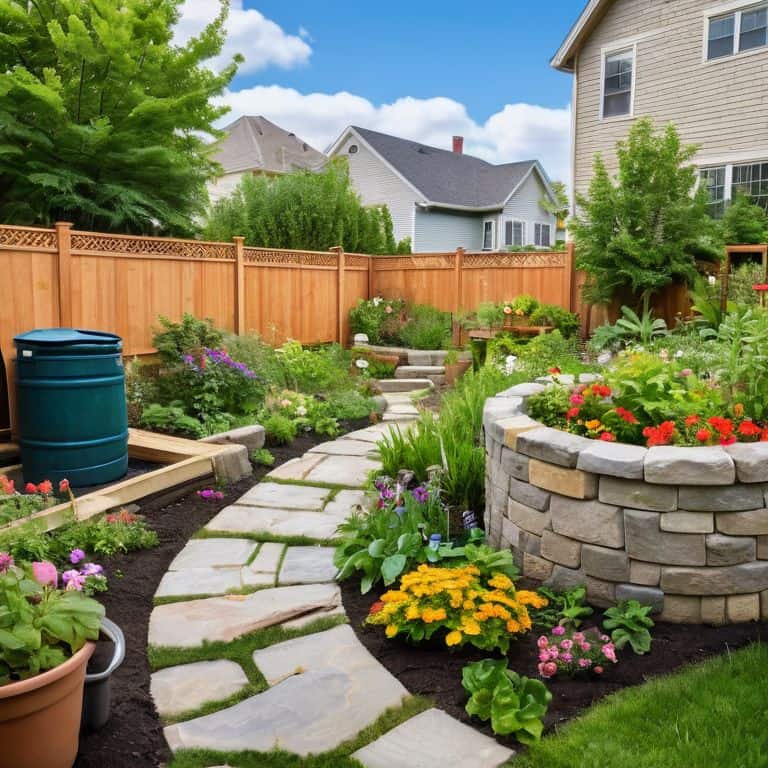
- Rainwater Collection System (optional)
- Gardening Tools (for planting sustainable gardens)
- Reusable Bags (for grocery shopping)
- Beeswax Wraps (for food storage)
Supplies & Materials
- Recyclable Materials (for reducing waste)
- Sustainable Cleaning Products (for reducing chemical use)
- Power Strip (for reducing standby power consumption)
- Weatherstripping (for sealing air leaks)
- Insulation (for reducing heat loss)
- Solar Panels (optional, for renewable energy)
- Wind Turbine (optional, for renewable energy)
- Organic Seeds (for planting sustainable gardens)
- Compost (for fertilizing plants)
Step-by-Step Instructions
- 1. First, let’s start by assessing our current habits and identifying areas where we can make a positive impact on the environment. Take a few moments to reflect on your daily routines, from the way you commute to work to the products you use in your home. Consider the small changes you can make to reduce your waste and carbon footprint.
- 2. Next, create a sustainable living vision board to help you stay focused on your goals. Gather a collection of vintage botanical illustrations, recycled paper, and other natural materials to craft a unique and inspiring visual representation of your eco-friendly aspirations. This will serve as a reminder of the beauty in sustainable living and motivate you to make conscious choices in your daily life.
- 3. Now, let’s dive into the world of zero-waste living by implementing a few simple strategies in your kitchen. Start by reducing your plastic use by switching to reusable bags, beeswax wraps, and glass containers for food storage. You can also compost food waste to create a nutrient-rich soil for your indoor plants or community garden.
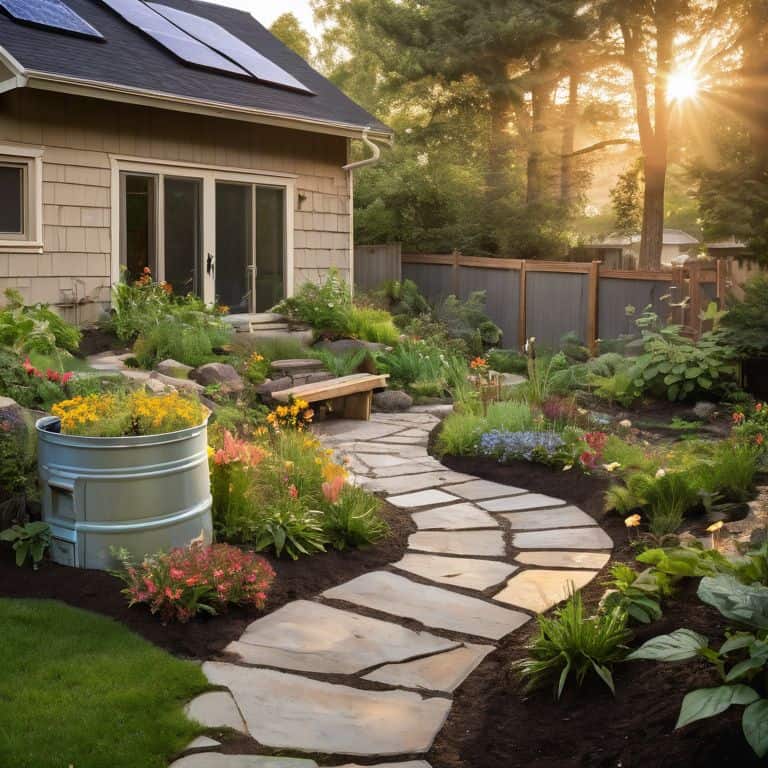
- 4. To further reduce your environmental impact, invest in energy-efficient appliances and switch to renewable energy sources whenever possible. Consider installing solar panels or investing in a renewable energy credit program to support clean energy production. Additionally, make a conscious effort to conserve water by installing low-flow showerheads and fixing any leaks in your home.
- 5. As we explore the realm of sustainable living, it’s essential to cultivate a sense of community by connecting with like-minded individuals who share your passion for the environment. Join a local community garden, participate in eco-activism campaigns, or host a sustainable living workshop in your home to inspire others to embark on this journey with you.
- 6. To bring the outdoors in, incorporate elements of nature into your urban apartment by creating a botanical art piece using found natural materials like leaves, twigs, and flowers. This will not only add a touch of earthy elegance to your space but also serve as a reminder of the beauty and wonder of the natural world.
- 7. Finally, embrace the whimsy of wilder living by embracing the imperfections and uncertainties that come with sustainable living. Don’t be too hard on yourself if you slip up – instead, focus on progress, not perfection. Celebrate your small victories, and remember that every step you take towards a more sustainable lifestyle is a step in the right direction.
A Guide to Sustainable Living
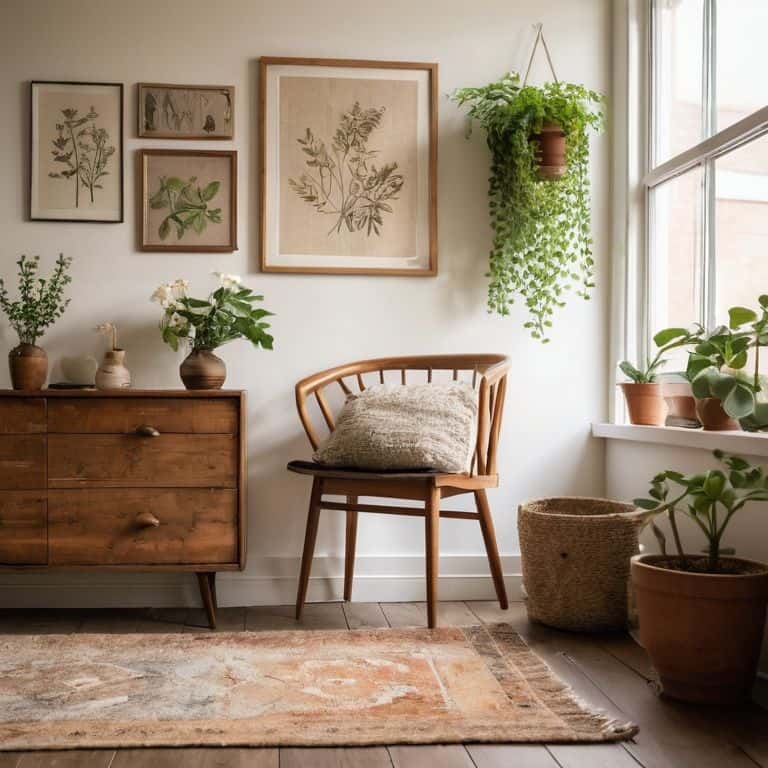
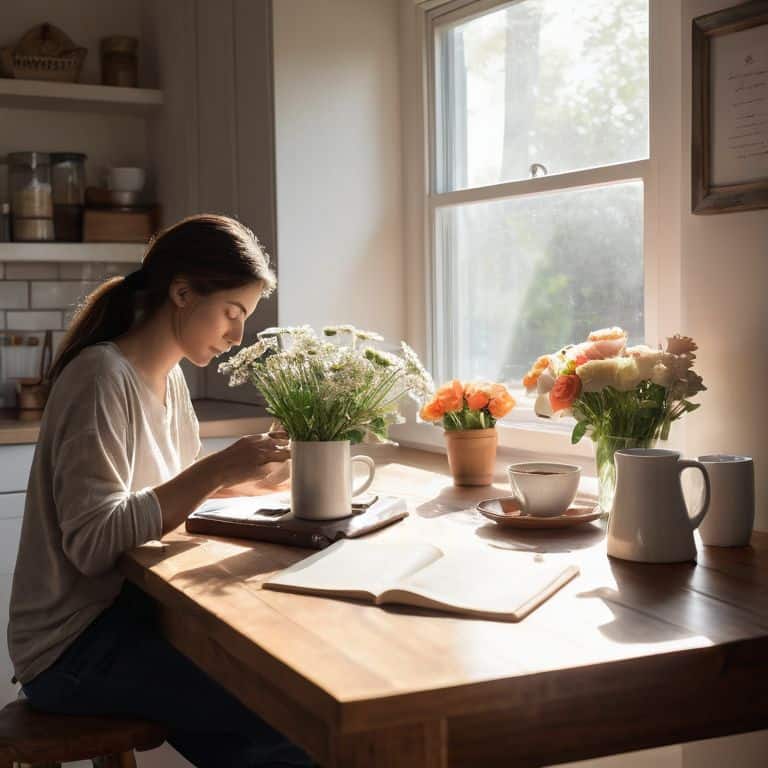
As I sit in my cozy urban apartment, surrounded by vintage botanical illustrations and the soft glow of natural light, I’m reminded of the importance of embracing a minimalist lifestyle. By paring down our possessions and focusing on what truly brings us joy, we can significantly reduce our environmental impact. This, in turn, allows us to cultivate a deeper connection with the world around us. I’ve found that adopting a few simple sustainable fashion tips, such as swapping fast fashion for second-hand treasures, can make a profound difference in our daily lives.
One of the most significant challenges we face in our pursuit of sustainability is the environmental impact of consumerism. It’s easy to get caught up in the cycle of buying and discarding, but by making a few conscious choices, we can break free from this pattern. For instance, opting for eco_friendly_product_swaps can be a great way to reduce our waste output. From reusable water bottles to refillable cleaning products, these small changes can add up to make a big difference.
As we continue on our journey towards a more sustainable way of living, it’s essential to consider the role of renewable energy in our homes. By harnessing the power of solar or wind energy, we can significantly reduce our reliance on non-renewable resources. This, combined with a commitment to zero_waste_home_organization, can help us create a truly eco-conscious lifestyle that not only benefits the planet but also nourishes our own well-being.
Embracing Minimalist Lifestyle Benefits
As I sit amidst my collection of vintage botanical illustrations, I’m reminded of the beauty in embracing simplicity. A minimalist lifestyle is not just about decluttering our physical spaces, but also about cultivating a sense of clarity and intention. By letting go of excess, we create room for what truly nourishes our minds, bodies, and spirits. For me, this means surrounding myself with nature-inspired art and the gentle hum of my urban garden, where I grow my own herbs and watch the seasons unfold.
In embracing minimalism, we open ourselves to a world of possibilities – from reducing waste to rediscovering the joy of handmade, DIY projects. It’s a journey that weaves together the threads of sustainability, self-expression, and community, reminding us that even the smallest steps can have a profound impact on our well-being and the world around us.
Sustainable Fashion Tips for Ecofriendly Homes
As I wander through my own home, I’m reminded that sustainable fashion isn’t just about our wardrobes, but also about the textiles that envelop our living spaces. I adore repurposing vintage fabrics to create unique upholstery, or transforming old clothes into reusable bags and cleaning rags. This approach not only reduces waste but also adds a touch of personality to our eco-friendly homes. By embracing second-hand shopping and swapping, we can refresh our decor while minimizing our environmental footprint.
In my botanical art corner, I often find inspiration in the intricate patterns of nature, which I then incorporate into my DIY projects, like weaving a macramé plant hanger from repurposed cotton rope or creating a natural dye for my fabric scraps. These small, creative acts bring me closer to the natural world and remind me that sustainable living is, above all, a journey of discovery and joy.
Weaving Sustainability into Everyday Life: 5 Whimsical Tips
- Start a Morning Nature Journal: Begin each day by recording your observations of the natural world, whether it’s the birds singing outside your window or the way the sunlight filters through the leaves of your houseplants
- Craft Your Own Cleaning Concoctions: Ditch the harsh chemicals and create your own eco-friendly cleaning products using ingredients like baking soda, vinegar, and essential oils, then store them in beautifully repurposed glass bottles
- Host a Monthly Plant Swap: Gather friends and like-minded individuals for a plant swap, where everyone brings a potted plant to exchange, promoting community, reducing waste, and filling your home with an ever-changing array of greenery
- Incorporate Vintage Botanicals into Your Decor: Use antique prints and illustrations of flora and fauna to add a touch of earthy elegance to your walls, and consider framing them in reclaimed wood for an extra layer of sustainability
- Embark on a Seasonal Foraging Adventure: Explore your local environment to discover what wild edibles are in season, then use your finds to create delicious, locally-sourced meals that celebrate the bounty of nature and reduce your reliance on industrial agriculture
Whispers of a Greener Tomorrow: 3 Key Takeaways
As we wander through the realm of sustainable living, remember that every small step is a brushstroke on the canvas of our planet’s future, and embracing minimalism can be a beautiful beginning
By weaving sustainable fashion tips into our daily lives, we not only reduce our environmental footprint but also become the storytellers of a more conscious, eco-friendly narrative for our homes and communities
Ultimately, the journey to a more sustainable lifestyle is not about grand gestures, but about cultivating harmony with nature, one gentle, whimsical decision at a time, allowing us to rediscover the beauty in the intersection of culture, creativity, and the natural world
Weaving a Sustainable Path
As we embark on the journey of sustainable living, may we remember that every small step is a brushstroke on the canvas of our collective future, and that together, we can paint a masterpiece of harmony, wonder, and wild beauty.
Harper Willow
Embracing a Sustainable Future

As we conclude this journey through the world of sustainable living, let’s take a moment to reflect on the simple yet profound changes we can make in our daily lives. From embracing a minimalist lifestyle to adopting sustainable fashion tips, every small step counts. We’ve explored the benefits of slowing down and appreciating the beauty of nature, and how this mindset can influence our consumption habits and relationships with the environment. By making conscious choices, we can significantly reduce our environmental footprint and cultivate a more harmonious coexistence with the natural world.
As we move forward, remember that sustainable living is not just about making eco-friendly choices, but also about embracing a sense of community and connection with the world around us. It’s about finding joy in the journey and celebrating the small victories along the way. So, let’s embark on this path with curiosity and creativity, and inspire others to do the same. Together, we can weave a tapestry of positive change, one thread at a time, and create a brighter, more sustainable future for all.
Frequently Asked Questions
How can I balance my desire for sustainability with the demands of a busy urban lifestyle?
As I sit amidst my urban jungle, surrounded by vintage botanicals and DIY treasures, I’ve learned to weave sustainability into even the busiest of days. Start small: swap single-use bags for reusable totes, or try a 10-minute morning ritual of watering your indoor greens – it’s all about embracing tiny, joyful habits that harmonize with nature.
What are some creative ways to repurpose and reuse items in my home to reduce waste?
I adore giving old items a new lease on life. Try transforming vintage jars into planters, or upcycling old t-shirts into reusable bags. You can also repurpose old mason jars as candle holders or vases, adding a touch of whimsy to your space while reducing waste.
Can adopting a sustainable lifestyle really make a significant impact on the environment, or is it just a drop in the ocean?
I truly believe that every small step counts, and collective efforts can lead to profound positive change. Think of it as a gentle ripple effect: our individual choices may seem insignificant, but together, they can create a powerful wave of sustainability that resonates far beyond our own homes.