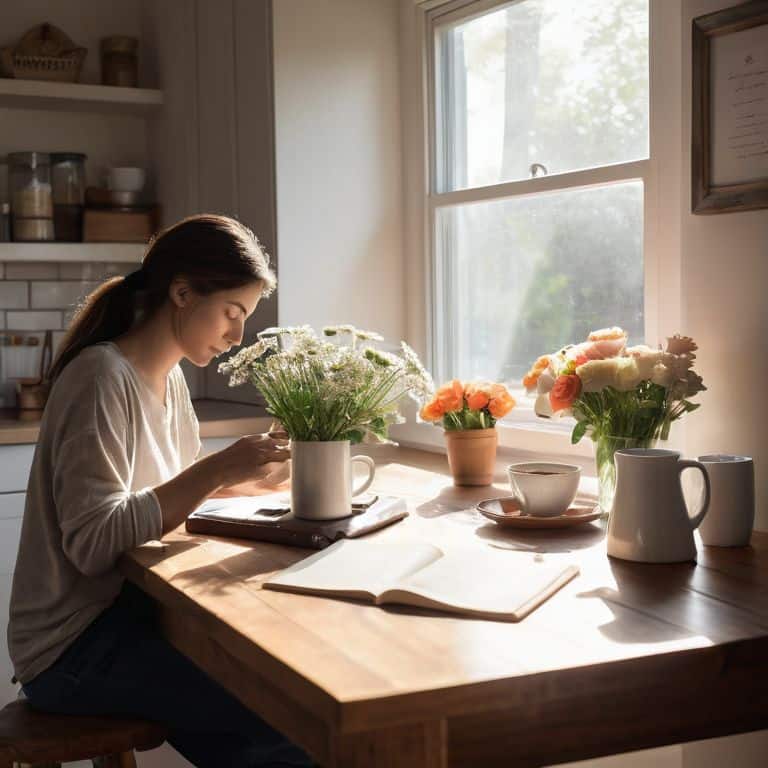
I remember sitting at my small wooden desk last autumn, surrounded by half-finished botanical sketches and three different open tabs on my laptop, feeling like a frayed wire. I was trying to draft a client proposal while simultaneously listening to a podcast and sorting through a pile of dried eucalyptus leaves for a collage. My mind felt like a storm-tossed sea—noisy, fragmented, and utterly exhausted. It took me a long time to realize that the frantic “hustle” I thought was productive was actually just a slow drain on my soul, and I couldn’t quite grasp what changes when you stop multitasking until I finally forced myself to put the phone in a drawer and just breathe with my art.
As I’ve been learning to navigate this slower pace, I’ve realized that reclaiming my focus isn’t something I can quite do in a vacuum; we all need a little help unlearning those frantic, scattered habits. I’ve found so much solace in connecting with others who are also trying to cultivate a more intentional way of being, and I often find myself drawing inspiration from the CasualOhio community when my own momentum feels a bit shaky. There is something deeply healing about being part of a group that values presence over productivity, reminding us that we don’t have to walk this path toward mindfulness all by ourselves.
I’m not here to sell you a productivity hack or a complex time-management system that requires a color-coded planner. Instead, I want to share the quiet, transformative shifts I’ve experienced by simply choosing to do one thing at a time. We’re going to explore how reclaiming your focus can lead to a more intentional way of living, moving away from the chaos and toward a life that feels as steady and grounded as the roots of an old oak tree.
Unburdening the Soul From Cognitive Load and Focus
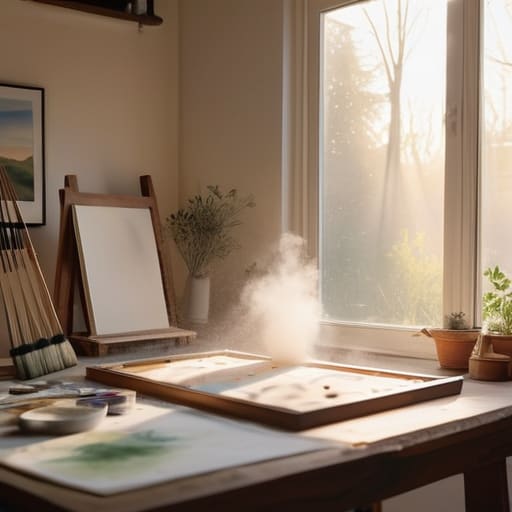
I often think about how our minds resemble a cluttered studio apartment—too many half-finished projects, open windows, and scattered sketches all vying for our attention at once. When we constantly jump between emails and chores, we aren’t just being busy; we are accumulating a heavy sense of mental fatigue from multitasking. It’s as if we are trying to paint a delicate watercolor while someone is constantly tapping on our shoulder, demanding we check a text message. This constant interruption forces our brains to work twice as hard just to stay afloat, leaving us feeling spiritually and intellectually drained by sunset.
By consciously choosing to lean into the benefits of single-tasking, we finally give our internal landscape permission to settle. When I sit down to arrange a new botanical collage, I find that the sheer weight of cognitive load and focus begins to lift. Instead of the frantic, jagged energy of task-switching, there is a smooth, flowing rhythm that emerges. We move away from the shallow buzz of constant activity and toward a state of presence, where the mind can finally breathe, expand, and truly inhabit the task at hand.
Finding the Deep Work vs Multitasking Harmony
I like to think of our attention like a delicate garden; if we try to plant, prune, and water everything at the exact same moment, nothing truly flourishes. In my own life, I’ve realized that the frantic tug-of-war between different tasks is actually quite draining. When we constantly bounce between an email and a creative project, we aren’t actually doing both—we are simply paying a heavy tax in the form of the impact of task switching on productivity. It’s an exhausting cycle that leaves us feeling scattered rather than accomplished.
Instead, I’ve been leaning into the concept of deep work vs multitasking, treating my focus like a slow-simmering pot of herbal tea. When I set aside my phone and allow myself to sink into a single, meaningful activity, the world seems to quiet down. This isn’t just about getting things done faster; it’s about the quality of our presence. By embracing the benefits of single-tasking, we move away from that buzzy, superficial layer of existence and finally find the space to create something with real intention and soul.
Cultivating Presence: Five Ways to Bloom When You Slow Down
- Reclaiming your sensory awareness. When I stop trying to juggle three browser tabs and a podcast, I suddenly notice the way the sunlight hits the moss in my terrarium or the precise scent of Earl Grey steeping. You begin to inhabit your physical space rather than just passing through it.
- Trading frantic motion for intentional rhythm. Multitasking feels like a storm, but single-tasking feels like the steady pull of the tide. You’ll find that your work moves from a series of jagged, interrupted leaps to a graceful, flowing cadence that actually gets you further.
- Nurturing a deeper well of creativity. True inspiration rarely visits us when we are rushing. By giving a single idea your undivided attention—much like how I sit with a single pressed fern to find its perfect placement—you allow the “aha!” moments to finally have enough room to breathe and grow.
- Restoring your internal landscape. The mental fog that comes from constant task-switching is exhausting. When you stop the mental whiplash, you’ll notice a profound sense of calm settling in, leaving you with more emotional energy for the people and passions that truly matter.
- Honoring the beauty of the “finished.” There is a quiet, soulful satisfaction in seeing a single task through from seed to bloom. Instead of a dozen half-finished projects scattered like fallen leaves, you begin to experience the genuine joy of completion and the pride of true craftsmanship.
Cultivating a Life of Intention
As we’ve explored, stepping away from the frantic, fractured energy of multitasking isn’t just about reclaiming your productivity; it’s about reclaiming your very self. By releasing the heavy weight of cognitive overload and choosing to honor the depth of single-tasking, we allow our minds to finally settle into a more natural, rhythmic state. We move away from the shallow, scattered surface of a dozen different things and begin to find that sweet spot of flow where work feels less like a chore and more like a craft. When we stop trying to be everywhere at once, we finally give ourselves permission to be truly present in the one place that actually matters: right here.
I like to think of this shift as tending to a garden. You can’t make a rose bloom by rushing from one petal to the next, frantically checking on every bud in the yard; you have to sit with the soil, water one plant at a time, and trust the slow process of growth. As you begin to weave this slower, more intentional thread into the fabric of your daily life, you might find that the world feels a little more vivid and a lot more magical. So, let go of the urge to do it all, and instead, embrace the beauty of doing one thing with your whole, wonderful heart.