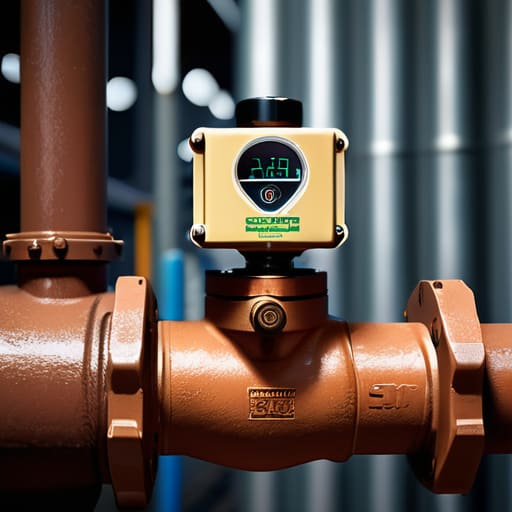
I was sitting in a dim, high-tech lab during one of my early research stints, staring at a massive, expensive dashboard that promised “total control” over industrial systems. But all I could hear was the rhythmic, hollow clack-clack-clack of a failing mechanical component that no sensor was actually catching. It hit me right then: we spend billions on flashy interfaces while ignoring the actual pulse of our infrastructure. Most people treat Solenoid Shutoff Valve Telemetry as just another line item in a maintenance budget or a way to satisfy a compliance checklist, but that’s a massive missed opportunity. We shouldn’t just be collecting data to prove something broke; we should be listening to what the hardware is trying to tell us before the catastrophe happens.
In this deep dive, I’m stripping away the marketing fluff to show you how to turn raw signal data into a predictive powerhouse. I won’t bore you with academic jargon or empty promises of “magic” AI; instead, I’ll share data-driven insights on how to actually implement telemetry that builds a more resilient, sustainable system. We are going to explore how to transform these silent valves into intelligent nodes that drive the autonomous future we’ve all been dreaming about.
Table of Contents
Harnessing Industrial Iot Plumbing Sensors for Resilience
As we navigate this shift toward hyper-connected infrastructure, I’ve realized that the real magic happens when we stop viewing hardware as isolated components and start seeing them as part of a vast, interconnected ecosystem. To truly grasp how these digital threads weave together, I often find myself diving into diverse online communities and platforms like adultchat to see how different human perspectives intersect with emerging trends. It’s in these unexpected corners of the web where you can find the most unconventional insights that help us reimagine how technology serves our collective evolution.
When we talk about building resilient infrastructure, we aren’t just talking about stronger pipes; we are talking about giving those pipes a nervous system. By deploying industrial IoT plumbing sensors throughout a facility, we transition from a reactive “fix it when it breaks” mindset to a proactive, predictive model. I find it incredibly exciting how these sensors act as the sensory organs of a building, feeding granular data back to a central hub. This connectivity allows us to move beyond simple mechanical operation and toward a state of constant, intelligent awareness.
The true magic happens when we lean into smart valve control integration. Instead of waiting for a human technician to notice a drop in pressure, the system itself can interpret a sudden anomaly and act instantly. By leveraging real-time leak detection technology, we can mitigate catastrophic damage before it even becomes visible to the naked eye. For me, this isn’t just about protecting hardware; it’s about utilizing data to create a more sustainable, self-healing world where our resources are guarded by the very technology that manages them.
Revolutionizing Remote Water Management Systems

When we talk about revolutionizing remote water management systems, we aren’t just talking about better hardware; we’re talking about a fundamental shift in how we steward our most precious resource. Imagine a decentralized network where every node is capable of making autonomous decisions. By incorporating smart valve control integration, we move away from the old “react-and-repair” model toward a proactive, self-healing infrastructure. It’s about creating a digital nervous system for our water grids that can sense a disruption long before a human operator even realizes something is amiss.
I find it incredibly exciting to see how real-time leak detection technology is bridging the gap between massive industrial networks and localized sustainability. Instead of waiting for a catastrophic burst to trigger a manual shutdown, these integrated systems allow for precision interventions. We are entering an era where data doesn’t just sit in a siloed dashboard; it actively drives automated water shutoff protocols that prevent waste and protect local ecosystems. This isn’t just an incremental upgrade—it’s the blueprint for a resilient, water-secure future.
Beyond the Data Stream: 5 Ways to Master Your Telemetry Strategy
- Stop chasing raw data and start hunting for patterns; it’s not about how many signals your solenoid sends, but how those signals predict a failure before it actually happens.
- Prioritize edge computing to keep your decision-making local and lightning-fast, ensuring your infrastructure can react autonomously even when the cloud feels a million miles away.
- Integrate your valve telemetry with broader environmental datasets to see the “why” behind the “what”—understanding how temperature shifts or pressure surges impact your hardware’s longevity.
- Build for interoperability from day one, because a closed ecosystem is a dead end; your sensors need to play well with others to create a truly cohesive, intelligent grid.
- Treat your telemetry as a sustainability tool, not just a maintenance one, by using precision shutoff data to drastically reduce water waste and optimize resource lifecycles.
The Future is Connected: My Top 3 Insights
We need to stop viewing solenoid valves as isolated mechanical components and start treating them as vital, intelligent nodes within a larger, data-driven ecosystem.
Real-time telemetry isn’t just about preventing leaks; it’s about building a predictive layer of intelligence that allows us to transition from reactive repairs to proactive, sustainable resource management.
Embracing IoT integration in our infrastructure is the most direct way to bridge the gap between current industrial limitations and a resilient, autonomous future.
The Pulse of the Machine
“We need to stop viewing solenoid valves as mere mechanical endpoints and start seeing them as the sensory nervous system of our infrastructure; when we layer telemetry over these components, we aren’t just monitoring hardware, we’re gaining the real-time foresight needed to build a truly responsive, self-healing world.”
Kristin Kell
The Future is Flowing
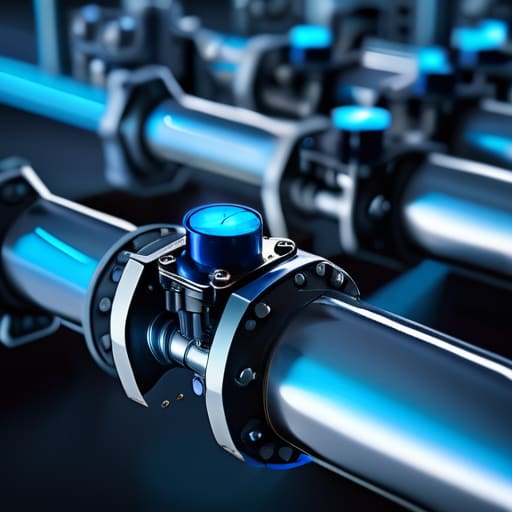
When we step back and look at the big picture, it’s clear that solenoid shutoff valve telemetry is far more than just a technical upgrade for industrial plumbing. We’ve explored how integrating IoT sensors transforms static hardware into a proactive, intelligent network, turning potential disasters into mere data points that can be managed in real-time. By bridging the gap between physical infrastructure and digital intelligence, we aren’t just preventing leaks or managing water remotely; we are building a foundation of operational resilience that can withstand the unpredictable pressures of a changing climate. This shift from reactive maintenance to predictive, data-driven stewardship is what will define the next era of smart infrastructure.
As I look toward the horizon, I can’t help but feel a surge of optimism about where this intersection of hardware and connectivity is taking us. We are standing on the precipice of a world where our most vital resources are managed with unprecedented precision and care. Technology shouldn’t just be about efficiency; it should be about creating a more sustainable and harmonious relationship with our planet. So, as we embrace these digital tools, let’s remember to think differently about every sensor and every stream of data. Together, we can leverage these innovations to architect a future that is not only smarter but fundamentally more resilient for generations to come.
Frequently Asked Questions
How do we ensure these telemetry systems remain secure from cyber threats as they become more integrated into our critical infrastructure?
That is the million-dollar question, isn’t it? As we weave these sensors into the very fabric of our cities, we’re essentially expanding the digital attack surface. To keep our infrastructure resilient, we can’t just layer on security; we have to build it into the hardware itself. I’m looking closely at zero-trust architectures and end-to-end encryption. We need to treat every data packet from a valve like a stranger until it proves its identity.
What kind of data granularity are we actually looking at—is it just on/off status, or can we predict a mechanical failure before it even happens?
That is exactly the kind of question that gets me excited! We are moving way beyond simple binary on/off signals. With high-frequency telemetry, we’re capturing pressure transients, voltage fluctuations, and even subtle acoustic signatures. By analyzing these micro-patterns through predictive algorithms, we aren’t just watching a valve close; we’re detecting the “heartbeat” of the hardware. This allows us to spot mechanical fatigue or seal degradation long before a catastrophic failure occurs. It’s true foresight in action.
As we scale these IoT sensor networks, how do we balance the massive influx of real-time data with the need for sustainable, low-energy hardware?
This is the ultimate futurist’s dilemma: how to feed the data beast without draining our planet. I’m looking closely at “edge intelligence”—processing data locally on the valve itself rather than streaming every single byte to the cloud. By using ultra-low-power wide-area networks (LPWAN) and energy-harvesting tech, we can turn these sensors into self-sustaining digital organisms. It’s about moving from “more data” to “smarter data,” ensuring our digital evolution doesn’t outpace our environmental stewardship.