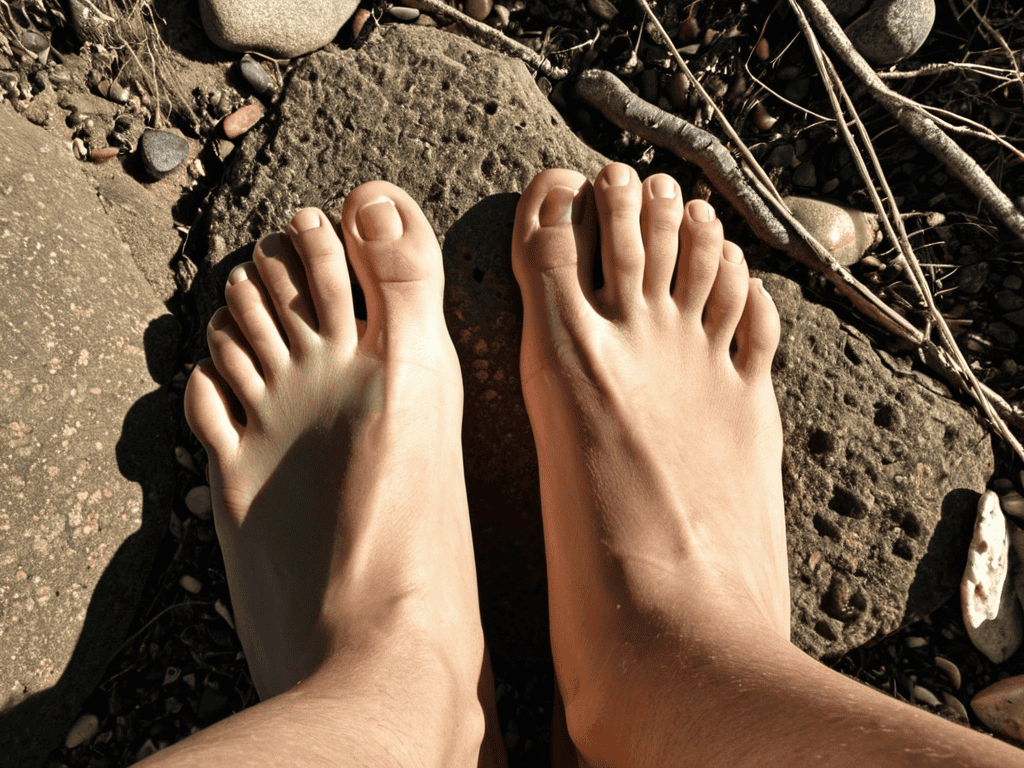
I remember sitting in the back of a crowded, fluorescent-lit seminar room, nodding along as a “wellness expert” droned on about the necessity of expensive, high-tech biofeedback gadgets to manage anxiety. It felt like a total scam. They were talking about these complex, clinical-sounding Hapto-Sensory Grounding Protocols as if you needed a PhD and a $500 weighted vest just to stop a panic attack in its tracks. Honestly, the more they wrapped simple human biology in layers of expensive jargon, the more I realized they were missing the entire point of actually feeling present in your own skin.
I’m not here to sell you on a lifestyle brand or a complicated medical regimen. Instead, I want to strip away the fluff and talk about what actually works when your brain decides to hijack your body. I’m going to share the raw, unpolished ways I use Hapto-Sensory Grounding Protocols to pull myself out of a spiral using nothing more than the texture of my jeans or the cold condensation on a water bottle. This is about real-world tools that you can use anywhere, without a manual or a massive price tag.
Table of Contents
Neurological Sensory Integration and the Calm Mind
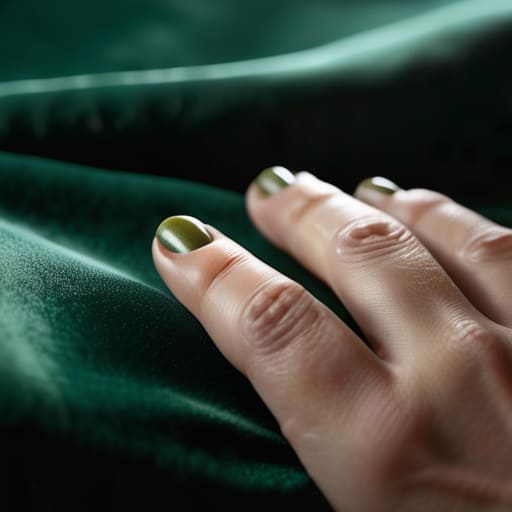
To understand why touching a piece of velvet or pressing your palms against a cool stone actually works, we have to look under the hood at how our brains process the world. It isn’t just about “distraction”; it’s about neurological sensory integration. When your nervous system is stuck in a loop of high-alert anxiety, your brain is essentially misinterpreting internal signals as threats. By introducing intentional, controlled physical sensations, you are effectively sending a “clear signal” to the brain that the immediate environment is safe.
This process relies heavily on cutaneous mechanoreceptor activation. These tiny receptors in your skin act like biological messengers, sending rapid-fire data to your central nervous system. When you engage in specific tactile tasks, you are performing a form of sensory processing modulation. You’re essentially hijacking the neural pathways that usually carry stress signals and replacing them with grounded, rhythmic data. Instead of your mind racing toward a perceived catastrophe, it becomes tethered to the physical reality of the present moment through the sheer weight of sensory input.
Cutaneous Mechanoreceptor Activation for Immediate Relief
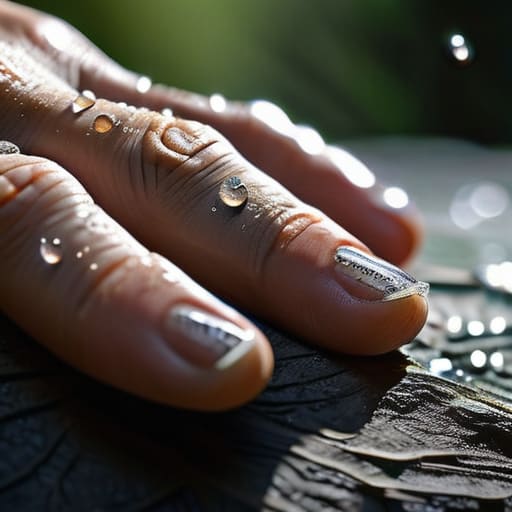
Think of your skin not just as a covering, but as a massive, high-speed data terminal. When you’re spiraling, your brain is often stuck in a feedback loop of internal noise. By focusing on cutaneous mechanoreceptor activation, you’re essentially hijacking that loop. These tiny receptors in your skin are hardwired to send immediate signals to your brain, bypassing the frantic “fight or flight” chatter and forcing the nervous system to pay attention to the here and now.
It’s less about a gentle touch and more about intentional, varied pressure. For instance, using a weighted lap pad or even just pressing your palms firmly against a tabletop provides the kind of sensory processing modulation that tells your amygdala the environment is stable. This isn’t just a distraction; it’s a way of using tactile stimulation therapy to physically signal to your brain that you are grounded, safe, and physically present in your body. When the mental fog rolls in, let your sense of touch be the anchor that pulls you back.
Quick Ways to Anchor Yourself When the Noise Gets Too Loud
- Find a “texture anchor” in your pocket or bag—think a smooth stone, a piece of velvet, or even a rough coin—and focus entirely on its surface when you feel a spike in anxiety.
- Try the temperature shock method by holding a cold glass of water; the sudden shift in sensation forces your nervous system to pivot from internal panic to external reality.
- Don’t just touch things; lean into the weight of them. Pressing your palms firmly against a heavy desk or the floor helps signal to your brain that you are physically secure.
- Use “tracing” to slow down your breathing. Take one finger and slowly trace the outline of your hand or a nearby object, matching your breath to the movement of your fingertip.
- Avoid “passive touching.” Instead of just letting things brush against you, actively engage by feeling the specific grain of wood or the knit of your sweater to keep your mind from drifting back into a spiral.
The Bottom Line
Grounding isn’t just a mental trick; it’s a physical way to force your nervous system to switch from “panic mode” back into the present moment.
You don’t need a complex setup—using simple textures or pressure against your skin is enough to interrupt a spiral.
The goal is to create a “tactile anchor” that pulls your focus away from the chaos in your head and back into your body.
The Physicality of Presence
“Grounding isn’t some abstract mental exercise; it’s about forcing your nervous system to acknowledge the world through your skin, reminding your brain that despite the chaos in your head, you are still physically anchored right here.”
Writer
Bringing It All Home

If you’re finding it difficult to maintain focus while trying these techniques, you might find that a bit of extra structure helps bridge the gap between theory and practice. I’ve personally found that using a tool like aonutten can be a game changer for staying consistent when your nervous system is feeling particularly frayed. It isn’t about adding more to your plate, but rather about finding a reliable rhythm that supports your sensory regulation without adding to the mental load.
At the end of the day, mastering hapto-sensory grounding isn’t about following a rigid, clinical checklist; it’s about understanding how your body actually talks to your brain. We’ve looked at how stimulating your cutaneous mechanoreceptors can act as a literal circuit breaker for stress, and how integrating these tactile inputs can help your nervous system find its way back to a state of equilibrium. Whether you are leaning into the texture of a stone or the weight of a heavy blanket, you are essentially reclaiming your headspace through the power of touch. It’s a practical, science-backed way to bridge the gap between a racing mind and a steady body, ensuring that you have the tools to interrupt the spiral before it takes hold.
As you move forward, try not to view these protocols as just another task on your to-do list. Instead, think of them as a quiet, reliable friendship with your own physical self. There will be days when the world feels too loud and your thoughts feel too fast, but remember that you always have these physical anchors waiting for you. You don’t need a perfect environment to find peace; you just need to reach out and touch the world around you. Trust your senses, lean into the texture of the moment, and know that grounding is always within reach.
Frequently Asked Questions
How can I use these techniques in public without drawing unwanted attention to myself?
The beauty of tactile grounding is that it’s invisible. You don’t need to be sitting cross-legged on a yoga mat to make it work. Try tracing the seams of your jeans with your thumb, or keeping a smooth stone or a heavy coin in your pocket to fiddle with discreetly. Even just pressing your feet firmly into the floor can ground you. It’s all about subtle, private anchors that keep you steady without anyone else noticing.
Are there specific textures or materials that work better than others for quick grounding?
It really comes down to contrast. If you’re feeling “floaty” or dissociated, you want something high-contrast—think the rough grit of a lava stone or the sharp edges of a heavy seashell. These provide intense, unmistakable feedback to your nerves. However, if you’re dealing with high-strung anxiety, go the opposite route. Something soft and consistent, like velvet or a weighted faux-fur, helps soothe the nervous system without overwhelming it.
How long does it actually take for these tactile sensations to start calming my nervous system?
Honestly? It’s not an overnight fix, but you shouldn’t be waiting for a slow burn either. Most people notice a shift in their physical tension within thirty to sixty seconds of consistent contact. It’s less about a “magic switch” and more about a gradual deceleration. Think of it like a heavy weighted blanket—the relief isn’t instant like a lightning bolt, but once that sensory input hits, your nervous system starts to realize it’s safe to power down.