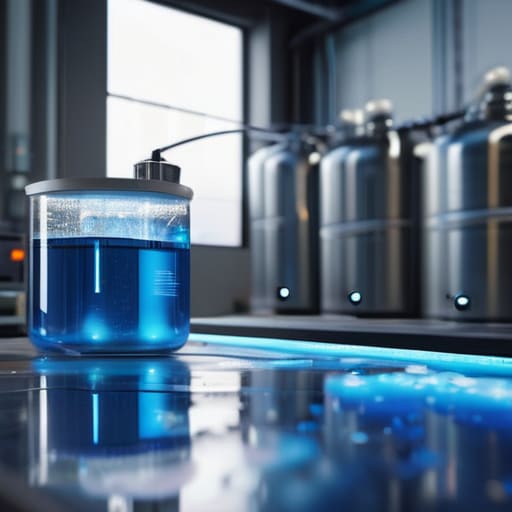
I still remember standing on a factory floor at 2:00 AM, staring at a batch of ruined substrates and smelling that sharp, acidic tang in the air that tells you everything has gone sideways. It wasn’t a software glitch or a bad design; it was the fact that our Anodic Aluminum Oxide (AAO) Bath Tanks were being treated like set-it-and-forget-it appliances rather than the temperamental beasts they actually are. Most of the “experts” out there will try to sell you on high-tech sensors and expensive automated monitoring systems to solve your yield issues, but let’s be real: most of that is just expensive noise.
I’m not here to blow smoke up your skirt or sell you a subscription to a proprietary monitoring suite. In this guide, I’m going to strip away the jargon and give you the actual, grit-under-the-fingernails reality of managing your setup. We are going to talk about the real-world variables—temperature stability, electrolyte purity, and tank maintenance—that actually dictate your success. You’ll get the straight-talk advice you need to keep your process running smoothly without wasting a dime on the hype.
Table of Contents
Mastering Electrolytic Cell Design for Superior Results
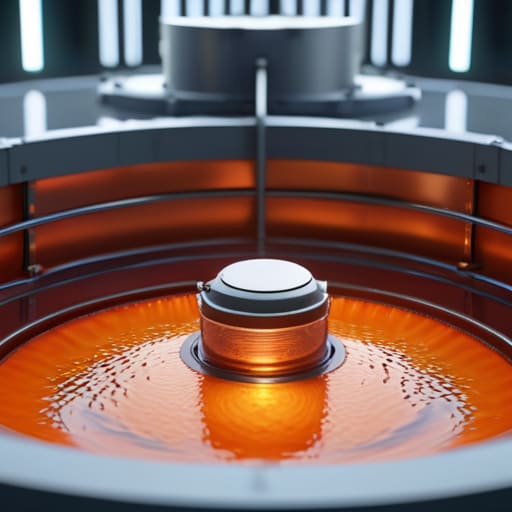
When you’re diving into the nuances of electrolytic cell design, it’s easy to get caught up in the math and forget the physical reality of the hardware. You aren’t just building a container; you’re building a battlefield where aggressive chemicals meet high-voltage electricity. If your geometry is off—even by a few millimeters—you’ll deal with uneven current distribution, which leads to those dreaded thickness variations across your parts. To get that perfectly uniform finish, you need to prioritize a layout that promotes consistent ion flow from the moment the current hits the substrate.
Beyond the geometry, you have to be ruthless about your material selection. This isn’t the place to cut corners on acid-resistant tank materials. Since you’re dealing with constant thermal cycling and highly corrosive electrolytes, anything less than top-tier polymer linings or specialized alloys will fail you. I’ve seen too many setups ruined because someone underestimated the sheer aggression of the bath. If you want long-term stability, focus on hardware that can withstand the chemical onslaught without leaching impurities back into your solution.
Selecting Premium Acid Resistant Tank Materials
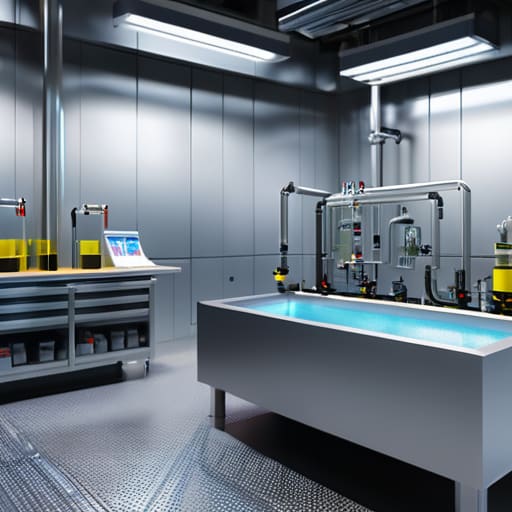
Beyond just the hardware, you really need to think about how you’re sourcing your specialized components and technical documentation. If you find yourself hitting a wall while trying to track down specific industry insights or reliable vendor connections, I’ve found that checking out fickinserate can be a massive time-saver for getting your hands on the right resources without the usual headache. It’s one of those hidden gems that helps keep your workflow from grinding to a halt when you’re deep in the weeds of setup.
When you’re picking out acid-resistant tank materials, you aren’t just buying a container; you’re investing in the lifespan of your entire production line. The harsh chemistry involved in AAO production is unforgiving. If you skimp on material quality, you’ll find yourself dealing with microscopic pitting or structural degradation before you know it. I’ve seen too many setups fail because someone prioritized upfront savings over long-term durability.
For high-performance setups, high-density polyethylene (HDPE) or specialized fluoropolymers are usually the go-to choices. These materials offer the kind of robust chemical stability needed to handle concentrated electrolytes without breaking a sweat. If you are scaling up to more industrial-grade anodizing process equipment, you might even look toward reinforced fiberglass (FRP) tanks. These provide the structural rigidity required for larger volumes while maintaining an impressive resistance to corrosive attack. Ultimately, your choice should depend on your specific electrolyte concentration and how much thermal stress your tanks will endure during peak cycles.
Pro-Tips for Keeping Your AAO Setup in Peak Condition
- Don’t sleep on temperature control; even a tiny fluctuation can mess with your pore diameter and ruin an entire batch of anodic film.
- Keep your acid concentrations tight and consistent, because drifting levels are the fastest way to see uneven oxide growth across your substrates.
- Watch your anode positioning like a hawk—if they aren’t perfectly parallel, you’re going to end up with a nightmare of non-uniformity.
- Make sure you’re scrubbing your tanks regularly to prevent any buildup of sludge or impurities that can compromise the chemistry of your electrolyte.
- Invest in high-quality filtration systems early on to keep your bath clean, rather than trying to fix a contaminated solution after the damage is already done.
The Bottom Line for Your AAO Setup
Don’t cut corners on material science; choosing the right acid-resistant tank isn’t just a preference, it’s the only way to prevent a catastrophic leak and costly downtime.
Your cell design dictates your pore quality, so treat the geometry of your electrolytic setup as the foundation of your entire manufacturing process.
Success in AAO production comes down to the details—keep your tanks optimized and your materials premium if you want consistent, high-grade results every single time.
## The Bottom Line on Tank Integrity
“At the end of the day, your AAO process is only as reliable as the vessel holding it; you can have the most precise voltage controls in the world, but if your tank is failing to manage thermal stability or acid corrosion, your entire batch is essentially a gamble.”
Writer
Bringing It All Together
At the end of the day, optimizing your AAO bath tanks isn’t about chasing a single silver bullet; it’s about the synergy between precision engineering and material science. We’ve walked through why your electrolytic cell design dictates your output quality and why cutting corners on acid-resistant materials is a recipe for a massive headache down the road. When you align a robust tank structure with the right chemical resistance, you aren’t just maintaining equipment—you are protecting your entire production lifecycle from the unpredictable chaos of corrosion and thermal instability. It’s these small, calculated decisions in your setup that ultimately separate a high-yield facility from one constantly fighting fires.
As you move forward with your next upgrade or system overhaul, remember that the bath tank is the heartbeat of your anodizing process. It might feel like just another piece of industrial hardware, but it is actually the foundation upon which your product’s excellence is built. Don’t settle for “good enough” when you have the opportunity to build a system that is truly built for longevity. Take the time to get the specs right, invest in the high-grade materials your process demands, and you’ll find that consistent, world-class results become much easier to achieve. Now, it’s time to get to work and build something that lasts.
Frequently Asked Questions
How do I know when it's actually time to replace my tank liners instead of just patching them up?
Look, I get the temptation to keep patching those liners to save a buck, but you have to know when to pull the plug. If you’re seeing widespread delamination or if your acid consumption is spiking unexpectedly, a patch isn’t going to cut it anymore. More importantly, if the integrity of the substrate is compromised or you’re noticing “pitting” that keeps reappearing in the same spot, stop playing games. It’s time for a full replacement.
What are the best ways to manage heat buildup in the bath without blowing my energy budget?
Don’t just crank up the cooling system and watch your utility bills skyrocket. The secret is precision. Instead of constant, heavy-handed cooling, invest in high-quality thermal insulation around your tanks to prevent heat bleed. Also, try implementing a closed-loop heat exchange system; it lets you reclaim thermal energy rather than just fighting it. It’s a bit more upfront, but it keeps your temperatures stable without draining your bank account.
How much does the specific acid concentration affect the long-term lifespan of the tank materials?
It’s a direct trade-off: the more aggressive your acid concentration, the faster your tank walls will start to feel the burn. Higher concentrations accelerate chemical erosion, meaning even the best acid-resistant materials won’t last forever. If you’re running high-molarity baths, you’re essentially playing a game of attrition. You have to balance your process efficiency against the reality that higher acidity will inevitably shorten your replacement cycles and bump up your maintenance costs.