I still remember the whir of the servo motor as it synced with the soft chant of our midnight ceremony, the scent of fresh pine drifting through the lab, and the way the LED halo turned a simple graduation rite into a living, breathing story. That night was the first time I saw Cyber‑physical ritual design break free from glossy whitepapers and actually make a community feel something real. The hype machine loves buzzwords, but the truth is far messier—and far more magical, especially when the flicker of the projector screen turns ordinary steps into a choreography of light and intention.
In this post I’m cutting through the glossy hype and giving you the gritty, field‑tested playbook I used to turn a stale graduation into a kinetic rite. You’ll get three concrete tactics—how to choose sensors that actually listen, how to script moments that feel inevitable, and how to keep the tech invisible enough that the ceremony stays human at its core. No jargon, no pricey kits, just the kind of field‑tested playbook that lets you start building your own cyber‑physical rituals tomorrow, and see the difference for yourself right.
Table of Contents
- When Code Becomes Ceremony Cyber Physical Ritual Design
- Cyber Physical Storytelling Frameworks for Connected Ceremonies
- Integrating Iot Into Ceremonial Practices for Real Time Presence
- From Sensors to Sacred Spaces Crafting Smart Rituals
- Digital Twin and Augmented Reality for Ritual Planning
- Sensor Driven Smart Environment for Cultural Rituals
- Designing Tomorrow's Ceremonies: 5 Must‑Know Tips
- Key Takeaways
- The Fusion of Code and Ceremony
- Wrapping It All Up
- Frequently Asked Questions
When Code Becomes Ceremony Cyber Physical Ritual Design
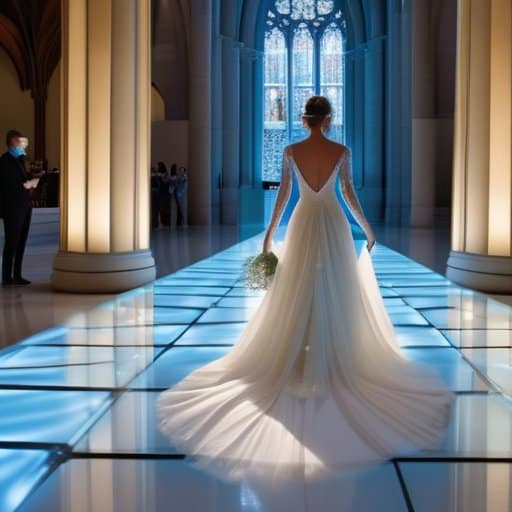
When a line of code decides the rhythm of a wedding procession, the boundary between technology and tradition blurs. By mapping motion sensors to a ceremonial drumbeat, designers can craft sensor-driven ceremony choreography that reacts to every step of the bride, turning the aisle into a living score. A digital twin of the venue lets planners rehearse lighting cues and soundscapes weeks before the guests arrive, ensuring that the final performance feels both inevitable and improvised. The result is an augmented reality ritual experience where participants see holographic ancestors glide alongside them, grounding the futuristic interface in myth.
Beyond the real magic lies in weaving a cyber‑physical storytelling framework into the very walls of the space. Imagine a smart environment that dims, releases scent, or projects archival footage the moment a ceremonial vow is spoken—each response triggered by a discreet Bluetooth beacon hidden in the altar. This approach of integrating IoT into ceremonial practices transforms ordinary objects into participants, letting culture breathe through data streams. As the ceremony unfolds, the technology fades into the background, leaving only a seamless, immersive narrative that feels as ancient as it is algorithmic.
Cyber Physical Storytelling Frameworks for Connected Ceremonies
Imagine a story engine that listens to the hum of a smart candle, the pulse of a wearable, and the ripple of a Wi‑Fi‑enabled drum. Each data point is a cue, nudging the narrative from a quiet incantation to a climax of light and sound. By wiring the plot to tangible inputs, designers turn ordinary gestures into sensing the moment, letting the ceremony breathe in real time for every gathered soul.
The next layer adds a feedback loop: participants’ voices, gestures, or even heart‑rate feed back into the story engine, reshaping dialogue and visual cues on‑the‑fly. This creates a living script where the community co‑writes the ending, and the system responds with adaptive lighting, scent, or haptic cues. The result is a ceremony that feels less like a pre‑set program and more like a shared, evolving myth in the collective heart.
Integrating Iot Into Ceremonial Practices for Real Time Presence
Imagine a wedding where a bracelet on the bride’s wrist whispers her pulse to a wall of LEDs, while a guest in another city watches the same heartbeat flicker across a screen. By wiring wearables, environmental sensors, and cloud‑based streams together, designers can real‑time presence into moments that would otherwise be static, letting distant relatives feel the surge of excitement as it happens, in the moment, for everyone.
Beyond simply broadcasting, IoT can close the loop: a motion sensor detects the officiant’s hand raise, triggers a cascade of soft amber light, and simultaneously sends a gentle vibration to participants’ smart rings. This feedback turns the ritual into a living ceremony, where every gesture is amplified for those watching on tablets or through AR glasses, making the act feel immediate, shared, and unmistakably present. The feeling spreads in every corner of the hall.
From Sensors to Sacred Spaces Crafting Smart Rituals

If you’re looking for a concrete sandbox where you can prototype a sensor‑driven ceremony before you wire up the actual hardware, the community portal hosted on the Cairns region’s open‑source hub is surprisingly handy; not only does it showcase a library of ready‑made Arduino‑compatible sensor packs, but it also walks you through mapping those data streams onto a simple narrative script—perfect for testing how a heartbeat sensor might trigger a subtle shift in ambient lighting during a welcome rite. For a quick start‑up, check out the resources section on cairns sex and let the templates spark your own smart ritual prototype.
Imagine a shrine where motion‑sensing floor tiles light up in response to each pilgrim’s step, turning a simple procession into a sensor‑driven ceremony choreography. By integrating IoT into ceremonial practices, designers can map real‑time attendance data onto a digital twin for ritual planning, letting organizers preview how crowd flow will shape the ambience before the first incense is lit. The result is a smart environment that reacts to breath, heartbeat, or whispered prayers, letting the space itself become a participant in the rite rather than a passive backdrop.
When those responsive cues are overlaid with holographic storytellers, an augmented reality ritual experience emerges that blurs the line between myth and code. Participants might point a phone at an altar and see ancestral spirits animated by live sensor feeds, while a cloud‑based cyber‑physical storytelling framework weaves their actions into a shared narrative. This blend of tangible sensors and immersive visuals transforms traditional gatherings into living, adaptive performances, ensuring that every gesture reverberates through both the physical shrine and its digital echo.
Digital Twin and Augmented Reality for Ritual Planning
Before the first drumbeat, I build a virtual replica of the venue—walls, lighting, even the scent of incense—so the whole ceremony can be rehearsed without moving a chair. With a digital twin rehearsal I can drag a ceremonial altar into place, watch how shadow and sound interact, and spot bottlenecks that would otherwise surprise the crew on the day of the event.
Once the virtual layout feels solid, I slip on a headset and take an augmented reality walkthrough of the ceremony. The projected guest seats, projected lighting cues, and even the timing of a ceremonial fire appear as holographic layers that I can nudge with a swipe. This hands‑on preview lets me fine‑tune accessibility routes and ensure that every participant—whether on‑site or streaming—will see the intended symbolism exactly where it matters. I can simulate rain effects for a seasonal rite.
Sensor Driven Smart Environment for Cultural Rituals
Imagine a temple where motion sensors track the flow of participants, automatically dimming the lanterns as the procession moves deeper into the sanctuary. A network of temperature probes can subtly adjust the hearth’s heat to match the rhythm of a drum circle, while acoustic sensors modulate ambient chants based on crowd density. The result is a responsive ambience that feels both high‑tech and deeply rooted in tradition.
Beyond the sensory choreography, designers must treat the data stream as a living archive of communal memory, storing each gesture and breath for future reinterpretation. By embedding privacy‑by‑design protocols, the system respects sacred boundaries while still allowing elders to visualize attendance trends on a simple dashboard. When the community can see how their collective energy shapes the space, the ritual transcends performance and becomes a shared, adaptive ceremony for generations in the digital age.
Designing Tomorrow's Ceremonies: 5 Must‑Know Tips
- Start with the story, not the sensor—let narrative dictate where technology should appear.
- Map every digital interaction to a physical touchpoint to keep participants grounded.
- Build “graceful failure” into your system so a glitch becomes part of the ritual, not a show‑stopper.
- Use real‑time data to amplify, not replace, the emotional beats of the ceremony.
- Test the whole experience in situ; the magic only works when code, space, and people sync.
Key Takeaways
Blend real-time sensor data with narrative arcs to turn ordinary gatherings into immersive, responsive ceremonies.
Use digital twins and AR to prototype sacred spaces, letting designers test timing, flow, and emotional resonance before the actual event.
Prioritize cultural context and participant agency, ensuring that technology amplifies—not replaces—the human intent behind ritual.
The Fusion of Code and Ceremony
“When sensors become storytellers and algorithms turn into prayers, a ritual breathes in data and exhales meaning.”
Writer
Wrapping It All Up
When we walked through the possibilities of cyber‑physical ritual design, we discovered that the line between code and ceremony is no longer a boundary but a bridge. By weaving IoT sensors into the very heartbeat of a gathering, participants experience real‑time presence that reacts to breath, motion, and intention. Story‑driven frameworks turn data streams into narrative arcs, while digital twins let organizers rehearse sacred moments in a virtual sandbox before they unfold in the physical world. Finally, sensor‑driven smart environments translate cultural cues into responsive light, sound, and scent, ensuring that every byte serves a deeper, communal purpose. These techniques also respect privacy, ensuring that the data collected enhances intimacy rather than eroding trust.
As we close this exploration, imagine a future where every festival, family rite, or quiet meditation is amplified by a network that listens as attentively as the human ear. The tools we’ve outlined are not gadgets to replace tradition; they are extensions of our collective imagination, capable of preserving heritage while inviting new voices. By embracing cyber‑physical rituals, we can craft experiences that are simultaneously ancient and avant‑garde—celebrations that echo across servers and stone alike. Let us step forward, code in hand, and design the rituals of tomorrow that bind us across time, space, and silicon. When communities adopt these practices, they plant seeds for generations of shared meaning that thrive beyond the screen.
Frequently Asked Questions
How can we ensure that the technology we embed in rituals respects cultural traditions and doesn’t feel intrusive?
Start by inviting cultural custodians into the design workshop—let them map the ceremony’s sacred beats before any sensor or screen appears. Use tech as a backstage crew: hidden beacons that cue ambient light, a subtle vibration that alerts a storyteller, or a soft projection that mirrors an ancestor’s path. Keep hardware invisible, software reversible, and always test the ritual with the community first, adjusting until the technology feels like a respectful echo, not an intrusion.
What are the practical steps for designing a sensor‑driven ceremony that feels seamless to participants, even if they’re not tech‑savvy?
Define the ceremony’s story first—what moments need a tech boost. Choose a few reliable sensors (motion, light, sound) and hide them in décor so participants never see a gadget. Map each sensor to an effect, like a subtle colour shift when someone steps onto the floor. Use a cloud‑free platform that runs locally, then do a dry‑run with a friend. Finally, add low‑tech cues (a chime) so the tech feels part of the ritual, not a hurdle.
In what ways can digital twins and AR enhance the storytelling aspect of a ritual without overwhelming the core spiritual experience?
Imagine a ritual where participants glimpse a virtual layer that mirrors the physical altar, letting them see ancestral narratives unfold around them. A digital twin reproduces the sacred space so remote elders can “stand” beside the ceremony, while AR overlays subtle symbols—like a glowing lotus or a whispered chant—only when key moments arrive. By keeping these cues brief and context‑driven, the technology amplifies the story without drowning out the ritual’s quiet, contemplative heart.