As I settled into my tent on a crisp mountain night, I realized that choosing the right sleeping bag can be a daunting task, especially with all the options available in a guide to choosing a sleeping bag. I’ve often found myself overwhelmed by the numerous features and technical terms that seem to confuse more than clarify. But, after years of trial and error, I’ve learned that it’s not about finding the most expensive or heavily marketed bag, but rather about understanding your specific needs and finding a bag that meets them.
In this article, I promise to cut through the noise and provide you with practical advice on how to select the perfect sleeping bag for your next adventure. I’ll share my personal experiences, from freezing nights in the mountains to sweltering jungle treks, and provide you with a step-by-step approach to finding a sleeping bag that will keep you comfortable and warm. Whether you’re a seasoned camper or just starting out, this guide will help you make an informed decision and ensure that you get a good night’s sleep, no matter where your travels take you.
Table of Contents
- Guide Overview: What You'll Need
- Step-by-Step Instructions
- A Guide to Choosing a Sleeping Bag
- Cozying Up to the Right Choice: 5 Tips for Selecting Your Ideal Sleeping Bag
- Key Takeaways for the Wanderer's Sleeping Bag
- Embracing the Art of Slumber
- Embracing the Journey, One Sleeping Bag at a Time
- Frequently Asked Questions
Guide Overview: What You'll Need
Total Time: 1 hour
Estimated Cost: $50 – $200
Difficulty Level: Easy
Tools Required
- Measuring Tape (to measure body length)
Supplies & Materials
- Sleeping Bag consider temperature ratings, fill type, and compression size
Step-by-Step Instructions
- 1. First, consider your sleeping style, as it plays a significant role in choosing the right sleeping bag. Do you sleep on your side, back, or stomach? This will help you decide on the right amount of loft and insulation needed to keep you comfortable throughout the night.
- 2. Next, think about the type of adventures you’ll be embarking on and the temperature ranges you’ll be sleeping in. Will you be camping in the scorching desert or braving the chilly mountains? Different environments require different levels of insulation, so it’s essential to choose a sleeping bag that can withstand the temperatures you’ll be in.
- 3. Now, let’s talk about fill power, which refers to the amount of fluffiness and warmth provided by the insulation. A higher fill power means the bag will be warmer and lighter, but it also comes with a higher price tag. Consider your budget and the type of camping you’ll be doing to decide on the right fill power for your needs.
- 4. When it comes to sleeping bag shapes, you’ll typically find two options: mummy-shaped and rectangular. Mummy-shaped bags are designed to be more efficient in terms of warmth and weight, while rectangular bags offer more room to move around. Think about your personal preferences and choose a shape that suits your sleeping style.
- 5. Another crucial factor to consider is the water resistance of your sleeping bag. If you’ll be camping in wet or humid conditions, look for a bag with a waterproof and breathable membrane to keep you dry and comfortable. This feature can be a lifesaver on rainy nights or in damp environments.
- 6. In addition to the sleeping bag itself, don’t forget to consider the accessories you’ll need to complete your sleeping setup. This might include a sleeping pad for extra comfort and insulation, as well as a ground tarp to protect you from the elements. Think about the entire sleep system and choose a sleeping bag that integrates well with your other gear.
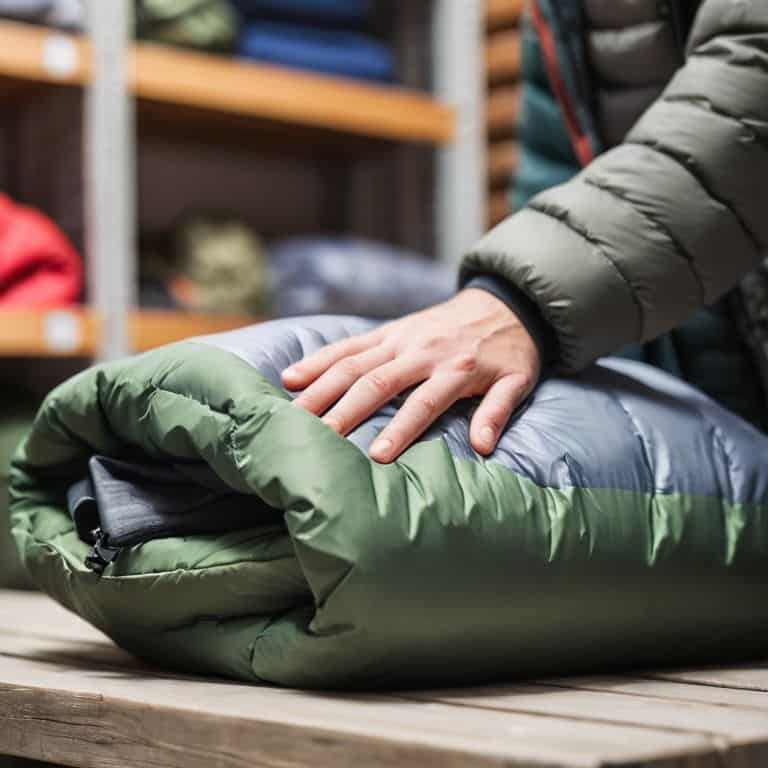
- 7. Finally, read reviews and try before you buy, if possible. There’s no substitute for real-world experience, so look for feedback from other campers and outdoor enthusiasts to get a sense of how a sleeping bag performs in the field. If you can, visit an outdoor store and try out different models to find the one that feels just right for you.
A Guide to Choosing a Sleeping Bag
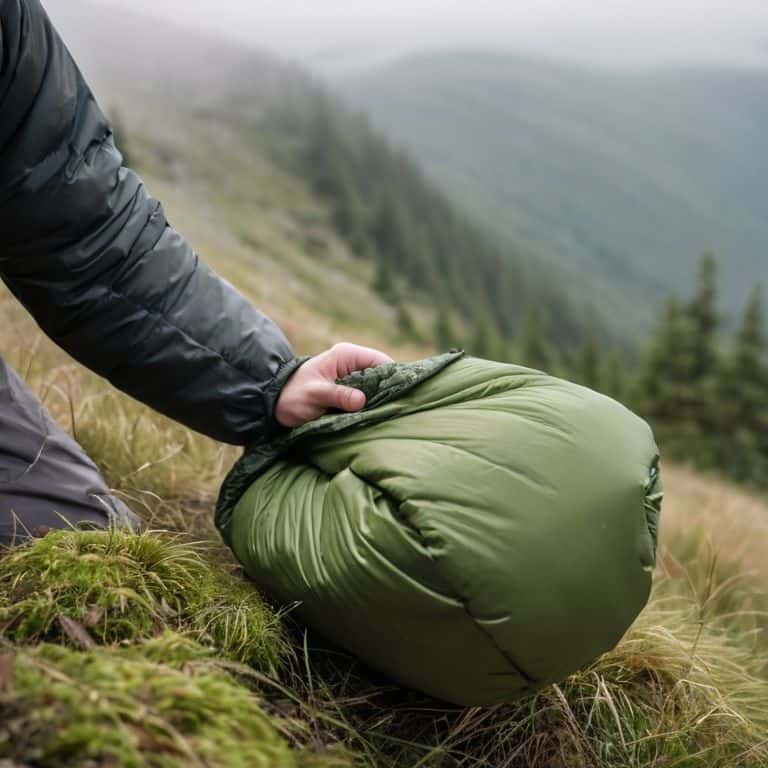
As I reflect on my own experiences with sleeping bags, I’ve come to realize the importance of sleeping bag insulation types. Down-filled bags, for instance, offer excellent warmth-to-weight ratios, but may not perform as well in damp conditions. On the other hand, synthetic insulation can withstand moisture, but often comes at the cost of increased weight. When backpacking, it’s essential to strike a balance between these factors to ensure a comfortable and restful night’s sleep.
In colder climates, cold weather sleeping bag tips can be a lifesaver. I recall a particularly chilly night in the mountains, where I had to rely on my sleeping bag’s temperature ratings to keep me warm. It’s crucial to understand that these ratings are not always absolute, and may vary depending on individual factors such as metabolism and camping conditions. By being aware of these nuances, you can make informed decisions when selecting a sleeping bag for your next adventure.
When it comes to sleeping bag care and maintenance, a little effort can go a long way in extending the life of your gear. Regularly cleaning and drying your sleeping bag, as well as storing it in a dry and cool place, can help maintain its loft and insulation properties. Additionally, considering ultralight sleeping bag options can be a great way to shave off precious pounds from your backpack, allowing you to venture further and explore more of the great outdoors.
Deciphering Temperature Ratings for Dreamy Nights
As I drifted off to sleep under the starry sky, I realized that temperature ratings are a crucial aspect of choosing the right sleeping bag. It’s essential to understand that these ratings are not just about the bag’s ability to keep you warm, but also about its capacity to regulate your body temperature. I’ve learned to look for bags with ratings that match the average low temperature of my destination, giving me a comfortable night’s sleep without overheating.
When deciphering temperature ratings, consider the comfort rating, limit rating, and extreme rating. The comfort rating is the temperature at which you’ll sleep comfortably, while the limit rating is the lowest temperature at which the bag can keep you warm. By understanding these ratings, you can select a sleeping bag that will keep you cozy on even the chilliest nights, making your adventures even more enjoyable.
Sleeping Bag Insulation Types for Wanderers
As I delved into the world of sleeping bags, I discovered that insulation is a crucial factor in keeping warm on chilly nights. For wanderers like myself, it’s essential to choose a sleeping bag with the right type of insulation. I’ve found that down insulation is a popular choice among travelers, offering excellent warmth-to-weight ratios and compressibility. However, synthetic insulation is also a great option, especially for those who frequent damp or humid environments, as it retains its insulating properties even when wet.
When selecting a sleeping bag, consider the activities you’ll be doing and the climates you’ll encounter. If you’re an urban sketcher like me, you might prioritize lightweight and compact sleeping bags with down insulation for those spontaneous mountain retreats. On the other hand, if you’re trekking through rainforests or exploring coastal areas, synthetic insulation might be the way to go.
Cozying Up to the Right Choice: 5 Tips for Selecting Your Ideal Sleeping Bag
- Consider the Climate: Think about the conditions you’ll be sleeping in most often – will it be the scorching desert nights or the chilly mountain mornings?
- Fill Power and Insulation: Understand the difference between down and synthetic insulation, and how fill power affects the warmth and weight of your sleeping bag
- Temperature Ratings Demystified: Learn to read between the lines of temperature ratings, considering factors like your personal comfort level, sleeping pad insulation, and the bag’s features
- Size and Shape Matters: Don’t underestimate the importance of a comfortable fit – consider your height, preferred sleeping position, and whether you tend to toss and turn
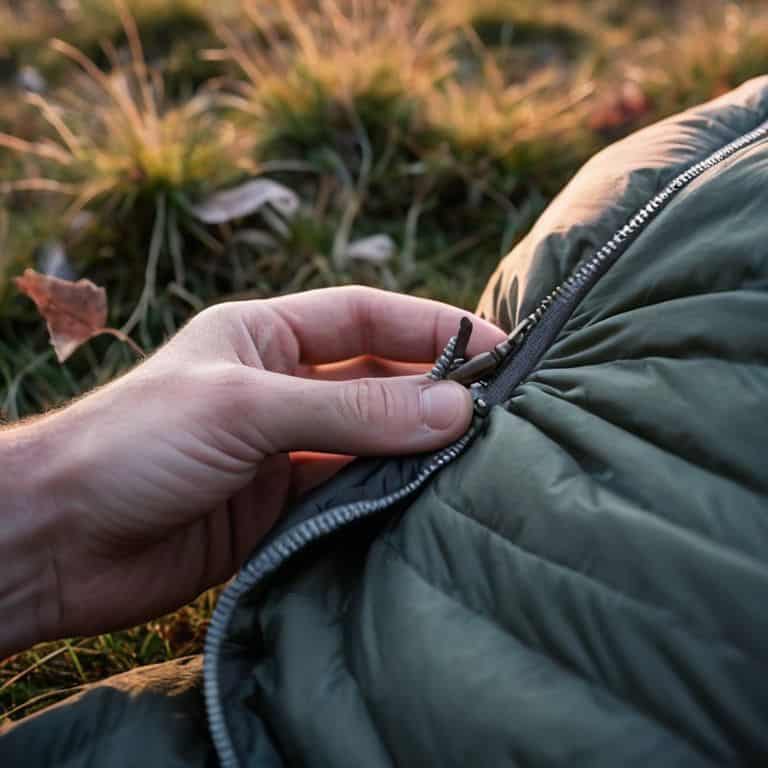
- Testing and Touch: When possible, try before you buy, and don’t overlook the small details like zipper quality, draft tubes, and the material’s feel against your skin
Key Takeaways for the Wanderer's Sleeping Bag
As I reflect on my journeys, I’ve learned that selecting the right sleeping bag insulation type can make all the difference in staying cozy under the stars, whether you prefer the reliability of down or the practicality of synthetic insulation
Temperature ratings are not just numbers – they’re the secret to a dreamy night’s sleep, and understanding how to decipher them can save you from a chilly awakening in the midst of an adventure
Ultimately, choosing the perfect sleeping bag is a personal quest, one that requires considering your unique needs, the climates you’ll be exploring, and the type of adventures you’ll be having, so take your time, and don’t be afraid to try out a few options before settling on the one that feels like home
Embracing the Art of Slumber
A sleeping bag is more than just a piece of gear – it’s a haven that cradles your dreams, a sanctuary that shields you from the elements, and a loyal companion that whispers tales of adventure as you drift off to sleep.
Julie Wright
Embracing the Journey, One Sleeping Bag at a Time
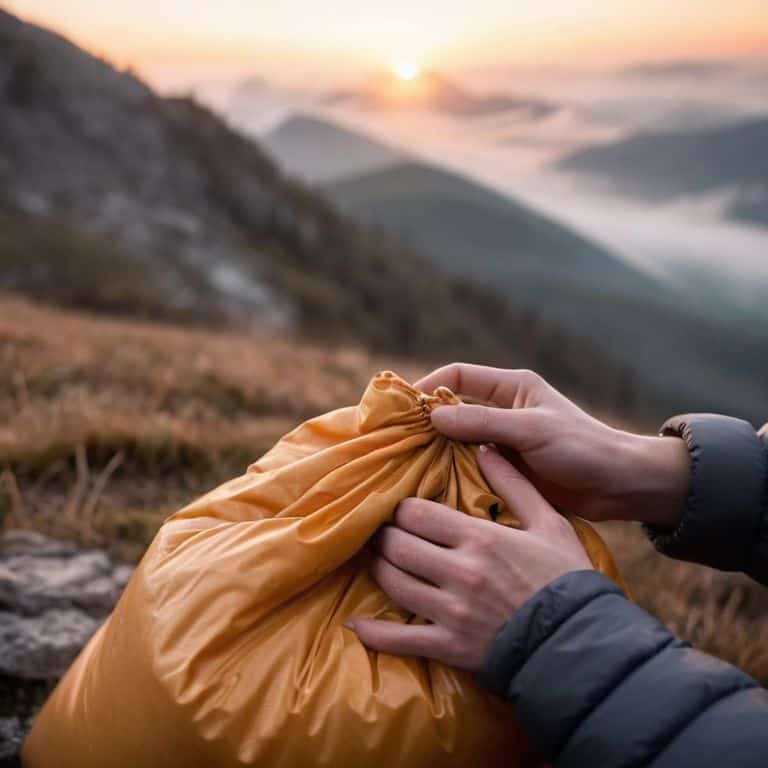
As I reflect on our journey through the world of sleeping bags, it’s clear that choosing the right one is a personal decision that depends on several factors, including the type of adventure you’re embarking on, the climate you’ll be in, and your own comfort preferences. We’ve explored the ins and outs of insulation types, from down to synthetic, and delved into the often-misunderstood realm of temperature ratings. By understanding these key elements, you’ll be better equipped to select a sleeping bag that not only keeps you warm and cozy but also complements your unique travel style.
As you venture out into the unknown, remember that your sleeping bag is more than just a piece of gear – it’s a sanctuary that cradles you in the still of the night, under the star-studded sky. It’s a reminder that even in the most unfamiliar of places, you can find comfort and peace. So, go ahead, choose your sleeping bag with care, and as you drift off to sleep, may your dreams be filled with visions of distant lands, vibrant cultures, and the thrill of the next great adventure that awaits you.
Frequently Asked Questions
What are the key factors to consider when choosing a sleeping bag for a specific type of camping or hiking trip?
When choosing a sleeping bag, I consider the trip’s climate, terrain, and activities – will I be backpacking in the mountains or car camping by a lake? I think about the temperature, humidity, and potential for rain or snow, and match those conditions with the right insulation type, temperature rating, and features like water resistance or breathability.
How do I determine the right temperature rating for my sleeping bag based on the climate and weather conditions of my destination?
To determine the right temperature rating, I consider the climate and weather conditions of my destination. For warmer climates, I opt for a lighter bag with a higher temperature rating, while colder climates call for a heavier bag with a lower rating. I also check the forecast for any extreme weather conditions to ensure I’m prepared for the unexpected.
Are there any specific features or technologies that can enhance the comfort and performance of a sleeping bag, such as moisture-wicking materials or anti-compression designs?
As I’ve snuggled into my sleeping bag on countless adventures, I’ve found that features like moisture-wicking materials and anti-compression designs can be total game-changers. Look for bags with breathable fabrics, like Gore-Tex or similar tech, to keep you dry and cozy on damp nights.