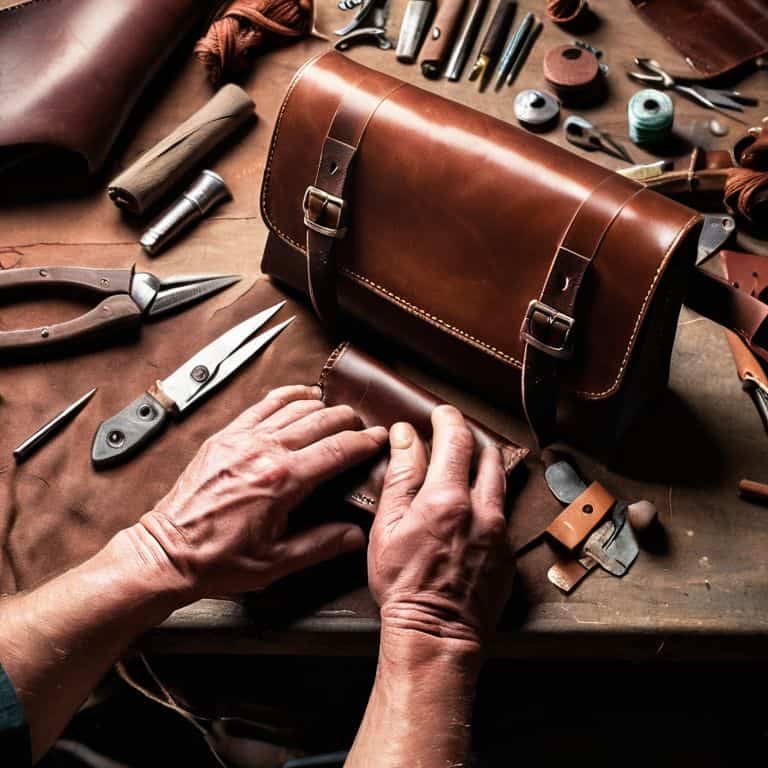
As I sat down to write about an interview with a leatherworker, I couldn’t help but think of the countless times I’ve seen the term “sustainable craftsmanship” thrown around like a trendy buzzword. But what does it really mean to work with leather in a way that’s gentle on the earth? I’ve always been fascinated by the stories of artisans who weave together tradition, texture, and a deep respect for the natural world. My own experiences volunteering at community gardens and exploring the tide pools of my childhood home have taught me that true sustainability is about more than just a label – it’s about a way of living that honors the intricate web of life.
In this article, I promise to take you on a journey that’s rooted in reality, not hype. Through my conversation with a seasoned leatherworker, I’ll share the unvarnished truth about what it takes to create beautiful, functional pieces that not only tell a story but also tread lightly on the planet. We’ll dive into the nitty-gritty of sustainable leatherworking, from sourcing materials to the careful craftsmanship that goes into each stitch. My goal is to inspire you to see the world of leatherwork in a new light – one that’s filled with possibility, creativity, and a deep connection to the natural world.
Table of Contents
- Soulful Leathercraft Unveiled
- An Interview With a Leatherworker
- Weaving Wisdom: 5 Timeless Tips from a Leatherworker's Studio
- Weaving Sustainability into Everyday Life: 3 Key Takeaways
- Weaving Tales of Tradition and Sustainability
- Weaving a Legacy of Sustainable Craftsmanship
- Frequently Asked Questions
Soulful Leathercraft Unveiled
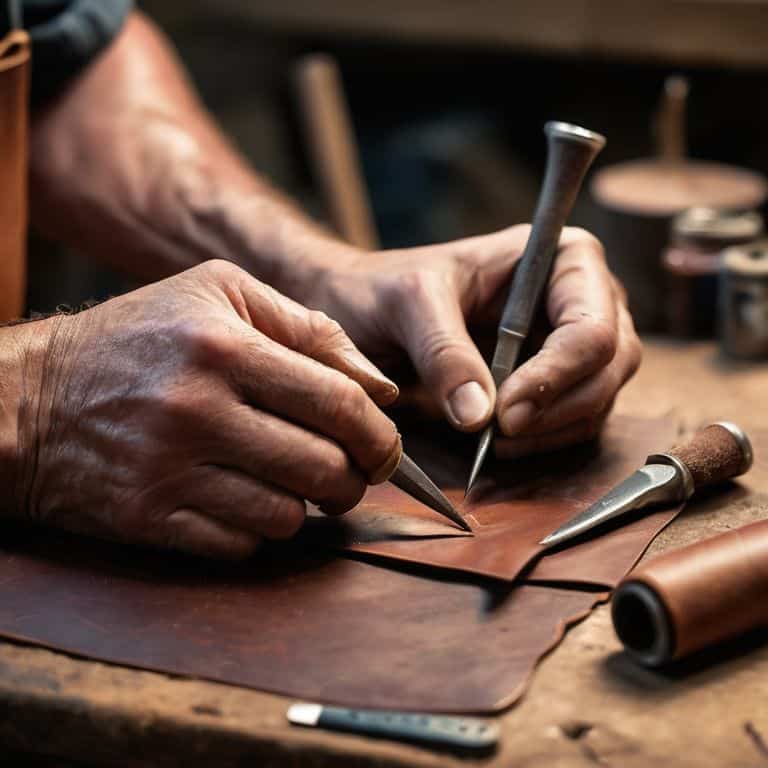
As I delved deeper into the world of leathercraft with my interviewee, I was struck by the traditional leather crafting techniques that had been passed down through generations. The leatherworker’s hands moved deftly, weaving a narrative of texture and tradition as they worked on a bespoke piece. I watched, mesmerized, as they employed hand stitching leather goods with a precision that bordered on meditation.
The conversation flowed effortlessly, touching on the importance of leather tool maintenance tips and the meticulous process of sourcing high quality leather hides. My interviewee’s passion for their craft was palpable, and I found myself drawn into the world of custom leatherwork, where every piece told a unique story. The process of creating something from scratch, from conception to completion, was a truly magical one.
As we explored the realm of bespoke leather goods, I became fascinated by the custom leatherwork commission process, which involved a deep understanding of the client’s vision and a willingness to bring that vision to life. The leatherworker’s approach was rooted in a profound respect for the material, and a commitment to preserving the art of traditional leathercraft through leatherwork apprenticeship programs.
Sourcing Leather Hides With Conscious Care
As I delved deeper into the world of leathercraft with the leatherworker, our conversation turned to the careful selection of materials. The leatherworker’s eyes sparkled with a deep appreciation for the art of sourcing, a process that involves scouring local farms and tanneries for the finest, most sustainably-sourced hides. This mindful approach not only ensures the quality of the leather but also fosters a sense of community and connection to the land.
The leatherworker’s commitment to environmental stewardship is evident in every aspect of their craft, from the meticulous cleaning and preparation of the hides to the thoughtful consideration of each piece’s eventual end-of-life. By choosing to work with locally sourced, organic materials, the leatherworker is able to minimize their ecological footprint while creating truly unique and beautiful pieces that reflect a deep respect for the natural world.
Traditional Techniques Meet Modern Hands
As I delved deeper into the world of leathercraft with the skilled artisan, I was struck by the way traditional techniques were being reimagined for a modern audience. The leatherworker’s hands moved deftly, weaving together threads of heritage and innovation with each careful stitch.
The result was a beautiful blend of old and new, where sustainable practices met timeless craftsmanship, giving birth to pieces that were not only functional but also told a story of their own.
An Interview With a Leatherworker
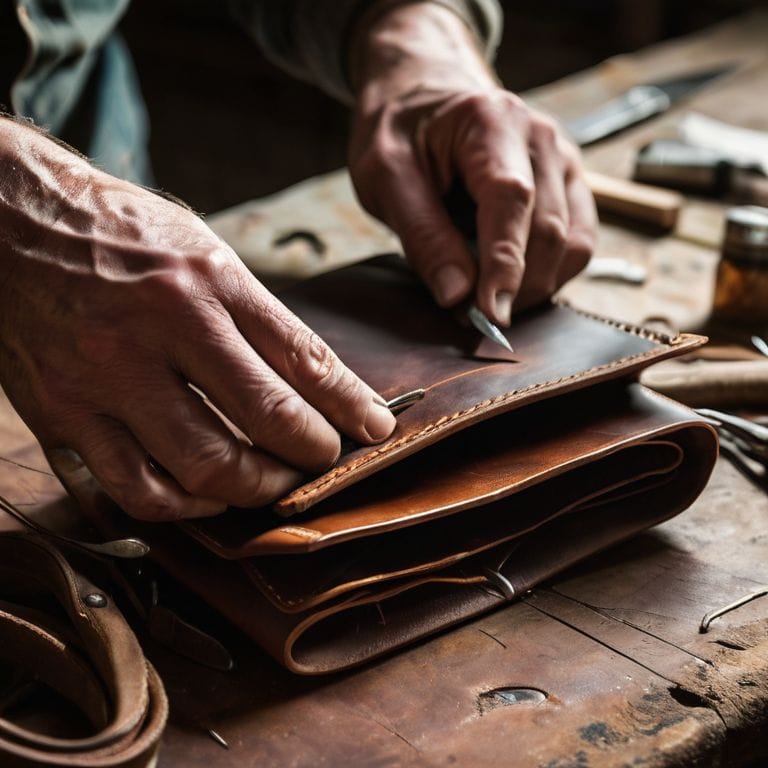
As I delved deeper into the world of leathercraft, I had the privilege of sitting down with a skilled artisan who has dedicated their life to mastering the art of traditional leather crafting techniques. With hands that moved deftly, stitching together pieces of leather with precision and care, they shared with me the intricacies of their craft. From the initial cutting of the leather hides to the final touches of hand stitching leather goods, every step is a testament to their dedication to quality and attention to detail.
Their approach to leatherwork is not just about creating functional items, but also about telling a story through the materials they use. They spoke passionately about the importance of sourcing high quality leather hides, and the process of selecting the perfect hide for each project. This attention to detail is what sets their work apart, and makes each piece truly unique. Whether it’s a custom leather wallet or a bespoke handbag, every item is a reflection of their skill and craftsmanship.
As we talked, I was struck by the custom leatherwork commission process, and how it allows clients to be involved in the creation of their own unique piece. From discussing design ideas to selecting the perfect leather hide, the process is deeply collaborative and personalized. It’s clear that this artisan is not just a skilled craftsman, but also a storyteller, weaving together threads of tradition, innovation, and sustainability to create something truly special.
Stitching Stories Hand Crafting Leather Goods
As I delved deeper into the world of leathercraft, I discovered the art of hand stitching, a technique that not only adds durability to the leather goods but also infuses them with a sense of character. The leatherworker’s hands moved deftly, weaving a narrative with each carefully placed stitch.
The finished products were a testament to the leatherworker’s skill, with intricate details that told stories of their own, from the carefully tooled patterns to the subtle wear and tear that comes with time.
Timeless Tools and Tips for the Aspiring Apprentice
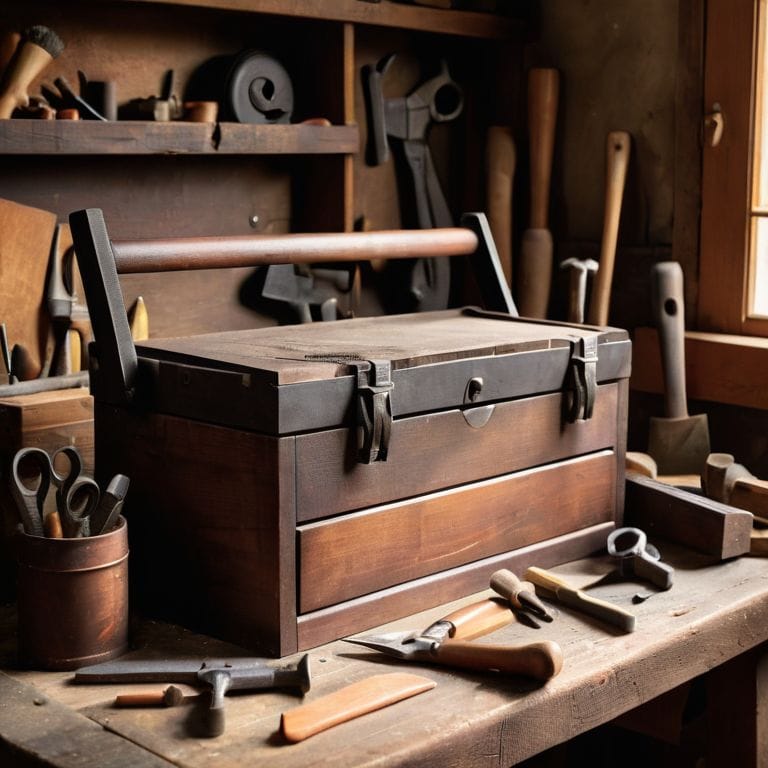
As I delved deeper into the world of leathercraft, I found myself enchanted by the rustic charm of traditional tools. The leatherworker’s hands moved deftly, wielding awls and mallets with a precision that came from years of practice. It was as if each tool had a story to tell, its worn surface a testament to the countless hours of craftsmanship that had shaped it.
The leatherworker shared with me their most treasured tip for beginners: to always condition their leather hides with patience and care. This simple yet crucial step, they explained, could make all the difference in the final product’s quality and durability. As they spoke, their eyes sparkled with a deep affection for their craft, and I couldn’t help but feel inspired to try my hand at this timeless art form.
Weaving Wisdom: 5 Timeless Tips from a Leatherworker's Studio
- Embrace the beauty of imperfection: Just as a river rock is smoothed by the constant flow of water, leather goods develop character with time and use, telling the story of their owner’s journey
- Select leather hides with a conscious heart: Consider the source, the tanning process, and the environmental impact of your materials, for a craft that not only creates beautiful objects but also honors the earth
- Hand-stitch with intention: Every stitch is a testament to the human touch, a declaration of love and care in a world of machine-made efficiency, where the rhythm of the needle and thread weaves a narrative of its own
- Respect the tradition, innovate with soul: Blend age-old techniques with modern creativity, allowing the past to inform the present and the future to unfold with possibility, like the first tender shoots of a spring garden
- Cultivate patience, for craftsmanship is a slow bloom: Just as a tree grows strong and resilient over years of seasons, leathercraft requires dedication, persistence, and a willingness to let each piece evolve into its full, unique beauty
Weaving Sustainability into Everyday Life: 3 Key Takeaways
Embracing traditional leathercraft techniques can be a powerful way to promote sustainability, as it encourages a slower, more mindful approach to consumption and creation
Incorporating eco-friendly practices into your daily life can start with small, achievable steps, such as sourcing materials from local, environmentally responsible suppliers or repurposing vintage items
By combining creativity, community, and a deep appreciation for nature, we can transform our relationship with the environment and cultivate a more joyful, sustainable way of living
Weaving Tales of Tradition and Sustainability
As I delved into the world of leathercraft, I discovered that the true beauty of this ancient art lies not just in the supple textures and earthy scents, but in the stories that each stitch tells – of tradition, of innovation, and of the gentle balance between human touch and the natural world.
Harper Willow
Weaving a Legacy of Sustainable Craftsmanship
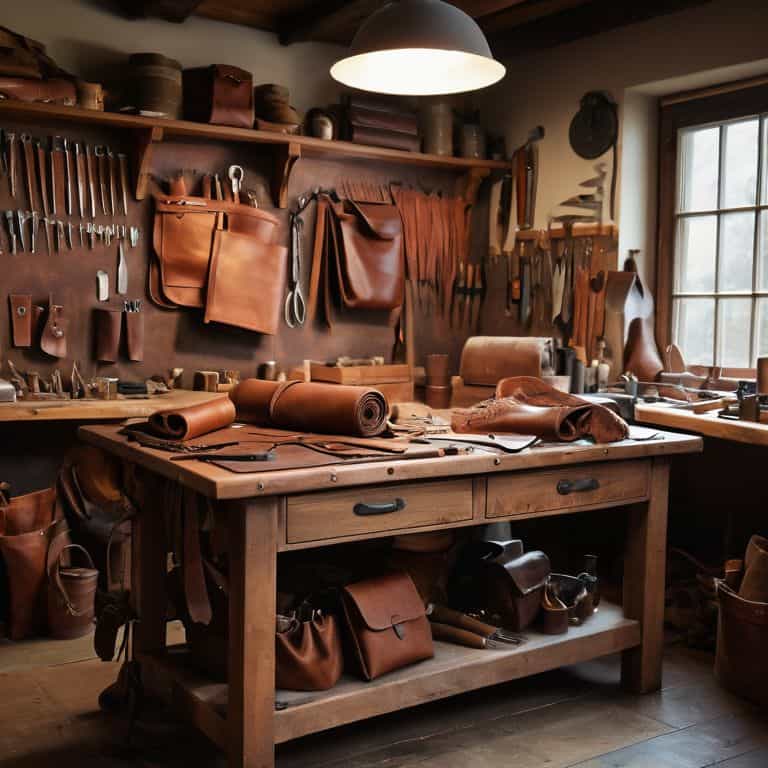
As I reflect on my conversation with the leatherworker, I am reminded of the beauty of traditional craftsmanship and the importance of sourcing materials with conscious care. From the careful selection of leather hides to the meticulous stitching of each seam, every step of the process is a testament to the leatherworker’s dedication to their craft. The interview not only showcased the leatherworker’s technical skills but also highlighted the value of storytelling in the creation of each piece, as every item is imbued with a sense of history and meaning. Whether it’s a vintage bag or a handmade wallet, each leather good is a reflection of the leatherworker’s passion for sustainable craftsmanship.
As we conclude this journey into the world of leathercraft, I am left with a sense of wonder and awe at the possibility of transforming raw materials into something truly timeless and beautiful. The leatherworker’s story serves as a powerful reminder that even in the midst of a fast-paced, technology-driven world, there is still room for traditional techniques and handmade craftsmanship to thrive. As we move forward, let us embrace the beauty of imperfection and celebrate the unique character of each handmade item, for it is in these imperfections that we find the true essence of sustainable living and the magic of human connection.
Frequently Asked Questions
What inspired the leatherworker to pursue this craft and how do they see it evolving in the modern world?
For me, the leatherworker’s story is a testament to the power of heritage and innovation. They shared with me that their journey began with a fascination for traditional craftsmanship, sparked by a family member’s old leather workshop. As they see it, the craft is evolving to prioritize sustainability, with a focus on eco-friendly tanning methods and repurposing vintage materials.
How does the leatherworker balance traditional techniques with contemporary designs and sustainability concerns?
For me, it’s about harmonizing heritage methods with modern mindfulness, blending timeless craftsmanship with eco-friendly materials and innovative designs that not only reduce waste but also tell a story of sustainability and style.
What advice would the leatherworker give to someone looking to start their own leatherworking journey, from sourcing materials to refining their skills?
The leatherworker’s eyes sparkled as they shared, “Start by sourcing materials mindfully, considering the story behind each hide. Practice patience and persistence, for every stitch is a lesson. Seek out mentors, join a community, and don’t be afraid to experiment – it’s in the imperfections that character is born, and your unique voice as a leatherworker will emerge.