As I sat in a small café in Tokyo, sipping tea from a delicate, hand-painted teapot I had acquired in a local market, I couldn’t help but think about the importance of being prepared for the unexpected. This got me thinking about a guide to building a survival kit, and how it’s often misunderstood as a tedious, overly complicated task. The truth is, having a well-thought-out survival kit can be a lifesaver, and it’s not just for adventurers or preppers. Whether you’re a traveler, a hiker, or simply someone who wants to be ready for any situation, a survival kit is an essential tool.
In this article, I’ll share my personal experience and expertise to provide you with practical advice on building a survival kit that’s tailored to your needs. I’ll walk you through the essentials you should include, from first aid supplies to navigation tools, and offer tips on how to customize your kit for different situations and environments. My goal is to empower you with the knowledge and confidence to create a survival kit that will give you peace of mind, whether you’re exploring the wilderness or just want to be prepared for everyday emergencies. By the end of this guide, you’ll have a clear understanding of how to build a survival kit that’s effective, efficient, and easy to use.
Table of Contents
- Guide Overview: What You'll Need
- Step-by-Step Instructions
- A Guide to Building a Survival Kit
- Unpacking Disaster Preparedness Checklist Essentials
- Weaving Wilderness Survival Techniques Together
- Beyond the Basics: 5 Essential Tips for Crafting Your Survival Kit
- Embracing the Unknown: 3 Key Takeaways for Your Survival Kit
- In the Heart of Preparation
- Embracing the Unknown with Confidence
- Frequently Asked Questions
Guide Overview: What You'll Need
Total Time: 2 hours 30 minutes
Estimated Cost: $50 – $100
Difficulty Level: Intermediate
Tools Required
- Utility Knife (with extra blades)
- Scissors
- Flashlight (for inspecting kit contents)
- First Aid Kit Container (waterproof, approximately 6 inches by 4 inches by 2 inches)
Supplies & Materials
- Water Purification Tablets (at least 20 tablets)
- Non-Perishable Food (e.g., energy bars, approximately 1 pound)
- First Aid Kit (including bandages, antiseptic wipes, pain relievers)
- Multi-Tool (with knife, scissors, pliers)
- Fire Starters (e.g., matches, lighter, firestarters, approximately 20 pieces)
- Shelter Materials (e.g., space blanket, approximately 50 square feet)
- Rope or Twine (approximately 50 feet, 1/4 inch diameter)
- Sanitation Supplies (e.g., hand sanitizer, toilet paper, approximately 1 roll)
Step-by-Step Instructions
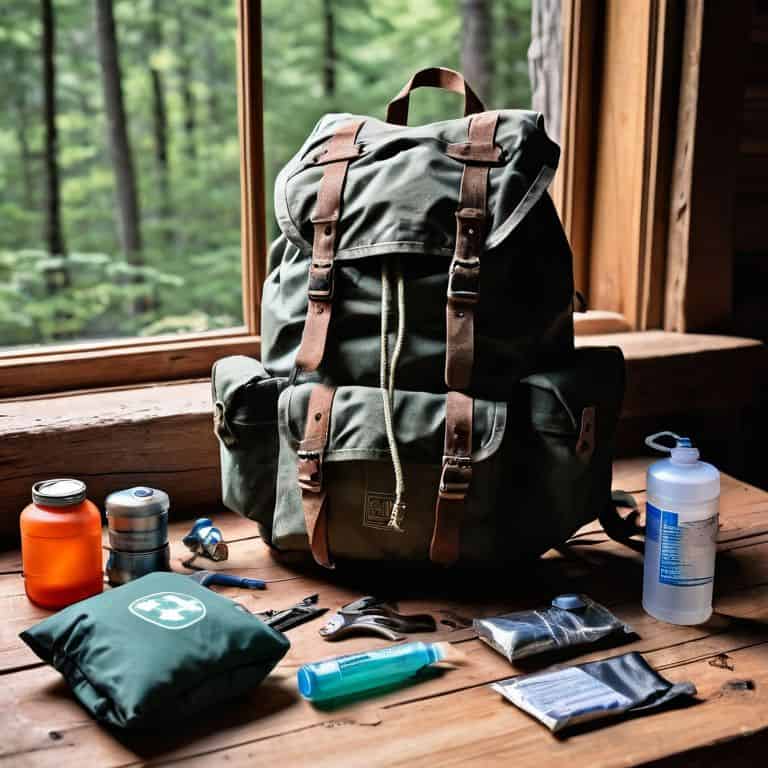
- 1. First, let’s start with the essentials: a survival kit is not just about throwing a bunch of random items into a bag, but rather about curating a selection of tools that can help you navigate, find shelter, and start a fire. As I’ve learned from my own adventures, having a trusty survival kit can be a lifesaver, and it all begins with a sturdy, water-resistant bag that can withstand the elements.
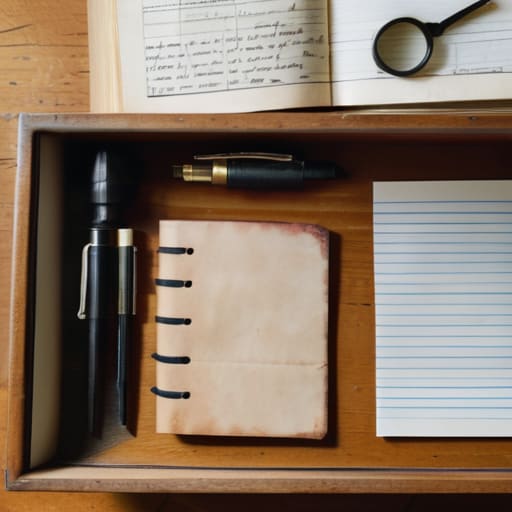
- 2. Next, I recommend gathering a set of navigation tools, including a compass, a map, and a GPS device. It’s also a good idea to include a small notebook and a pencil, so you can mark important coordinates, note any observations, and even jot down a few emergency contact numbers. Don’t forget to pack a small, portable power bank to keep your devices charged.
- 3. Now, let’s talk about shelter and warmth: a good survival kit should include a lightweight tent, a sleeping bag, and a warm blanket. You should also pack a small, portable stove, a fuel canister, and a set of waterproof matches. I always like to include a few fire starters, such as dry tinder and kindling, to make building a fire a bit easier.
- 4. When it comes to first aid, it’s essential to have a well-stocked kit that includes bandages, antiseptic wipes, pain relievers, and any medications you may need. I also like to include a small, portable water filtration system, so you can safely drink from streams and rivers. Don’t forget to pack a few personal hygiene items, such as hand sanitizer and biodegradable soap.
- 5. Food and water procurement are also crucial components of a survival kit. I recommend packing a small, portable water bottle, a water purification tablet, and a few non-perishable snacks, such as energy bars and dried fruit. You should also include a small, portable fishing kit, complete with a hook, line, and bait.
- 6. In addition to these essentials, I like to include a few personal items that can provide comfort and morale in a survival situation. This might include a small, portable book or journal, a set of playing cards, or even a favorite tea blend and a small, portable teapot (I always seem to find room for one of my beloved teapots in my survival kit!).
- 7. Finally, it’s essential to test and maintain your survival kit regularly, to ensure that all of the items are still usable and that the kit is still meeting your needs. I like to review my kit every few months, and update it as necessary to reflect any changes in my travel plans or the environments I’ll be visiting. By following these steps and staying vigilant, you can build a survival kit that will serve you well in any situation.
A Guide to Building a Survival Kit
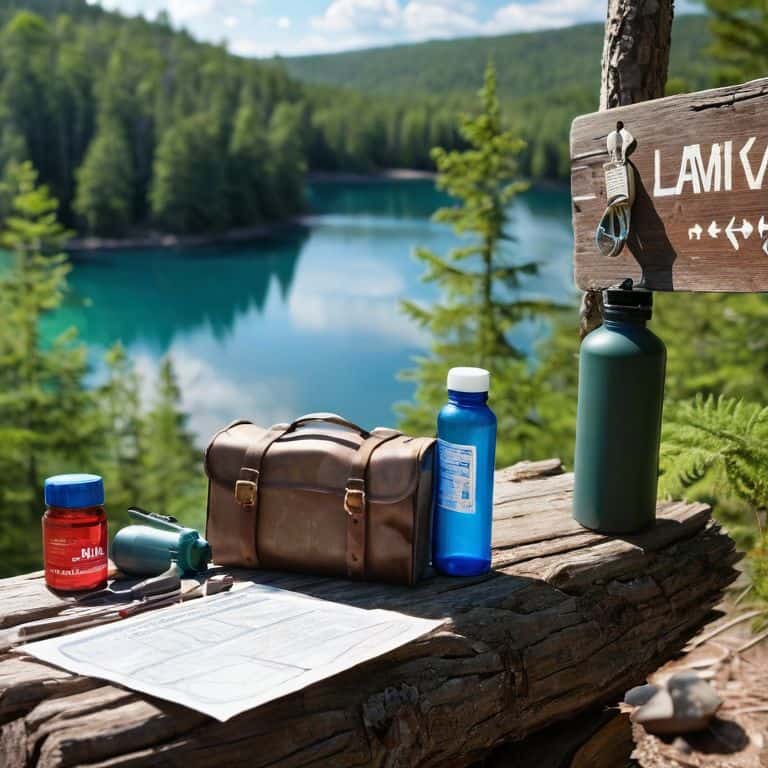
As I reflect on my own experiences with wilderness survival techniques, I’ve come to realize that a well-crafted survival kit is only the beginning. It’s the knowledge and skills that accompany it that truly make the difference. When venturing into the unknown, it’s essential to consider the environment and potential hazards, whether it’s navigating through dense forests or crossing scorching deserts. By understanding the lay of the land and being prepared for various scenarios, you can increase your chances of survival.
In addition to the basics, I always make sure to include a few disaster preparedness checklist staples in my kit, such as a waterproof match case and a compact first aid manual. These small items can prove invaluable in the face of an emergency. Moreover, knowing how to build an emergency shelter can be a lifesaver in harsh weather conditions. From lean-tos to debris huts, the options are varied, and it’s crucial to have a basic understanding of these techniques.
When it comes to staying hydrated, water purification methods are a top priority. Whether you’re relying on water filters, purification tablets, or UV light, having access to clean drinking water can make all the difference. By incorporating these elements into your survival kit and staying informed about the best practices, you’ll be well on your way to becoming a seasoned adventurer, ready to take on whatever the wilderness throws your way.
Unpacking Disaster Preparedness Checklist Essentials
As I delve into the world of disaster preparedness, I’m reminded of the vibrant markets I’ve explored, where each vendor’s stall told a story of resilience. A well-crafted disaster preparedness checklist is akin to a rich tapestry, woven from threads of experience and foresight. Essentials like water purification tablets, non-perishable food, and a first-aid kit form the foundation, while personal documents and multipurpose tools add depth and versatility.
In my travels, I’ve seen how these items can be lifesavers. From the colorful teapots I’ve collected, each one inspires a story of community and resourcefulness. As I sketch the scenes of disaster preparedness, I’m struck by the beauty of human connection and the importance of being prepared, together.
Weaving Wilderness Survival Techniques Together
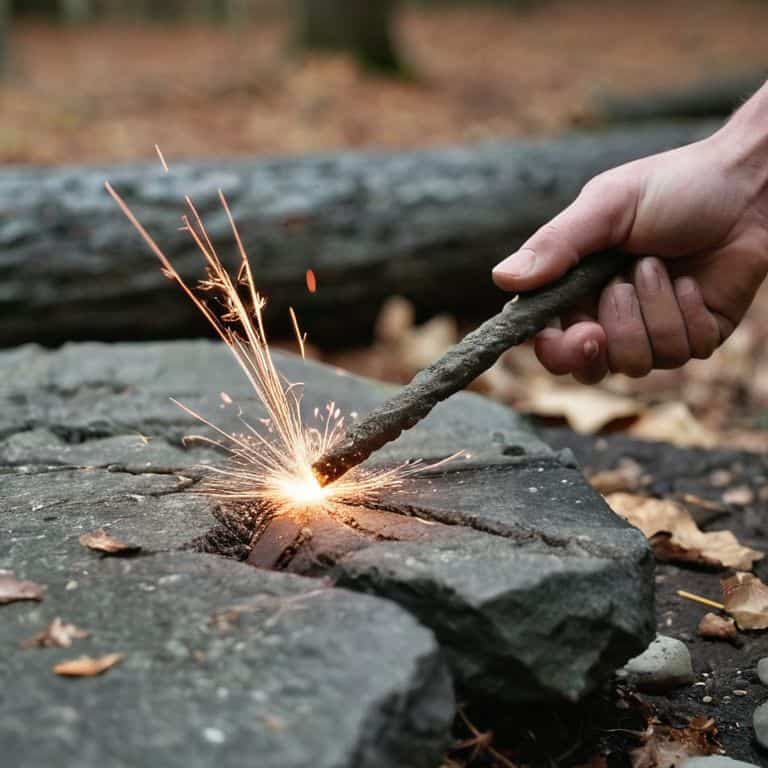
As I reflect on my own adventures, I realize that a survival kit is merely the beginning. It’s the techniques and knowledge that truly make the difference. I recall a particularly harrowing experience in the Mongolian wilderness, where a sudden storm rolled in, and I had to rely on my wits to find shelter. The skills I’ve learned from fellow travelers and locals have been invaluable, from starting a fire without matches to identifying edible plants.
By weaving these wilderness survival techniques together with the contents of my survival kit, I’ve been able to navigate even the most unexpected situations. It’s this synergy that I believe is the key to true preparedness, and one that I’m excited to share with fellow travelers.
Beyond the Basics: 5 Essential Tips for Crafting Your Survival Kit
- Pack a Personal Locator Beacon (PLB) or Satellite Phone to Stay Connected in Remote Areas
- Invest in a Water Filtration System or Water Purification Tablets to Ensure Access to Clean Drinking Water
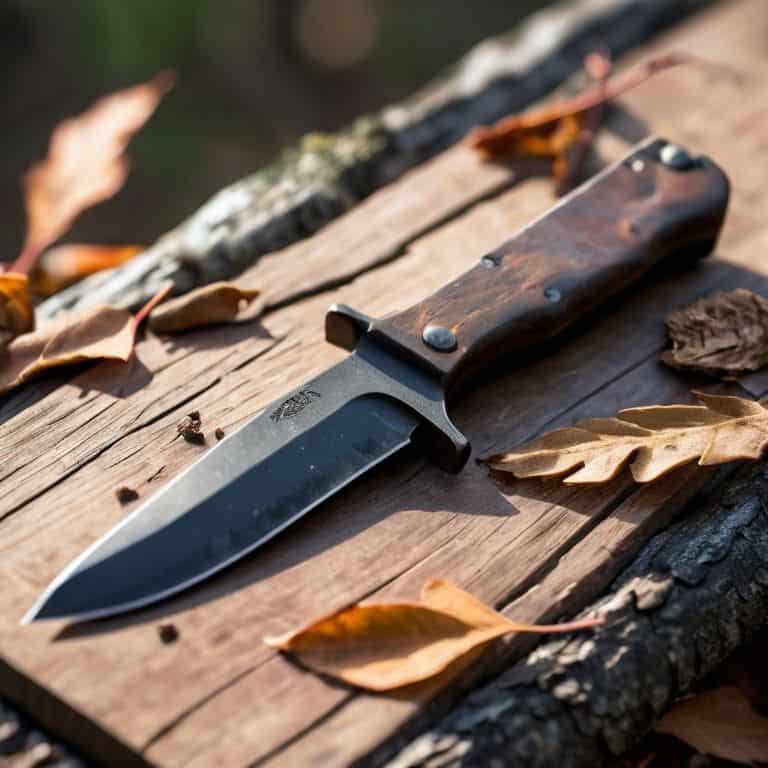
- Include a Multi-Tool or Pocket Knife for Versatile Cutting, Prying, and Whittling Needs
- Add a Small First Aid Kit with Essentials Like Bandages, Antiseptic Wipes, and Pain Relievers
- Bring a Portable Fire Starter, Such as a Lighter or Waterproof Matches, to Provide Warmth and Cooking Capabilities
Embracing the Unknown: 3 Key Takeaways for Your Survival Kit
As I reflect on my journeys, I’ve learned that a well-crafted survival kit is not just about assembling items, but about weaving a narrative of resilience and adaptability
From the bustling streets of Tokyo to the serene landscapes of New Zealand, every culture has its unique approach to disaster preparedness – and it’s essential to respect and learn from these differences as we build our own kits
Whether you’re an urban sketcher like myself or a seasoned adventurer, the true essence of a survival kit lies not in the gadgets or tools, but in the stories and experiences that shape our understanding of the world and our place within it
In the Heart of Preparation
A survival kit is not just a collection of tools, but a tapestry of stories, each item woven with the wisdom of those who have braved the unknown, reminding us that preparedness is not about fear, but about the freedom to explore and discover.
Julie Wright
Embracing the Unknown with Confidence
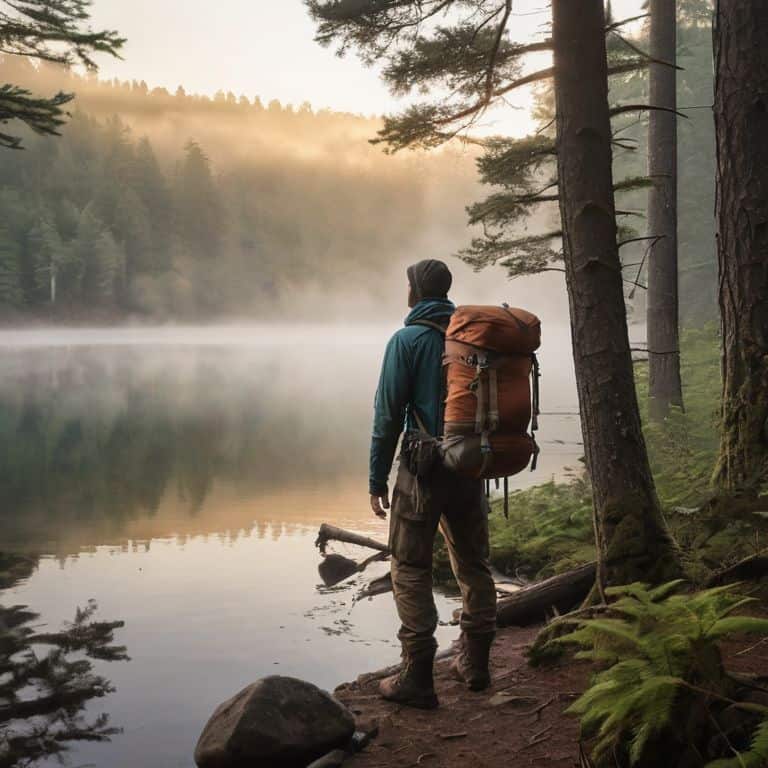
As I reflect on the journey of building a survival kit, I’m reminded that it’s not just about assembling a collection of tools and supplies, but about weaving a narrative of resilience. We’ve walked through the essential steps, from disaster preparedness to wilderness survival techniques, and unpacked the crucial elements of a disaster preparedness checklist. By embracing this process, we’re not only preparing for the unexpected, but also cultivating a deeper understanding of ourselves and our place within the world.
As you embark on your own adventure, whether it’s through the wilderness or the uncharted territories of everyday life, remember that a survival kit is more than just a physical collection of items – it’s a symbol of hope and a testament to the human spirit’s capacity for resilience and adaptation. May your journey be filled with wonder, curiosity, and the courage to face the unknown, and may your survival kit be a constant reminder of the incredible stories waiting to be written along the way.
Frequently Asked Questions
What are the most essential items to include in a survival kit for wilderness adventures?
For me, the essentials in a survival kit are a sturdy water filter, a compact first-aid kit, and a reliable fire starter – these three items have been lifesavers on my own wilderness adventures, and I always make sure to include them, alongside a few personal treasures like my favorite tea infuser, a reminder of the comforts that await back home.
How often should I update and replenish the supplies in my survival kit to ensure they remain effective?
As I’ve learned from my travels, it’s essential to review and refresh your survival kit every six months to ensure expiration dates are valid and supplies remain usable. I like to tie this routine to the changing of seasons, making it a habit to update my kit during spring and autumn equinoxes, adding a personal touch to this practical task.
Are there any specific survival kit configurations or items that are particularly suited for survival in extreme weather conditions or remote environments?
As I’ve sketched in the snow-capped mountains of Tibet and sipped tea in the scorching deserts of Morocco, I’ve learned that adaptability is key. For extreme weather, I recommend adding a waterproof match case, thermal blanket, and a compact first-aid kit to your survival arsenal, each one a tangible tale of resilience in the face of the unknown.