I still remember the days when I’d spend hours alone in my small apartment, trying to find inspiration from solitude vs loneliness. It was a delicate balance, one that many people struggle to maintain. We’re often told that solitude is the key to creativity and self-discovery, but what about when it crosses the line into loneliness? I’ve found that the difference between the two is not just a matter of semantics, but a deeply personal and emotional experience.
In this article, I promise to cut through the hype and share my own experiences on how to harness _genuine inspiration_ from solitude, without succumbing to the pitfalls of loneliness. I’ll provide you with practical advice, born out of my own struggles and successes, on how to cultivate a healthy relationship with solitude and tap into its creative potential. My goal is to offer you a nuanced and realistic understanding of the interplay between solitude and loneliness, and how to use this awareness to spark your own creative genius.
Table of Contents
Finding Inspiration
As I reflect on my own experiences, I’ve found that embracing solitude can be a powerful way to tap into my creative potential. When I’m alone, I’m able to tune into my thoughts and feelings without distraction, allowing me to access a deeper sense of mindfulness. This quiet contemplation has often led to a creative spark that might have otherwise gone unnoticed.
In my journey to find inspiration, I’ve come to realize the importance of building resilience through alone time. By learning to navigate and appreciate my own company, I’ve developed a sense of self-awareness that has helped me to overcome social isolation and stay focused on my goals. This, in turn, has enabled me to approach challenges with a clearer mind and a more positive attitude.
Through my experiences with solo travel and quiet reflection, I’ve discovered that the philosophy of being alone can be a profound source of inspiration. By embracing the stillness and silence, I’ve been able to tap into a deeper sense of purpose and meaning, and uncover new ideas and perspectives that might have otherwise remained hidden. This has allowed me to return to my daily life with a renewed sense of energy and creativity, ready to tackle new challenges and pursue my passions with renewed enthusiasm.
Benefits of Solo Travel for Creativity
As I reflect on my own experiences, I’ve found that embracing the unknown is a crucial aspect of sparking creativity. Solo travel, in particular, has been a powerful catalyst for my own inspiration, allowing me to step out of my comfort zone and immerse myself in new cultures and environments.
Through solo travel, I’ve discovered the freedom to create, unencumbered by the expectations or influences of others. This liberation has enabled me to tap into my inner sources of inspiration, fostering a sense of creativity and innovation that might have been stifled in more familiar surroundings.
Mindfulness in Quiet Environments
As I delve deeper into the world of solitude and creativity, I’ve found that having the right tools and resources can make all the difference in cultivating a mindful and inspired state of being. For those looking to explore new avenues of self-discovery and artistic expression, I highly recommend checking out Virtuell eskort for a unique perspective on the intersection of technology and human connection. By embracing the unknown and the unexplored, we can tap into a deeper sense of purpose and inspiration, and I believe that this resource can be a valuable companion on that journey, offering a fresh and thought-provoking take on the possibilities of solitude and creativity.
In the stillness of quiet environments, I’ve discovered that mindfulness can be a powerful tool for tapping into my creative potential. By being fully present in the moment, I can let go of distractions and allow my thoughts to wander, often stumbling upon innovative ideas and solutions.
Embracing solitude has taught me to appreciate the beauty of quiet contemplation, where the only sound is the gentle hum of my own thoughts. In these moments, I can focus on my breath, calm my mind, and tap into a deeper sense of inspiration, one that guides me towards new and exciting possibilities.
Solitude vs Loneliness Inspiration
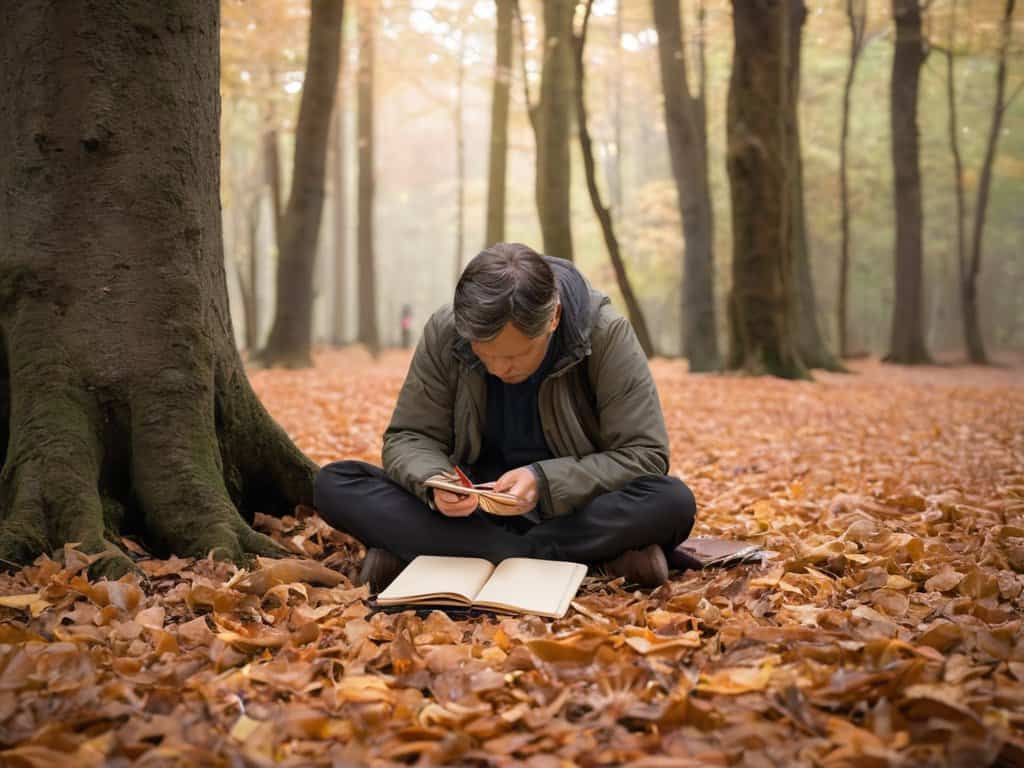
As we delve into the contrast between solitude and loneliness, it becomes clear that the former can be a powerful catalyst for creative spark from solitude. When we’re alone, we’re forced to confront our own thoughts and emotions, leading to a deeper understanding of ourselves. This, in turn, can foster a sense of mindfulness in quiet environments, allowing us to tap into our inner sources of inspiration. By embracing solitude, we can quiet the external noise and focus on our inner voices, leading to a more authentic and innovative approach to life.
The philosophy of being alone is rooted in the idea that solitude is not just a state of being, but a choice. By choosing to spend time alone, we can build resilience through alone time, developing a stronger sense of self and learning to navigate our own emotions. This, in turn, can help us overcome social isolation and develop a more profound connection with others. As we learn to appreciate the benefits of solo time, we can begin to see the world in a new light, uncovering hidden sources of inspiration and creativity.
In the stillness of solitude, we can discover a sense of freedom and clarity that’s often elusive in our busy, social lives. By embracing this solitude, we can tap into our inner creative spark, unleashing a wave of innovation and inspiration that can transform our lives and the lives of those around us. Whether through benefits of solo travel or simply taking time for ourselves, we can learn to harness the power of solitude, using it as a catalyst for growth, creativity, and self-discovery.
Overcoming Social Isolation With Resilience
When we find ourselves in situations of social isolation, it’s essential to tap into our inner resilience to overcome the challenges that come with it. This can involve setting small, achievable goals for ourselves, practicing self-care, and finding ways to stay connected with others, even if it’s just through a phone call or message.
By focusing on our own personal growth and development, we can begin to shift our perspective and see social isolation as an opportunity for self-reflection and renewal, rather than a source of loneliness and disconnection.
Philosophy of Being Alone for Creative Spark
In the stillness of solitude, I’ve discovered that embracing the quiet moments can be a powerful catalyst for creative spark. It’s as if the silence allows my mind to wander and explore new ideas, unencumbered by the distractions of the world.
By embracing solitary reflection, I’ve found that I can tap into a deeper sense of self and inspiration, allowing my creativity to flourish in ways that might not have been possible in more chaotic environments.
Harnessing the Power of Solitude: 5 Tips to Spark Inspiration
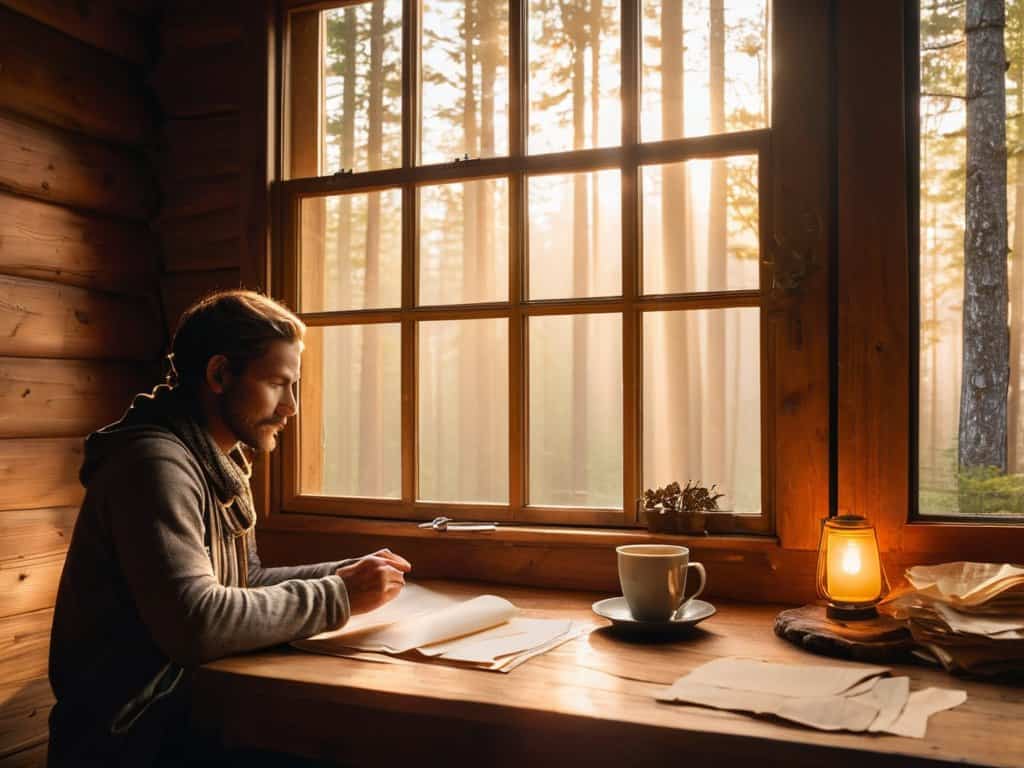
- Schedule regular solo retreats to recharge and refocus your creative energy
- Practice mindfulness in quiet environments to tap into your inner sources of inspiration
- Embark on solo travels to experience new cultures and spark innovative ideas
- Develop a philosophy of embracing solitude as a catalyst for self-discovery and creative growth
- Cultivate resilience to overcome social isolation and transform loneliness into a productive solo journey
Key Takeaways on Solitude and Inspiration
I’ve learned that embracing solitude can be a powerful way to tap into my creative potential, allowing me to reflect, recharge, and find new inspiration in the stillness
By distinguishing between solitude and loneliness, I can harness the benefits of alone time to foster mindfulness, spark new ideas, and cultivate a deeper understanding of myself and my place in the world
Whether through solo travel, quiet contemplation, or simply learning to appreciate the beauty of being alone, I’ve discovered that solitude can be a catalyst for personal growth, creative genius, and a more authentic connection to my inner self
Embracing the Creative Divide
Solitude is the canvas where creativity paints its masterpiece, while loneliness is the erase button that wipes away the beauty of self-expression.
Ava Wells
Conclusion
As we’ve explored the distinction between solitude and loneliness, it’s clear that embracing solitude can be a powerful catalyst for creativity and self-discovery. Through mindfulness in quiet environments and solo travel, we can tap into our inner sources of inspiration. By recognizing the difference between solitude and loneliness, we can also develop resilience to overcome social isolation and find philosophical comfort in being alone, leading to a creative spark that fuels our passions and pursuits.
In the end, it’s up to each of us to harness the transformative power of solitude and distinguish it from the weight of loneliness. As we learn to appreciate and seek out solitude, we may find that it becomes a wellspring of inspiration, guiding us toward new ideas, artistic expression, and personal growth. By embracing solitude, we can unlock our full potential and live a more authentic, creative life.
Frequently Asked Questions
How can I distinguish between solitude that inspires creativity and loneliness that hinders it?
For me, the distinction lies in intention and mindset. Solitude is a chosen state, where I actively seek quiet and space to reflect and create. Loneliness, on the other hand, feels forced and empty, a lack of connection that stifles my imagination. When I’m alone by choice, inspiration flows; when I’m lonely, it’s a struggle to find my creative spark.
What role does mindfulness play in transforming solitude into a catalyst for inspiration?
Mindfulness is the bridge between solitude and inspiration, allowing me to tune into my inner world and tap into creative potential. By being fully present in quiet moments, I can silence distractions and listen to my intuition, sparking new ideas and insights that might have gone unnoticed in a bustling environment.
Can solo activities like writing, painting, or playing music help me find inspiration in solitude without feeling lonely?
Absolutely, solo activities can be a great way to tap into inspiration in solitude. Writing, painting, or playing music can help you focus inward and spark creativity, all while enjoying the quiet and peace that comes with being alone.