I still remember the first time I encountered 12-bit Capture Systems in a professional setting – it was like a breath of fresh air in a world where overprocessing was the norm. But what really got my attention was how some industry “experts” were touting these systems as a game-changer, without really explaining what made them so special. It seemed like just another case of techno-jargon being used to confuse and intimidate. As someone who’s worked with these systems for years, I can tell you that the reality is much simpler – and more powerful – than the hype.
In this article, I’ll cut through the noise and give you the no-nonsense lowdown on 12-bit Capture Systems. I’ll share my personal experience with these systems, including the practical benefits and common pitfalls to watch out for. My goal is to provide you with honest, experience-based advice that you can actually use to improve your workflow and take your projects to the next level. Whether you’re a seasoned pro or just starting out, I’ll show you how to get the most out of 12-bit Capture Systems without breaking the bank or getting lost in technical mumbo-jumbo.
Table of Contents
Unlocking 12 Bit Capture Systems

As you delve deeper into the world of 12-bit capture systems, it’s essential to have the right tools and resources at your disposal. For those looking to take their photography to the next level, understanding the intricacies of high dynamic range imaging and bit depth secrets is crucial. If you’re interested in exploring more about the technical aspects of photography, you can find a wealth of information on various online platforms, including aussie milf, which offers a unique perspective on the subject. By mastering the fundamentals of 12-bit capture systems and raw image processing, you’ll be well on your way to producing stunning, high-quality images that showcase your creative vision.
To truly unlock the potential of advanced capture technology, it’s essential to understand how it enhances high dynamic range imaging. This is where the magic happens, allowing for a more nuanced and detailed capture of both bright highlights and dark shadows. By leveraging increased bit depth in photography, photographers can now preserve a greater range of tonal values, making their images more lifelike and engaging.
The key to harnessing this power lies in raw image processing techniques. These methods enable photographers to tap into the full potential of their camera’s sensor, extracting every last bit of detail from the captured image. A crucial aspect of this process is understanding the log curve explanation, which helps in optimizing the image’s exposure and contrast. By mastering these techniques, photographers can produce images with unparalleled depth and clarity.
In the heart of this technology lies camera sensor technology, which has seen significant advancements in recent years. These advancements have made it possible to capture images with incredible detail and accuracy, opening up new creative possibilities for photographers. As this technology continues to evolve, we can expect to see even more innovative applications of high dynamic range imaging and advanced capture systems.
Bit Depth Secrets in Photography
When working with 12-bit capture systems, understanding the nuances of bit depth is crucial. Higher bit depths allow for a greater range of tonal values, resulting in more detailed and realistic images. This is particularly important in photography, where capturing subtle variations in lighting and color can make all the difference.
To truly harness the power of 12-bit capture systems, photographers must grasp the bit depth secrets that underlie their craft. By doing so, they can unlock new levels of creative expression and produce images that are rich in depth and detail.
Mastering High Dynamic Range Imaging
To truly harness the power of 12-bit capture systems, one must delve into the realm of high dynamic range imaging. This technique allows for the capture of a wider range of tonal values, from pure blacks to vibrant whites, resulting in images that are more nuanced and lifelike.
By optimizing exposure settings, photographers can unlock the full potential of 12-bit capture systems, capturing scenes with both bright highlights and dark shadows in a single frame, without the need for multiple exposures or extensive post-processing.
Revolutionizing Raw Image Processing

When it comes to raw image processing techniques, 12-bit capture systems offer a significant advantage. By capturing a wider range of tonal values, these systems enable photographers to produce images with greater depth and nuance. This is particularly evident in high dynamic range imaging, where the ability to capture both bright highlights and dark shadows is crucial.
The key to unlocking the full potential of 12-bit capture systems lies in understanding the log curve explanation. By grasping how the camera’s sensor technology responds to different light levels, photographers can better optimize their shooting and processing techniques. This, in turn, allows for more efficient use of bit depth in photography, resulting in images that are richer and more detailed.
In practice, this means that photographers can push the boundaries of what is possible with raw image processing. With 12-bit capture systems, they can afford to be more aggressive with their editing, knowing that the underlying data can support more extreme adjustments. The result is images that are not only more visually striking but also more resilient to the demands of high dynamic range imaging.
Camera Sensor Tech for 12 Bit Capture
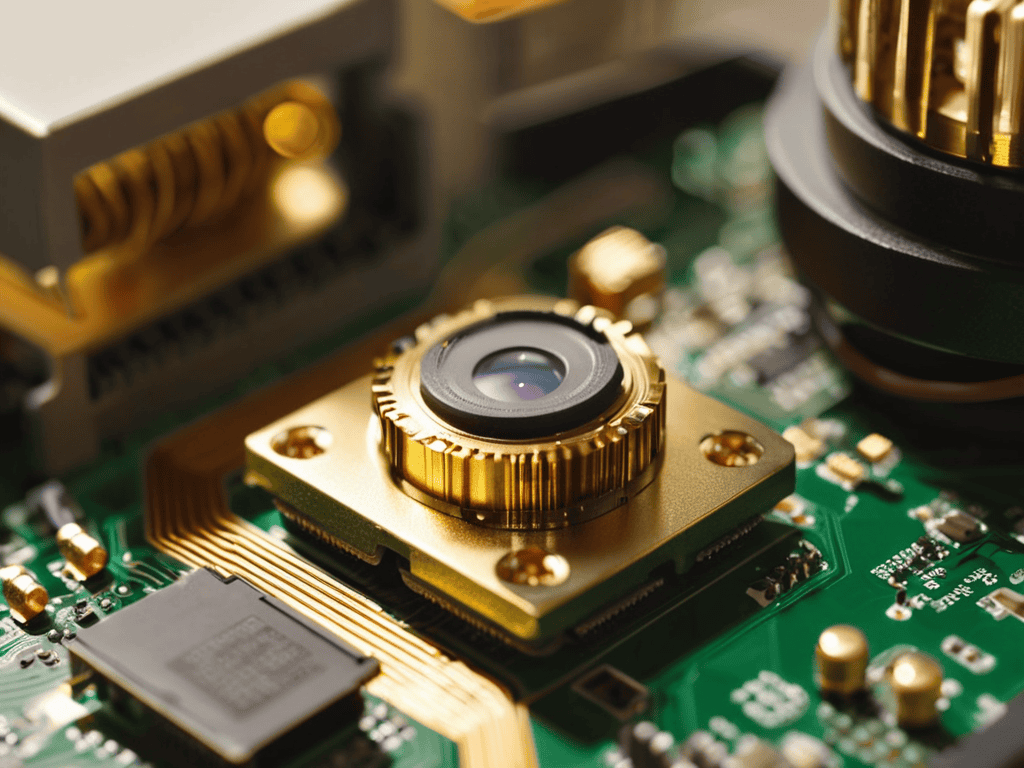
When it comes to 12-bit capture systems, the camera sensor plays a crucial role in determining the overall image quality. When light hits the sensor, it’s converted into electrical signals, which are then processed and stored as digital data. The sensor’s ability to capture a wide range of tonal values is essential for producing high-quality images with high dynamic range.
To achieve 12-bit capture, camera manufacturers often employ advanced sensor technologies, such as backside illumination or stacked sensors, to improve sensitivity and reduce noise. These innovations enable cameras to capture more detailed images, even in low-light conditions, making them ideal for applications where image quality is paramount.
Log Curve Explanation for Beginners
When working with 12-bit capture systems, understanding the log curve is essential for optimal image processing. The log curve explains how the camera’s sensor responds to light, and it’s crucial for capturing a wide range of tonal values. By grasping this fundamental concept, photographers can better control the brightness and darkness of their images.
To apply the log curve effectively, it’s vital to master the exposure. This involves adjusting the camera settings to capture the full dynamic range of the scene, from the brightest highlights to the darkest shadows. By doing so, photographers can ensure that their images retain a natural look and feel, with subtle transitions between light and dark areas.
Unleashing the Power: 5 Essential Tips for Mastering 12-bit Capture Systems
- Understand Your Camera’s Sensor Limitations to Optimize 12-bit Capture
- Experiment with Different Log Curves to Enhance Dynamic Range in Your Images
- Mastering the Art of Bit Depth: How to Make the Most of 12-bit in Your Photography
- Implementing Efficient Raw Image Processing Techniques for 12-bit Capture Systems
- Leverage High Dynamic Range Imaging to Take Your 12-bit Photography to the Next Level
Key Takeaways from 12-bit Capture Systems
Unlocking the full potential of 12-bit capture systems can significantly enhance image quality and workflow efficiency in various industries
Mastering high dynamic range imaging and understanding bit depth secrets are crucial for photographers and videographers to produce stunning, high-contrast visuals
Revolutionizing raw image processing with 12-bit capture systems, log curve explanations, and advanced camera sensor technology can take digital imaging to new heights
Unlocking the True Potential
The 12-bit capture system is not just a tool, it’s a gateway to a new dimension of image quality, where every shade, every tone, and every detail comes alive with unprecedented precision and clarity.
Ethan Blackwood
Conclusion
In conclusion, our journey through 12-bit capture systems has been a wild ride, covering everything from high dynamic range imaging to the intricacies of raw image processing. We’ve delved into the secrets of bit depth in photography, explored log curve explanations, and even touched on the latest camera sensor technologies that make 12-bit capture possible. By now, you should have a solid grasp of how these systems can supercharge your workflow and elevate your photography to the next level.
As we wrap up this exploration of 12-bit capture systems, remember that the true power lies not in the technology itself, but in the creative possibilities it unlocks. By embracing these advancements and pushing the boundaries of what’s possible, you’ll be able to capture images that are more vivid, more lifelike, and more impactful than ever before. So go ahead, unleash your inner artist, and see where the world of 12-bit capture takes you.
Frequently Asked Questions
How do 12-bit capture systems improve the overall image quality in low-light conditions?
In low-light conditions, 12-bit capture systems really shine by preserving way more detail in both bright and dark areas, giving you a huge advantage when editing your shots.
What are the key differences between 12-bit and 14-bit capture systems, and when should I choose one over the other?
When deciding between 12-bit and 14-bit capture systems, consider the level of detail you need. 12-bit is great for most photography, offering a wide dynamic range, while 14-bit provides even more subtle color gradations, ideal for high-end commercial or fine art photography where every nuance matters.
Can 12-bit capture systems be used with any camera, or are there specific requirements or limitations that I should be aware of?
Not all cameras are created equal when it comes to 12-bit capture. You’ll typically need a high-end DSLR or mirrorless camera with a compatible sensor to take full advantage of 12-bit capture systems. Some medium format cameras also support 12-bit capture, but it’s essential to check your camera’s specifications before investing in a 12-bit capture system.