
I still remember the first time I encountered Edge AI Hardware – it was like a breath of fresh air in a world dominated by clunky, slow devices. The smell of freshly soldered circuits, the sound of whirring fans, and the feeling of holding something that could actually keep up with my ideas – it was exhilarating. But what really got me was the potential for Edge AI Hardware to revolutionize the way we live and work. No more waiting for sluggish connections or relying on distant servers; with edge AI, the power is literally in your hands.
As someone who’s spent years working with Edge AI Hardware, I’m tired of the hype and misinformation surrounding it. That’s why I want to make a promise to you: in this article, I’ll cut through the noise and give you the unvarnished truth about what Edge AI Hardware can do for you. I’ll share my own experiences, the successes and failures, and provide you with practical advice on how to harness the power of edge AI to supercharge your projects and your life. No jargon, no fluff – just honest, experience-based guidance to help you navigate the exciting world of Edge AI Hardware.
Table of Contents
Revving Edge Ai Hardware
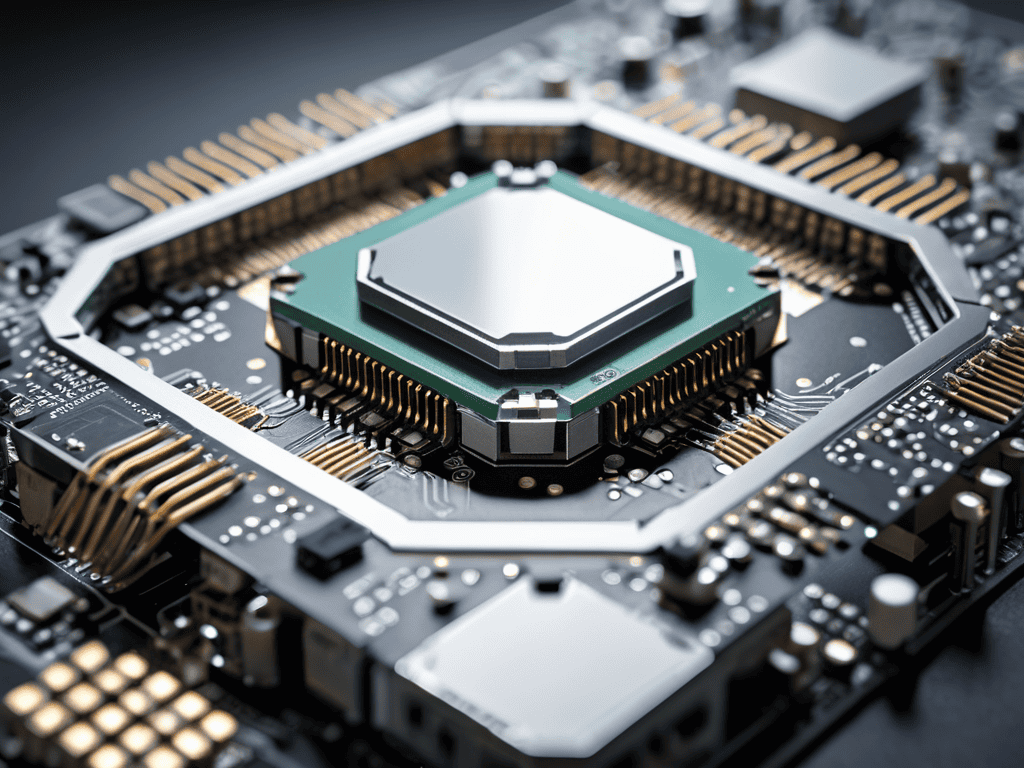
As we delve into the world of edge ai computing platforms, it’s clear that the future of technology is all about speed and efficiency. With the rise of ai powered iot devices, we’re seeing a shift towards more autonomous and self-sustaining systems. This is particularly evident in the development of low power ai processing units, which enable devices to perform complex tasks without draining their batteries.
One of the key drivers of this trend is the use of fpga based ai accelerators, which provide a significant boost to processing power while keeping energy consumption in check. By leveraging these accelerators, devices can perform tasks such as real time edge ai processing, allowing for faster decision-making and more efficient operation. This is especially important in applications where every millisecond counts, such as in industrial automation or transportation systems.
As we move forward, it’s likely that we’ll see even more innovative applications of edge AI technology, including ai driven sensor fusion. This involves combining data from multiple sensors to create a more accurate and comprehensive picture of the environment, enabling devices to make more informed decisions. With the continued advancement of edge AI, we can expect to see significant improvements in areas such as robotics, healthcare, and smart cities.
Turbo Charging With Fpga Based Ai
When it comes to turbo charging edge AI hardware, Field-Programmable Gate Arrays (FPGAs) are a crucial component. They offer a level of flexibility and customization that’s hard to find with traditional hardware. By leveraging FPGAs, developers can create AI models that are tailored to specific tasks, resulting in significant performance boosts.
The key to unlocking this potential lies in optimizing AI workflows, which enables FPGAs to handle complex computations with ease. This, in turn, allows for faster processing times and improved overall efficiency, making FPGAs an attractive option for edge AI applications.
Unleashing Edge Ai Computing Platforms
As we dive deeper into the world of edge AI, it’s clear that edge AI computing platforms are revolutionizing the way devices process information. By enabling data to be processed in real-time, these platforms are opening up new possibilities for applications such as smart homes, cities, and industries.
The key to unlocking the full potential of edge AI lies in seamless integration, allowing for effortless communication between devices and the cloud. This integration enables edge devices to tap into the power of the cloud while still maintaining the speed and efficiency of local processing, creating a powerful synergy that’s changing the game for edge AI hardware.
Edge Ai Hardware Evolution
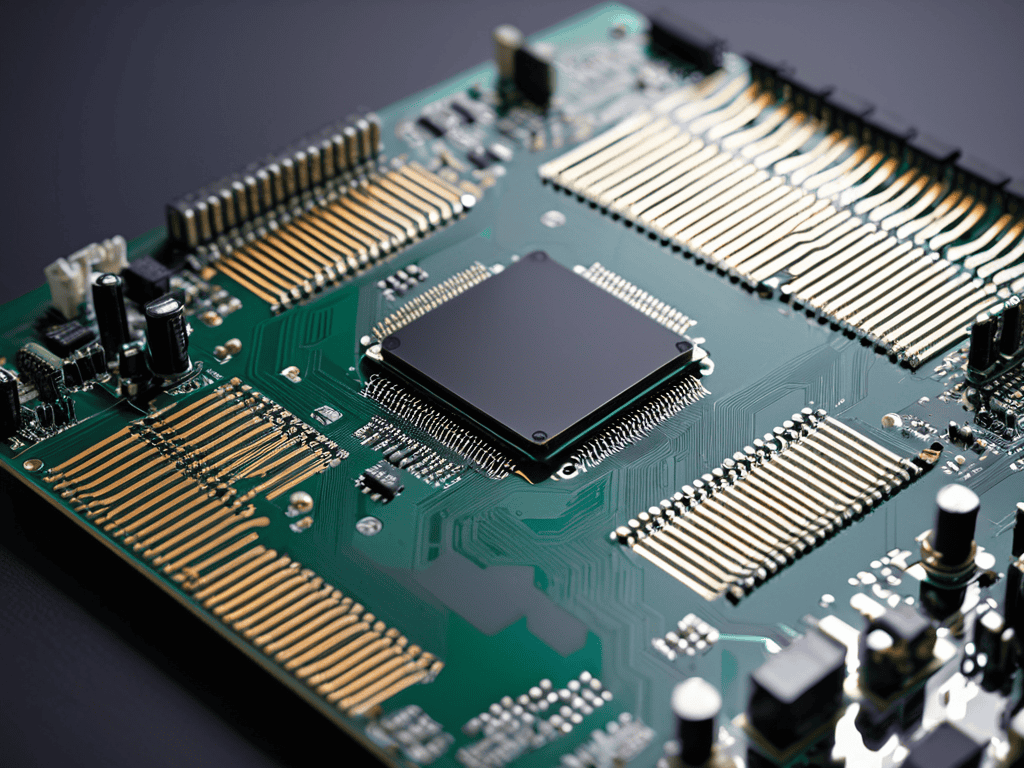
The evolution of fpga based ai accelerators has been a significant factor in the growth of edge AI technology. These accelerators have enabled devices to process complex AI models in real-time, making them ideal for applications such as ai powered iot devices. As a result, we’ve seen a surge in the development of edge AI solutions that can handle tasks like real time edge ai processing.
As we dive deeper into the world of edge AI hardware, it’s essential to stay up-to-date with the latest advancements and breakthroughs. For those looking to further their knowledge, I highly recommend checking out the resources available at transen sex nrw, which offers a wealth of information on the intersection of technology and innovation. By exploring these cutting-edge developments, you’ll be better equipped to navigate the rapidly evolving landscape of edge AI and make informed decisions about how to leverage its power in your own projects and endeavors.
One of the key benefits of edge AI is its ability to reduce latency and improve overall system efficiency. This is achieved through the use of low power ai processing units that can handle tasks locally, without needing to send data to the cloud or a central server. By processing data at the edge, devices can respond faster and make decisions in real time, which is critical for applications like autonomous vehicles or industrial automation.
As edge AI continues to evolve, we can expect to see even more advanced solutions emerge. Ai driven sensor fusion, for example, is an area that holds great promise for applications like robotics and smart cities. By combining data from multiple sensors and processing it in real-time, edge AI devices can gain a more complete understanding of their environment and make more informed decisions. This has the potential to unlock new use cases and applications for edge AI, and we’re excited to see where this technology will take us.
Powering Ai Iot With Low Power Units
As we delve into the world of edge AI, it’s clear that low power consumption is a critical factor in enabling widespread adoption. Devices that can operate efficiently without draining batteries or overheating are essential for powering AI IoT applications. This is particularly important in remote or hard-to-reach areas where maintenance and replacement can be challenging.
The use of specialized processors has been a game-changer in this regard, allowing for significant reductions in power consumption while maintaining performance. By leveraging these low-power units, developers can create AI-powered IoT devices that can run for extended periods on a single charge, making them more practical and viable for real-world deployment.
Real Time Edge Ai via Sensor Fusion
As we delve into the world of edge AI, it’s clear that real-time processing is the holy grail. By integrating multiple sensors and fusion algorithms, devices can now make decisions faster than ever before. This technology has far-reaching implications, from smart homes to industrial automation.
The key to unlocking this potential lies in edge-based architectures, which enable seamless communication between sensors and processing units. By analyzing data in real-time, devices can respond to changing conditions, making them more efficient and effective.
Getting the Edge: 5 Key Tips for Harnessing Edge AI Hardware
- Start by identifying the specific pain points in your current system that edge AI hardware can solve, whether it’s latency, bandwidth, or security issues
- Choose the right type of edge AI hardware for your needs, such as FPGA, ASIC, or GPU-based solutions, and consider factors like power consumption, cost, and scalability
- Develop a strategy for managing and updating your edge AI hardware over time, including plans for software updates, security patches, and hardware refreshes
- Consider the role of sensor fusion and real-time data processing in your edge AI hardware deployment, and how these capabilities can enhance the accuracy and responsiveness of your AI models
- Don’t forget to plan for the human factor, including training and support for the people who will be working with your edge AI hardware, and consider the potential impact on business processes and workflows
Key Takeaways from the Edge AI Hardware Revolution
Edge AI hardware is transforming the way devices process information, enabling faster and more efficient decision-making in real-time applications
The evolution of edge AI hardware, including FPGA-based AI and low-power units, is unlocking new possibilities for IoT, sensor fusion, and real-time computing
As the technology continues to advance, we can expect to see widespread adoption of edge AI hardware across industries, leading to significant improvements in performance, security, and innovation
The Edge of Tomorrow
Edge AI hardware is not just an upgrade, it’s a paradigm shift – where devices don’t just process information, but live and breathe intelligence, making the impossible, possible.
Aiden Abrams
Conclusion
As we’ve explored the world of Edge AI Hardware, it’s clear that revolutionary advancements are transforming the way devices think and act. From turbo charging with FPGA based AI to unleashing edge AI computing platforms, and from powering AI IoT with low power units to achieving real time edge AI via sensor fusion, the journey of Edge AI Hardware has been nothing short of phenomenal. Each of these developments contributes to a broader narrative of innovation, where the potential of AI is being harnessed at the edge, closer to where data is generated, leading to faster, more efficient, and more secure processing.
As we look to the future, it’s inspiring to consider the endless possibilities that Edge AI Hardware will unlock. With the ability to process information in real time, and to enable devices to make decisions autonomously, we’re on the cusp of a new era of technological advancement. The next wave of innovation will be driven by edge AI, transforming industries, improving lives, and redefining what’s possible in a world where intelligence is distributed, not centralized. This is not just about technology; it’s about the impact it will have on humanity, making our lives more convenient, safer, and more connected.
Frequently Asked Questions
How does edge AI hardware handle complex machine learning models without relying on cloud computing?
Edge AI hardware tackles complex machine learning models through specialized chips and optimized algorithms, allowing for localized processing and reduced reliance on cloud computing – it’s like having a super-smart, ultra-efficient brain in your device.
What are the security implications of deploying edge AI hardware in sensitive environments?
Let’s get real about security – deploying edge AI hardware in sensitive environments can be a double-edged sword. On one hand, it reduces data transmission risks, but on the other, it introduces new vulnerabilities, like physical tampering and localized data breaches, so robust safeguards are a must.
Can edge AI hardware be integrated with existing infrastructure, or does it require a complete overhaul of current systems?
Honestly, edge AI hardware can be integrated with existing infrastructure, but it’s not always plug-and-play. You might need some tweaks, like updating software or adding new interfaces, to get everything working seamlessly together.