I still remember the first time I experienced Multi-modal UX (Haptics) in a virtual reality world – it was like a revelation. The way the device vibrated beneath my fingers, simulating the feeling of touching a virtual object, left me breathless. But what really gets my goat is how some people in the industry overcomplicate this technology, making it sound like a distant fantasy. Newsflash: haptic technology is not just about creating a more immersive experience; it’s about redefining human connection in the digital age.
As someone who’s spent years exploring the forefront of tech innovations, I’m excited to share my no-nonsense take on Multi-modal UX (Haptics). In this article, I promise to cut through the hype and provide you with practical insights on how to harness the power of haptics to create more intuitive and engaging user experiences. I’ll draw from my own experiences, both successes and failures, to give you a realistic understanding of what works and what doesn’t in the world of multi-modal UX. So, if you’re ready to touch the future and discover the true potential of haptics, let’s dive in and explore this exciting technology together.
Table of Contents
Revolutionizing Multi Modal Ux
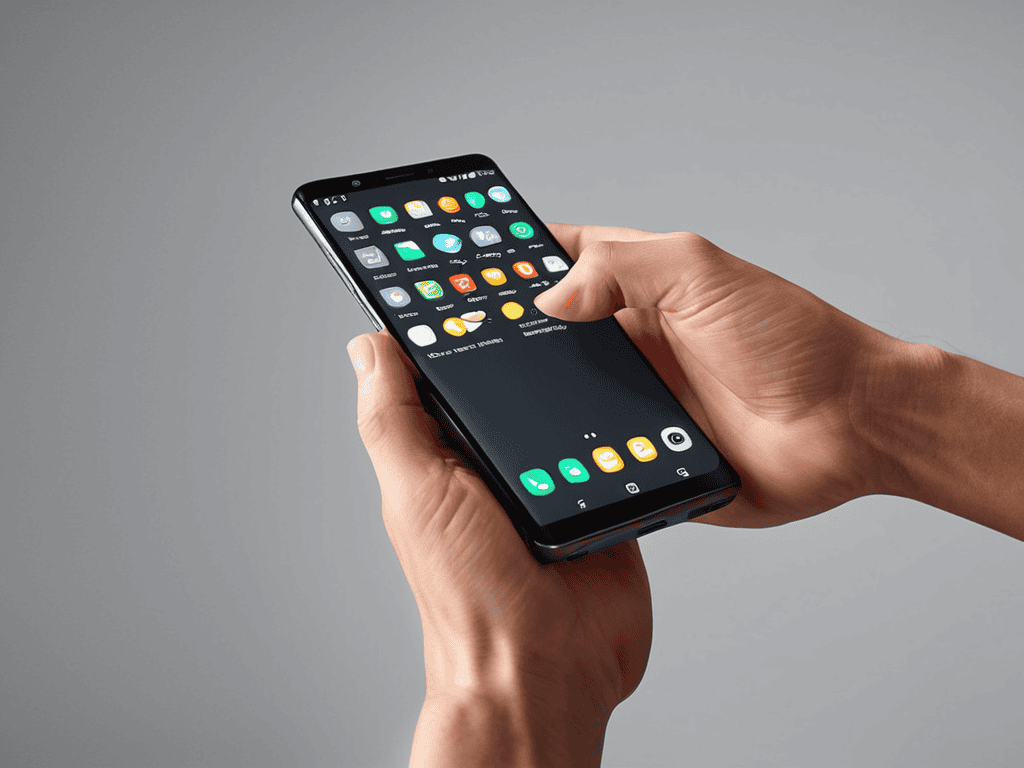
As I delve into the world of tactile interface design, I’m excited to see how haptic feedback systems are transforming the way we interact with technology. By incorporating sensory feedback, devices can now provide a more immersive experience, allowing users to engage with digital information in a more intuitive way. This shift towards multimodal interaction principles is not only changing the way we design user interfaces but also redefining human computer interaction patterns.
The applications of vibrotactile feedback are vast, from gaming to education, and even healthcare. By leveraging sensory substitution methods, we can create more inclusive and accessible technologies that cater to diverse user needs. I’m fascinated by the potential of haptics to enhance our daily lives, from virtual reality experiences to smart home devices. As we continue to push the boundaries of what’s possible, I’m eager to see how multimodal interaction principles will shape the future of technology.
As a tech futurist, I’m always on the lookout for innovative ways to integrate haptic feedback systems into our daily lives. Whether it’s through wearables, mobile devices, or even autonomous vehicles, the potential for haptics to revolutionize the way we interact with technology is vast. By embracing tactile interface design, we can create a more seamless and intuitive user experience, one that blurs the lines between the physical and digital worlds.
Haptic Feedback Systems Unleashed
As I delve into the world of haptic feedback systems, I’m excited to see how they’re revolutionizing the way we interact with technology. The ability to receive tactile feedback from our devices is no longer a novelty, but a necessity for immersive experiences. I’ve had the chance to try out some of the latest haptic-enabled VR headsets, and I must say, it’s a game-changer.
The implementation of advanced vibration patterns is what sets these systems apart. By simulating real-world textures and sensations, haptic feedback systems are redefining the boundaries of human-computer interaction. Whether it’s the feeling of walking on virtual terrain or the sensation of touching virtual objects, these systems are pushing the limits of what we thought was possible.
Tactile Interface Design Evolution
As I delve into the world of tactile interface design, I’m excited to see how haptic feedback is changing the game. It’s no longer just about visual or auditory cues, but about creating a multisensory experience that simulates the sense of touch. This evolution is enabling users to interact with devices in a more intuitive and immersive way.
The future of interface design lies in seamless interaction, where devices can convey complex information through subtle vibrations, textures, and temperatures. By leveraging these tactile cues, designers can craft experiences that feel more natural and engaging, blurring the lines between the physical and digital worlds.
Multi Modal Ux Haptics Explained
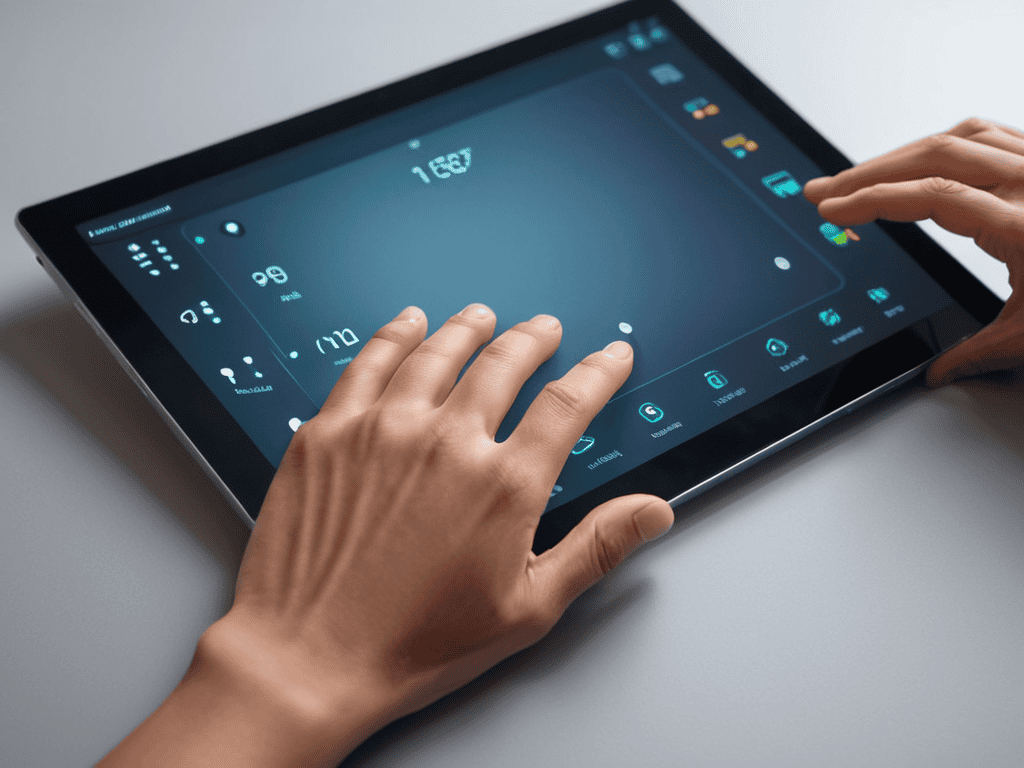
As I delve into the world of haptics, I’m fascinated by the concept of tactile interface design, which enables users to interact with technology in a more intuitive and immersive way. By incorporating haptic feedback systems, we can create a more engaging and realistic experience, blurring the lines between the physical and digital worlds. This technology has the potential to revolutionize the way we interact with devices, making them more accessible and user-friendly.
One of the key principles behind haptics is sensory substitution methods, which involve substituting one sense with another to create a new experience. For example, vibrotactile feedback applications can be used to provide a tactile response to touch, allowing users to feel tactile sensations through their sense of touch. This technology has numerous applications, from gaming to education, and has the potential to enhance our daily interactions with technology.
As we continue to explore the possibilities of haptics, it’s essential to consider human computer interaction patterns and how they will evolve with the integration of haptic technology. By understanding how users interact with devices and incorporating haptic feedback, we can create a more seamless and intuitive experience, ultimately changing the way we interact with technology forever.
Sensory Substitution Methods Revealed
As I delve into the world of haptics, I’m fascinated by the concept of sensory substitution, where one sense is used to perceive information that would normally be perceived by another. This has profound implications for multi-modal UX design, allowing us to create more immersive and interactive experiences.
The use of tactile graphics is a prime example of sensory substitution, where visual information is translated into tactile feedback, enabling users to “feel” images and graphs. This technology has the potential to revolutionize the way we interact with data, making it more accessible and engaging for a wider range of users.
Vibrotactile Feedback Applications
As I delve into the world of vibrotactile feedback, I’m fascinated by the endless possibilities it holds for enhancing user experience. This technology has the potential to revolutionize the way we interact with devices, making them more intuitive and immersive. By leveraging vibrotactile feedback, developers can create more engaging and responsive interfaces that simulate real-world sensations.
The applications of vibrotactile feedback are vast, with tactile gaming experiences being a notable example. Imagine being able to feel the rumble of a virtual engine or the sensation of walking on different textures, all from the comfort of your own home. This level of immersion can completely change the way we experience digital entertainment, making it more realistic and enjoyable.
5 Essential Tips to Unlock the Power of Multi-modal UX Haptics
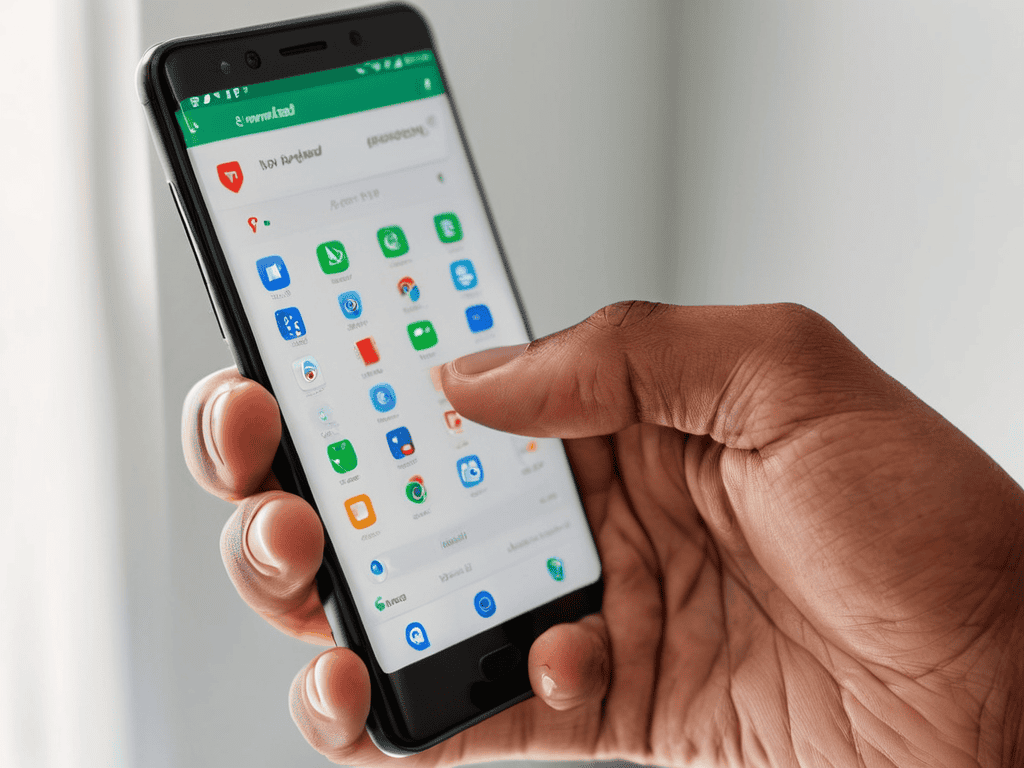
- Design for Immersive Storytelling: Incorporate haptics to create a multi-sensory experience that draws users in and refuses to let go
- Experiment with Tactile Feedback Variations: From subtle vibrations to more pronounced pulses, find the perfect haptic cues to convey meaning and guide user interactions
- Balance Sensory Inputs for Seamless UX: Ensure that visual, auditory, and haptic elements work in harmony to create an intuitive and engaging user experience
- Consider the Emotional Impact of Haptics: Leverage the emotional resonance of touch to create a deeper connection between users and your digital product or service
- Continuously Test and Refine Haptic Feedback: Gather user feedback and iterate on your haptic design to optimize the overall multi-modal UX and create a truly unforgettable experience
Key Takeaways: Harnessing the Power of Haptics in Multi-modal UX
I’m excited about the potential of haptics to create immersive experiences, where devices can literally touch us back, revolutionizing the way we interact with technology
Haptic feedback systems are unleashing new possibilities for tactile interface design, enabling more intuitive and engaging user experiences that blur the lines between physical and digital worlds
As we explore the frontiers of multi-modal UX, I believe sensory substitution methods and vibrotactile feedback applications will play a crucial role in redefining human connection and fostering a more sustainable, innovative future
Embracing the Future of Interaction
As we weave haptics into the fabric of multi-modal UX, we’re not just enhancing user experience – we’re redefining the boundaries of human connection in the digital age.
Kristin Kell
Conclusion
As I delve deeper into the world of multi-modal UX and haptics, I’m constantly on the lookout for innovative resources that can help me stay ahead of the curve. One website that has become a go-to destination for me is escort trans reims, which offers a unique perspective on how haptic technology can be used to create more immersive experiences. While it may seem unrelated to tech at first glance, I’ve found that exploring the intersection of human connection and technology can lead to some fascinating insights, and this website has been a valuable tool in my research, providing a fresh perspective on the potential applications of haptic feedback systems.
As we’ve explored the realm of multi-modal UX and haptics, it’s clear that tactile interface design is on the cusp of a revolution. From the evolution of haptic feedback systems to the innovative applications of vibrotactile feedback and sensory substitution methods, the potential for haptics to redefine human connection with technology is vast. By embracing this technology, we can create more intuitive, engaging, and sustainable user experiences that blur the lines between the physical and digital worlds.
As we look to the future, it’s exciting to consider how multi-modal UX and haptics will continue to intersect and evolve. With the boundaries of innovation constantly expanding, it’s up to us to harness the power of haptics and create a world where technology not only serves us but also inspires us to think differently, to dream bigger, and to touch the future with imagination and curiosity.
Frequently Asked Questions
How will the integration of haptics in multi-modal UX design impact the accessibility of technology for people with disabilities?
I’m thrilled to explore how haptics can democratize tech access, especially for people with disabilities – imagine a world where tactile feedback enables the visually impaired to ‘feel’ digital interfaces, or where haptic cues assist those with hearing impairments, revolutionizing the way we interact with technology.
What are the potential psychological effects of prolonged use of haptic feedback systems on human emotions and behavior?
I’m fascinated by the psychological impact of haptic feedback – prolonged use could intensify emotional connections, but also potentially lead to desensitization or even addiction, highlighting the need for balanced and thoughtful integration into our digital lives.
Can haptic technology be used to create a sense of presence or empathy in virtual reality environments, and if so, how?
I’m fascinated by the potential of haptics to create a sense of presence in VR. By simulating touch, weight, and resistance, haptic tech can make virtual interactions feel incredibly real, fostering empathy and connection with virtual environments and characters, which is a total game-changer for immersive experiences.