As I stepped into my father’s workshop as a child, I was always fascinated by the whirring machines and the smell of freshly cut wood. But what struck me most was the emphasis he placed on safety – it was as if he was weaving a tapestry of protection around us. This experience has stuck with me, and now as a freelance writer, I’m excited to share my thoughts on a guide to workshop safety essentials. I’ve come to realize that safety is not just about following rules, but about cultivating a mindset that prioritizes well-being and creativity.
In this article, I promise to offer you practical advice on how to create a safe and inspiring workshop environment. You’ll learn how to identify potential hazards, choose the right safety gear, and develop habits that will help you work with confidence and precision. My goal is to empower you with the knowledge and skills to transform your workshop into a haven of creativity and productivity, where you can bring your ideas to life without compromising your safety. By the end of this guide, you’ll be equipped with the essentials to make your workshop a haven of creativity and safety, where you can focus on what matters most – bringing your vision to life.
Table of Contents
- Guide Overview: What You'll Need
- Step-by-Step Instructions
- A Guide to Workshop Safety Essentials
- Blossoming Protection Personal Protective Equipment Guide
- Whispers of Warning Workshop Hazard Assessment
- Petals of Prevention: 5 Whimsical Tips for a Safe Workshop Sanctuary
- Nurturing Safety: 3 Key Takeaways
- Embracing Safety with Whimsy
- Embracing Safety as a Creative Catalyst
- Frequently Asked Questions
Guide Overview: What You'll Need
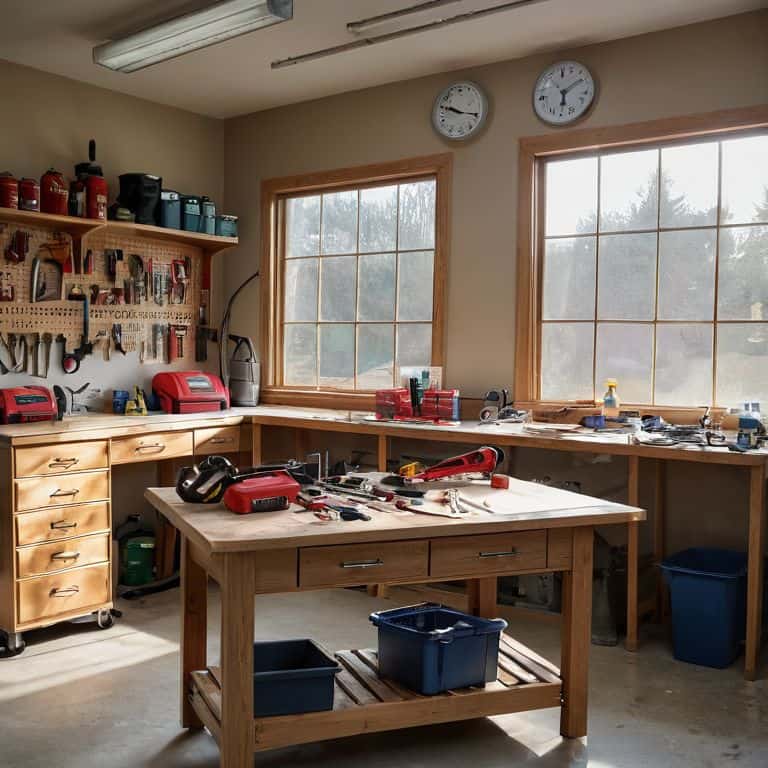
Total Time: 1 hour 15 minutes
Estimated Cost: $50 – $100
Difficulty Level: Easy
Tools Required
- First Aid Kit (fully stocked)
- Fire Extinguisher (inspected and up-to-date)
- Safety Glasses (with anti-fog coating)
- Work Light (LED, 12 volts)
- Push Stick (for table saw operations)
Supplies & Materials
- Hearing Protection (earplugs or earmuffs)
- Steel-Toed Shoes (or safety boots)
- Dust Mask (with filter replacement)
- Ventilation System (for adequate airflow)
- 6 inches x 6 inches Rubber Mats (for slip resistance)
Step-by-Step Instructions
- 1. First, let’s start by creating a safe workspace. This means clearing the area of any clutter or tripping hazards, and making sure that all tools and equipment are in good working condition. As I always say, a clear space clears the mind, and in a workshop, it’s essential for focus and safety.
- 2. Next, we need to don our protective gear. This includes safety glasses, a dust mask, and sturdy gloves. I like to think of these as my trusty sidekicks, protecting me from harm and allowing me to work with confidence. Remember, it’s always better to be safe than sorry, especially when working with power tools.
- 3. Now, let’s talk about electrical safety. This is a crucial aspect of workshop safety, as electrical accidents can be devastating. Make sure to keep all cords and wires organized, and avoid overloading outlets. It’s also a good idea to invest in a few ground fault circuit interrupters (GFCIs) to prevent shocks.
- 4. When working with power tools, it’s essential to follow proper usage guidelines. This means reading the manual, understanding the tool’s capabilities and limitations, and taking regular breaks to avoid fatigue. I like to think of power tools as extensions of my own hands, and just like my hands, they need to be treated with care and respect.
- 5. In the event of an emergency, it’s crucial to have a first aid kit on hand. This should include basics like bandages, antiseptic wipes, and any medications you may need. It’s also a good idea to have a fire extinguisher nearby, and to know how to use it properly. Remember, accidents can happen, but being prepared can make all the difference.
- 6. As we work, it’s essential to stay focused and aware of our surroundings. This means avoiding distractions, like using our phones or chatting with friends, and keeping a keen eye on our tools and materials. I like to think of this as being present in the moment, fully engaged with the task at hand.
- 7. Finally, let’s not forget about cleaning up as we go. This means disposing of waste properly, wiping down surfaces, and putting away tools and equipment after use. Not only does this help maintain a safe and organized workspace, but it also reduces the risk of accidents and injuries. As I always say, a clean workspace is a happy workspace.
A Guide to Workshop Safety Essentials
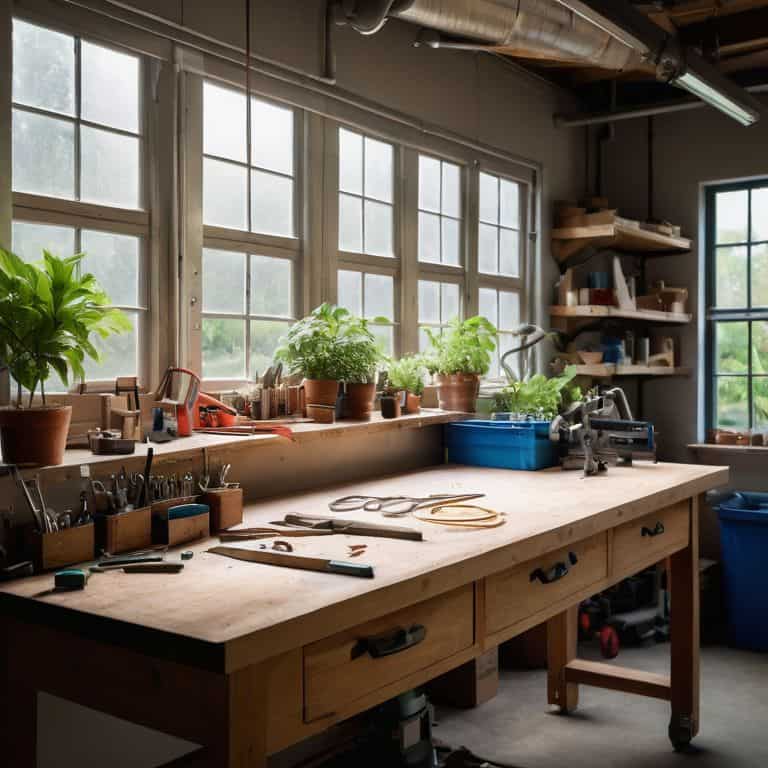
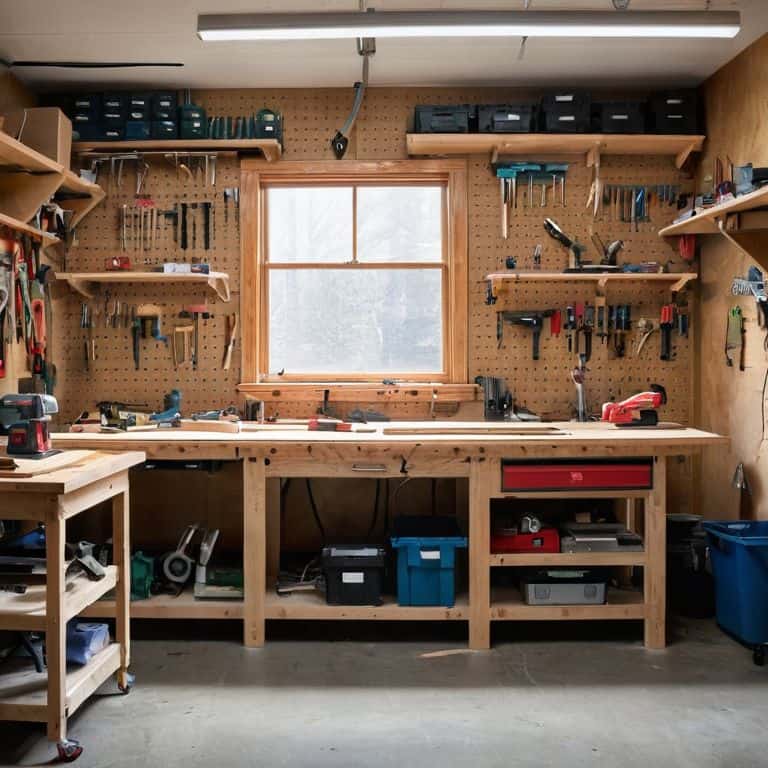
As I delve into the world of workshop safety, I’m reminded of the importance of creating a safe haven for creativity and innovation to thrive. A workshop hazard assessment is a crucial step in identifying potential risks and taking proactive measures to mitigate them. By doing so, we can ensure a peaceful and productive environment, much like a serene botanical garden, where every element works in harmony.
In my own workshop, I make it a point to have a personal protective equipment guide handy, outlining the essential gear needed for various tasks. This not only helps me stay safe but also serves as a reminder to my fellow makers and friends who frequent my space. By prioritizing safe tool operation practices, we can prevent accidents and focus on bringing our imaginative projects to life.
As I work on my latest botanical art piece, I’m grateful for the well-ventilated workshop, which allows me to breathe easy and stay inspired. Effective workshop ventilation systems are vital in maintaining a healthy and comfortable workspace. By being mindful of these often-overlooked details, we can cultivate a space that nurtures both our creativity and well-being, much like a lush, thriving ecosystem.
Blossoming Protection Personal Protective Equipment Guide
As I delve into the world of personal protective equipment, I’m reminded of the delicate petals of a flower, each one serving a purpose to protect the beauty within. In the workshop, our skin is the petals, and the equipment is the gentle rain that nourishes and safeguards us. Gloves, safety glasses, and earplugs are the essentials that blossom into a protective shield, allowing us to tend to our creative gardens with confidence.
I adore collecting vintage illustrations of botanicals, and in a similar vein, I’ve curated a mental catalog of PPE must-haves, each one a vital thread in the tapestry of workshop safety. By donning these protective garments, we weave a narrative of care and responsibility, not just for ourselves, but for the creative community that flourishes around us.
Whispers of Warning Workshop Hazard Assessment
As I sit amidst my collection of vintage botanical illustrations, I’m reminded that even in the most beautiful environments, hazards can lurk. In the workshop, it’s essential to assess potential dangers, from sharp tools to toxic materials. I like to think of it as foraging for hidden threats, much like I search for rare botanical specimens in the wild. By acknowledging these risks, we can take steps to mitigate them, creating a safer space for creativity to flourish.
In my own workshop, I’ve learned to listen to the whispers of warning – the creaks and groans of old equipment, the faint scent of chemicals in the air. By paying attention to these subtle signals, I can address potential hazards before they become major issues. It’s a mindset that serves me well, both in the workshop and in my urban garden, where I coax beauty from the most unexpected places.
Petals of Prevention: 5 Whimsical Tips for a Safe Workshop Sanctuary
- Embracing the Rhythm of Safety: Regularly inspect your workshop for potential hazards, just as a gardener tends to their garden, nurturing growth and pruning dangers
- Rooted in Protection: Ensure all power tools and equipment are properly grounded and maintained, much like the sturdy roots of an ancient tree
- A Symphony of Signals: Establish a clear communication system, using signals and signs to warn of potential dangers, weaving a tapestry of safety and awareness
- Nature’s Nurture: Keep your workshop well-ventilated, allowing fresh air to circulate and toxic fumes to escape, just as the ocean breeze cleanses the coastal air
- Earthly Ergonomics: Design your workshop with comfort and ergonomics in mind, arranging tools and workstations to minimize strain and maximize efficiency, much like a river flowing smoothly to its destination
Nurturing Safety: 3 Key Takeaways
As we tend to our workshop sanctuary, remember that safety is the soil in which creativity and productivity flourish, and regular hazard assessments are the gentle rains that nourish this growth
Embracing personal protective equipment is not just about guarding against harm, but also about cultivating a mindset that values and respects the well-being of ourselves and those around us, much like the delicate balance of an ecosystem
By intertwining safety protocols with our workflow, we weave a tapestry of protection that allows us to fully immerse in the creative process, unencumbered by worries, and connected to the natural world that inspires us
Embracing Safety with Whimsy
As we tend to the garden of our creativity, let us not forget to nurture the roots of safety, for it is in the delicate balance between risk and protection that we find the true beauty of innovative expression.
Harper Willow
Embracing Safety as a Creative Catalyst
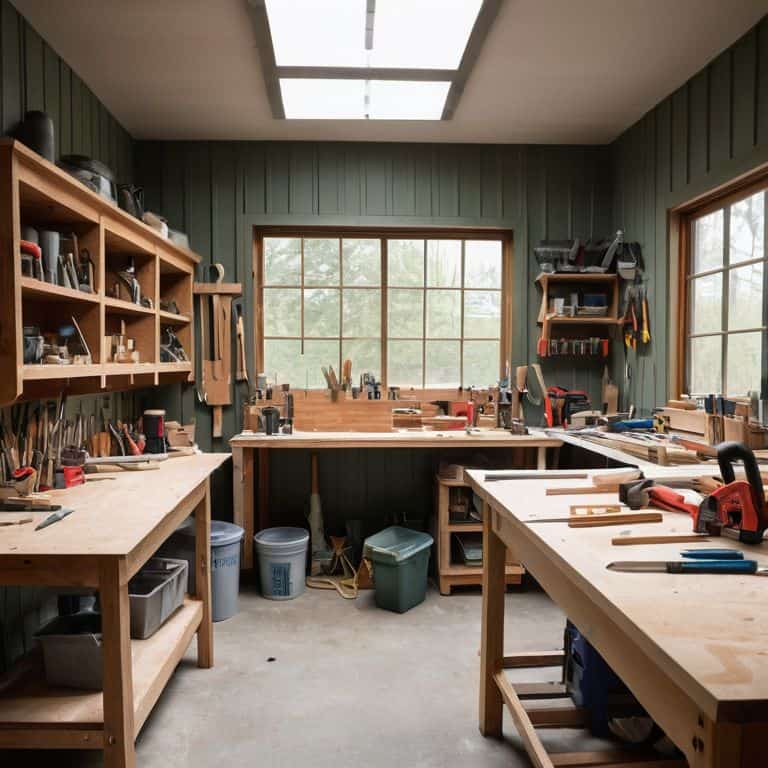
As we conclude our journey through the whimsical world of workshop safety essentials, it’s essential to reflect on the key takeaways. We’ve explored the importance of hazard assessment, delved into the realm of personal protective equipment, and discovered how these elements can beautifully intertwine with our creative pursuits. By embracing safety as an integral part of our workshop experiences, we not only ensure our well-being but also cultivate a deeper connection with the natural world and the materials we work with.
As we step back into our workshops, armed with the knowledge and inspiration from our guide, let’s remember that safety is not a constraint, but a catalyst for creativity and growth. It’s an invitation to weave protection and precaution into the very fabric of our artistic expressions, much like the intricate patterns found in nature. In this spirit, let’s embark on our next project with a sense of wonder, a dash of whimsy, and a deep appreciation for the beauty of safe and sustainable creativity.
Frequently Asked Questions
What are some common hazards I might encounter in a workshop and how can I identify them?
As I wander through the workshop, I’m reminded to stay curious and aware of potential hazards. Common culprits include slippery floors, sharp edges, and tangled cords. To identify them, I simply take a mindful moment to survey my surroundings, just as I would when foraging for wildflowers in the woods, and ask myself: what could potentially harm me or others in this creative space?
How often should I inspect and maintain my personal protective equipment to ensure it remains effective?
As I tend to my botanical art, I’m reminded that regular nurturing is key. Inspect your personal protective equipment seasonally, and maintain it as needed, just like pruning a plant to ensure its vitality. This gentle habit will keep your gear in bloom, protecting you from harm and allowing you to create with confidence.
Are there any specific safety protocols I should follow when working with power tools or electrical equipment in a workshop?
When working with power tools or electrical equipment, I always say, ‘let caution be your creative companion.’ Ensure you’re using the right tool for the task, keep loose clothing tied back, and avoid overreach – it’s all about harmonizing human touch with machine might, just like the gentle balance of nature.