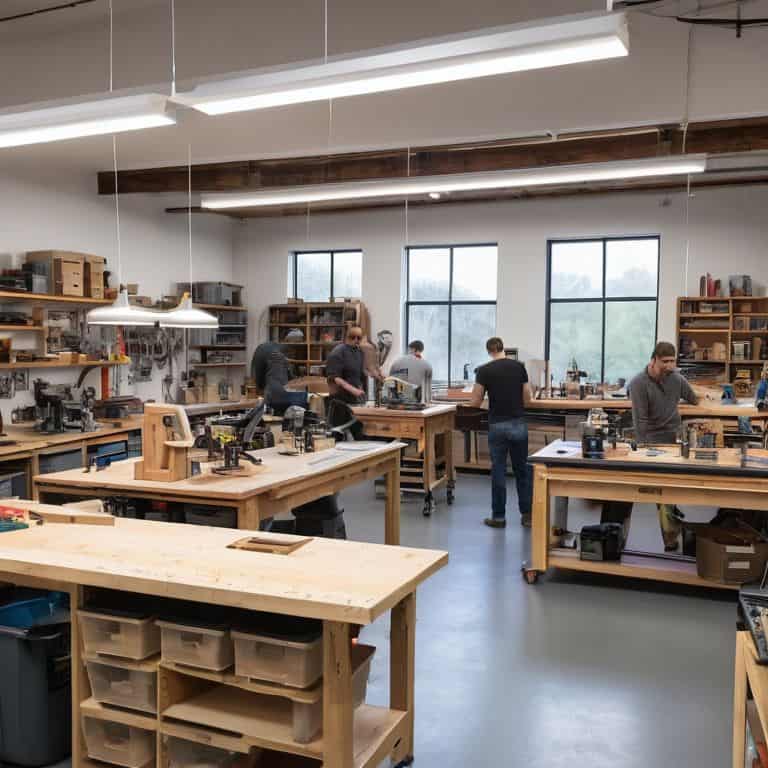
I still remember the day I stumbled upon a vibrant community garden in the heart of the city, where a group of passionate individuals had transformed an abandoned lot into a thriving shared workshop. It was there that I learned the value of collaborative creativity and the importance of how to set up a shared workshop or makerspace that fosters growth, sustainability, and connection. As I delved deeper into the world of community-driven projects, I realized that setting up a shared space is not just about following a set of predetermined steps, but about weaving a tapestry of stories, skills, and passions.
As you embark on your own journey to create a shared workshop or makerspace, I want to assure you that this article will provide you with practical advice and honest insights on how to turn your vision into a reality. You’ll learn how to identify the right space, gather like-minded individuals, and cultivate a sense of community that will make your shared workshop or makerspace a hub of creativity and innovation. From navigating the challenges of collaborative projects to discovering the joys of shared learning, I’ll share my personal experiences and expertise to help you navigate the process of how to set up a shared workshop or makerspace that truly thrives.
Table of Contents
- Guide Overview: What You'll Need
- Step-by-Step Instructions
- Setting Up Shared Sanctuary
- Nurturing Creativity: 5 Essential Tips for Setting Up a Thriving Shared Workshop or Makerspace
- Embracing the Essence of Shared Workshops: 3 Key Takeaways
- Cultivating Creative Spaces
- Embracing the Beauty of Shared Creativity
- Frequently Asked Questions
Guide Overview: What You'll Need
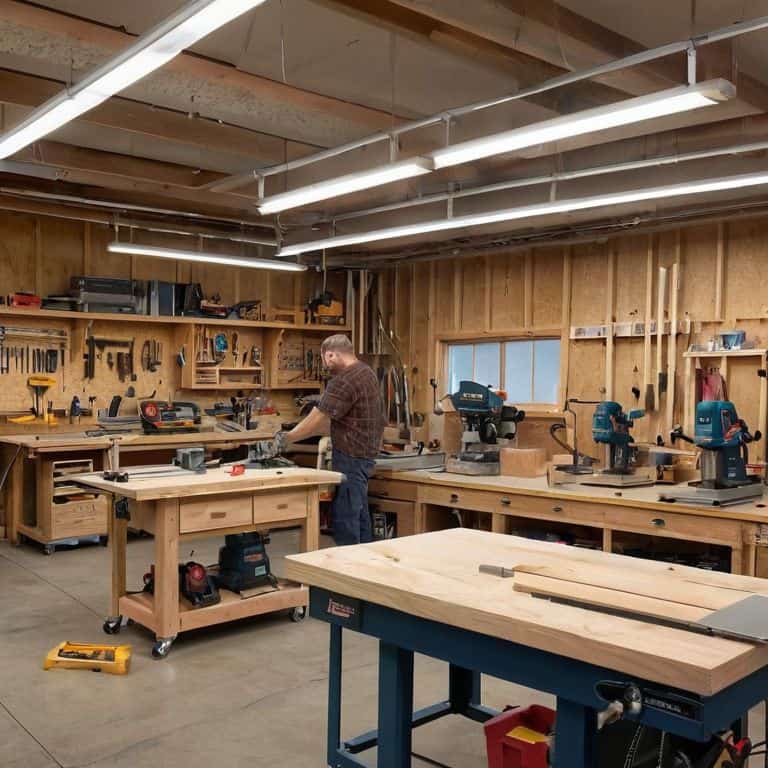
Total Time: 4 hours 30 minutes
Estimated Cost: $500 – $1000
Difficulty Level: Intermediate
Tools Required
- Tape Measure (for measuring room dimensions)
- Level (for ensuring shelves are straight)
- Drill Press (for drilling precise holes)
- Hand Saw (for cutting 2-in x 4-in lumber)
- Socket Set (for assembling workbenches)
Supplies & Materials
- 2-in x 4-in Lumber (for building workbenches and shelves)
- Plywood (for creating work surfaces)
- Power Strip (for providing electrical outlets)
- Task Lighting (for illuminating work areas)
- Fire Extinguisher (for safety purposes)
- Storage Bins (for organizing tools and materials)
Step-by-Step Instructions
- 1. To start, brainstorm the concept of your shared workshop or makerspace by gathering a small group of like-minded individuals who share your passion for creativity and sustainability. Discuss what you hope to achieve with your space, what kind of projects you want to work on, and what values you want to uphold. This initial meeting will set the tone for your community and help you define your mission statement.
- 2. Next, secure a location that is easily accessible, safe, and has the necessary infrastructure to support your activities. Consider renting a studio, a warehouse, or even a community center that can provide the space you need. Make sure to assess the condition of the location, including the availability of lighting, electricity, and water, to ensure it meets your requirements.
- 3. The third step involves outlining a budget and deciding how you will manage finances within your shared workshop or makerspace. Determine membership fees, equipment costs, and any potential revenue streams. It’s essential to be transparent about your financial plans to maintain trust among your members. You may also want to consider applying for grants or crowdfunding to support your project.
- 4. Now, it’s time to gather equipment and tools necessary for your workshop or makerspace. This could include anything from 3D printers and laser cutters to sewing machines and woodworking tools. You can acquire these through donations, purchases, or even loans from local businesses or individuals. Ensure that all equipment is in good working condition and that you have a plan for maintenance and repair.
- 5. The fifth step is to establish rules and guidelines for your shared space. This includes setting hours of operation, defining membership terms, and outlining safety protocols. It’s crucial to create a welcoming environment where members feel comfortable sharing ideas and working together. Consider creating a member handbook or a website with FAQs to keep everyone informed.
- 6. To foster a sense of community, plan events and workshops that will bring your members together and encourage collaboration. This could be anything from skill-sharing sessions and guest lectures to project showcases and social gatherings. These events will help build relationships among your members and create a vibrant, dynamic atmosphere within your shared workshop or makerspace.
- 7. Finally, create a system for feedback and evaluation to ensure that your shared workshop or makerspace continues to meet the needs of its members. Regularly solicit feedback through surveys, meetings, or one-on-one conversations, and be open to making changes and adjustments as needed. This will help you refine your space and services, keeping your community engaged and motivated.
Setting Up Shared Sanctuary
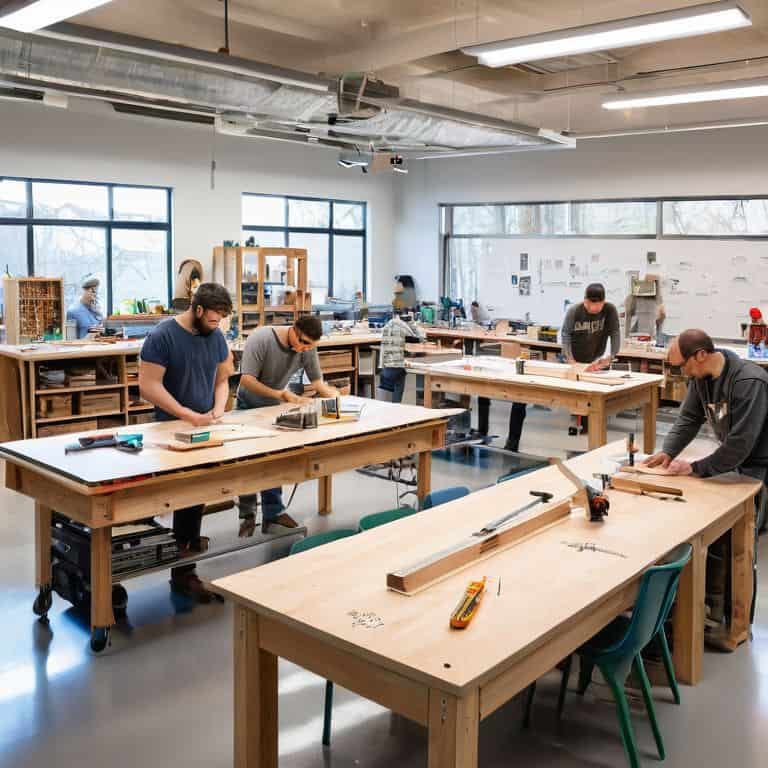
As I reflect on my own experiences in setting up a shared workshop, I realize the importance of creating a sense of community. This can be achieved by establishing effective communication strategies for makerspace members, such as regular meetings and open channels for feedback. By fostering a collaborative environment, members can share ideas, resources, and expertise, ultimately leading to a more vibrant and supportive community.
When it comes to equipping a makerspace on a budget, it’s essential to prioritize safety protocols for collaborative workspaces. This includes investing in proper safety gear, such as gloves and goggles, as well as implementing procedures for emergency situations. By taking these precautions, members can feel confident and secure while working on their projects, allowing them to focus on their creative pursuits.
In addition to safety protocols, it’s also crucial to consider managing shared tool maintenance to ensure the longevity of the equipment. This can be achieved by assigning tasks to members or establishing a rotation for maintenance duties. By working together to maintain the space, members can develop a sense of ownership and responsibility, ultimately leading to a more community driven makerspace model that benefits everyone involved.
Budget Tool Maintenance Strategies
As I delve into the world of shared workshops, I’m reminded of the importance of budget-friendly tool maintenance. In my own urban apartment, I’ve learned to repurpose and reuse materials to create unique DIY projects, like my botanical art pieces. Similarly, in a shared makerspace, implementing cost-effective strategies for tool upkeep can make all the difference. Regular cleaning and organization can help extend the life of equipment, while encouraging members to report any damage or issues promptly can prevent minor problems from becoming major expenses.
By adopting a mindset of mindful maintenance, our community can ensure that our shared sanctuary remains a thriving hub of creativity and sustainability. I’ve seen it work wonders in our local community garden, where we’ve implemented a tool-sharing program that not only reduces waste but also fosters a sense of collaboration and resourcefulness among members.
Sustainable Makerspace Models Thrive
As I delve into the world of sustainable makerspaces, I’m reminded of the vintage botanical illustrations that adorn my urban apartment walls. These intricate designs inspire me to incorporate elements of nature into every aspect of my life, including my approach to shared workshops. By embracing eco-friendly practices and repurposing found materials, we can create thriving makerspace models that not only foster creativity but also promote environmental stewardship. I’ve seen it firsthand in community gardens and eco-activism campaigns, where like-minded individuals come together to craft innovative solutions.
In these sustainable sanctuaries, creativity knows no bounds, and the boundaries between art and nature blur beautifully.
Nurturing Creativity: 5 Essential Tips for Setting Up a Thriving Shared Workshop or Makerspace
- Cultivate a Sense of Community: Encourage collaboration and knowledge-sharing among members by hosting regular workshops, meetups, and skill-swap events
- Design with Flexibility in Mind: Incorporate modular furniture and adaptable storage solutions to accommodate diverse projects and activities, from woodworking to textile art
- Foster a Culture of Sustainability: Implement eco-friendly practices, such as recycling, composting, and using energy-efficient equipment, to minimize the space’s environmental footprint
- Curate a Collection of Shared Resources: Gather a diverse range of tools, materials, and equipment, and establish a system for members to contribute, maintain, and access these resources
- Illustrate Your Space with Inspiration: Decorate the walls with vintage botanical illustrations, member-created art, or found natural materials to create a visually stimulating environment that sparks imagination and creativity
Embracing the Essence of Shared Workshops: 3 Key Takeaways
By embracing sustainable makerspace models, we can create thriving communities that not only foster creativity but also reduce waste and promote eco-friendly practices, allowing us to weave a tapestry of innovation and environmental stewardship
Implementing budget-friendly tool maintenance strategies is crucial for the longevity of our shared workshop, ensuring that our resources are used efficiently and that our space remains a vibrant hub of activity, where imagination and resourcefulness entwine
Ultimately, the true magic of a shared workshop or makerspace lies in its ability to bring people together, to spark conversations, and to inspire a sense of wonder and curiosity, reminding us that even in the most urban of settings, we can cultivate a deep connection to the natural world and to each other
Cultivating Creative Spaces
As we weave together threads of community and creativity in our shared workshops and makerspaces, remember that the true magic lies not in the tools or the technology, but in the tapestry of stories, passions, and purposes that bring us together in the pursuit of sustainable innovation.
Harper Willow
Embracing the Beauty of Shared Creativity
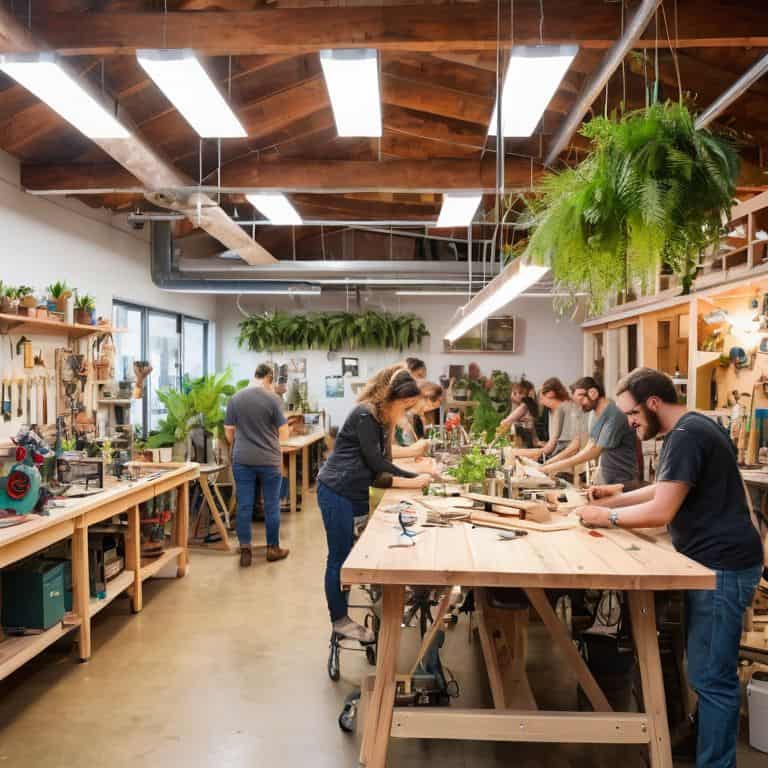
As we’ve journeyed through the process of setting up a shared workshop or makerspace, we’ve explored the importance of sustainable practices, from choosing eco-friendly materials to implementing budget tool maintenance strategies. We’ve also delved into the value of creating a shared sanctuary that fosters community and creativity, highlighting the significance of sustainable makerspace models that thrive on collaboration and mutual support. By embracing these principles, we can transform our shared spaces into vibrant hubs of innovation and connection.
As we bring this guide to a close, I invite you to envision the endless possibilities that await in your own shared workshop or makerspace. Remember that the true magic lies not just in the tools and materials, but in the stories and connections that unfold within these spaces. So let us embark on this journey with curiosity, creativity, and a deep appreciation for the beauty of shared creativity, and may our collective efforts inspire a brighter, more sustainably-minded future for all.
Frequently Asked Questions
What are the most essential tools and equipment to have in a shared workshop or makerspace for a variety of projects?
For a vibrant makerspace, I swear by a few essentials: a reliable 3D printer, a trusty laser cutter, and a well-stocked toolbox with favorites like hand saws and drill presses. Don’t forget a sewing machine for textile projects and a pottery wheel for ceramics – these treasures will spark endless creativity among members!
How can we ensure that our shared workshop or makerspace is accessible and inclusive for people of all skill levels and abilities?
To foster an inclusive space, consider adaptive tooling, flexible workstations, and sensory-friendly zones. I also love hosting workshops specifically designed for beginners or those with disabilities, celebrating the unique perspectives they bring to our community.
What strategies can be implemented to maintain a sense of community and cooperation among members of a shared workshop or makerspace?
To nurture a sense of community, I recommend hosting regular workshops, potlucks, and skill-sharing sessions, where members can come together, learn from each other, and build meaningful connections.