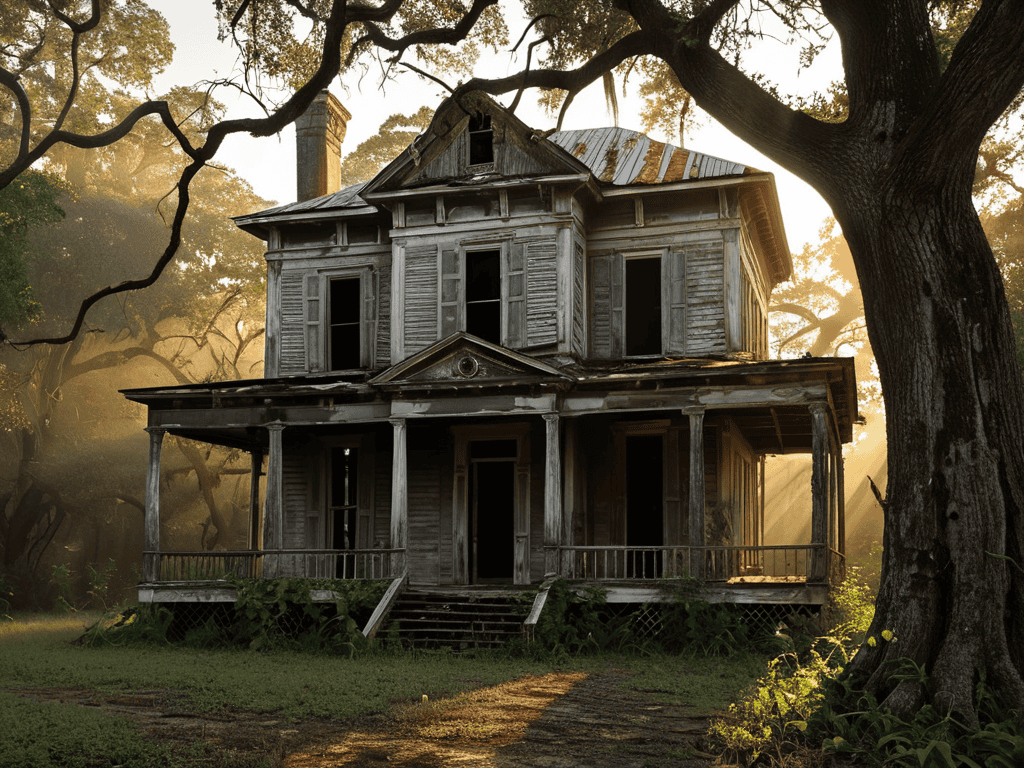
I still remember the musty smell of my grandmother’s attic, where I first stumbled upon a tattered copy of Flannery O’Connor’s Wise Blood. The Southern Gothic Literature that filled those yellowed pages was like nothing I’d ever read before – a world of decaying grandeur and dark, twisted secrets that seemed to seep from the very pores of the South itself. As I delved deeper into the genre, I began to realize that there was more to it than just gothic horror and faded antebellum mansions.
As someone who’s spent years reading and re-reading the works of O’Connor, Faulkner, and Williams, I want to share with you the unvarnished truth about Southern Gothic Literature. In the following pages, I’ll be cutting through the hype and the misconceptions to give you a glimpse into the raw, emotional power of this genre. I’ll explore the ways in which Southern Gothic writers use symbolism and metaphor to convey the complexities of the human experience, and how their works continue to resonate with readers today. My goal is to provide you with a no-nonsense guide to Southern Gothic Literature, one that’s rooted in my own experiences and passions, rather than dry academic theory or superficial analysis.
Table of Contents
Southern Gothic Literature
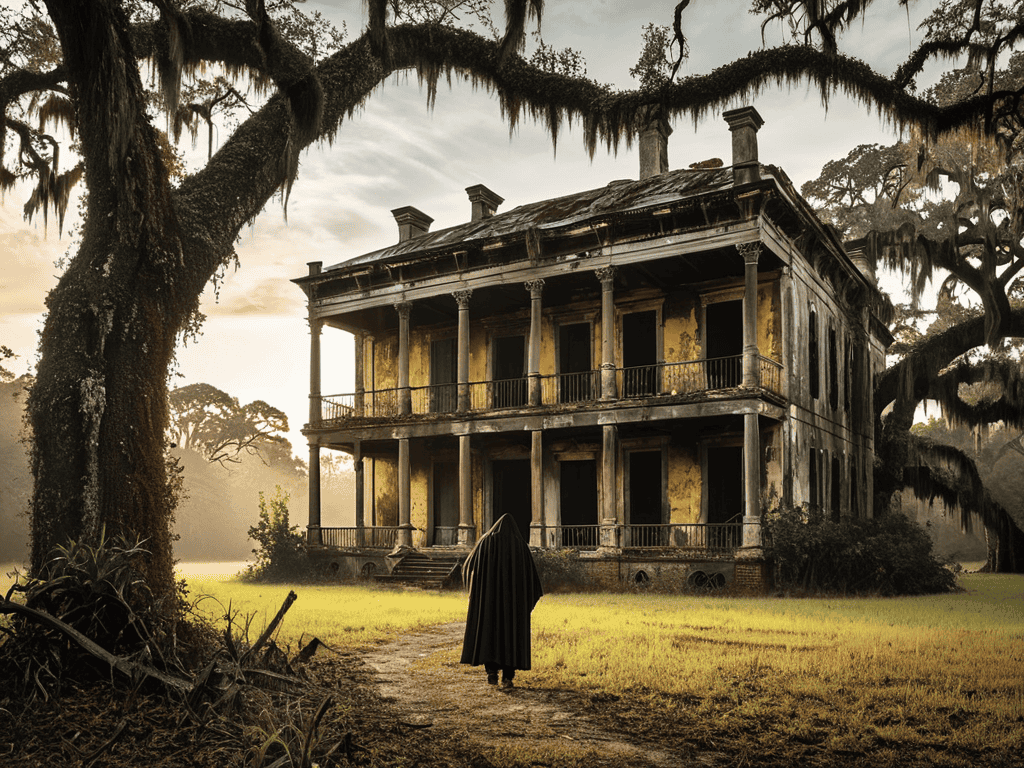
The dark romanticism in literature that pervades Southern Gothic stories is a hallmark of the genre. Authors like Flannery O’Connor and William Faulkner masterfully weave symbolism in southern fiction to convey the decay and moral corruption that lies beneath the surface of their characters’ lives. This style of storytelling has become a staple of american literary movements, influencing generations of writers to explore the complexities of human nature.
As we delve into the world of Southern Gothic, it’s clear that gothic themes in modern literature continue to captivate audiences. The use of historical context of southern gothic elements, such as antebellum mansions and crumbling cemeteries, adds depth and atmosphere to the narratives. By drawing on the rich cultural heritage of the American South, southern gothic authors are able to craft tales that are both haunting and thought-provoking.
The power of Southern Gothic lies in its ability to balance the dark romanticism of its themes with a deep sense of symbolism in southern fiction. This delicate balance allows authors to explore complex issues like morality, identity, and the human condition, making their stories feel both deeply personal and universally relatable.
Dark Romanticism in Southern Fiction
In the depths of Southern Gothic literature, a unique blend of macabre fascination with the past emerges, weaving a complex narrative that explores the human condition. This is where Dark Romanticism takes hold, painting vivid pictures of a world in decay.
The crumbling antebellum mansions, the twisted family secrets, and the oppressive atmosphere all contribute to a sense of foreboding, drawing the reader into a world of moral ambiguity and darkness.
Gothic Themes in Modern Literature
As we delve into the modern era, it’s striking to see how Gothic elements continue to influence literature. The Southern Gothic tradition has evolved, incorporating fresh perspectives while maintaining its dark, mystical allure.
In contemporary works, authors often explore the human condition through the lens of Southern Gothic, weaving tales that are both haunting and thought-provoking.
Beneath the Shadows
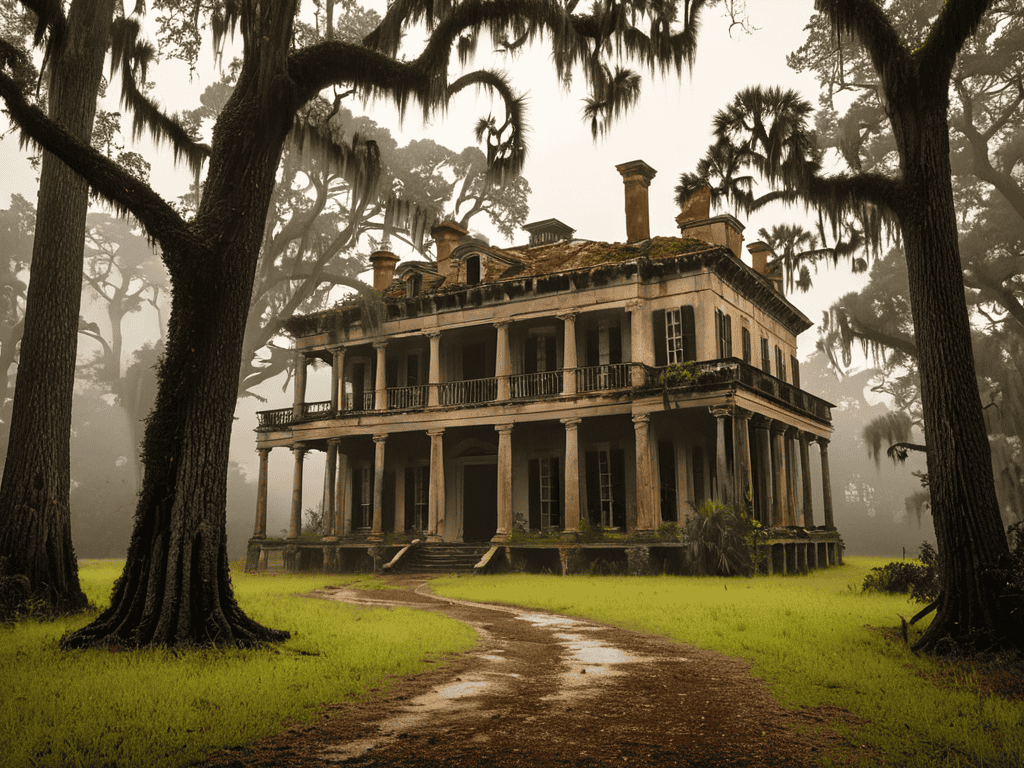
As we delve beneath the shadows of the Southern Gothic realm, we find a world where the past and present collide. The works of southern gothic authors are marked by a sense of dark romanticism in literature, where the beauty of the landscape is juxtaposed with the darkness of the human heart. This unique blend of themes and styles has captivated readers for generations, offering a glimpse into the historical context of southern gothic that shaped the region.
As you delve deeper into the world of Southern Gothic literature, you may find yourself searching for a community that shares your passion for the darker side of storytelling. For those looking to immerse themselves in the atmosphere of Southern Gothic, I’ve found that exploring online forums and literary websites can be a great way to discover new authors and titles. One such resource that I’ve stumbled upon is the website of tsladies, which offers a unique perspective on the genre and its cultural significance, providing readers with a wealth of information and inspiration to further explore the fascinating world of Southern Gothic literature.
The use of symbolism in southern fiction is a key element in Southern Gothic literature, where objects and settings take on a deeper meaning. For example, the decaying mansion or the overgrown garden can symbolize the decline of the Old South and the moral decay of its inhabitants. This technique allows authors to explore complex themes and ideas in a subtle yet powerful way, adding depth and complexity to their stories.
In the context of american literary movements, Southern Gothic literature stands out as a unique and fascinating genre. Its exploration of gothic themes in modern literature continues to influence writers and artists to this day, offering a glimpse into the darker aspects of human nature. By examining the works of Southern Gothic authors, we can gain a deeper understanding of the historical context that shaped this genre and its ongoing impact on literature and popular culture.
Historical Context of Southern Gothic Authors
The Southern Gothic authors were heavily influenced by the social upheaval of their time, drawing from the tumultuous history of the South. This led to a unique blend of dark, atmospheric settings and complex, often troubled characters.
Their works were often a reflection of the cultural trauma that lingered long after the Civil War, with themes of decay and moral corruption weaving throughout their stories.
Symbolism in Southern Gothic Novels
In the depths of Southern Gothic novels, decaying landscapes serve as a poignant reminder of the region’s troubled past. The once-grand antebellum mansions, now crumbling and overgrown with vines, symbolize the decay of traditional Southern values. This atmosphere of decay permeates the narrative, influencing the characters’ actions and emotions.
The cypress trees, Spanish moss, and murky swamps that dominate the Southern landscape are also imbued with symbolic meaning. They represent the unknown, the primal, and the dark underbelly of human nature, which is a common theme in Southern Gothic literature.
Unveiling the Mystique: 5 Essential Insights into Southern Gothic Literature
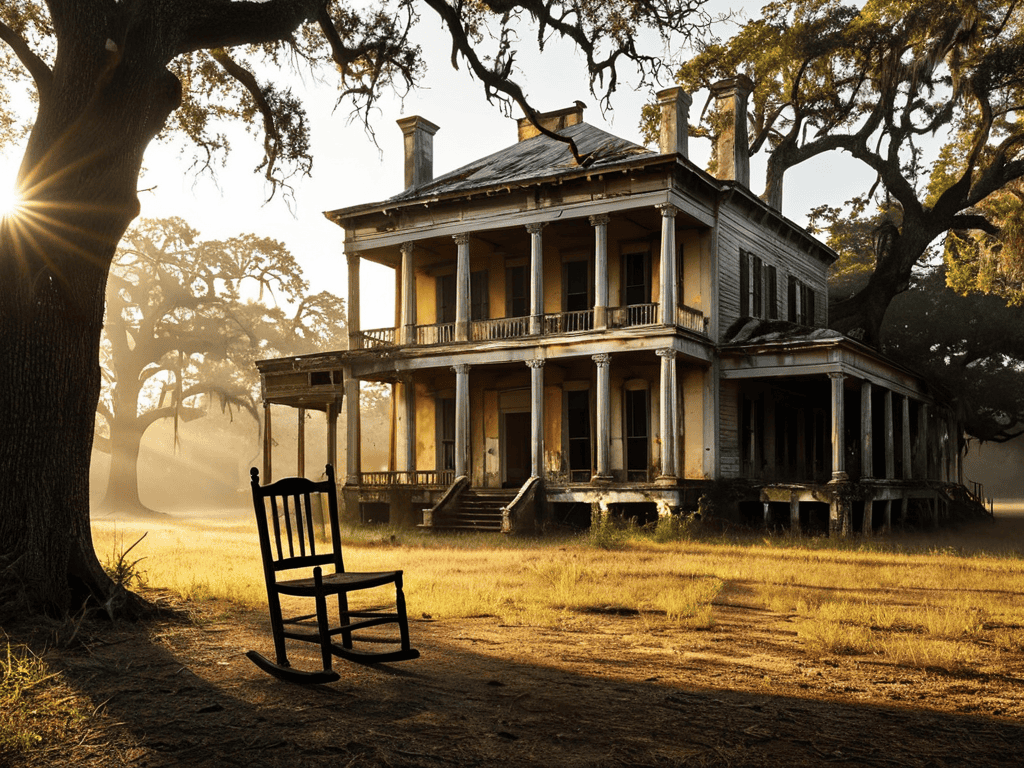
- Immerse yourself in the atmosphere: To truly grasp Southern Gothic literature, let the haunting landscapes and decrepit mansions seep into your imagination
- Explore the blurred lines between good and evil: Southern Gothic characters often embody both, making moral judgments a complex and intriguing task
- Uncover the historical roots: The genre’s fascination with the past is undeniable, so delve into the region’s turbulent history to understand the motivations behind the stories
- Pay attention to the symbolism: From the majestic yet ominous Spanish moss to the crumbling antebellum homes, every element in Southern Gothic literature is laden with meaning and foreboding
- Let the darkness resonate: Southern Gothic literature is not just about telling a story, but about evoking a feeling – of decay, of loss, and of the inescapable shadows that haunt us all
Key Takeaways from Southern Gothic Literature
Southern Gothic literature is characterized by its exploration of the darker aspects of human nature, often set against the backdrop of a decaying, antique South, where the past and present collide in haunting ways
The genre’s use of symbolism, such as the decrepit plantation house or the mysterious, primeval forest, serves as a powerful tool for exploring themes of moral decay, social upheaval, and the search for identity
Through its complex, often troubled characters and their struggles against the constraints of history, society, and their own personal demons, Southern Gothic literature offers a profound, unsettling reflection of the American experience, one that continues to captivate readers with its dark, seductive charm
Unveiling the Dark Beauty
Southern Gothic literature is like a decaying mansion – its beauty lies not in its grandeur, but in the secrets it keeps, and the darkness that seeps from its crumbling walls.
Emily J. Miller
Conclusion
As we delve into the world of Southern Gothic literature, it becomes clear that this genre is characterized by its exploration of dark romanticism and the decay of societal norms. Through the works of various authors, we see the prevalence of Gothic themes that haunt the landscapes of the American South. From the crumbling antebellum mansions to the murky swamps, the setting itself becomes a character that whispers tales of the past. Our journey through the shadows has revealed the significance of symbolism in Southern Gothic novels, as well as the historical context that shaped the lives of its authors.
And so, as we emerge from the shadows, we are left with a lasting impression of the South’s haunting beauty. The Southern Gothic genre is a testament to the power of storytelling, a reminder that even in the darkest of times, there is always a glimmer of hope. As we close this chapter, we are invited to reflect on the timeless themes that continue to captivate readers, and to appreciate the authors who have woven these tales into the fabric of our collective imagination.
Frequently Asked Questions
What role do the decaying antebellum mansions and rural landscapes play in shaping the narrative of Southern Gothic stories?
Decaying antebellum mansions and rural landscapes are more than just backdrops in Southern Gothic tales – they’re characters in their own right, embodying the region’s troubled past and moral decay, their crumbling facades and overgrown gardens symbolizing the rot of societal norms and the darkness that lurks beneath the surface of idyllic appearances.
How do authors of Southern Gothic literature use the region's complex history of slavery, racism, and social inequality to explore themes of guilt and redemption?
Through faded antebellum mansions and decrepit plantations, Southern Gothic authors confront the region’s dark legacy, weaving tales of guilt, redemption, and the lingering shadows of slavery and racism, where the past refuses to stay buried.
In what ways does the Southern Gothic genre blend elements of horror, mystery, and supernatural fiction to create a unique reading experience?
The Southern Gothic genre masterfully weaves together horror, mystery, and supernatural elements, crafting a reading experience that’s both unsettling and mesmerizing. By combining the dark, atmospheric settings of horror with the puzzling intrigue of mystery and the unexplained phenomena of supernatural fiction, Southern Gothic authors create a sense of eerie foreboding that draws readers in and refuses to let go.