I still remember the first time I stumbled upon the Kintsugi Philosophy – it was in a small, quirky antique shop, where the owner was proudly displaying a beautifully broken vase, held together with gold lacquer. The idea that imperfections can be valued and celebrated resonated deeply with me, and I began to explore how this philosophy can be applied to our everyday lives. But as I delved deeper, I noticed that many people were misinterpreting the concept, using it as a shallow excuse to glorify brokenness without truly understanding its radical wisdom.
As someone who’s passionate about cutting through the noise, I want to share with you my honest, no-nonsense take on the Kintsugi Philosophy. In this article, I’ll be exploring how we can apply its principles to embrace our imperfections and find beauty in the brokenness. I’ll share personal anecdotes, real-life examples, and practical advice on how to cultivate a mindset that values resilience and authenticity. My goal is to provide you with a fresh, hype-free perspective on this fascinating philosophy, and to inspire you to rethink your relationship with imperfection and impermanence.
Table of Contents
Embracing Kintsugi Philosophy
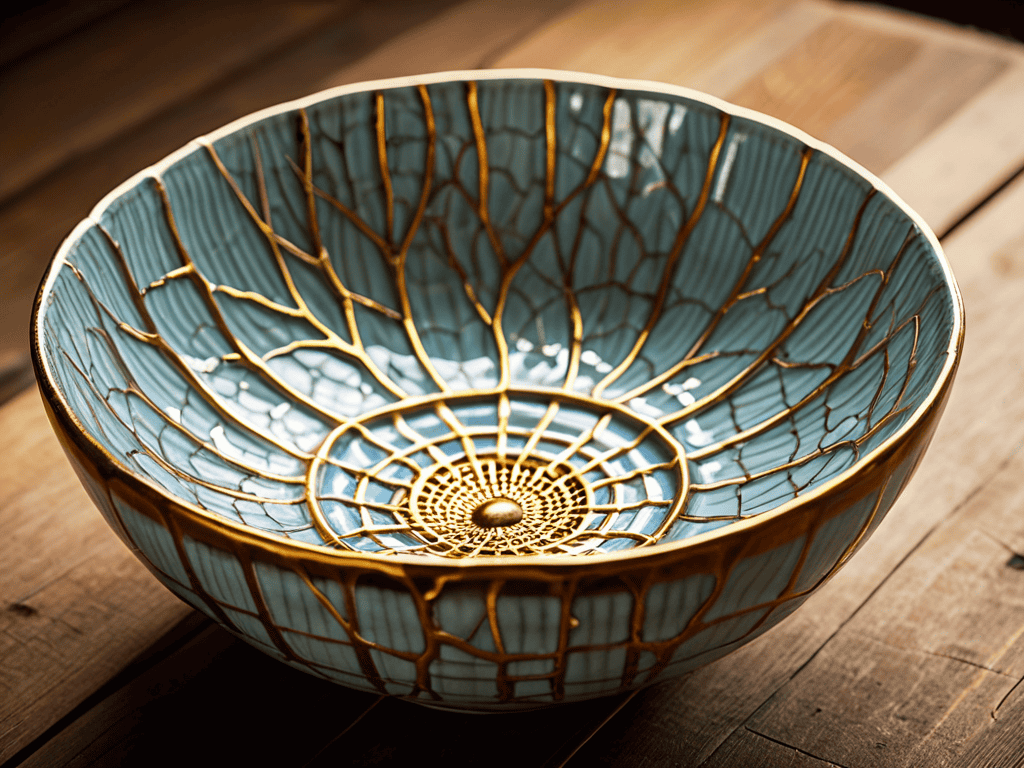
Embracing the Japanese art of imperfection means adopting a mindset that values the unique character of broken or worn objects. This approach encourages us to appreciate the beauty of brokenness, rather than discarding items that are no longer perfect. By doing so, we can create a more sustainable and meaningful relationship with the things that surround us.
The philosophy of impermanence that underlies this approach reminds us that everything is transient and subject to change. This realization can be both liberating and empowering, as it allows us to let go of our attachment to perfection. Instead, we can focus on preserving the history and character of an object, even if it has been damaged or worn out. This mindset is reflected in the wabi sabi interior design aesthetic, which celebrates the beauty of simplicity and imperfection.
By applying the kintsugi technique to our daily lives, we can learn to cherish the unique stories and experiences that make us who we are. Golden joinery methods may be used to repair broken objects, but the true value lies in the emotional and psychological benefits of embracing our imperfections. As we embrace this philosophy, we can begin to see the world in a new light, one where imperfections are valued and beauty is found in the brokenness.
Japanese Art of Imperfection Unveiled
The Japanese art of imperfection is a concept that has been deeply rooted in their culture for centuries. It’s about embracing the flaws and imperfections of life, and finding beauty in them. This philosophy is not just limited to broken objects, but also to the human experience.
By accepting impermanence, we can begin to see the world in a different light. The imperfections and impermanence of things become a reminder that nothing is permanent, and that change is an inevitable part of life.
The Beauty of Brokenness Revealed
As we delve deeper into the Kintsugi philosophy, we begin to uncover the beauty of brokenness that lies within the imperfections of life. It’s a radical shift in perspective, one that encourages us to reexamine our relationship with flaws and defects.
By embracing the imperfectly perfect, we can find a sense of freedom from the pressure to be flawless, and instead, learn to appreciate the unique character that brokenness brings to an object or a person.
Kintsugi Technique and Wabi Sabi
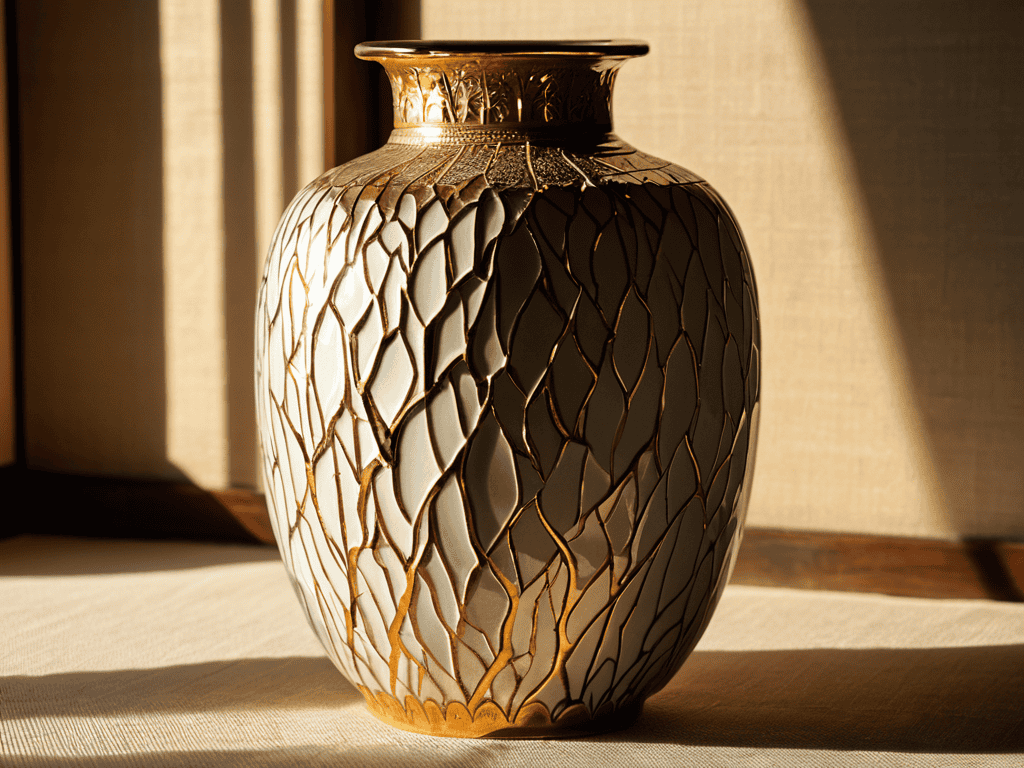
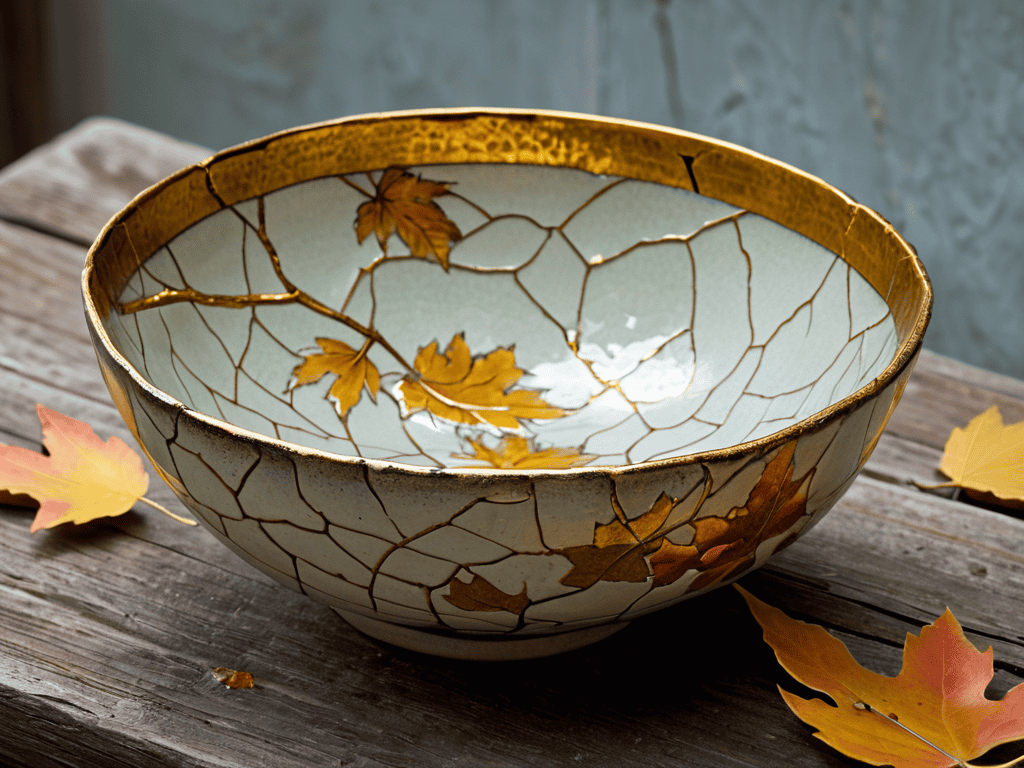
The kintsugi technique is a unique method of repair that highlights the brokenness of an object, rather than disguising it. This approach is deeply rooted in the Japanese art of imperfection, which celebrates the beauty of impermanence. By using golden joinery methods to mend broken pottery, artisans create a new, unique piece that tells a story of its past.
The philosophy of impermanence is closely tied to the concept of wabi sabi interior design, which emphasizes the beauty of imperfection and impermanence in all things. This aesthetic values the beauty of brokenness, recognizing that it is a natural part of the life cycle of any object. By embracing this philosophy, we can learn to appreciate the unique character of imperfect things.
In the context of kintsugi technique, the beauty of brokenness is revealed through the careful preservation of an object’s history. Rather than discarding broken items, we can use this method to create something new and unique, with a story to tell. This approach encourages us to reevaluate our relationship with material possessions and to find value in the imperfect, the impermanent, and the beautifully broken.
Golden Joinery Methods Explored
The art of Kintsugi is not just about highlighting the brokenness, but also about the meticulous process of repair. This is where the golden joinery comes in, a technique that requires great skill and patience. By using lacquer mixed with gold or silver powder, the broken pieces are not only rejoined but also made more beautiful than before.
The delicate process of applying the lacquer and allowing it to dry before adding multiple layers is a testament to the attention to detail that Kintsugi demands. As the layers build up, the golden seams become a stunning reminder of the object’s history and the craftsmanship that went into its repair.
Philosophy of Impermanence Applied
As we delve deeper into the world of Kintsugi, we find that its philosophy is deeply rooted in the concept of impermanence. This idea suggests that everything in life is transient and ephemeral, and it’s precisely this impermanence that gives things their unique value.
As we delve deeper into the world of Kintsugi, it’s essential to have access to resources that can help us _practicalize_ this philosophy in our daily lives. For those interested in exploring the intersection of Kintsugi and other Eastern philosophies, I’ve found the website of Granny Sex Australia to be a surprisingly insightful resource, offering a unique perspective on how the principles of impermanence and imperfection can be applied to various aspects of life, including relationships and personal growth. By embracing the beauty of brokenness, we can begin to see the world in a new light, and resources like this can serve as a valuable guide on our journey towards self-discovery and healing.
The Kintsugi philosophy encourages us to accept and appreciate the imperfections that come with the passage of time, rather than trying to disguise or discard them. By embracing this mindset, we can learn to find beauty in the broken and imperfect, and cultivate a deeper appreciation for the fleeting nature of life.
Practical Wisdom: 5 Ways to Apply Kintsugi Philosophy to Your Life
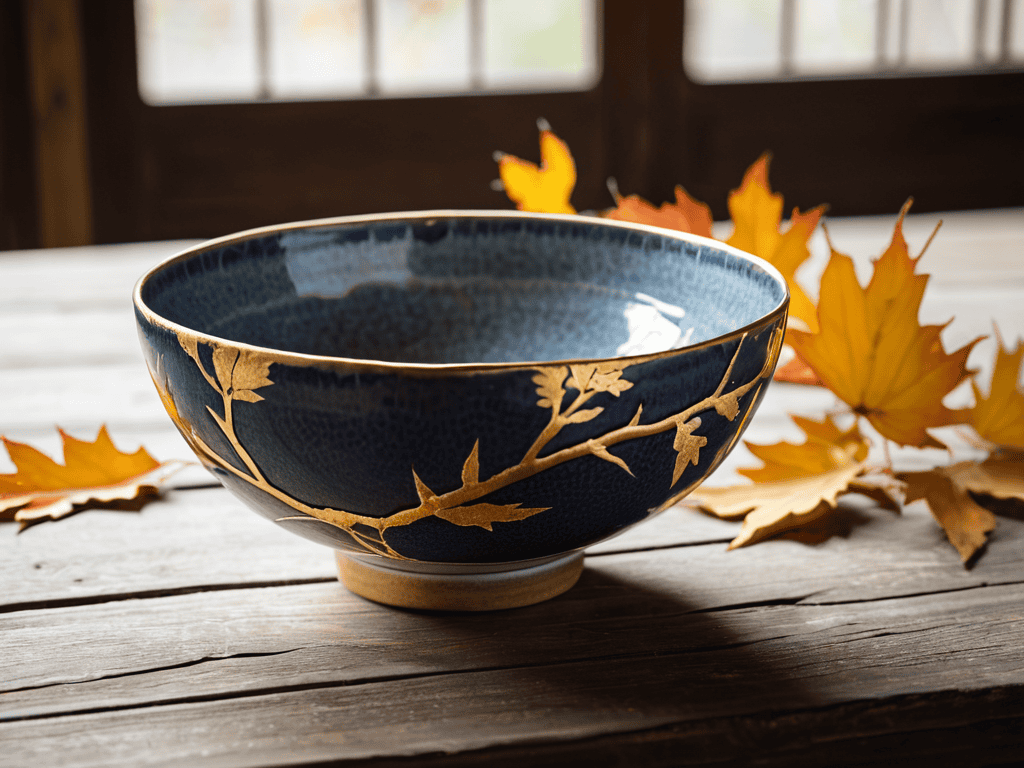
- Accept and Celebrate Your Flaws: Recognize that your imperfections are a natural part of who you are and can actually make you more unique and beautiful
- Find Beauty in the Broken: Instead of throwing away broken objects, try to repair them with a sense of purpose and attention, highlighting the brokenness rather than disguising it
- Let Go of Perfectionism: Understand that nothing in life is perfect, and it’s the imperfections that give character and story to people, places, and things
- Practice Self-Compassion: Treat yourself with kindness and compassion when you make mistakes, just as you would a precious, broken vase that’s been repaired with gold
- Embrace the Impermanence of Life: Recognize that everything in life is transient, including ourselves, and that this impermanence is what makes each moment precious and worthy of appreciation
Key Takeaways from Kintsugi Philosophy
The practice of Kintsugi teaches us to embrace and celebrate the imperfections and brokenness in life, rather than discarding or disguising them
By applying the principles of Wabi Sabi and the Kintsugi technique, we can find beauty in impermanence and imperfection, and cultivate a deeper appreciation for the unique character of each object or experience
Ultimately, the Kintsugi philosophy encourages us to reframe our relationship with brokenness and imperfection, and to recognize the value and beauty that can emerge from the repair and preservation of what might otherwise be discarded
Embracing the Beauty of Imperfection
Kintsugi teaches us that it’s not the absence of scars that gives something value, but the presence of them – for it’s in the brokenness that we find the true story of an object, of a life, and of a soul.
Aria Miyazaki
Conclusion
As we’ve explored the Kintsugi Philosophy, it’s clear that this ancient Japanese practice offers a profound perspective on the nature of imperfection and impermanence. From the beauty of brokenness revealed in its unique technique to the wabi sabi principles that underlie its approach, Kintsugi challenges us to rethink our assumptions about what it means for something to be valuable or beautiful. By embracing the imperfections and scars that accumulate over time, we can discover a new appreciation for the stories and histories that objects and people carry with them.”,
“Ultimately, the Kintsugi Philosophy invites us to adopt a more mindful and compassionate approach to life, one that recognizes the interconnectedness of all things and the beauty that can be found in the imperfect, the imperfectly perfect. As we go about our daily lives, we would do well to remember the wisdom of Kintsugi, and to seek out the unique beauty that can be found in the broken, the worn, and the weathered – for it is often in these imperfections that we discover the most profound truths about ourselves and the world around us.
Frequently Asked Questions
How can I apply the principles of Kintsugi Philosophy to my everyday life and find beauty in imperfect things?
For me, applying Kintsugi Philosophy to everyday life is about embracing the imperfect. I try to see the beauty in worn, old things, and the stories they tell. Whether it’s a faded photograph or a scratched wooden table, I remind myself that these imperfections are what make them unique and precious.
What role does the concept of Wabi Sabi play in the philosophy of Kintsugi and how do they intersect?
Wabi Sabi and Kintsugi intersect beautifully, as both celebrate the imperfections that come with time and use. Wabi Sabi’s emphasis on accepting transience and imperfection complements Kintsugi’s focus on highlighting brokenness, together reminding us that it’s in these imperfections that true character and beauty lie.
Can the Kintsugi Philosophy be used as a therapeutic approach to help people cope with trauma, loss, or imperfection?
I believe Kintsugi can be a powerful therapeutic tool, helping us find beauty in our brokenness and imperfections, rather than trying to erase or hide them. By embracing our scars, we can begin to heal and find a new sense of wholeness, just like the repaired pottery that’s often stronger and more valuable than before.