As I sit amidst my collection of vintage botanical illustrations, surrounded by the soothing scent of dried herbs and the gentle hum of my urban garden, I’m reminded of the importance of basic first aid skills for the home and workshop. It’s a topic often overlooked, yet it’s a crucial aspect of maintaining a safe and healthy environment, whether you’re a DIY enthusiast, a crafty artisan, or simply a homeowner. I’ve learned this the hard way, having grown up in a small coastal town where my parents, both marine biologists, would often tend to my scrapes and bruises with a calm and gentle touch, teaching me the value of nurturing and preparing for life’s little accidents.
In this article, I promise to share with you my personal experiences and practical knowledge on basic first aid skills for the home and workshop, stripping away the complexity and focusing on the essentials. You’ll learn how to create a simple first aid kit, understand the basics of wound care, and develop a mindset of prevention and preparedness. My goal is to empower you with the confidence to handle minor emergencies with ease, allowing you to focus on the things that bring you joy, whether that’s crafting, gardening, or simply spending time with loved ones. By the end of this guide, you’ll be equipped with the foundational knowledge to keep your home and workshop a safe and nurturing space.
Table of Contents
- Guide Overview: What You'll Need
- Step-by-Step Instructions
- Basic First Aid Skills
- Nurturing Nature's Nurture: 5 Whimsical Tips for Basic First Aid
- Embracing Wilderness Wisdom: 3 Key Takeaways for a Safer, More Sustainable You
- Embracing the Art of Care
- Embracing Wholeness in Our Daily Lives
- Frequently Asked Questions
Guide Overview: What You'll Need
Total Time: 1 hour 15 minutes
Estimated Cost: $20 – $40
Difficulty Level: Easy
Tools Required
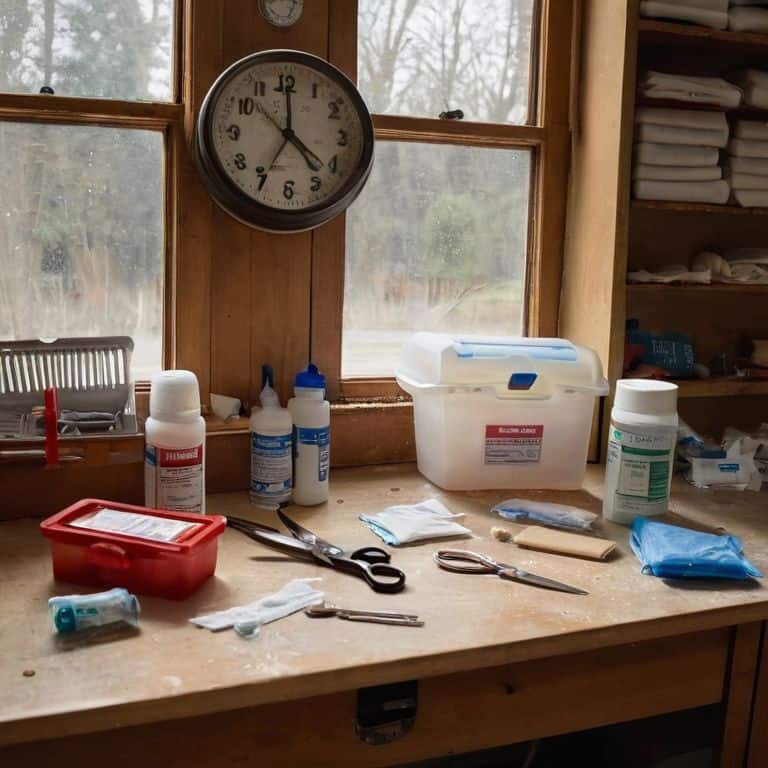
- First Aid Kit (fully stocked)
- Scissors (sharp and clean)
- Tweezers (for removing splinters)
- Thermometer (oral or digital)
Supplies & Materials
- Bandages (assorted sizes and types)
- Gauze Pads (2 inches x 2 inches and 4 inches x 4 inches)
- Antiseptic Wipes (for cleaning wounds)
- Medical Tape (1 inch wide roll)
- Over-the-Counter Pain Relievers (such as acetaminophen or ibuprofen)
Step-by-Step Instructions
- 1. First, let’s start with the basics of first aid kit essentials. You’ll want to gather a few must-haves like bandages, antiseptic wipes, and any medications you or your family members may need. I like to think of it as _curating a care package_ for any unexpected bumps or scrapes that might come our way.
- 2. Next, it’s time to learn about wound cleaning and dressing. Begin by rinsing the wound with cool or lukewarm water and mild soap. Avoid using _harsh cleansers_ or other substances that could irritate the skin. Gently pat the area dry with a clean towel before applying an antibiotic ointment and covering it with a bandage.
- 3. For minor cuts and abrasions, apply _gentle pressure_ to stop the bleeding. You can use a clean cloth or gauze to apply pressure for a few minutes. If the bleeding doesn’t stop after 10-15 minutes, you may need to seek medical attention. Remember, it’s always better to err on the side of caution when it comes to your health and well-being.
- 4. Now, let’s talk about burns. For minor burns, run cool tap water over the affected area for about 10 minutes to reduce the heat. You can also apply a topical antibiotic ointment and cover the burn with a non-stick bandage. It’s essential to avoid using ice or ice water, as this can cause further damage to the skin and lead to _hypothermia_.
- 5. In case of a more severe injury, such as a deep cut or a broken bone, it’s crucial to seek medical attention immediately. Call emergency services or have someone drive you to the hospital. While waiting for help to arrive, try to remain calm and still, and avoid moving the injured area to prevent further injury.
- 6. Learning about common _allergic reactions_ is also vital. If someone experiences symptoms like hives, itching, or difficulty breathing after being exposed to a potential allergen, administer epinephrine using an EpiPen or other auto-injector, if available. Loosen any tight clothing and keep the person calm until medical help arrives.
- 7. Lastly, consider taking a first aid certification course to learn more about emergency response and gain hands-on practice in a supportive environment. Not only will you gain valuable knowledge, but you’ll also become more confident in your ability to respond to unexpected situations, making you a _more empowered caregiver_ for yourself and those around you.
Basic First Aid Skills
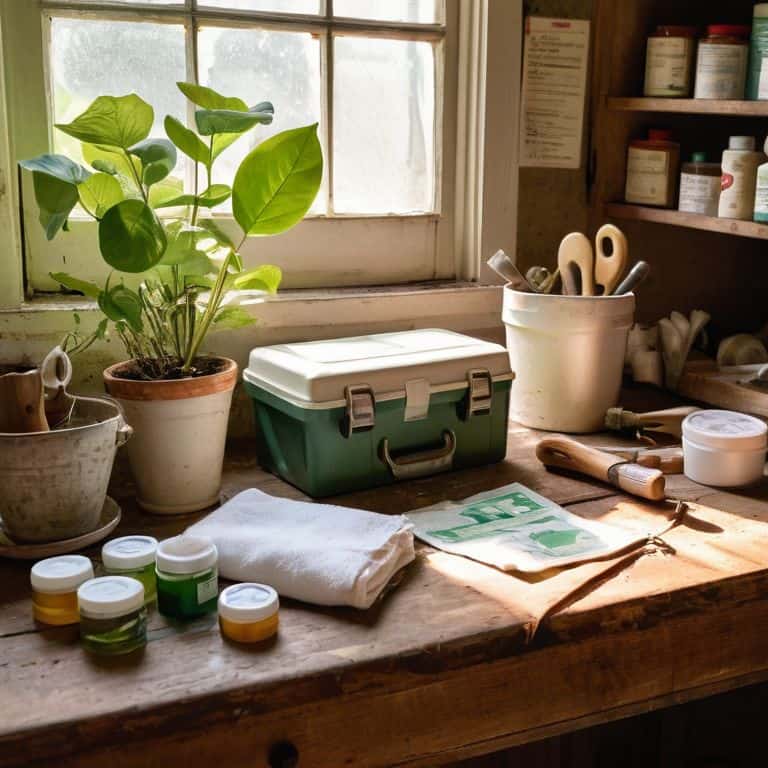
As I sit amidst my collection of vintage botanical illustrations, I’m reminded of the importance of preventing accidents at home. A well-stocked home first aid kit is essential for any household, and it’s crucial to know how to use the items in it. When it comes to common household injuries, such as cuts and scrapes, it’s vital to practice basic wound cleaning techniques to prevent infection.
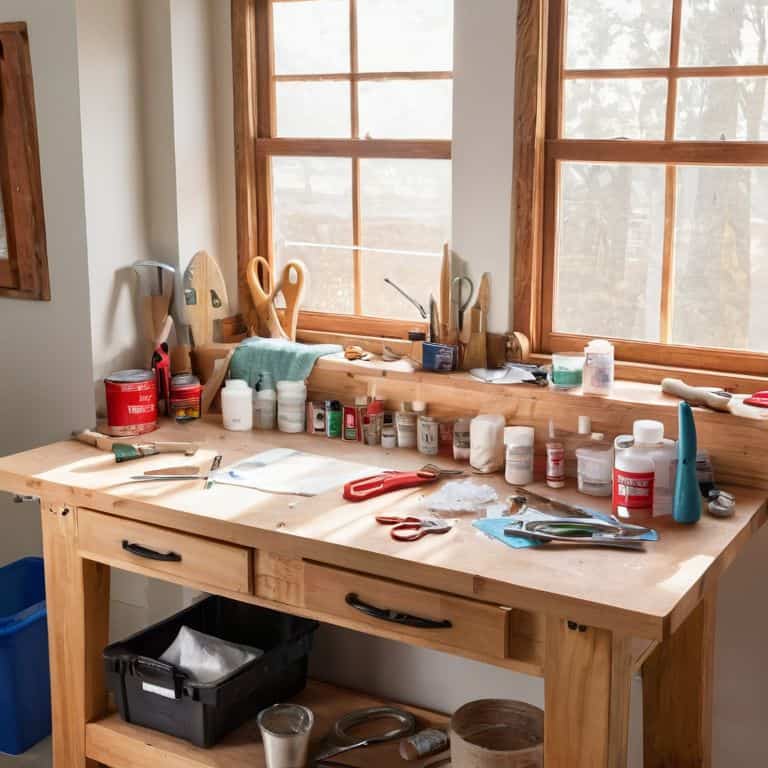
In my own workshop, I’ve learned to prioritize workshop safety precautions to minimize the risk of injury. This includes wearing protective gear, like gloves and safety glasses, when working with power tools. It’s also essential to know how to respond to first aid for power tool injuries, which can be more severe than those that occur in other areas of the home.
By taking a few simple steps, we can create a safer and more nurturing environment in our homes and workshops. This might involve preventing accidents at home by securing loose items, using non-slip mats, and keeping emergency contact numbers handy. As someone who values whimsy and sustainability, I believe that basic first aid knowledge is an essential tool for any individual looking to live a more self-sufficient and environmentally conscious lifestyle.
Preventing Accidents at Home
As I sit amidst my collection of vintage botanical illustrations, I’m reminded that preventing accidents at home is much like tending to a delicate garden – it requires attention to detail and a gentle touch. By being mindful of our surroundings and taking simple precautions, we can create a safer space for ourselves and our loved ones. This might mean securing loose rugs, storing hazardous materials out of reach, or simply taking the time to tidy up cluttered areas.
By adopting these small habits, we can significantly reduce the risk of accidents and create a more peaceful living environment. Just as a botanical artist carefully selects and arranges their materials, we too can curate our homes to promote wellness and safety, allowing us to flourish in our own little corners of the world.
Tending Wounds With Wilderness Wisdom
As I sit amidst my collection of vintage botanical illustrations, I’m reminded of the healing properties found in nature. Certain plants, like aloe vera and calendula, have been used for centuries to soothe and calm wounds. When tending to cuts and scrapes, I like to think of the wilderness wisdom that’s been passed down through generations. A gentle touch, a calming presence, and a knowledge of natural remedies can work wonders in the healing process. By incorporating elements of nature into our first aid practices, we can create a more holistic approach to wellness.
I find solace in the simplicity of using natural materials to aid in the healing process, much like I do when creating my botanical art. The earthy elegance of a well-tended wound, wrapped in a soft, herbal-infused gauze, is a testament to the beauty of sustainable living.
Nurturing Nature's Nurture: 5 Whimsical Tips for Basic First Aid
- Keep a wilderness wisdom first aid kit in your home and workshop, filled with natural goodies like aloe vera, coconut oil, and tea tree oil to tend to minor scrapes and burns
- Practice preventative magic by ensuring your workspace is clear of clutter, and that you have a fire extinguisher and a first aid manual within arm’s reach
- Cultivate a culture of care by learning basic first aid skills, such as how to properly clean and dress wounds, and how to identify potential hazards in your home and workshop
- Get cozy with natural remedies like honey, which has antibacterial properties, and plant-based bandages that can help soothe and protect minor cuts and scrapes
- Stay grounded and focused by taking regular breaks to stretch, breathe, and connect with nature, reducing the risk of accidents and injuries in your home and workshop
Embracing Wilderness Wisdom: 3 Key Takeaways for a Safer, More Sustainable You
Tending to wounds with natural remedies can be a game-changer, from using plant-based antiseptics to crafting your own herbal salves, all while embracing the beauty of the wild
Preventing accidents at home is an art that combines common sense with a dash of creativity, whether it’s repurposing vintage items as safety guards or incorporating eco-friendly materials into your DIY projects
By weaving together threads of sustainability, community, and creativity, we can transform our daily lives into a vibrant tapestry that not only celebrates our connection to nature but also inspires others to join us on this journey of joyful, eco-conscious living
Embracing the Art of Care
As we tend to the wounds of our hands and the whispers of our workshops, may we remember that basic first aid skills are not just a precaution, but a profound act of self-love and reverence for the beauty of our imperfect, earthy lives.
Harper Willow
Embracing Wholeness in Our Daily Lives
As we conclude our journey through the realm of basic first aid skills for the home and workshop, let’s take a moment to reflect on the journey. We’ve explored the importance of tending wounds with wilderness wisdom, and delved into practical steps for preventing accidents at home. By embracing these skills, we not only ensure our physical well-being but also cultivate a deeper connection to the natural world and our own resilience. Remember, the art of first aid is not just about responding to emergencies, but about weaving a tapestry of care that envelops every aspect of our lives.
As we move forward, let’s hold onto the notion that sustainable living is a journey, not a destination. By incorporating these first aid skills into our daily routines, we’re not only safeguarding our loved ones but also contributing to a larger narrative of interconnectedness and compassion. So, let’s tend the hearth of our lives with intention and love, knowing that every small step towards sustainability is a celebration of our place within the grand symphony of nature. And as we tend, let’s remember to breathe in the beauty that surrounds us, for it is in this sacred balance that we find true wholeness.
Frequently Asked Questions
What are some common household items that can be used to create a makeshift first aid kit?
In a pinch, I’ve found that household items like honey, plantain leaves, and even tea bags can be repurposed for wound care. Aloe vera gel, coconut oil, and apple cider vinegar are also great additions to a makeshift first aid kit, offering natural antiseptic and soothing properties.
How often should I review and update my first aid skills to ensure I'm prepared for any situation?
I like to review and refresh my first aid skills seasonally, weaving it into my nature-inspired routines. Every equinox and solstice, I take a little time to revisit my knowledge, updating my kit and learning new techniques to stay prepared and connected to the world around me.
Are there any specific first aid techniques that are particularly relevant for artisans or craftspeople who work with sharp objects or hazardous materials?
For artisans and craftspeople, I always recommend having a handle on treating cuts and lacerations, as well as eye injuries from sawdust or chemicals – it’s all about being prepared with the right supplies and knowing a few simple tricks to minimize damage and promote healing.