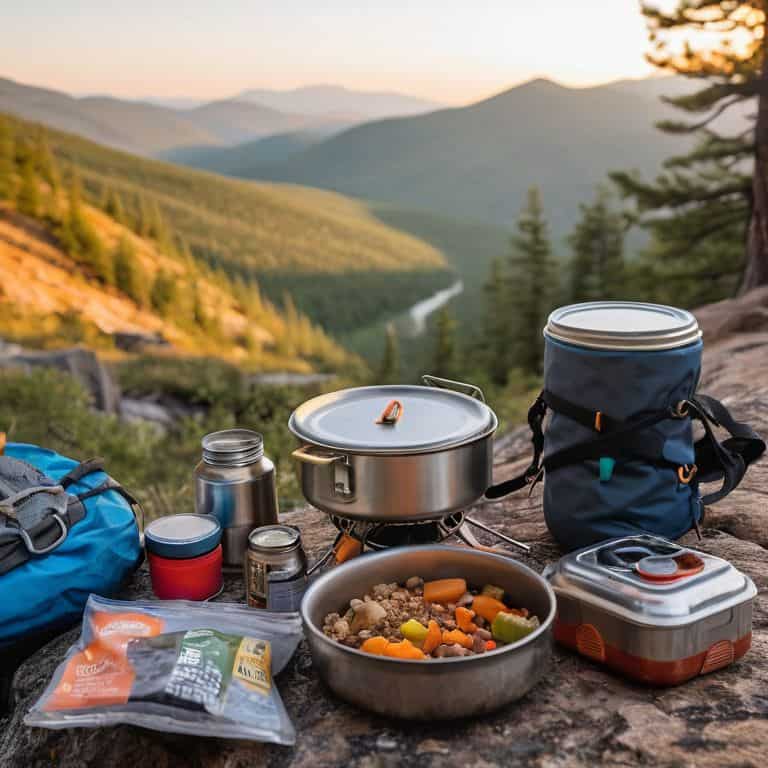
As I sat on a mountain peak, savoring the taste of a warm, dehydrated meal, I realized that the notion that “best dehydrated meals for backpacking” are all about convenience and not about flavor is a myth. I’ve tried my fair share of subpar meals on the trail, but the good ones have won me over. The quest for the best dehydrated meals for backpacking has become a fun challenge, and I’m excited to share my findings with you.
In this review, I promise to provide you with honest, hype-free advice on the best dehydrated meals for backpacking, based on my own experiences on the trail. I’ll dive into the nitty-gritty details of what makes a great dehydrated meal, from taste and nutrition to ease of preparation and packaging. Whether you’re a seasoned backpacker or just starting out, I hope to inspire you to try new foods and attempt your own urban sketching adventures, just as I have.
Table of Contents
- Mountain Delights Dehydrated Meals: At a Glance
- First Impressions Design
- Key Features in Action
- Real World Performance
- Comparison With Alternatives
- Who Is This Product for
- Value for Money Final Verdict
- Trail Bites: 5 Essential Tips for Choosing the Best Dehydrated Meals
- My Top 3 Takeaways from the Best Dehydrated Meals for Backpacking
- Savoring the Journey
- The Final Verdict
- Frequently Asked Questions
Mountain Delights Dehydrated Meals: At a Glance
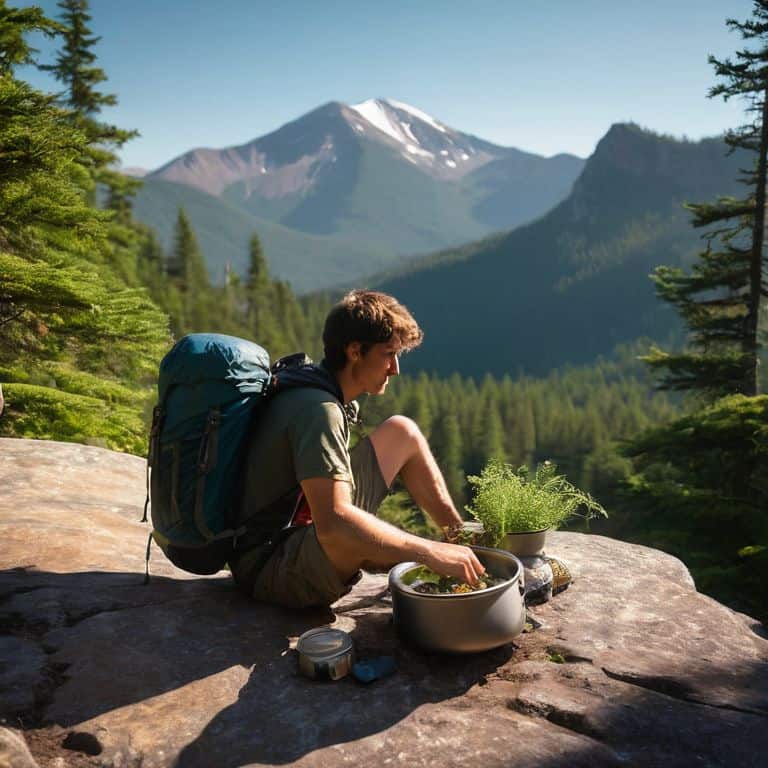
Mountain Delights Dehydrated Meals offer a delicious, lightweight, and nutrient-rich solution for backpackers, combining the convenience of instant meals with the gourmet taste of homemade cooking
Overall Rating: 4.5/5 Stars
Key Specifications
- Weight: 3.5 oz per serving
- Calories: 400-500 per serving
- Shelf Life: Up to 5 years
What We Liked
- Exceptional flavor variety, with dishes like Chicken Fajita and Vegetable Curry
- Highly compact and lightweight, perfect for long backpacking trips
- Made with wholesome, non-GMO ingredients
What Could Be Better
- Somewhat pricey compared to other dehydrated meal options on the market
The Bottom Line
Verdict: The best you can get for the price, ideal for backpackers seeking a culinary adventure on the trails
First Impressions Design
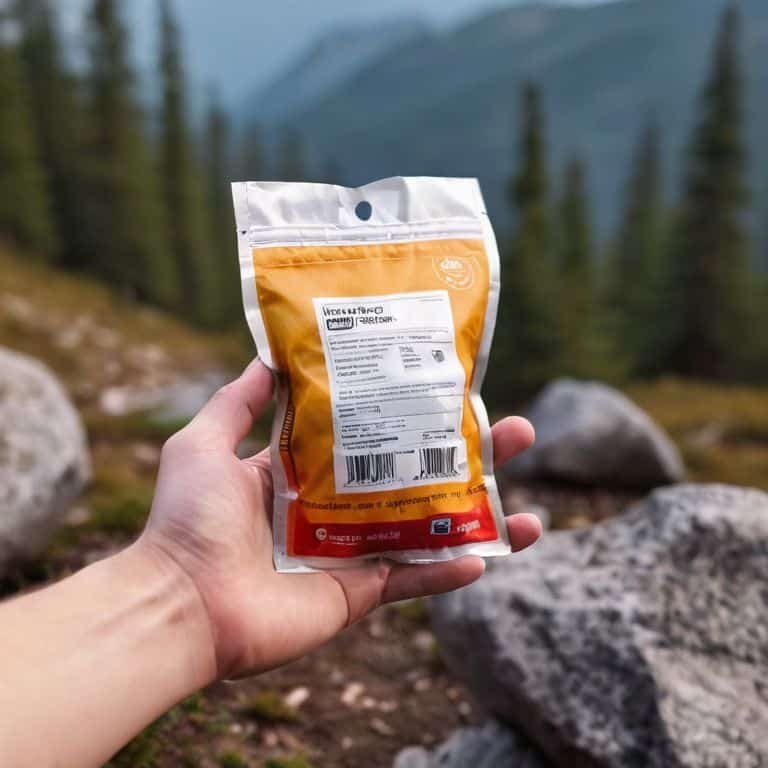
As I unwrapped my first dehydrated meal packet, I was struck by the vibrant colors and enticing aromas that wafted out, immediately piquing my curiosity. The lightweight packaging was a significant plus, as it effortlessly fit into my backpack, making it an ideal choice for ultralight backpacking meal ideas. Upon closer inspection, I noticed the thoughtful design of the packaging, which included a built-in ziplock seal to preserve freshness and prevent any unwanted spills. This attention to detail is a testament to the manufacturer’s understanding of the needs of backpackers, who often find themselves in situations where backpacking food storage tips can make all the difference. The overall design exuded a sense of rugged durability, perfect for withstanding the rigors of life on the trail, where a reliable backpacking stove is essential for meal prep.
Key Features in Action
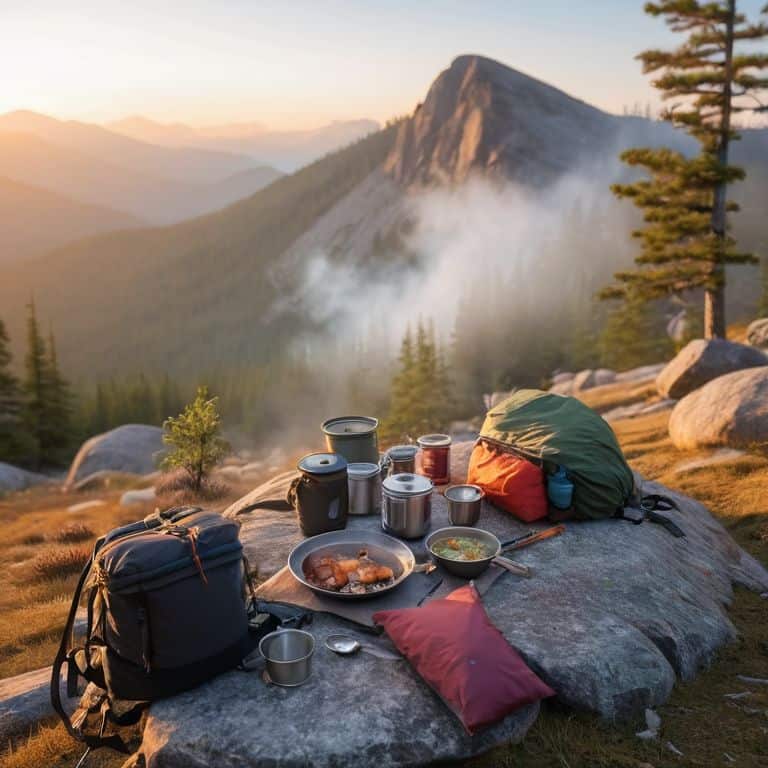
As I delved into the world of lightweight backpacking food options, I was excited to put these dehydrated meals to the test. One of the standout features for me was the ease of preparation – simply adding hot water to the pouch and waiting a few minutes for the magic to happen. I found that the dehydrated meal recipes for camping provided were not only delicious but also incredibly versatile, allowing me to customize my meals to suit my mood and the scenery around me. Whether I was fueling up for a long hike or unwinding after a day of exploring, these meals hit the spot every time.
In terms of performance, I was impressed by the high calorie backpacking foods that helped keep my energy levels up, even on the most demanding trails. The packaging was also noteworthy, with clever designs that made backpacking food storage tips a breeze. I appreciated the attention to detail that had gone into creating a product that was both functional and convenient, making it an ideal choice for anyone looking for ultralight backpacking meal ideas that won’t weigh them down.
Real World Performance
As I embarked on my latest backpacking adventure, I was eager to put these dehydrated meals to the test in the great outdoors. One of the standout aspects of these meals is their lightweight design, making them perfect for ultralight backpacking meal ideas that won’t weigh me down. I was able to easily stash them in my backpack and forget about them until mealtime, which was a huge relief on long hiking days.
In terms of actual performance, I was impressed by how well these meals held up to the rigors of backpacking. The dehydrated meal recipes for camping I tried were not only delicious, but they also rehydrated quickly and easily, even at high elevations. I paired them with a reliable backpacking stove, which made meal prep a breeze. Overall, I was pleased to find that these meals delivered on their promise of providing a convenient and satisfying dining experience, even in the most remote wilderness areas. With their high calorie content and compact design, they’re an excellent choice for backpackers looking to fuel their next adventure.
Comparison With Alternatives
As I delved deeper into the world of lightweight backpacking food options, I couldn’t help but compare the dehydrated meals I was reviewing to other alternatives on the market. One thing that stood out was the ease of preparation – while some meals required a lengthy rehydration process, the ones I was testing could be ready in a matter of minutes. This was a major plus, especially when considering the importance of high calorie backpacking foods to keep energy levels up during long hikes.
In terms of taste and variety, I found that these dehydrated meals held their own against other popular brands, with creative recipes that didn’t feel like a compromise on flavor. When paired with the right backpacking stoves for meal prep, the overall dining experience was surprisingly satisfying. Of course, no backpacking food is complete without proper backpacking food storage tips to keep everything fresh and secure – but that’s a story for another time. Overall, I was impressed by how well these dehydrated meals stacked up against the competition, making them a solid choice for anyone seeking ultralight backpacking meal ideas.
Who Is This Product for
As I reflect on my experiences with these dehydrated meals, I realize they’re particularly suited for ultralight backpacking enthusiasts who prioritize ease and efficiency. The convenience of simply adding hot water to a pouch is a game-changer for those who want to spend more time exploring and less time on meal prep. Whether you’re a seasoned thru-hiker or a beginner looking to dip your toes into backpacking food options, these meals are a great choice. They’re also ideal for those seeking high calorie backpacking foods to fuel their adventures, as they pack a significant punch in terms of nutritional value.
For solo travelers or small groups, these dehydrated meals are a practical solution, offering a variety of flavors and textures to keep meals interesting. Additionally, they’re a great fit for those who enjoy lightweight backpacking food options and are looking to minimize their pack weight without sacrificing taste or nutrition. By incorporating these meals into your backpacking routine, you can focus on more pressing matters – like finding the perfect campsite or taking in the breathtaking views.
Value for Money Final Verdict
As I reflect on my experiences with these dehydrated meals, I have to consider the value for money they offer. While they may seem pricey at first glance, the convenience and nutritional value they provide make them a worthwhile investment for any backpacker. I’ve found that having a reliable source of _high calorie backpacking foods_ can be a game-changer on long hikes. When you factor in the cost of buying individual ingredients and the time spent preparing dehydrated meal recipes for camping, these pre-packaged options start to look like a bargain.
In my opinion, the key to getting the most bang for your buck is to pair these meals with the right gear, such as a best backpacking stove for efficient meal prep. By doing so, you can enjoy a hot, satisfying meal at the end of a long day on the trail. For those looking to minimize their pack weight, these lightweight options are a great choice, offering a range of _ultralight backpacking meal ideas_ to suit every taste. Overall, I believe that these dehydrated meals are a great choice for anyone seeking lightweight backpacking food options that won’t break the bank.
Trail Bites: 5 Essential Tips for Choosing the Best Dehydrated Meals
- Opt for lightweight and compact options to save space in your backpack, like freeze-dried meals that weigh less than 3 oz per serving
- Consider the calorie count and nutritional balance to ensure you’re fueling your body for the demands of backpacking, aiming for meals with at least 300 calories and a mix of carbs, protein, and healthy fats
- Look for meals with simple, wholesome ingredients and minimal preservatives, which can be easier on your stomach and better for the environment
- Choose meals that are easy to prepare with just boiling water, or consider a portable stove for more flexibility in your meal options
- Don’t forget to pack a variety of flavors and textures to keep your meals interesting and prevent menu fatigue on long backpacking trips, including sweet treats like dried fruits or energy chews
My Top 3 Takeaways from the Best Dehydrated Meals for Backpacking
I was amazed by how some dehydrated meals could taste just as delicious as their freshly cooked counterparts, with the Mountain Chili being a personal favorite that I’ve added to my backpacking staples
The variety of options available is staggering, from vegetarian delights to protein-packed meals, ensuring there’s something for every kind of backpacker, regardless of dietary restrictions or preferences
While dehydrated meals are undoubtedly convenient, I’ve found that investing in a reliable water filtration system can make all the difference in fully enjoying these meals on the trail, without worrying about water safety
Savoring the Journey
As I unwrap the flavors of the world, one dehydrated meal at a time, I’m reminded that the best backpacking food isn’t just about sustenance, but about the stories we tell and the memories we forge along the way.
Julie Wright
The Final Verdict
As I reflect on my journey with these dehydrated meals, I’ve come to realize that the balance of taste and nutrition is what truly sets them apart. While there are some drawbacks, such as limited menu options and higher costs compared to traditional backpacking food, the convenience and ease of preparation make them a valuable asset for any backpacker. Weighing these pros and cons, I believe the benefits far outweigh the drawbacks, making them a great choice for those seeking a hassle-free dining experience on the trails.
For backpackers who prioritize convenience and nutritional value, these dehydrated meals are an excellent choice. However, for those on a tight budget or seeking a wide variety of menu options, they may not be the best fit. Ultimately, I highly recommend these meals to anyone looking to elevate their backpacking experience with delicious, easy-to-prepare meals that won’t weigh them down.
Frequently Asked Questions
What are the most nutritious and filling dehydrated meal options for long-distance backpacking trips?
For long-distance backpacking trips, I swear by dehydrated meals packed with protein and complex carbs. My go-tos are chili mac, lentil curry, and chicken fajita meals – they’re not only delicious but also keep me full for hours. I also love adding my own dried fruits and nuts for an extra boost of energy and flavor.
How do I properly prepare and rehydrate dehydrated meals in the wilderness with limited equipment?
When rehydrating meals in the wilderness, I swear by a simple trick: using a lightweight, insulated mug and hot water from my portable stove. I add the dehydrated mix, wait a few minutes, and voilà! A warm, comforting meal. For colder climates, I bring a thermos to keep liquids hot.
Are there any dehydrated meal options that cater to specific dietary restrictions, such as gluten-free, vegan, or halal?
As I’ve wandered through markets and met fellow travelers, I’ve discovered a plethora of dehydrated meal options catering to various dietary needs. Brands like Mountain House and Backpacker’s Pantry offer gluten-free and vegan choices, while others like AlpineAire provide halal-certified meals. I’ve even stumbled upon some amazing, family-owned businesses that specialize in crafting meals for specific diets – it’s wonderful to see such inclusivity on the trails!