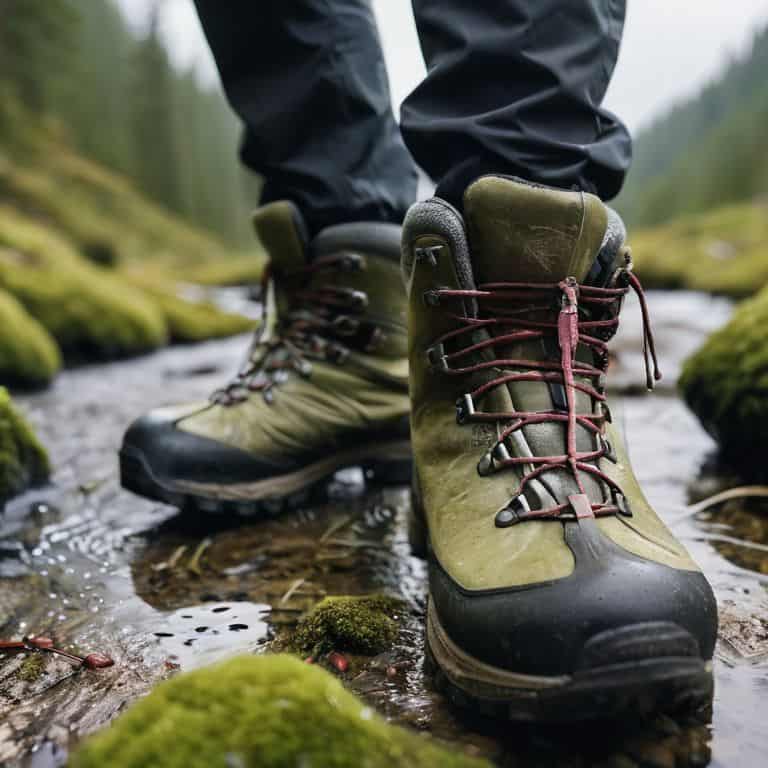
As I sit here, sipping tea from my latest acquisition – a vibrant, hand-painted teapot from a small village in Nepal – I’m reminded of the countless hikes I’ve embarked on, and the waterproof vs non-waterproof hiking boots dilemma that often plagued me. I recall the time I got caught in a sudden downpour on a trek in the mountains, and my non-waterproof boots left me with cold, soggy feet for the rest of the day. It’s a mistake I’ve never repeated, and one that sparked my curiosity about the differences between these two types of boots.
In this article, I promise to share my honest, experience-based advice on waterproof vs non-waterproof hiking boots, cutting through the hype and marketing jargon to give you a clear understanding of what to expect from each type. I’ll draw from my own experiences, as well as those of fellow hikers and outdoor enthusiasts, to provide you with a no-nonsense guide to choosing the right boots for your next adventure. Whether you’re a seasoned trekker or just starting out, my goal is to empower you with the knowledge to make an informed decision, and to help you navigate the often-confusing world of hiking gear with confidence.
Table of Contents
Waterproof Hiking Boots
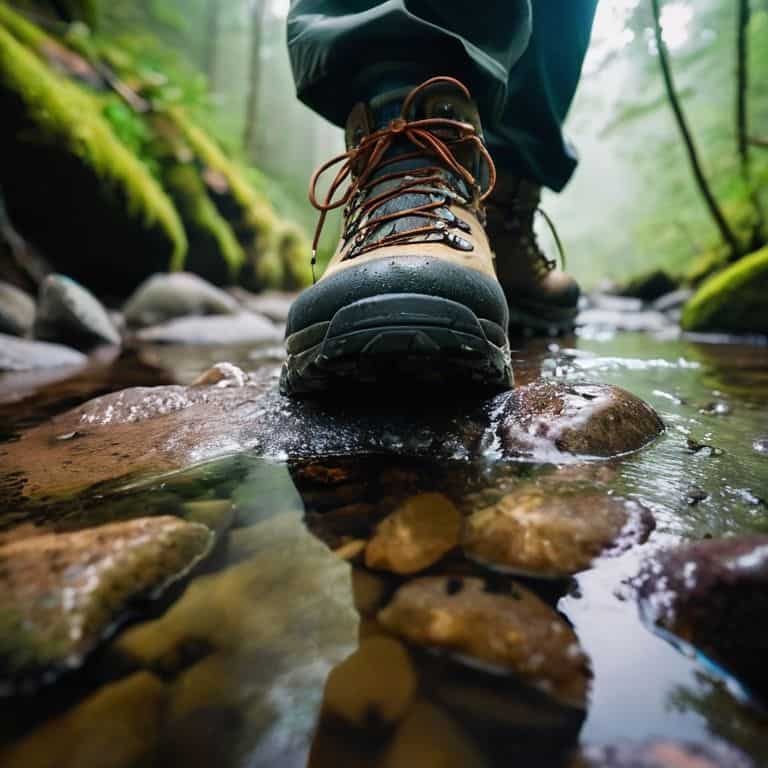
Waterproof hiking boots are a type of footwear designed to keep feet dry in wet conditions, typically featuring a membrane-based system that prevents water from entering the boot while allowing moisture to escape. The main selling point of waterproof hiking boots is their ability to provide dry comfort in soggy or snowy environments, making them a popular choice among hikers and outdoor enthusiasts who frequently encounter wet trails.
I still remember the time I hiked through a wet forest, and my feet stayed dry and warm thanks to my trusty waterproof boots. The breathability of these boots was a game-changer, allowing me to focus on the scenic views rather than my discomfort. As someone who loves urban sketching, I appreciate how waterproof hiking boots enable me to explore new places without worrying about my feet, and I can then sit down to sketch the beautiful landscapes I’ve discovered, often with a warm cup of tea from one of my unique teapots.
Non-Waterproof Hiking Boots
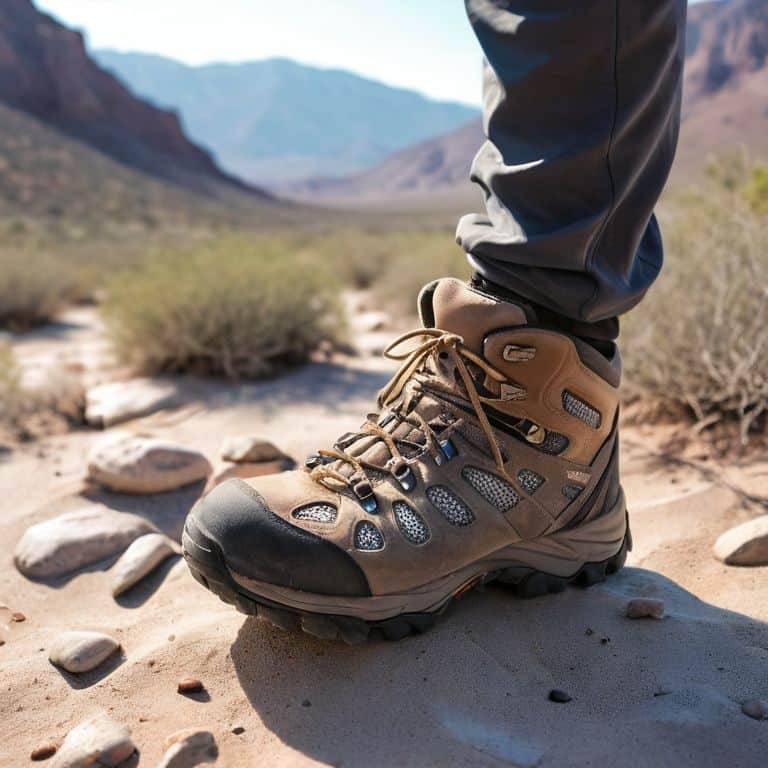
Non-waterproof hiking boots, on the other hand, are designed for warmer and drier conditions, often prioritizing breathability and flexibility over water resistance. The main advantage of non-waterproof hiking boots is their ability to provide superior ventilation, making them an excellent choice for hikers who plan to tackle dry trails in warmer climates.
As a travel writer, I’ve had my fair share of experiences with non-waterproof hiking boots, and I must say that they’re perfect for certain types of terrain. I recall a hike I took in a dry, rocky region, where my non-waterproof boots allowed my feet to breathe and stay cool, even in the scorching heat. After the hike, I sat down to sketch the stunning rock formations, and I was grateful for the comfort and flexibility my boots provided, which inspired me to write a short story about the region’s unique landscapes and the people who call it home.
Head-to-Head Comparison: Waterproof vs Non-Waterproof Hiking Boots
| Feature | Waterproof Hiking Boots | Non-Waterproof Hiking Boots |
|---|---|---|
| Price | $150-$300 | $80-$200 |
| Key Feature | Waterproof membrane (e.g., Gore-Tex, eVent) | Breathable mesh panels |
| Best For | Wet, muddy, or snowy conditions | Dry, warm, and well-maintained trails |
| Weight | Heavier due to waterproof lining | Lighter for improved mobility |
| Breathability | Less breathable, potential for moisture buildup | More breathable, reduced moisture buildup |
| Durability | Generally more durable, resistant to water damage | Less durable in wet conditions, prone to water damage |
| Break-in Time | May require longer break-in time | Typically requires less break-in time |
Tales of Waterproof vs Non Waterproof Hiking Boots
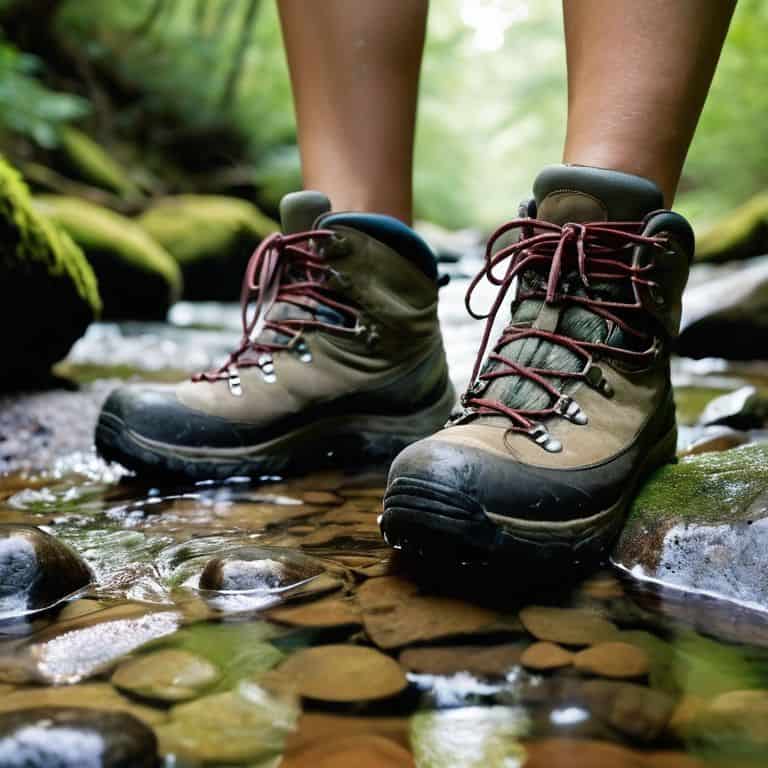
As I reflect on my hiking adventures, I realize that the waterproofing of my boots has been a game-changer. It’s a critical factor that can make or break a hiking trip, especially in unpredictable weather conditions. I’ve learned that it’s not just about staying dry, but also about preventing blisters and keeping my feet comfortable throughout the journey.
In a head-to-head comparison, waterproof hiking boots outshine their non-waterproof counterparts in terms of moisture protection. When hiking in wet conditions, waterproof boots keep my feet dry and warm, whereas non-waterproof boots can lead to discomfort and distraction. On the other hand, non-waterproof boots often provide better breathability, which can be beneficial in dry and hot conditions.
When it comes to the criterion of “Tales of Waterproof vs Non-Waterproof Hiking Boots”, I declare waterproof boots the clear winner. The practical implications of having dry and comfortable feet far outweigh the benefits of non-waterproof boots, making them the better choice for most hiking adventures.
Soggy Trails and Steaming Teas: 3 Key Takeaways
I’ve learned that waterproof hiking boots are a must-have for trails that are prone to rain or snow, not just for keeping my toes dry but also for preventing blisters and discomfort that can ruin an entire adventure
The choice between waterproof and non-waterproof hiking boots ultimately depends on the specific terrain and weather conditions of your hike – for dryer climates, non-waterproof boots can be a great option for better breathability and flexibility
Whether I opt for waterproof or non-waterproof boots, I’ve found that a good pair of hiking boots is only as good as the care you give it, so regular cleaning and conditioning can make all the difference in extending their lifespan and keeping my feet happy on the trails
Stepping into the Unknown
The choice between waterproof and non-waterproof hiking boots is not just about gear, it’s about the stories you want to tell afterwards – of muddy trails and warm teas, or of soggy socks and regretful smiles.
Julie Wright
The Final Verdict: Which Should You Choose?
As I reflect on my journeys, from the rain-soaked trails of Scotland to the scorching deserts of Australia, I’ve come to realize that the debate between waterproof and non-waterproof hiking boots isn’t just about functionality, but about the type of adventure you’re embarking on. The tale of the terrain plays a significant role in this decision, with waterproof boots being the clear winner in wet and unpredictable conditions, while non-waterproof boots shine in dry, warm climates where breathability is key.
In the end, I’d declare the waterproof hiking boots the overall winner for the average hiker, as they offer a versatile protection that can handle a wide range of conditions. However, for the seasoned trekker who frequents dry, sunny trails, non-waterproof hiking boots might be the better choice, providing superior comfort and breathability. Ultimately, the decision comes down to your personal hiking style and the unique demands of your terrain.
Frequently Asked Questions
How often do I need to reapply waterproofing treatments to my hiking boots to maintain their effectiveness?
I’ve found that reapplying waterproofing treatments to my hiking boots every 1-3 months, or after every 5-7 hikes, keeps them in top shape. Of course, this depends on the terrain and conditions – if I’ve been trekking through muddy or wet landscapes, I’ll give them a refresh sooner.
Are non-waterproof hiking boots significantly lighter or more breathable than their waterproof counterparts?
As I laced up my non-waterproof hiking boots for a sunny summit hike, I noticed they felt significantly lighter, and my feet stayed cooler due to the increased breathability – a perfect combination for dry trails, but I still reach for my waterproof pair on rainy days, like that memorable trek in Scotland where every step squelched with water.
Can waterproof hiking boots still provide adequate ventilation to prevent overheating and blisters during long, warm-weather hikes?
As I laced up my waterproof hiking boots for a sweltering summer trek, I wondered if they’d trap heat and leave me blistered. Thankfully, modern designs often feature breathable membranes, like Gore-Tex or eVent, which allow moisture to escape while keeping water out, providing a comfortable balance between dryness and ventilation.