As I sit amidst my collection of vintage botanical illustrations, surrounded by the gentle hues of nature-inspired art, I’m reminded of the countless times I’ve been frustrated by the oversimplification of sustainable living. The notion that buying eco-friendly products is the sole key to unlocking the environmental benefits of buying for life is a myth that needs to be debunked. In reality, it’s the small, consistent choices we make every day that add up to make a significant impact. I recall my childhood spent exploring tide pools and learning about local flora from my marine biologist parents, which instilled in me a deep appreciation for the interconnectedness of our ecosystem.
In this article, I promise to share my personal experiences and honest advice on how embracing a “buy for life” mindset can truly nurture a greener tomorrow. I’ll dive into the practical ways to apply this philosophy, from choosing timeless, eco-friendly products to adopting creative habits that reduce waste. My goal is to empower you with the knowledge and inspiration to make informed choices that not only benefit the environment but also bring joy and simplicity to your daily life. By exploring the environmental benefits of buying for life together, I hope to inspire a sense of community and motivation to make a positive impact on our planet.
Table of Contents
Sowing Seeds of Sustainability
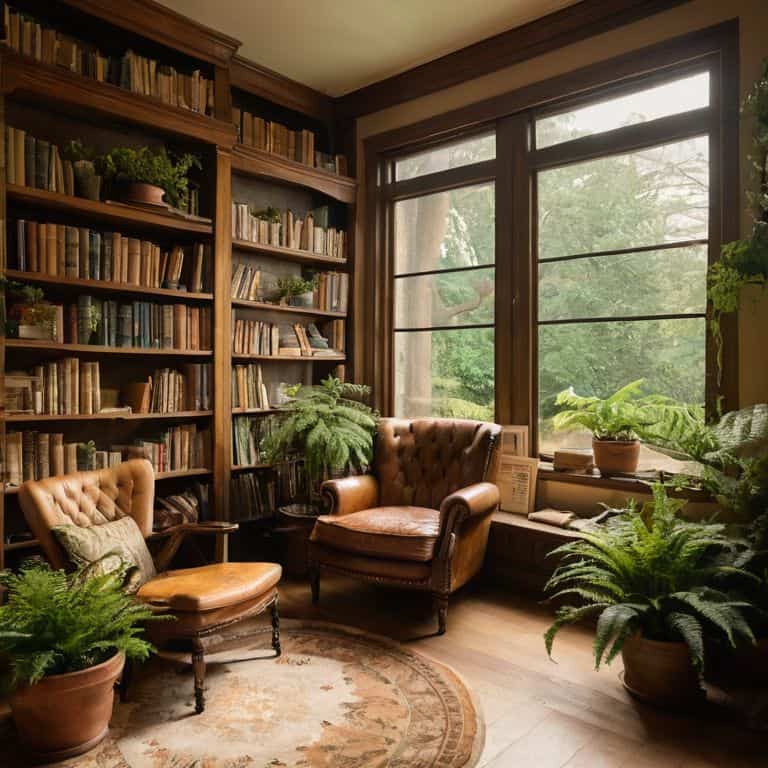
As I sit amidst my collection of vintage botanical illustrations, I’m reminded of the beauty in embracing a zero waste lifestyle. It’s a journey that begins with small steps, like choosing to buy second-hand or investing in sustainable fashion practices. By doing so, we not only reduce our environmental footprint but also cultivate a sense of community and connection to the world around us. I think back to my childhood, spent exploring the tide pools and learning about local flora and fauna from my marine biologist parents, and I’m inspired to continue their legacy in my own way.
In my urban apartment, I’ve made it a point to incorporate elements of nature into my daily life, from the benefits of minimalism that allow me to focus on what truly matters, to the joy of creating botanical art using found natural materials. It’s amazing how something as simple as reducing plastic use in our daily lives can have a profound impact on the environment. By making conscious choices, we can nurture a greener tomorrow, one that’s free from the constraints of fast fashion and the environmental damage it causes.
As I reflect on my own journey towards sustainability, I’m reminded that it’s the small, everyday choices that add up to make a big difference. Whether it’s buying second-hand, investing in sustainable fashion, or simply being more mindful of our consumption habits, every effort counts. By embracing these sustainable fashion practices, we can create a ripple effect that inspires others to do the same, and ultimately, contributes to a more environmentally conscious community.
Benefits of Minimalism on Environment
As I sit amidst my collection of vintage botanical illustrations, I’m reminded of the serene beauty that can be found in simplicity. Embracing minimalism is not just about decluttering our physical spaces, but also about cultivating a deeper connection with the natural world. By letting go of the need for excess, we can focus on what truly brings us joy and fulfillment.
In this sense, mindful consumption becomes a powerful tool for reducing our environmental footprint. By being more intentional with our purchasing decisions, we can significantly decrease the amount of waste that ends up in our landfills and oceans. This, in turn, allows us to live more in harmony with the earth and its rhythms, much like the delicate balance found in the botanical illustrations that inspire my art.
Nurturing Zero Waste Lifestyle Tips
As I delve into the world of zero waste living, I’ve come to realize that it’s all about embracing a mindset shift. Buying for life means being more mindful of our consumption habits and the impact they have on the environment. It’s about choosing products that are designed to last, rather than disposable ones that end up in landfills.
By adopting a zero waste philosophy, we can significantly reduce our environmental footprint. This can be as simple as carrying a reusable water bottle, shopping with cloth bags, or opting for products with minimal packaging. Every small step counts, and it’s amazing how these tiny changes can add up to make a big difference in the long run.
The Environmental Benefits of Buying for Life
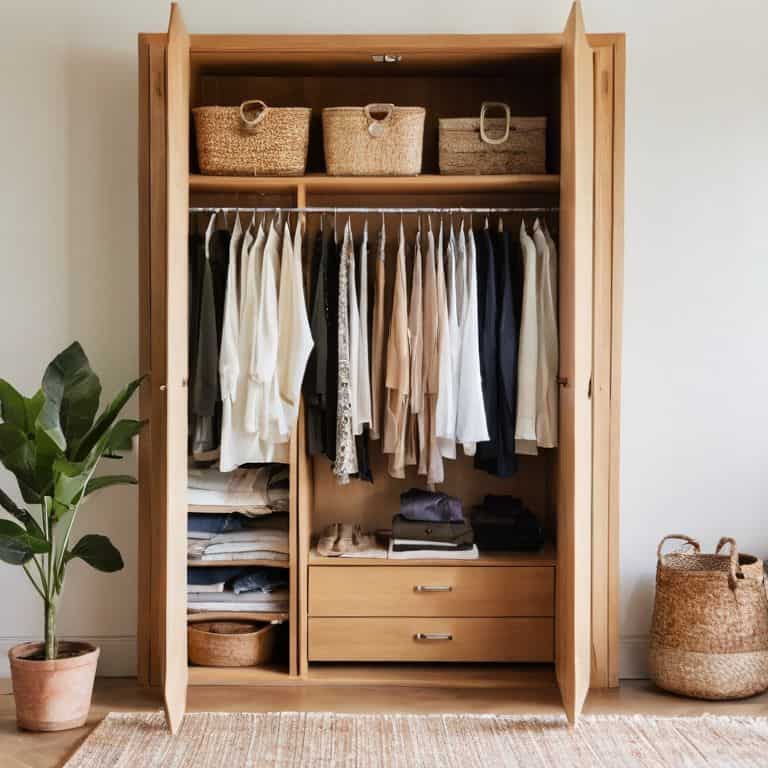
As I delve into the world of sustainable living, I’ve come to realize that embracing a zero waste lifestyle is not just a trend, but a necessary step towards a greener future. By choosing to buy for life, we’re not only reducing our environmental footprint, but also cultivating a sense of mindfulness in our daily lives. For instance, opting for sustainable fashion practices like buying second-hand clothing or investing in timeless pieces can significantly decrease the amount of waste generated by the fast fashion industry.
The benefits of minimalism on environment are multifaceted, and one of the most significant advantages is the reduction of plastic use in daily life. By adopting a more minimalist approach to consumption, we can avoid single-use plastics and opt for reusable alternatives instead. This simple switch can have a profound impact on the environment, as it reduces the amount of plastic waste that ends up in our oceans and landfills.
As I continue on this journey, I’m reminded that every small step counts, and that reducing plastic use in daily life is a crucial part of creating a more sustainable future. By making conscious choices about the products we buy and the waste we generate, we can mitigate the environmental impact of fast fashion and create a better world for ourselves and future generations.
Reducing Plastic Use Through Second Hand Finds
As I wander through thrift stores and flea markets, I’ve discovered a treasure trove of unique, pre-loved items that not only reduce my plastic use but also add a touch of personality to my home. From vintage planters to antique kitchenware, each find is a testament to the beauty of giving new life to old things.
By embracing second-hand shopping, I’ve significantly decreased my reliance on single-use plastics and supported a more circular economy. Whether it’s a set of wooden utensils or a handmade ceramic mug, every second-hand find is a small victory in my quest to live a more sustainable lifestyle.
Sustainable Fashion Practices for Less Waste
As I delve into the world of sustainable fashion, I’m reminded of the beauty of timelessness that comes with investing in quality, eco-friendly pieces. By choosing clothing that’s designed to last, we can significantly reduce the amount of waste that ends up in our landfills and oceans. It’s all about adopting a mindset that values longevity over trendiness.
By embracing slow fashion, we can make a significant impact on the environment. This approach encourages us to buy fewer, but higher-quality items that are made with sustainable materials and designed to be worn for years to come.
Cultivating a Greener Tomorrow: 5 Key Tips for Buying for Life
- Embracing the art of repair: learning to fix and restore our belongings to reduce electronic and textile waste
- Investing in timeless, high-quality pieces that stand the test of time, from kitchenware to clothing
- Shopping second-hand first: scouring thrift stores, vintage shops, and online marketplaces for hidden gems
- Choosing products with minimal, biodegradable, or recyclable packaging to lessen our plastic footprint
- Supporting brands that prioritize sustainability, transparency, and eco-friendly practices in their production processes
Cultivating a Greener Tomorrow: 3 Key Takeaways
Sowing seeds of sustainability starts with embracing a zero-waste lifestyle, where every purchase is a conscious decision to reduce, reuse, and recycle, ultimately nurturing a healthier planet for future generations
By adopting sustainable fashion practices, such as buying second-hand, investing in quality over quantity, and repurposing old favorites, we can significantly reduce the environmental impact of the fashion industry and promote a more circular economy
Making the shift to buying for life, rather than for the moment, allows us to ditch the disposable lifestyle and fall in love with the beauty of longevity, quality, and craftsmanship, ultimately leading to a more mindful and eco-friendly approach to consumption
Embracing Timeless Wisdom
By choosing to buy for life, we’re not just investing in quality over quantity, we’re cultivating a deeper connection with the earth and its rhythms, one that whispers secrets of sustainability and serenity in our busy lives.
Harper Willow
Embracing a Lifetime of Sustainability
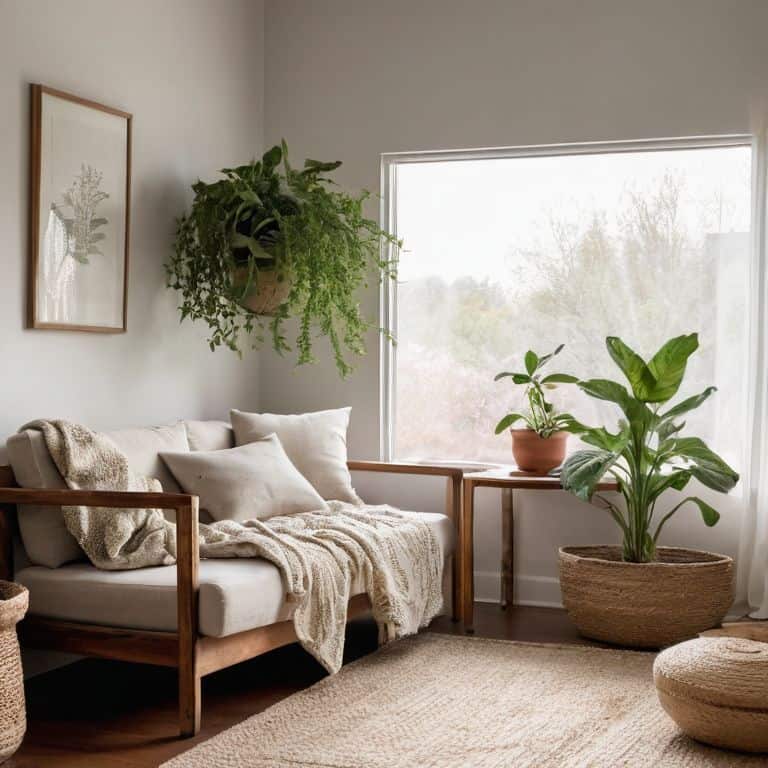
As we’ve explored the environmental benefits of buying for life, it’s clear that this mindset shift can have a profound impact on our planet. From nurturing zero waste lifestyle tips to embracing sustainable fashion practices, every choice we make can contribute to a greener tomorrow. By adopting a mindset of buying for life, we not only reduce our waste and support eco-friendly brands, but we also cultivate a sense of minimalism that allows us to truly appreciate the value of our belongings. Whether it’s through reducing plastic use or finding creative ways to repurpose and reuse, we have the power to create a more sustainable future.
So let’s make a conscious decision to fall in love with the beauty of buying for life, and in doing so, inspire others to join us on this journey. As we sow seeds of sustainability, we’ll not only be nurturing a healthier planet, but also cultivating a deeper connection to the world around us. By choosing to live more intentionally, we can create a ripple effect of positive change that will resonate for generations to come, and that’s a truly beautiful thing.
Frequently Asked Questions
What are some creative ways to repurpose or upcycle old items to reduce waste and live more sustainably?
I adore giving old items a new lease on life. Try transforming vintage jars into planters, turning old t-shirts into reusable bags, or upcycling wooden crates into shelves. You can also breathe new life into old furniture with a fresh coat of paint or natural stains. Get creative and have fun!
How can I balance the higher upfront cost of buying durable, long-lasting products with my budget and still make a positive impact on the environment?
For me, it’s about prioritizing and investing in a few timeless, high-quality pieces each season, rather than buying cheap, trendy items that may quickly end up in landfills. I also love scouring thrift stores and online marketplaces for gently used treasures that not only fit my budget but also reduce waste.
Are there any specific product categories or industries where buying for life has the most significant environmental benefits, and how can I make informed choices in those areas?
For me, it’s all about homing in on areas like furniture, electronics, and clothing – the things we often replace without a second thought. By investing in timeless, well-crafted pieces, we can significantly reduce waste and support more sustainable production methods, which is a total game-changer for the planet.