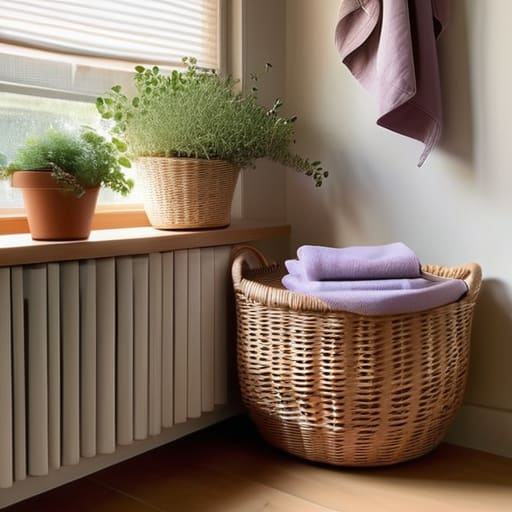
As I wander through the bustling marketplace, I’m often reminded of the age-old adage that _quality is in the details_. Yet, when it comes to knowing how to identify high-quality goods, it’s astonishing how many of us rely on fleeting trends or superficial appearances. I recall my parents, both marine biologists, teaching me to look beyond the surface level when exploring the tide pools back in my coastal hometown. This lesson has stuck with me, and I’ve found that it applies just as well to navigating the world of consumer goods. By learning to distinguish between genuinely exceptional products and those that merely pretend to be, we can make more informed choices that align with our values and promote a more sustainable lifestyle.
In this article, I promise to share _practical tips and timeless wisdom_ on how to identify high-quality goods that will stand the test of time. From the telltale signs of craftsmanship to the often-overlooked indicators of eco-friendliness, I’ll guide you through the process of uncovering treasures that not only nurture your soul but also contribute to a healthier planet. By the end of this journey, you’ll be equipped with the knowledge and confidence to make purchasing decisions that reflect your commitment to sustainability and quality, allowing you to live a more intentional, _beautifully curated life_.
Table of Contents
- Guide Overview: What You'll Need
- Step-by-Step Instructions
- Unearthing Quality Treasures
- Nurturing Your Space with Intention: 5 Whimsical Tips for Identifying High-Quality Goods
- Embracing the Art of Mindful Consumption: 3 Key Takeaways
- The Art of Discernment
- Embracing the Art of Mindful Consumption
- Frequently Asked Questions
Guide Overview: What You'll Need

Total Time: 1 hour 15 minutes
Estimated Cost: $0 – $10
Difficulty Level: Easy
Tools Required
- Magnifying Glass (for inspecting small details)
- Measuring Tape (for checking dimensions in inches)
Supplies & Materials
- Product Labels (for researching product information)
- Rating Guides (for understanding quality standards)
Step-by-Step Instructions
- 1. First, I recommend starting by trusting your instincts as you browse through the marketplace or shop. Take a moment to pause and observe the goods on display, allowing yourself to be drawn to the items that resonate with you on a deeper level. Notice the colors, textures, and overall aesthetic of the products, and see if you can sense the story behind each piece.
- 2. Next, look for the tell-tale signs of craftsmanship, such as attention to detail, unique designs, and the quality of materials used. I like to think of this step as “reading between the lines” of the product’s presentation, where you’re not just looking at the surface level but also considering the human touch that went into creating it.
- 3. Now, take a closer look at the materials used to make the product. Are they sustainably sourced, or do they seem to be made from cheap, disposable materials? Consider the environmental impact of your purchase, and choose items that align with your values of reducing waste and living more eco-consciously.
- 4. Another important step is to research the brand or artisan behind the product. Learn about their values and mission, and see if they prioritize fair trade practices and social responsibility. This can give you a sense of the company’s commitment to creating high-quality goods that not only benefit you but also contribute to the greater good.
- 5. When examining the product itself, pay attention to the quality of construction. Are the seams well-stitched, or is the paint job smooth and even? Look for signs of attention to detail, which can indicate a higher level of craftsmanship and care in the manufacturing process.
- 6. I also recommend considering the timeless appeal of the product. Will it still be relevant and useful in a year, or will it quickly go out of style? Choose items that have a classic quality to them, and avoid trends that may soon become outdated.
- 7. Finally, don’t be afraid to ask questions and engage with the community around you. Talk to the artisans, shop owners, or other customers who have purchased similar products, and gather feedback about their experiences. This can give you valuable insights into the product’s performance and help you make a more informed decision about your purchase.
Unearthing Quality Treasures
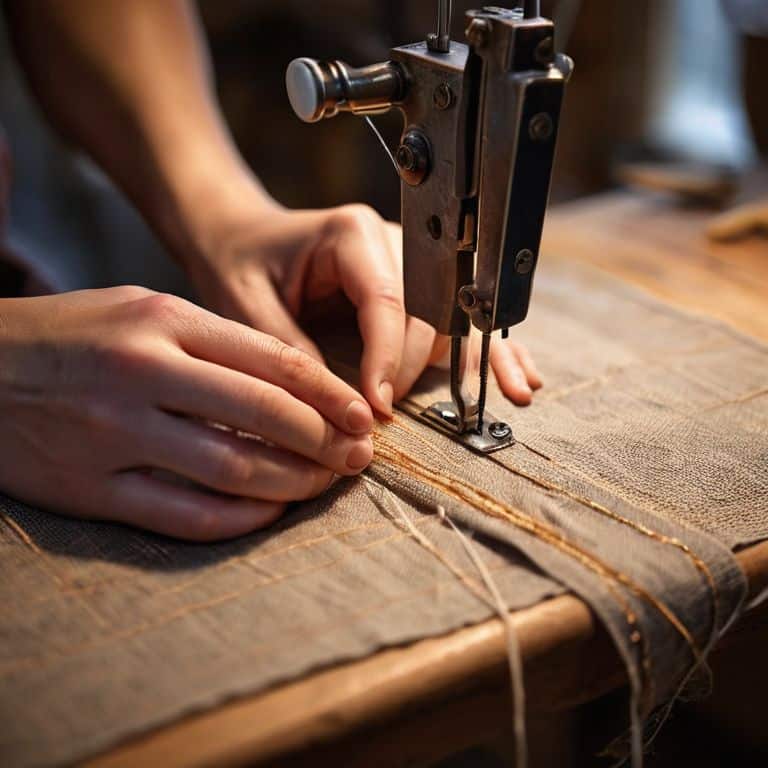
As I delve into the world of conscious consumerism, I’ve come to realize that uncovering quality treasures requires a combination of intuition and attention to detail. When exploring the marketplace, I look for signs of durable construction, from the stitching on a garment to the materials used in a piece of furniture. These subtle cues can reveal a lot about the craftsmanship and care that went into creating a product.
My experience with DIY eco-friendly projects has also taught me the importance of material selection. Sourcing materials that are not only sustainable but also durable can make all the difference in the lifespan of a product. By choosing items made from high-quality, eco-friendly materials, we can reduce waste and support brands that prioritize the well-being of our planet.
In my research, I’ve found that researching brand reputation is crucial in making informed purchasing decisions. Understanding a company’s values and commitment to quality control in manufacturing can give us insight into their dedication to producing exceptional goods. By taking the time to learn about a brand’s story and values, we can make more intentional choices that align with our own values and contribute to a more sustainable future.
Material Selection Wisdom
As I delve into the world of high-quality goods, I’ve come to realize that material selection is an art form in itself. It’s about choosing elements that not only exude elegance but also tell a story of sustainability. I look for pieces crafted from reclaimed wood, organic textiles, or recycled metals – materials that whisper tales of the earth and its rhythms. The feel of a hand-woven basket or the scent of a wooden cutting board, sanded to perfection, is a sensory delight that connects me to the natural world.
In my own home, I’ve incorporated vintage botanical illustrations and found natural materials into my decor, creating a space that feels like a whimsical oasis. By choosing materials that are both beautiful and eco-friendly, we can create a world that is more in tune with the rhythms of nature.
Signs of Durable Construction
As I delve into the world of high-quality goods, I’m drawn to pieces that exude a sense of durability and timelessness. For me, signs of durable construction are a testament to the craftsmanship and love that goes into creating something truly special. I look for sturdy materials, thoughtful design, and attention to detail – the kind of qualities that whisper stories of generations past and future. Whether it’s a beautifully crafted wooden chair or a handwoven textile, I believe that the mark of exceptional goods lies in their ability to withstand the test of time.
The weight of a solid wood handle, the soft glow of a well-oiled leather strap, or the gentle rustle of organic cotton – these sensory details speak to me of a deeper connection to the natural world and the people who craft these treasures. In a world where disposability often reigns, I find solace in the quiet confidence of durable construction, where every stitch, every joint, and every detail tells a story of devotion to the craft.
Nurturing Your Space with Intention: 5 Whimsical Tips for Identifying High-Quality Goods
- Listen to the Story Behind the Object: I’ve found that the most enchanting pieces often come with a rich history or are crafted with love, so don’t be afraid to ask the creator or seller about the story behind the item
- Trust Your Senses: When I’m browsing through a market or store, I let my senses guide me – the feel of natural materials, the scent of sustainable woods, or the sound of beautifully crafted mechanisms can all hint at the quality of a piece
- Inspect the Details: It’s the small, often overlooked details that can reveal the craftsmanship and care that’s gone into creating something – think handmade stitching, carefully polished surfaces, or the subtle imperfections that make a piece unique
- Consider the Lifecycle: As someone who’s passionate about sustainable living, I believe it’s essential to think about the entire lifecycle of a product – from the sourcing of materials to its eventual recycling or repurposing – and choose items that are designed with this in mind
- Imagine the Legacy: When I’m considering a new purchase, I ask myself if it’s something that could be treasured for generations to come – will it become a family heirloom, or will it end up in a landfill? This mindset helps me focus on investing in high-quality, timeless pieces that nurtures my space and the planet
Embracing the Art of Mindful Consumption: 3 Key Takeaways
As I reflect on my journey to identify high-quality goods, I’ve come to realize that it’s not just about the product itself, but about the story behind it – the people, the process, and the passion that goes into crafting something that will stand the test of time
I’ve learned to trust my instincts and look for the telltale signs of craftsmanship, from the careful selection of materials to the attention to detail in the finished product, and to recognize that true quality is often reflected in the little things, like the feel of a handmade textile or the scent of sustainably sourced wood
By embracing a more mindful approach to consumption, we can not only surround ourselves with beautiful, functional pieces that bring us joy, but also support artisans, makers, and companies that prioritize the well-being of our planet, and cultivate a deeper sense of connection to the world around us, one thoughtful purchase at a time
The Art of Discernment
To identify high-quality goods, one must slow down and listen to the whispers of the earth, for it is in the gentle creak of a well-crafted wooden spoon, the soft glow of a candle made from pure beeswax, or the vibrant hue of a textile dyed with plant-based inks, that we find the essence of a product that not only nourishes our souls but also honors the land that nourishes us.
Harper Willow
Embracing the Art of Mindful Consumption
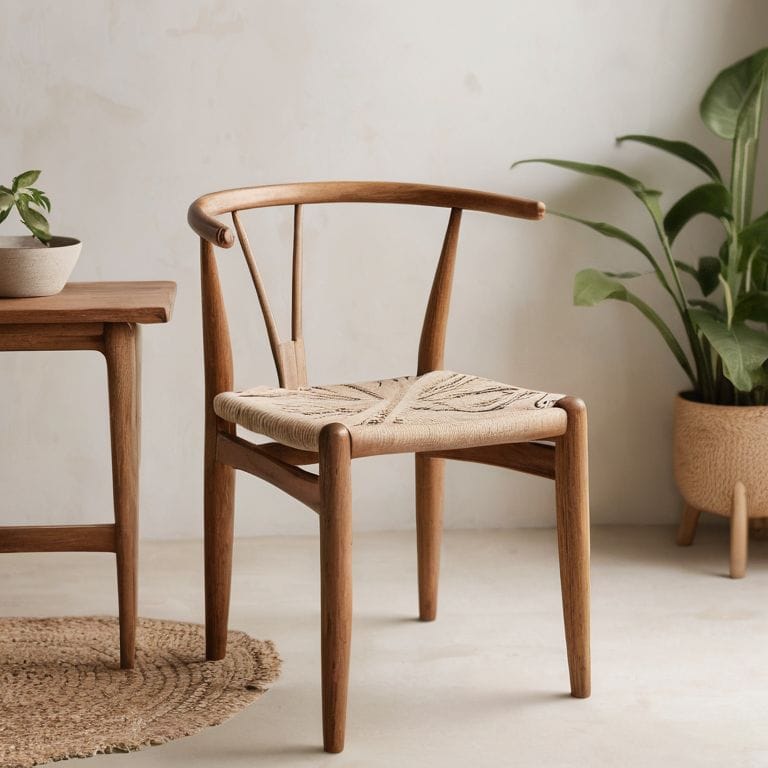
As I reflect on our journey to identify high-quality goods, I’m reminded of the importance of slowing down and truly appreciating the craftsmanship that goes into each item. From the signs of durable construction to the material selection wisdom, every detail matters. By being more mindful of our purchasing decisions, we not only nurture our own well-being but also contribute to a more sustainable and compassionate world. Whether you’re a seasoned shopper or just starting to explore the world of conscious consumerism, remember that every small step counts, and it’s the cumulative effect of our choices that can lead to profound positive change.
As we conclude this guide, I invite you to embark on a personal journey of discovery and exploration, one that celebrates the beauty of well-crafted goods and the stories behind them. May your path be guided by a sense of wonder, curiosity, and a deep appreciation for the intricate web of relationships between people, planet, and the products we choose to bring into our lives. By embracing this mindful approach to consumption, you’ll not only find more joy in the everyday but also become a part of a larger movement that’s redefining the way we live, work, and interact with the world around us.
Frequently Asked Questions
What are some common myths about high-quality goods that I should be aware of when making purchasing decisions?
As I delve into the world of high-quality goods, I’ve encountered a few myths that can lead us astray. One common misconception is that expensive always means better, or that eco-friendly goods are inherently low-quality. Neither is necessarily true, and it’s essential to look beyond the price tag and marketing claims to uncover the real story behind a product’s craftsmanship and sustainability.
How can I balance the desire for high-quality, sustainable goods with the often higher price point?
For me, it’s about weighing the cost per use and the joy factor – will this piece bring me delight for years to come, and can I feel good about its impact on the planet? I’ve found that investing in a few, well-crafted items can be more fulfilling than accumulating cheap, trendy alternatives.
Are there any specific certifications or labels that I can look for to ensure the goods I'm buying meet certain standards for quality and environmental responsibility?
When I’m on the hunt for eco-friendly treasures, I look for certifications like Fair Trade, Organic, and FSC-certified, which guarantee a product meets rigorous standards for social and environmental responsibility. These labels are like a seal of approval, giving me peace of mind that my purchases are supporting a more sustainable future.