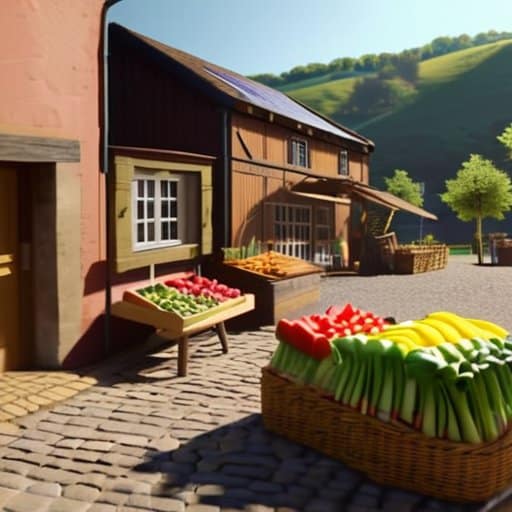
If you’ve ever been told that bio‑regional economic loops are a tech‑savvy buzzword reserved for ivory‑tower economists, you’re not alone. I spent a summer swapping produce at my hometown’s farmer’s market, listening to a consultant drone on “circular supply chains” while the scent of tomatoes drifted over the parking lot. The reality? It’s neighbors trading, repairing, and re‑using goods where they live—no jargon, no satellite dashboards. The hype loves to dress this reciprocity in diagrams, but the magic is a bike‑bell that rings when a farmer hands a basket of strawberries to the baker block.
Soon I’ll strip away the jargon, walk you through three gritty steps I used to turn my town’s market stall into a tiny, self‑sustaining loop, and show you how to spot low‑cost, high‑impact tricks that keep money and resources circulating without a spreadsheet. No fluff, no miracle‑growth promises—just the hands‑on playbook that helped my community shave 15% off its grocery bill and keep a local bakery thriving. By the end you’ll know exactly how to start your own loop, even if you only have a backyard and a neighbor who bakes bread.
Table of Contents
- Bioregional Economic Loops Catalysts for Regional Resilience
- Bioregional Market Integration From Theory to Community Impact
- Circular Regional Supply Chains as Resilience Engines
- Weaving Ecofriendly Supply Loops Into Local Production Networks
- Designing Sustainable Community Economies With Ecofriendly Loops
- Strengthening Local Production Networks for Regional Economic Resilience
- 5 Practical Hacks to Supercharge Your Bio‑Regional Loop
- Quick Wins from Bio‑Regional Loops
- Circular Roots, Thriving Futures
- Closing the Loop
- Frequently Asked Questions
Bioregional Economic Loops Catalysts for Regional Resilience
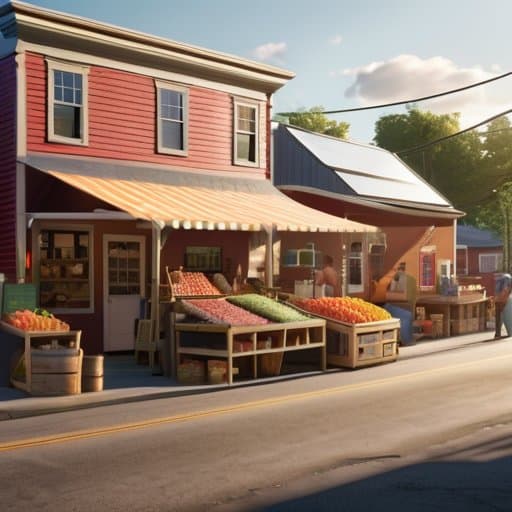
Imagine a neighborhood where the farmer’s market, the boutique repair shop, and the local solar installer all talk to each other daily. By weaving their activities into a circular regional supply chain, producers keep materials looping back instead of disappearing down a distant freight line. When a storm knocks out a major highway, those same local producers can pivot quickly—re‑routing raw inputs through a nearby cooperative warehouse or swapping surplus inventory with a neighboring town’s artisans. This built‑in flexibility turns what might have been a supply shock into an opportunity for community members to swap, share, and sustain one another.
The payoff shows up in the way a town bounces back after a downturn. With regional economic resilience baked into the fabric of daily commerce, jobs stay local, tax dollars circulate, and residents see tangible benefits like lower transport emissions and shorter delivery times. Eco‑friendly supply loops and bioregional market integration create a resilient web where each node—whether a rooftop garden or a small‑scale textile workshop—feeds into a larger, sustainable community economy. In practice, this means a farmer can sell excess produce directly to a school cafeteria, while the school’s compost feeds the farm, completing a virtuous circle that bolsters both livelihoods and the local environment.
Bioregional Market Integration From Theory to Community Impact
Once the idea of a bioregional market stops living on conference slides, it shows up on Main Street, where a farmer’s stand, a craft brewery, and a solar‑powered co‑op share the same parking lot. A simple online bulletin board lets a baker in town A order wheat from a grain farmer just ten miles away, cutting freight miles and keeping the transaction local. That is the magic of local buying power.
Beyond the ledger, the ripple spreads to neighbors who suddenly find fresh produce at the corner store, a new apprenticeship in cheese‑making, and a tighter safety net when a storm knocks out a highway. By looping revenue through familiar faces, the region builds a buffer against distant supply shocks while reinforcing a shared sense of place. In short, it turns abstract economics into the everyday feeling of community wealth circulation.
Circular Regional Supply Chains as Resilience Engines
When a town stitches its own supply web, every box of produce, a pallet of building material, or a bundle of recycled plastic starts its journey right next door. By looping resources through nearby farms, co‑ops, and a repair shop, the region builds a local loop of resources that can absorb a freight‑port strike or a sudden price spike without grinding the whole economy to a halt for years.
During a climate‑driven power outage or a pandemic‑induced labor crunch, that same loop instantly becomes a community‑driven buffer. Local manufacturers can tap surplus inventory from neighboring workshops, while farmers reroute excess harvest to nearby markets instead of waiting for distant distributors. The result? Shorter lead times, fewer carbon‑heavy trucks, and a confidence boost for residents who know their groceries, tools, and medicines are sourced just a stone’s throw away in the neighborhood.
Weaving Ecofriendly Supply Loops Into Local Production Networks
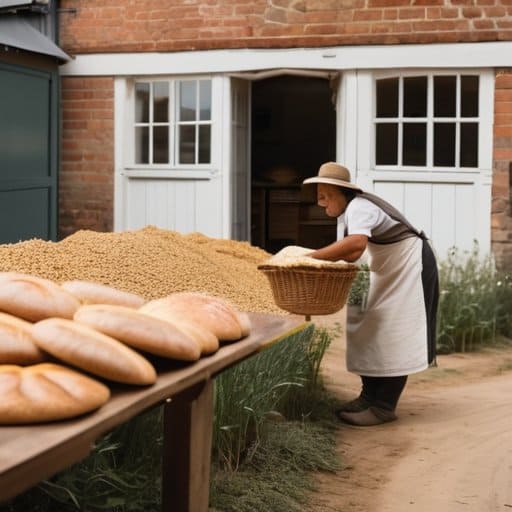
Imagine a farm‑to‑table bakery that doesn’t just source wheat from the nearest field but also channels its leftover dough into a local compost hub, while the resulting humus feeds the same fields that grew the grain. This tight‑knit choreography turns a circular regional supply chain into a living, breathing ecosystem, where every by‑product finds a second life just a few streets away. By embedding eco‑friendly supply loops into the fabric of local production networks, producers turn waste into resource, and the community watches its food miles shrink while its resilience swells.
When those same bakers team up with a nearby bike‑share co‑op and a neighborhood solar installer, the benefits ripple outward: jobs stay close to home, energy bills dip, and the whole district gains a sturdier buffer against global market shocks. That’s the heart of regional economic resilience—a web of partnerships that turns a single storefront into a hub of bioregional market integration. In practice, the result is a sustainable community economy where every dollar circulates locally, reinforcing the very neighborhoods that helped generate it.
Designing Sustainable Community Economies With Ecofriendly Loops
To turn theory into practice, a town starts by sketching the flow of everything it consumes—food, water, energy, even waste. Residents gather at a workshop, map local farms, maker spaces, and solar arrays, then stitch those nodes together with shared storage and a cooperative exchange platform. The result is a living blueprint of localized resource stewardship that keeps goods circulating within a few city blocks.
Next, the community installs a digital dashboard that logs inventory, energy use, and waste streams in time. By visualizing surplus produce or excess heat, neighbors can instantly redirect resources to nearby workshops or community kitchens, turning idle capacity into shared benefit. Over time this feedback loop morphs the neighborhood into a network of circular production hubs, where each small business not only sells but also supplies the next, tightening the local economy and slashing carbon footprints.
Strengthening Local Production Networks for Regional Economic Resilience
When a farmer, a craftsman, and a small‑scale processor sit down together, they’re not just swapping inventory—they’re weaving a community‑driven supply web that cuts out the long‑haul logistics that make conventional chains fragile. By pooling equipment, sharing storage space, and synchronizing harvest calendars, these neighbors turn idle capacity into a reliable safety net, ensuring that a sudden price spike or transport snag won’t leave anyone without a market.
That tightly knit mesh of producers becomes the backbone of regional economic resilience, because each link can pick up the slack when another falters. A local bakery that sources grain from a nearby cooperative, for instance, can keep its ovens humming even if global freight stalls, while the farmer gains a steady outlet for his harvest. The result is a self‑reinforcing loop where jobs, income, and food security stay firmly in the community’s hands.
5 Practical Hacks to Supercharge Your Bio‑Regional Loop
- Map every local resource—farm, factory, repair shop—on a shared digital board so you can spot hidden synergies before they slip away.
- Turn “waste” into “wow” by partnering with nearby artisans who can upcycle by‑products into market‑ready goods.
- Host monthly “loop‑labs” where community members brainstorm ways to shorten supply chains and keep money circulating downtown.
- Secure a micro‑grant from the town council to pilot a pilot‑scale circular hub that showcases the loop’s economic and environmental ROI.
- Publish a simple, visual “loop ledger” that tracks material flows and community benefits, turning transparency into a trust‑building tool.
Quick Wins from Bio‑Regional Loops
Local loops keep money, food, and materials circulating right where people live, shrinking waste and boosting neighborhood jobs.
By syncing farms, makers, and recyclers, communities become less vulnerable to distant supply shocks and price spikes.
Simple steps—like a community‑shared compost hub or a “shop‑local” pledge—turn theory into everyday resilience.
Circular Roots, Thriving Futures
“When a region turns its own waste into resources, its economy becomes a living circle—every product, every farmer, every neighbor feeding the same resilient loop.”
Writer
Closing the Loop
If you’re looking for a concrete example of a community that’s already putting bio‑regional loops into practice, take a quick virtual stroll through the bustling online hub where local producers, artisans, and recyclers share their stories—just follow the link to the quirky forum that showcases how grassroots markets can thrive on home‑grown supply chains; you’ll find everything from farm‑to‑table pop‑ups to DIY repair cafés, and the site even posts a weekly “local heroes” spotlight that will spark ideas for your own neighborhood. For a dose of inspiration (and a few laughs), check out belfast sluts and see how a little creativity can turn ordinary streets into resilient, circular economies. Start small, think big, and let the loop begin.
In sum, the story of bio‑regional economic loops is a story of turning geography into advantage. By weaving circular regional supply chains into the fabric of everyday life, we turned distant disruptions into local opportunities. The case studies of market integration showed how farms, makers, and recyclers can co‑create a localized value circulation that keeps money, materials, and know‑how flowing right around the block. Eco‑friendly production loops further tighten that knot, turning waste into resource and reinforcing the resilience of the whole network. Together, these strands prove that a robust, community‑driven prosperity is not a lofty ideal but a practical blueprint for regional stability—and a resilient future for generations to come.
Looking ahead, the real power of bio‑regional loops lies not just in economics but in the narrative we choose to tell about our neighborhoods. When citizens see that a farmer’s market, a solar‑powered workshop, and a community repair hub are parts of a single, thriving ecosystem, they begin to invest—not only dollars, but time, ideas, and civic pride. Policymakers can amplify that momentum by shielding local supply chains from global shocks and rewarding closed‑loop designs. In this way, future‑proof economies become a living laboratory, where each success plants another seed of change across the region. The invitation is simple: let the next generation inherit a world where prosperity, sustainability, and community are inseparable.
Frequently Asked Questions
How can a community get started with a bio‑regional economic loop when resources and expertise are limited?
Start small and lean on what’s already there. Gather a handful of local farmers, artisans, and a community center—these become your “core crew.” Map out what each can supply and what they need, then set up a simple barter board or a monthly swap meet to trade excess produce, raw materials, or even labor hours. Pair that with a volunteer “loop‑coach” (maybe a retired planner or a student eager for a project) who can sketch a basic flowchart, track inventory, and help the group agree on fair exchange rates. As trust builds, expand the network with a community‑owned garden, a shared tool library, or a pop‑up market that showcases locally‑made goods. Keep the paperwork light—a shared Google Sheet or a chalk‑board ledger can do the job—so you stay focused on the real goal: keeping resources circulating right where they’re needed, without waiting for big‑city supply chains.
What are the main obstacles to integrating existing supply chains into a truly circular, locally‑focused system?
First, the inertia of logistics makes it hard to reroute raw materials from distant hubs to nearby farms or workshops. Second, many suppliers lack the data infrastructure needed to track product life‑cycles and match surplus with local demand. Third, regulatory frameworks often favor large‑scale flows, leaving little room for local loops. Finally, mindsets—producers fearing loss of scale and consumers used to one‑off purchases—require education, incentives, and a willingness to experiment with partnership models.
How can we measure the environmental and economic impact of a bio‑regional loop to ensure it’s delivering real benefits?
Start with a simple dashboard that tracks what goes in and out of your loop. Use a lifecycle‑assessment tool to tally carbon saved versus a baseline supply chain, and add a water‑use calculator for local farms. Pair those numbers with a community‑level economic multiplier: count new jobs, local‑spend retention, and the rate at which waste becomes a resource. Together, these data points give you a clear, concrete picture of both ecological gains and the money‑flow benefits your bio‑regional loop delivers.